

New global trends show that luxury is no longer measured by the number of hotel stars, the size of a suite, or the photos we post on social media. Today, luxury is measured in time, peace of mind, and experiences that last far longer than digital memories. The real question is: are we living better—or simply faster?
It wasn't long ago that luxury meant something entirely different. The bigger the hotel, the more swimming pools, the more lavish the buffet, the more activities to "tick off" in a single day, and the more photos proving we had been to the right place. Today, however, the global travel and lifestyle landscape is changing faster than ever. More and more travellers—including those who can easily afford luxury—are consciously choosing the opposite: fewer crowds, a slower pace, local cuisine, small hotels, and experiences that cannot be bought or fully captured in a photograph.
In recent years, virtually every leading travel and lifestyle magazine has been reporting the same shift. Luxury is no longer about prestige that others can see; it is about the feeling guests take home with them after they return from their journey. In an age when we answer dozens of messages every day, follow packed schedules, and live at an accelerated pace, the greatest luxury has become the one thing we have the least of—time.
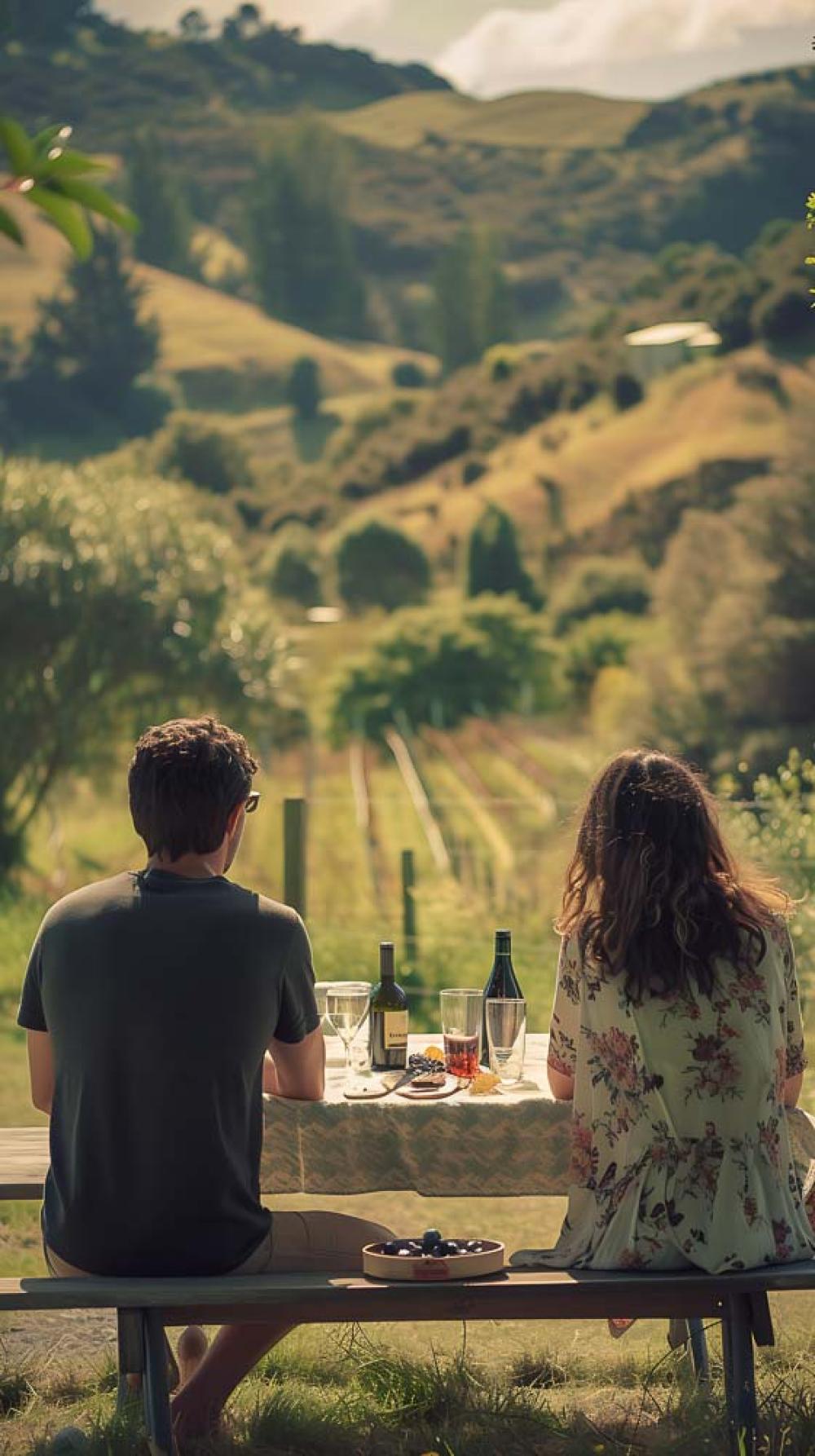
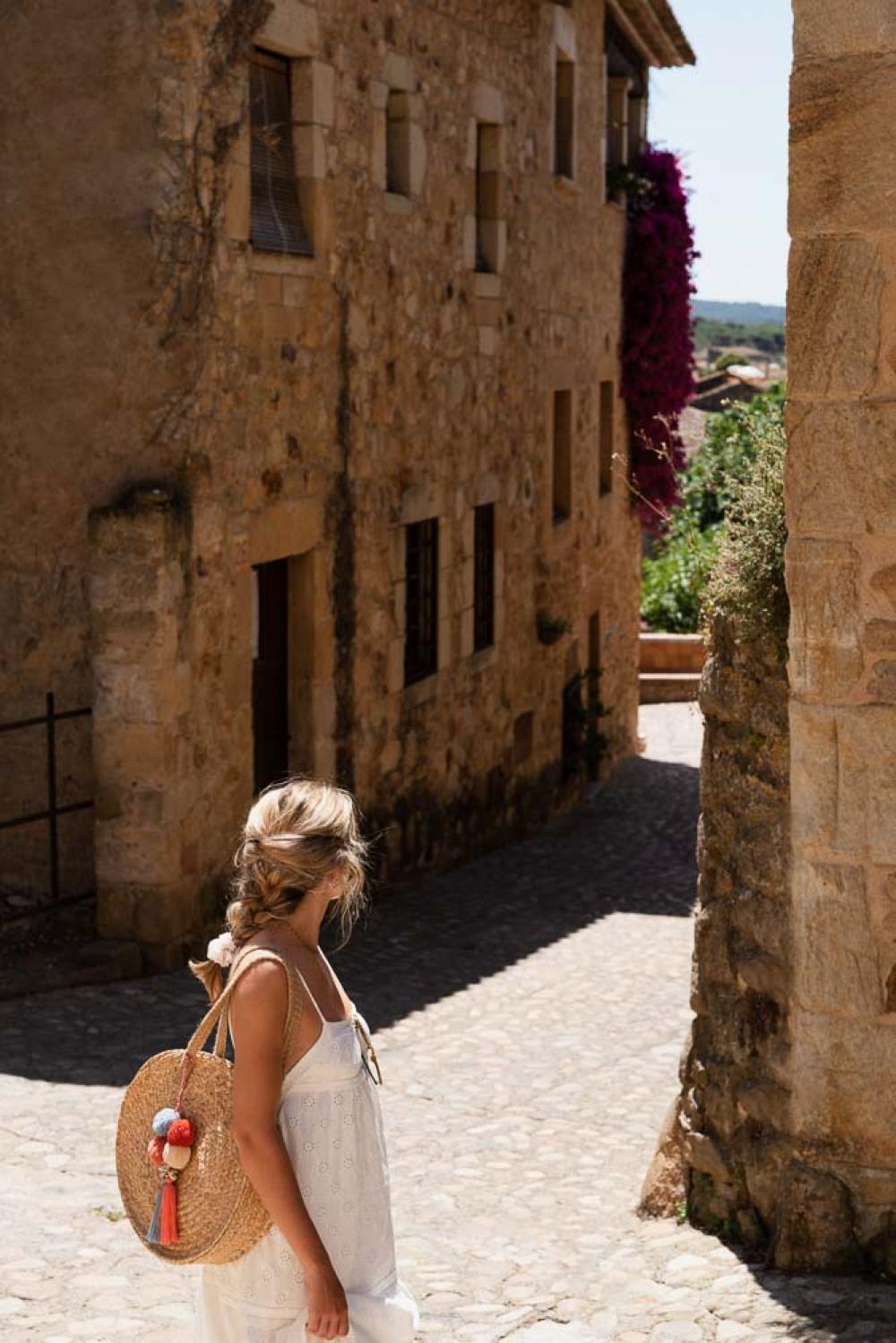
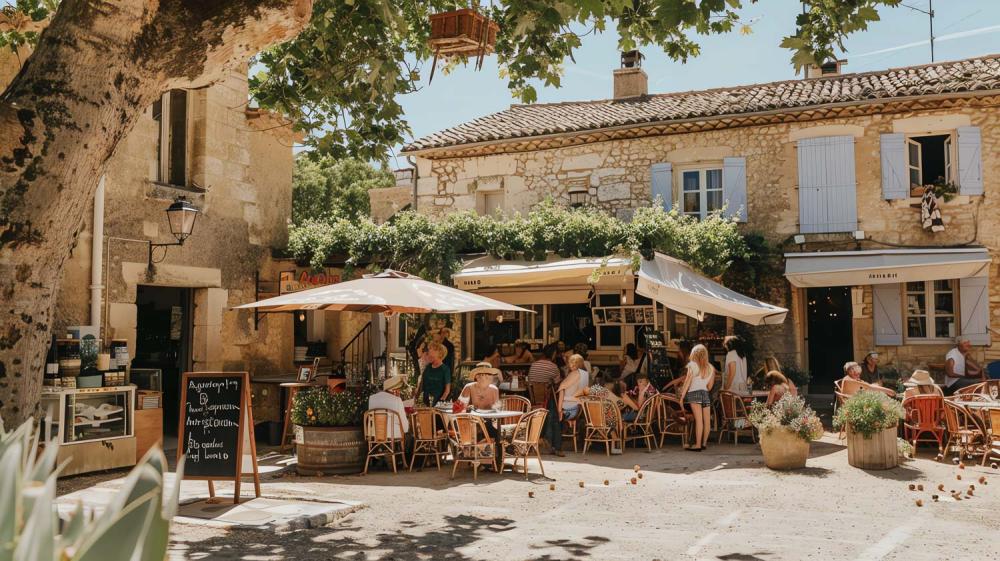
As a result, travellers' habits are changing. Large hotel resorts still have their place in the market, but boutique hotels and small family-run properties have seen remarkable growth in popularity. The reason is not merely their charm or architecture, but the sense of intimacy and personalised service they offer. Guests want to be recognised by their host, to receive restaurant recommendations where locals actually eat, to have the receptionist remember them, the waiter know how they take their morning coffee, or someone share the story of the place they are visiting. In a world where almost everything has become standardised, authenticity has become the new definition of luxury. Perhaps we are returning to our "factory settings," because this is, in many ways, how travel used to be. Again?
Our relationship with food has changed as well. Breakfast was once little more than a quick stop before sightseeing or heading to the beach. Today, more and more hotels are extending breakfast service because guests want their mornings to last longer. Coffee is no longer something to drink in haste; breakfast has become a daily ritual, and conversations around the table often continue for an hour or two. This trend, known as slow mornings, has become one of the defining symbols of modern travel—a holiday where, finally, the clock no longer dictates the rhythm of the day.
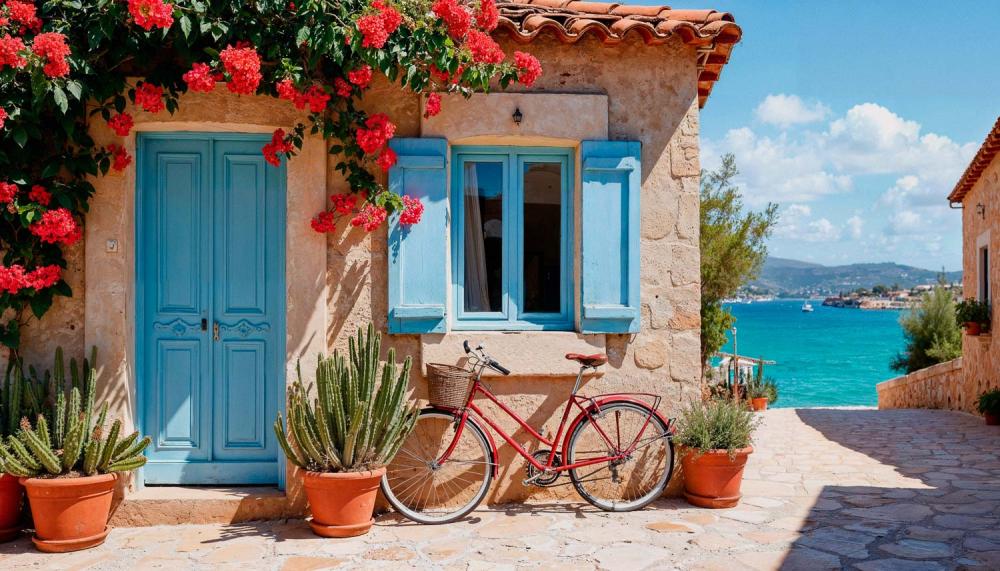
A similar transformation is taking place in restaurants. Dinner is no longer simply a meal but an event in itself. Guests increasingly book later tables, linger longer, and no longer feel obliged to vacate them after an hour for the next reservation. Time spent around the table has become just as important as what is served on the plate.
At the same time, attitudes towards food are evolving. International hotel menus were once considered the hallmark of quality. Today's travellers are far more likely to ask where the cheese comes from, who baked the bread, where the olives were harvested, or whether the fish was caught that very morning. Local gastronomy is no longer just a pleasant addition to the travel experience—it has become one of the primary reasons for choosing a destination. Increasingly, restaurants proudly highlight small producers, family farms, and local wineries because they create experiences that simply cannot be replicated elsewhere.
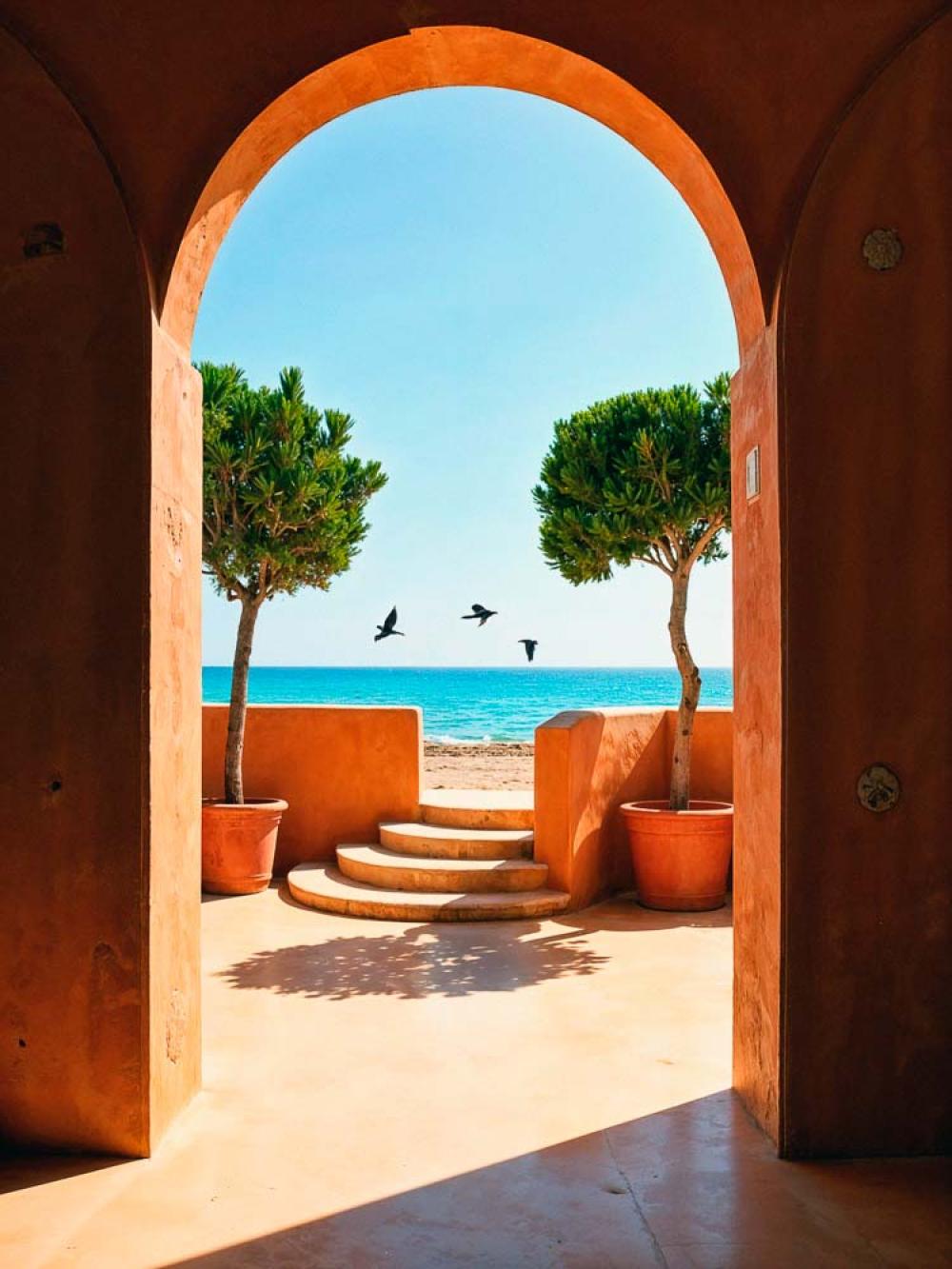
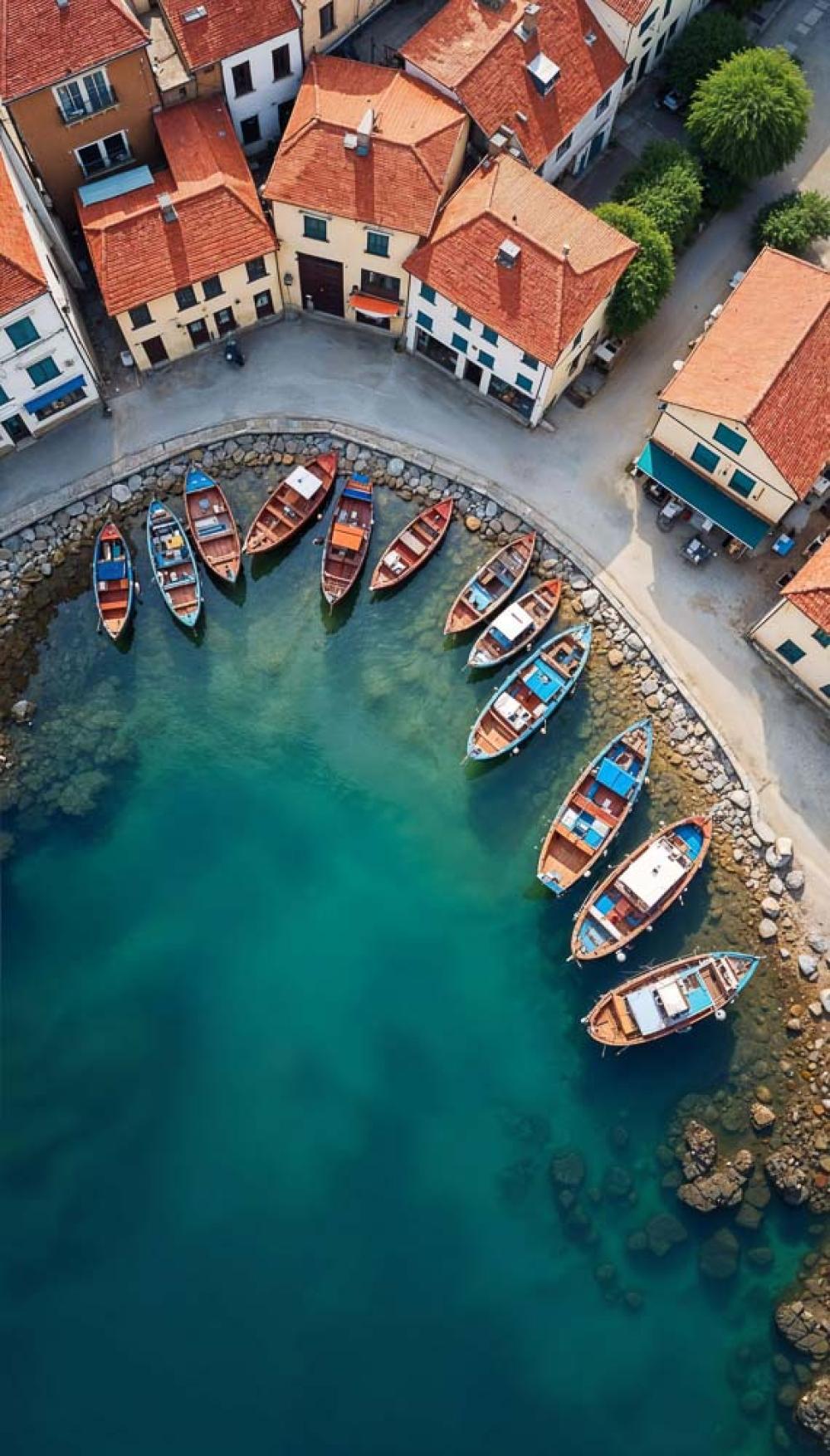
Perhaps the greatest change, however, lies in the way we perceive travel itself. For years, we chose destinations because they looked good in photographs. Today, people increasingly recognise that the most meaningful moments are often those that never appear on social media. A boat ride at sunrise, aconversation with a local host, the aroma of freshly baked bread, a glass of wine in a family-owned winery, awalk with no planned route. These become the memories that algorithms cannot measure or convert into likes.
This shift did not happen by accident. After the pandemic, years of uncertainty, and increasingly hectic lifestyles, people began reassessing what truly matters. Time became the most valuable currency. Peace became the greatest luxury. Today, what matters is no longer how much something costs, but how successfully it allows us to slow down, recharge, and remember that we do not always have to be rushing somewhere.
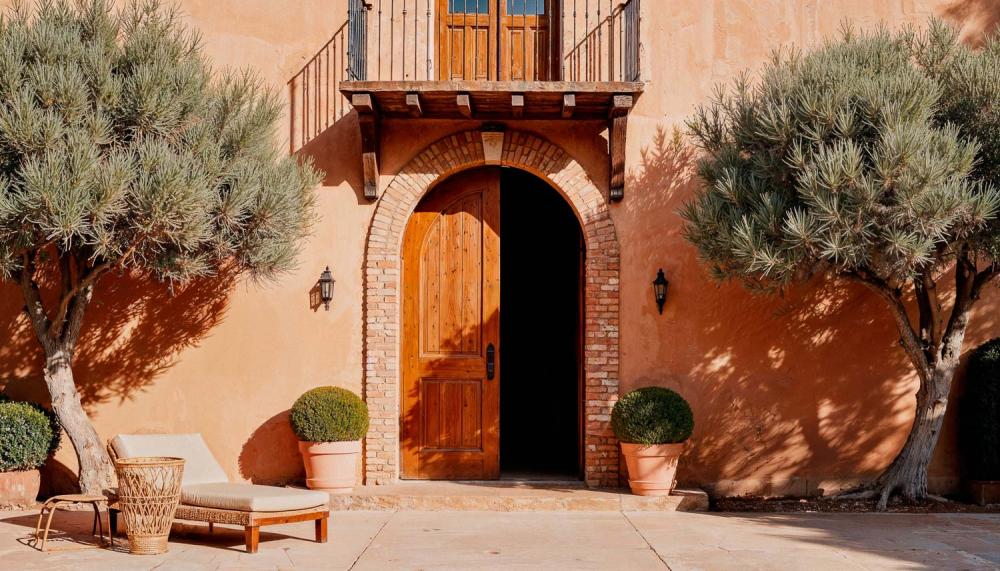
These evolving expectations represent a tremendous opportunity for Montenegro. Our country possesses exactly what modern travellers increasingly seek—authenticity.
Family-run guesthouses, boutique hotels, local wines, traditional cuisine, villages that have preserved their identity, hosts who welcome guests by name, and landscapes that need no filters are precisely the qualities now regarded as true luxury. Perhaps, then, the real question is no longer whether we live better than before. A far more important question is whether we are simply living too fast. Because if the new luxury means having time to enjoy a morning coffee without rushing, spending long evenings around the table, meeting local people, and truly experiencing the places we visit, then perhaps today's greatest wealth is no longer what we own—but the time we manage to keep for ourselves.
If the new luxury is time, peace, and authenticity, then Montenegro has far more to offer than we sometimes realise.