Camping tourism is becoming increasingly popular in Montenegro, as confirmed by the latest trends in the European market. However, growing interest has not been fully matched by the development of a system capable of supporting this form of tourism. Although the sector is regulated by law and a dedicated rulebook, Caffe Montenegro’s interviewees believe that further development is being slowed by regulations that are not sufficiently adapted to the sector, complex procedures and divided responsibilities, a lack of adequate infrastructure and stronger promotion, and particularly by the problem of unregistered campsites and camping outside designated areas.
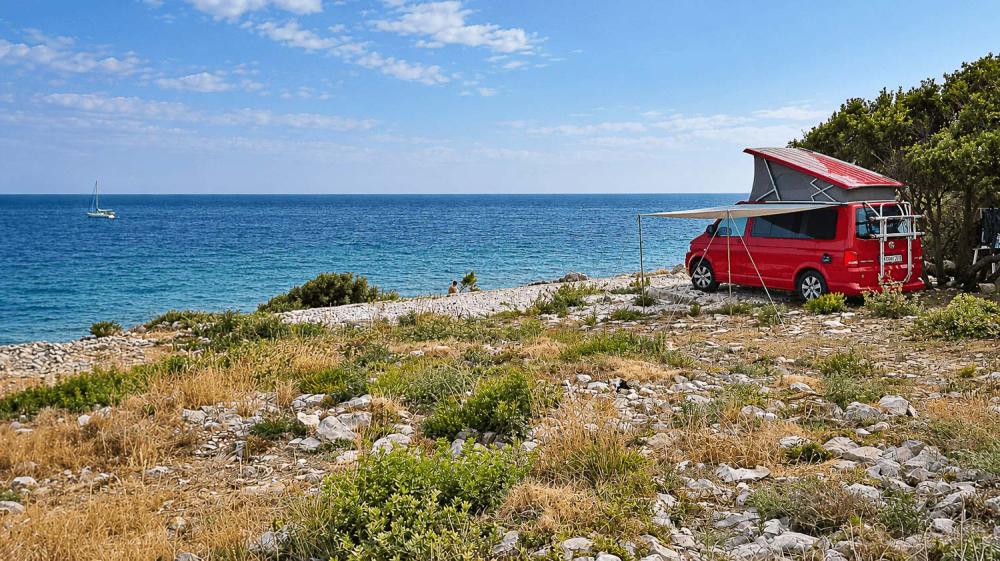
German travel portal HolidayCheck ranked Montenegro second among camping destinations recording the strongest growth in interest, with searches increasing by around 30 percent. The importance of this form of tourism is also recognised by Montenegrin legislation. The Law on Tourism and Hospitality regulates where camping is permitted and the conditions campsites must meet, while camping outside designated areas is prohibited. In addition, the Rulebook on the Classification, Minimum Technical Requirements and Categorisation of Campsites sets out obligations such as regulated disposal of solid and liquid waste, designated facilities for emptying chemical toilets and regular waste collection.
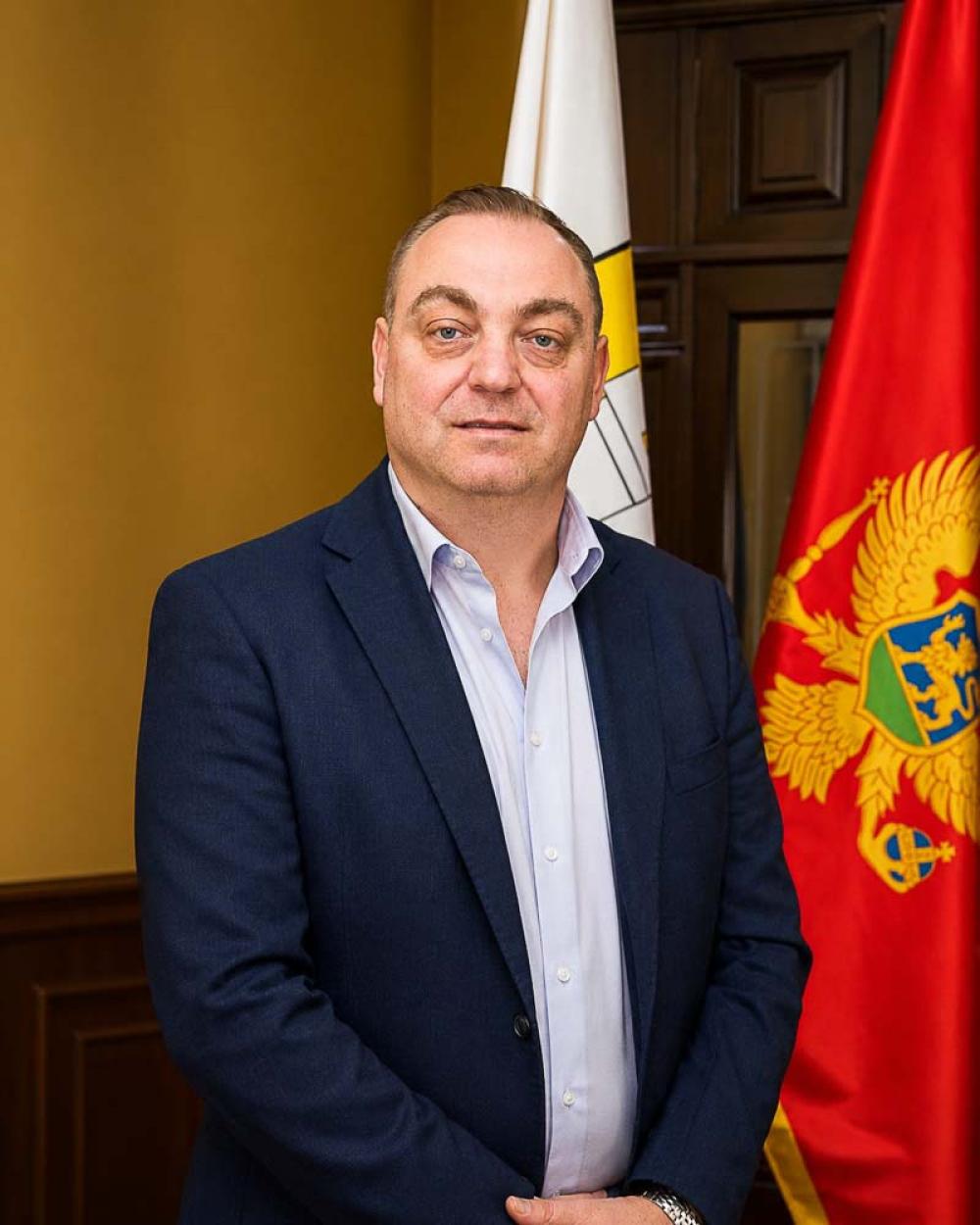
However, according to Veselin Bajčeta, director of the Camping Association, the legal framework requires a thorough revision. He points out that the problem is not simply the existence of rules, but the fact that they are not sufficiently adapted to different types of camping offers, while the procedures for operating legally are often complex and unclear.
“As a result, the current regulations in practice often represent more of an obstacle than an incentive to the legal establishment and development of campsites,” Bajčeta says.
Petar Delić, owner of Safari Beach Camping at Velika Plaža, which has been operating since 2009, agrees that the legal framework and operating conditions need to be clearer and better adapted to modern camping tourism. He identifies unregistered and illegal campsites as a particular problem, saying that they create unfair competition for legal operators that pay taxes, tourist taxes, rent and other obligations while simultaneously investing in infrastructure, safety and service quality.
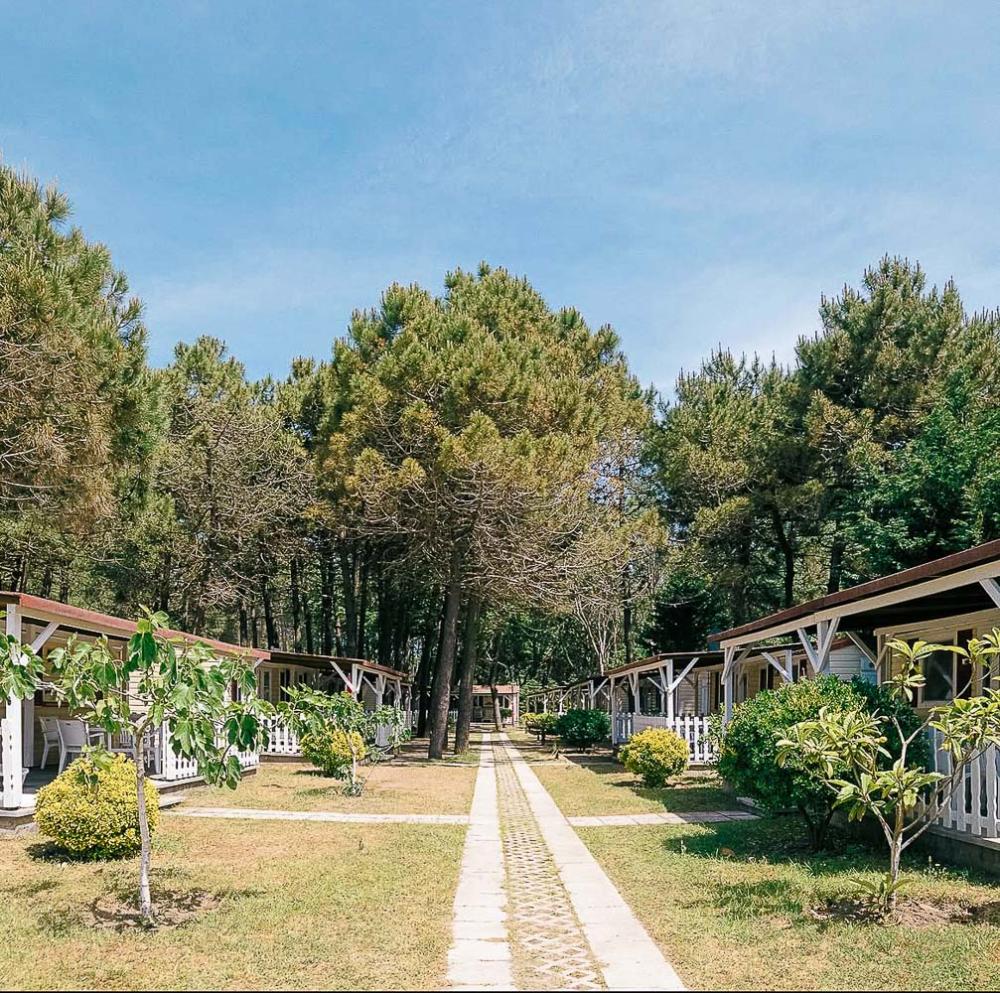
“However, the answer should not simply be stricter inspections. We need a clearer and simpler system that will encourage people to register their campsites and operate legally. A properly regulated market is in the interests of both the state and local authorities, but above all of guests, who need to know what standards and level of safety they can expect,” Delić emphasises.
In Montenegro, responsibility for tackling illegal campsites is divided between local municipal services and the state Tourism Inspectorate, while the Ministry of Tourism is responsible for creating the legal framework and conditions governing camping activities. We also submitted questions on this subject to the Ministry of Tourism, but received no response.

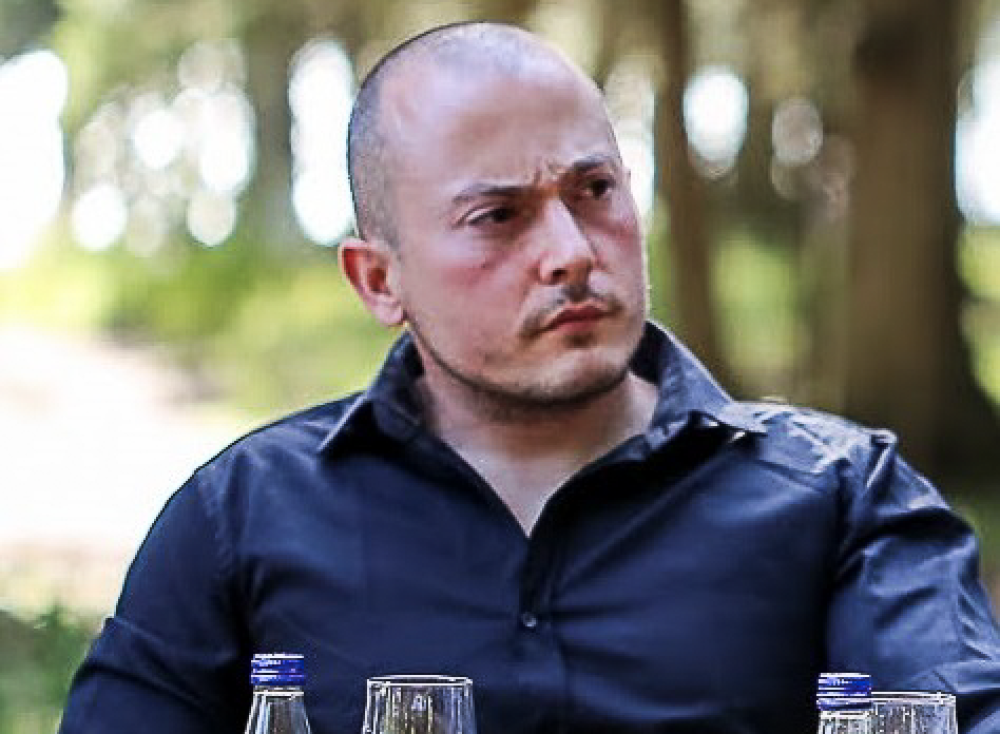
The development of camping tourism, however, cannot be separated from the protection of land and natural resources. Environmental activist Miloš Lazarević warns that camping outside registered and properly regulated sites can be particularly problematic in sensitive natural areas, citing the Jezerska Plateau and Vražje Lake as examples. He also stresses that the problem is not a lack of regulations, but their enforcement, as uncontrolled camping can lead to water pollution, physical degradation of pastures, unregulated campfires and visual degradation of the landscape.
“Camping outside registered campsites is not a ‘romantic trip into nature’. It places real pressure on an ecosystem that takes longer to recover. The law already prohibits it. The problem is not the absence of rules on paper, but the fact that those rules are not being enforced,” Lazarević adds.
Bajčeta also believes that the sustainable development of camping tourism cannot be based solely on prohibitions and penalties. Instead, a sufficient number of legal and clearly marked locations need to be provided where campers can safely spend the night, access basic services and dispose of wastewater properly.
Delić likewise stresses that a professionally managed campsite today cannot operate without a responsible approach to the environment. Proper disposal of municipal and sanitary waste, controlled disposal of grey water, hygiene and preservation of the surrounding area, he says, are not additional amenities but fundamental standards of modern camping.
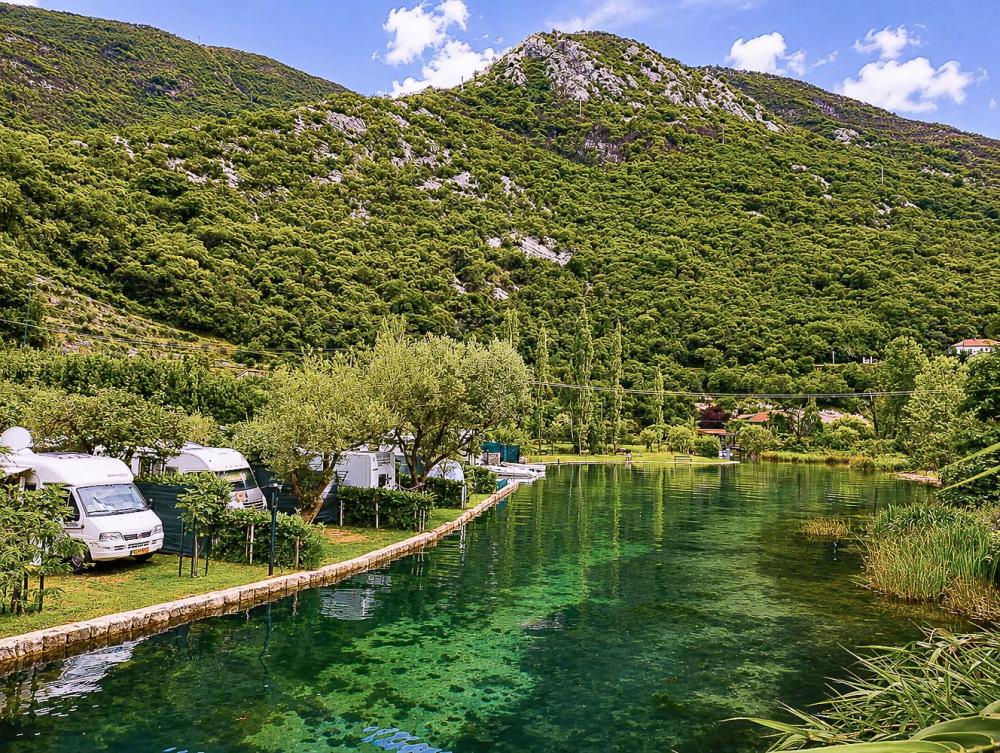

The interviewees agree that Montenegro has significant, yet still underused, potential for the development of camping tourism. They believe this is supported both by growing interest among European tourists and by the fact that campers are increasingly looking for precisely what Montenegro can offer – well-preserved nature, authentic local communities, smaller family-run campsites and the opportunity to combine the sea, mountains, lakes and rural areas in a single trip.
When it comes to finding information, Bajčeta says that foreign campers in Montenegro currently rely primarily on Google Maps, social media and specialised platforms such as Camping.info, ACSI and Park4Night. The problem, however, is that information on these platforms is not always verified or up to date, which is why the Camping Association is working to consolidate the available data and create a national map of campsites.
Unlike Montenegro, Croatia, which is also the region’s most popular camping destination, regulates this sector more precisely through its Hospitality and Catering Industry Act. The law clearly defines where camping is permitted and recognises small campsites operated by households and agricultural farms. Bajčeta believes similar solutions could make Montenegro’s system clearer and encourage more operators to work legally.
“Our greatest advantages are nature, authenticity and small family-run campsites. If we support them with appropriate regulations, infrastructure, expertise and international promotion, Montenegro can become a recognisable, sustainable and competitive European camping destination,” Bajčeta says.


The European camping scene has experienced strong growth in recent years, with France, Italy, Germany and Spain remaining the traditional leaders in this sector. France continues to lead with its extensive network of campsites along the Atlantic and Mediterranean coasts, while Italy attracts campers with Lakes Garda and Como, Tuscany and the Adriatic coast. Austria and Germany are known for well-organised campsites beside lakes and in mountainous areas. Spain remains particularly popular among families thanks to its large seaside camping resorts. On the Adriatic, Croatia has for years been one of the most developed camping destinations, particularly in Istria and Dalmatia, while Slovenia and Montenegro are currently recording the strongest growth in interest. These trends show that Europe’s camping map is changing and that, alongside the traditional centres, smaller destinations offering nature, authenticity and active holidays are gaining an increasingly prominent place.