While the world’s leading destinations are learning to move beyond a strict division of the tourism year into high and low seasons, the question for Montenegro is simple: are we ready for the guest who arrives after summer has officially ended?
For years, we have repeated the same phrase in Montenegro: we need to extend the tourist season. We repeat it after every summer, at conferences, panels and meetings, and in strategies. As though there were some invisible boundary between the part of the year when we are a tourist destination and everything that comes afterwards. But perhaps it is time to ask the question differently. Because the world is no longer talking only about how to extend summer. More and more travellers do not want to travel in summer at all. They are looking for fewer crowds, cooler temperatures, quieter cities, more space, local life and experiences that simply are not possible when a destination is under peak tourist pressure.
Condé Nast Traveler is reporting strong growth this autumn in so-called fallcation travel – holidays taken in September, October and November. According to Virtuoso data cited by the magazine, sales of autumn travel have risen by 59 percent compared with the previous year, while September travel alone has increased by as much as 77 percent. Among the most sought-after destinations are Italy, Japan, Greece and France.
This is no longer simply an escape for those who can afford to travel while everyone else is working. Travellers include younger couples, people without school-age children, as well as families with greater flexibility. In some destinations, September and October are beginning to rival the summer months, hotels are extending their seasons, and some seasonal flight routes are remaining in operation longer than before.
Travel + Leisure is seeing the same shift. According to Airbnb data for autumn 2026, as many as 60 percent of surveyed travellers are planning shorter autumn trips, particularly weekend breaks, with growing interest in smaller towns, lesser-known destinations and experiences beyond the traditional tourist routes. In other words – the tourism calendar is changing. And the way we think about the season should change with it.
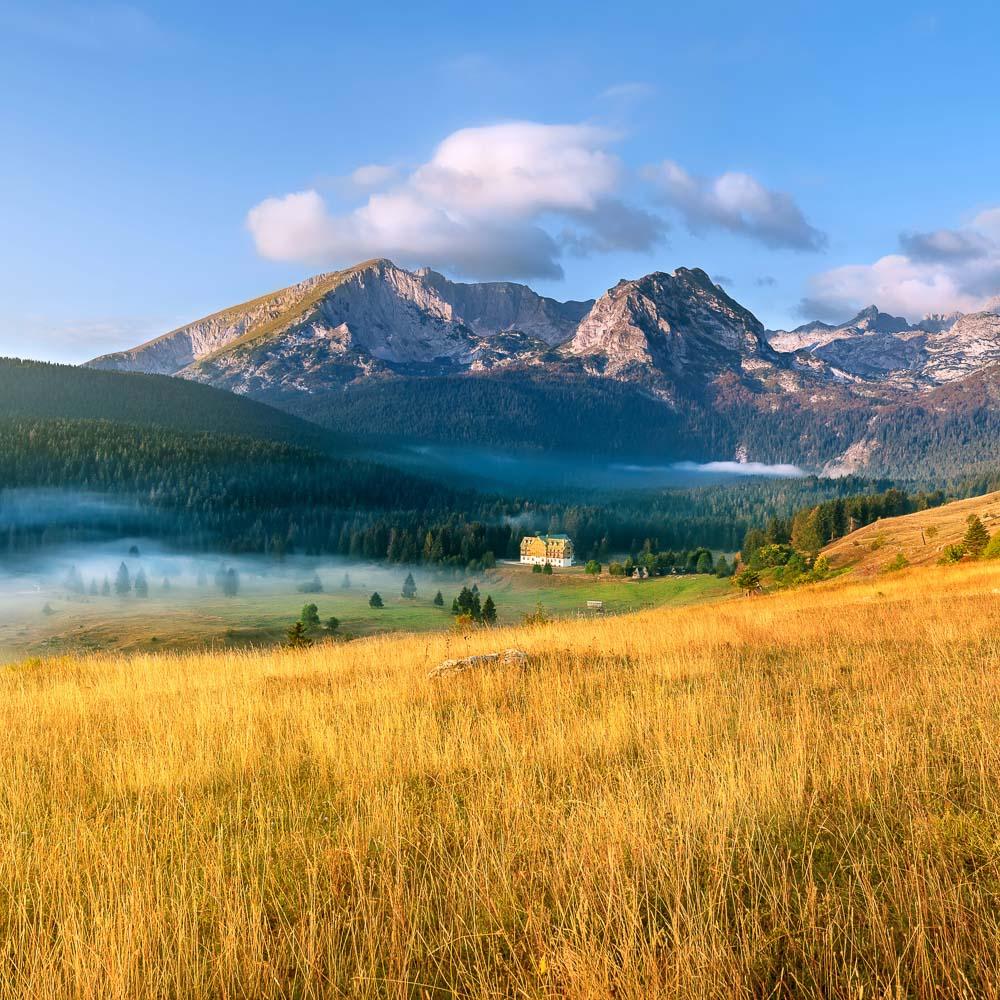
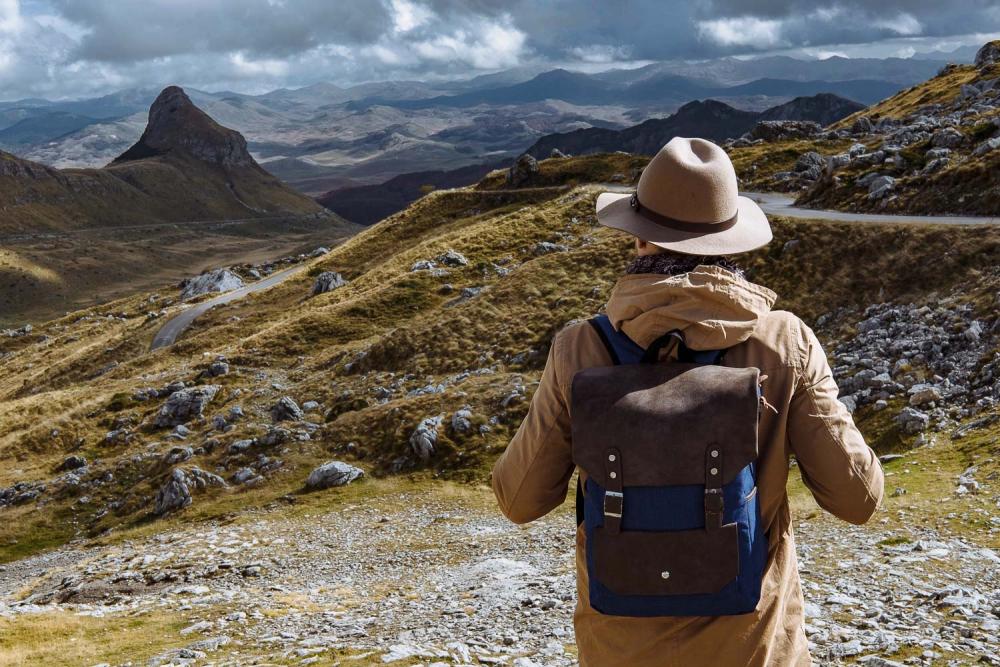
Perhaps this is precisely where one of our biggest mistakes lies. When we talk about extending the season in Montenegro, what we often really mean is extending summer. Keeping the beach open for a few more weeks. Swimming for as long as possible. Hoping the weather cooperates. Hoping September stays warm. Hoping October feels like August. But a guest who comes to Montenegro on 15 October may not want the same things as a guest who comes on 15 August. They may not need a beach lined with sun loungers. They need an open hotel. A good restaurant. A winery they can visit. A hiking or cycling trail. An excursion. Wellness. A cultural programme. Local food. A town they can walk through without a line of cars and thousands of people around them. And good air connections that make it possible for them to get there in the first place. Because October is not an inferior version of August. It is a different tourism product.
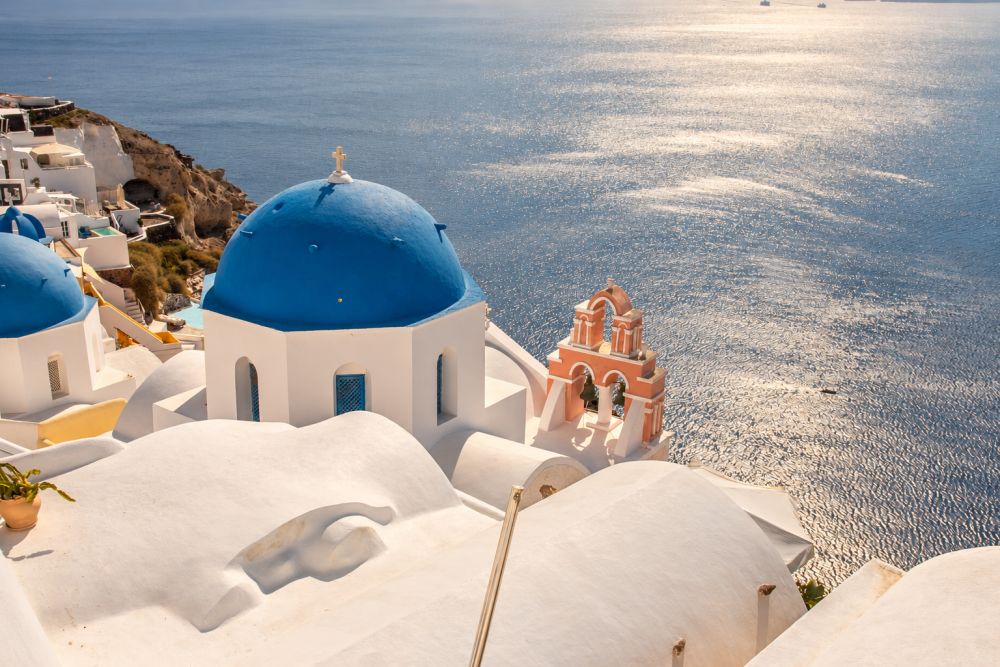
Greece may be the best example. Not because we should copy its model, but because we have much in common: an exceptionally strong summer season, the sea as the dominant reason for visiting, enormous pressure during peak periods and huge potential for developing travel outside the summer months.
This September, Condé Nast Traveler devoted a series of articles specifically to Greece outside the main season – from Athens and Santorini to Crete and Corfu. The message is not that Greece is then a “cheaper version of a summer holiday”, but that it offers a different way of experiencing the country. Olive and citrus harvests, wine, gastronomy, hiking, culture, local life, wellness and the opportunity to form a connection with the destination that is almost impossible during the busiest summer months all come to the fore.
Athens is recommended in October and November, when temperatures are more pleasant and the city returns to its everyday rhythm. Santorini reveals the life of its local residents, wineries, villages and a much slower island rhythm after the main season. Crete offers hiking, local cuisine and even skiing in the mountains in spring.
Of course, not everything is ideal there either. On smaller islands, some businesses close, ferries operate less frequently and access to certain places becomes more difficult. And that is precisely why the Greek example is so interesting for Montenegro, because it reveals both sides of the same story: how great the potential of the off-season is, but also how quickly that potential disappears when a destination stops functioning.
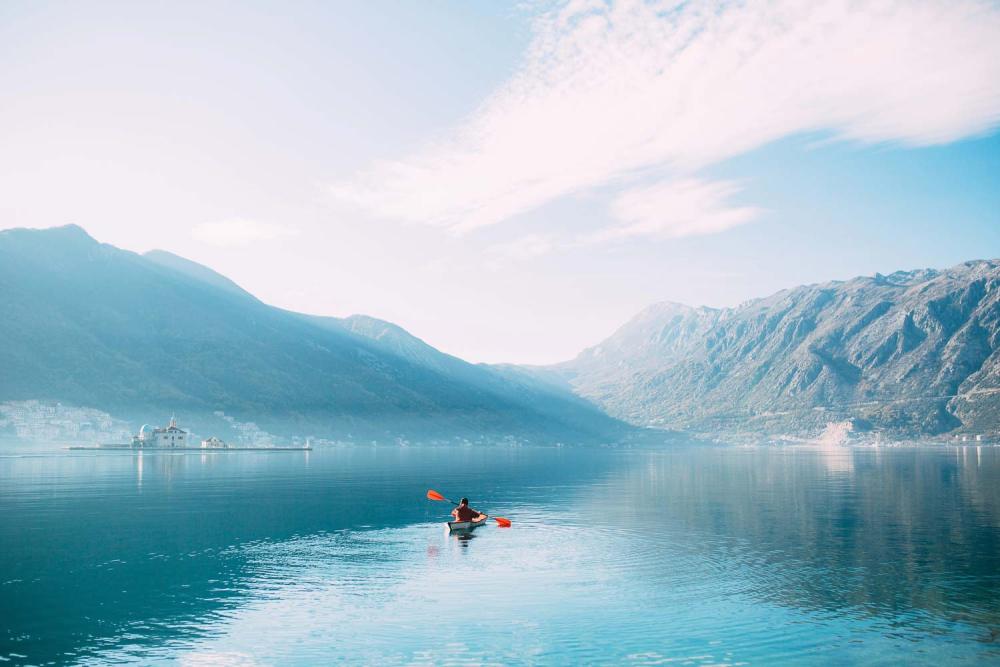
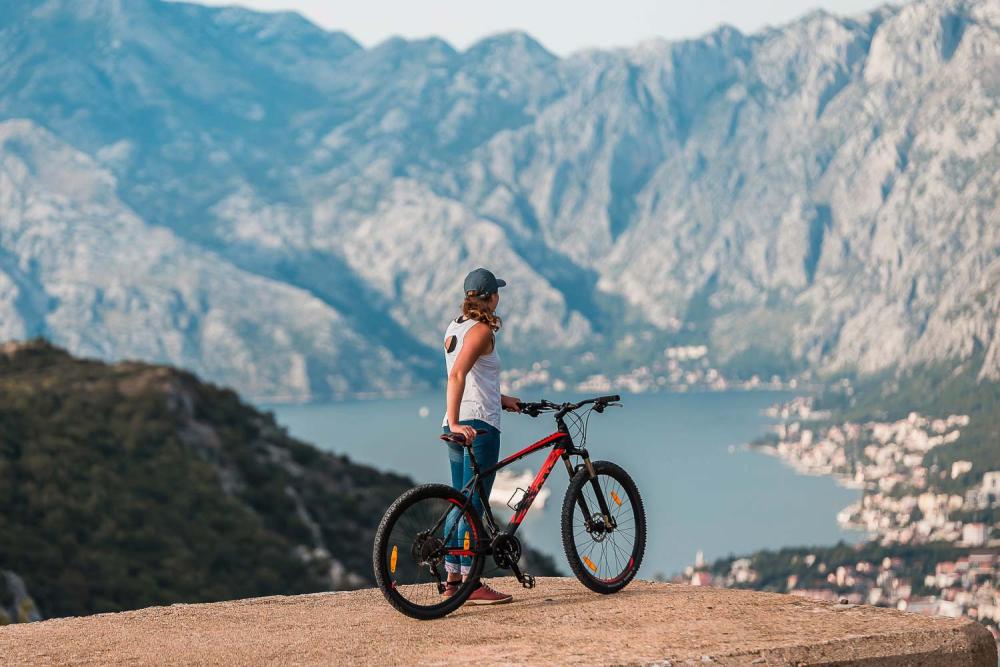
We can have a sunny October and temperatures of 23 degrees. We can have the sea, mountains, national parks, wineries, olive groves, lakes, old towns and one of the most diverse landscapes imaginable within such a small area. But guests gain little from everything we have to offer if the hotel closes on 1 October, the restaurant shortens its opening hours, the direct flight disappears, excursions are no longer organised, attractions operate for only a few hours a day, or the entire destination gives the impression that the season is over. Because a destination does not become off-season when the temperature drops. It becomes off-season when it closes.
And therein lies one of the greatest paradoxes of Montenegrin tourism. For years, we have said that we want a longer season, and then we make it very clear to our guests exactly when we consider that season to be over.
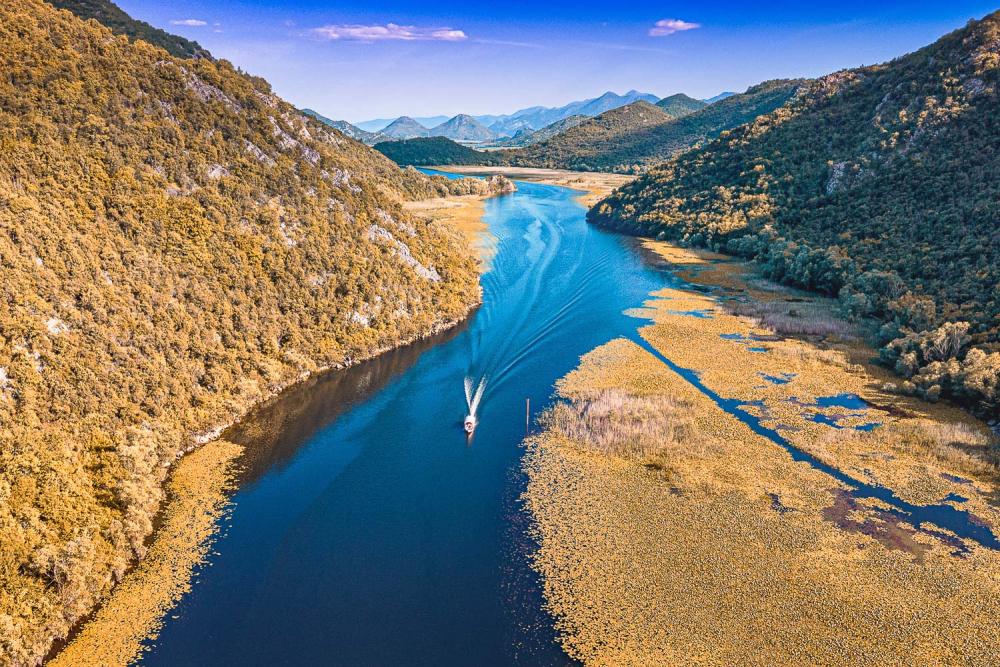
And that may be precisely when Montenegro is at its best. The Bay of Kotor without August traffic jams. Old towns you can actually walk through at a normal pace. Lake Skadar. Durmitor. Prokletije. Lovćen. Wine routes. Grape harvests. Olives. Local cuisine. Hiking. Cycling. Kayaking. Wellness. Culture. Smaller towns and villages that remain completely overshadowed by the coast during summer. And perhaps most importantly – the opportunity for guests to finally see the country itself, rather than just its tourist crowds.
The global trend is moving precisely towards this kind of travel. Autumn is no longer being sold as a compromise for those who were unable to travel in summer. Increasingly, it is becoming a conscious choice. So the question is no longer whether Montenegro can extend its season. The real question is:
What can you experience in Montenegro in October that you cannot experience in August? Only when we have a good answer to that question will we have a genuine tourism product for the period after summer.
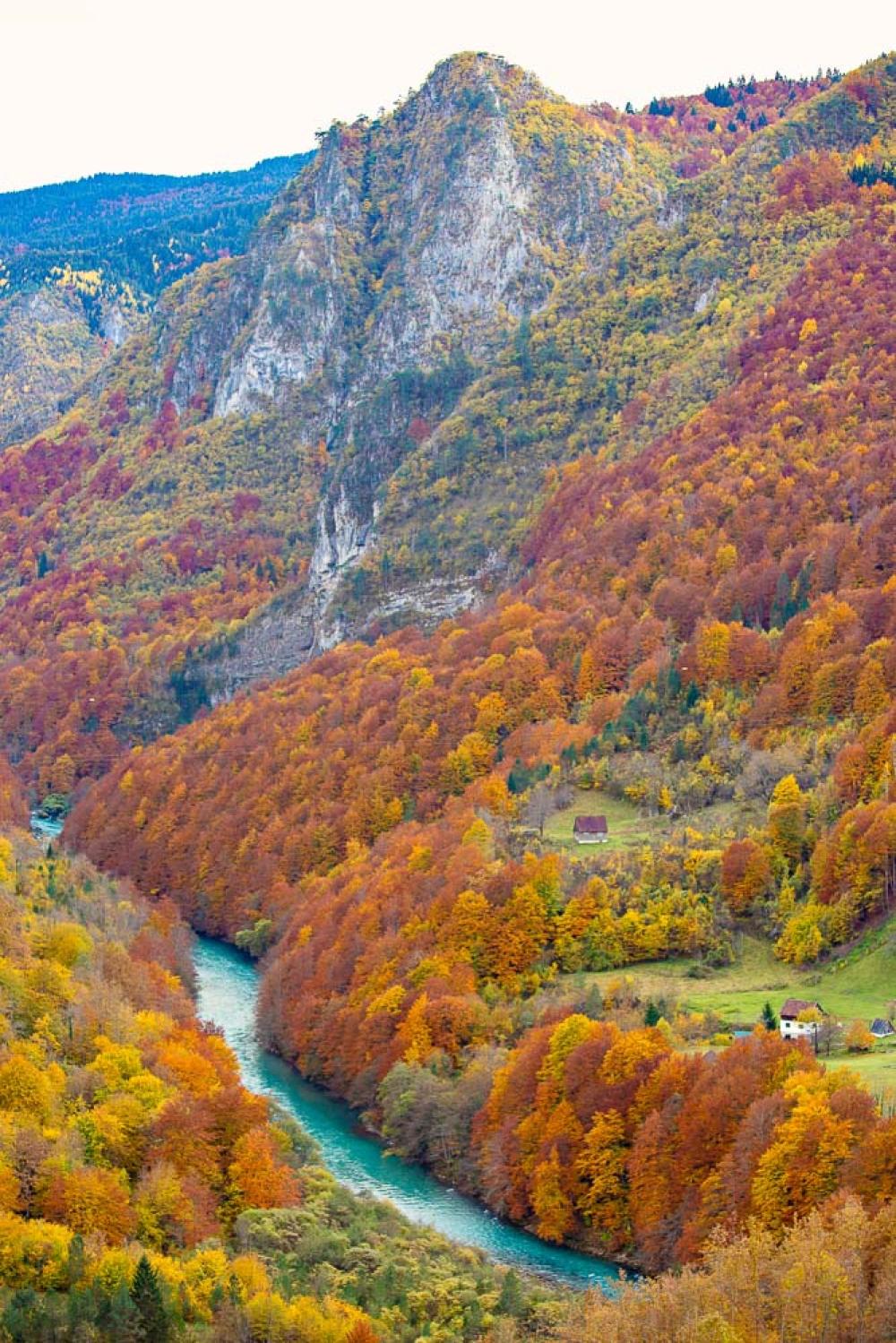
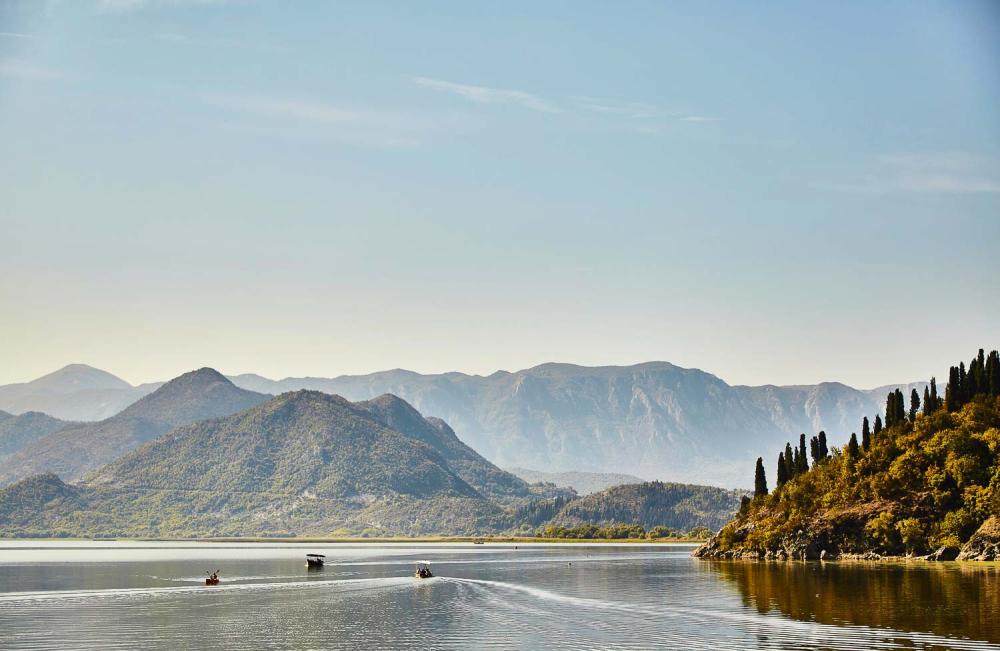
Air connectivity
First, the guest has to be able to get here. Without stable air connections, the entire idea of year-round tourism remains limited to markets within driving distance.
Open hotels and restaurants
A destination that wants guests in October must also function in October. It is not enough for a hotel to keep its doors open if there is no life around it.
A reason to travel
Wine, gastronomy, outdoor activities, culture, wellness, events, festivals, architecture, nature – guests need an answer to the question: why now?
A unified and visible calendar
Travellers who want to visit must be able to easily find out what they can do, where they can go and what will be open. Information is part of the tourism product.
A different price – but above all, a different experience
October should not be sold as August at a discount. Its value lies precisely in the fact that it is not August.
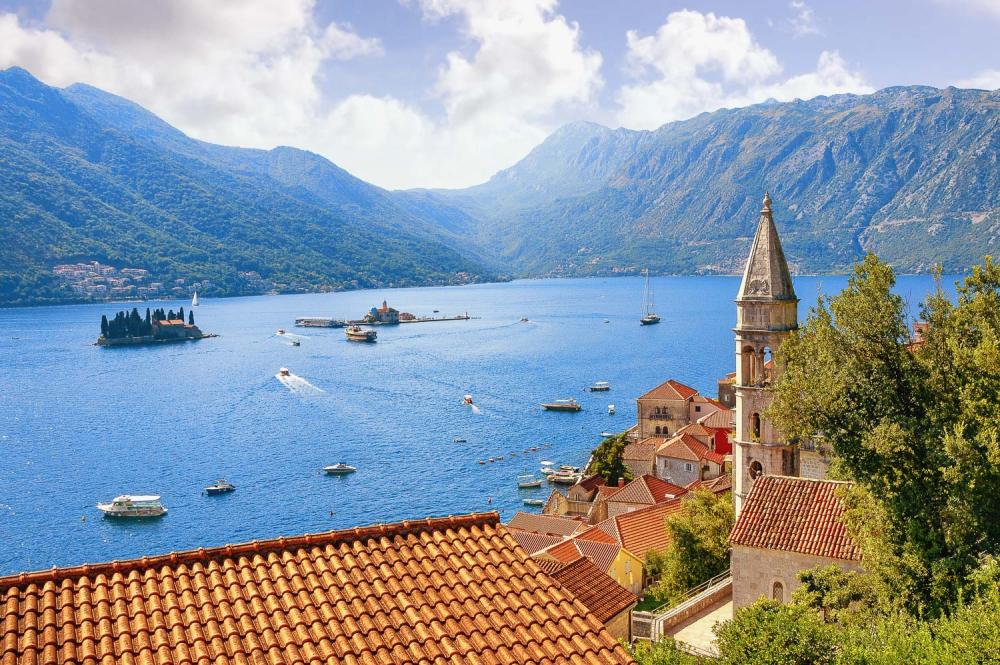
Montenegro’s summer already shows us just how narrow the limits of tourism growth can be. Traffic, infrastructure, beaches, airports and public spaces operate at the limits of their capacity during the busiest weeks. So perhaps the greatest opportunity for Montenegrin tourism is no longer finding one more free spot on the beach in August. Perhaps it is precisely the opposite. Showing guests the country when the beach is no longer the main reason for coming.
Montenegro in October is not a poorer version of Montenegro in August. In many ways, it is better. Quieter. More accessible. Closer to local life. More flavourful. And perhaps more authentically itself. The world, it seems, has begun looking for exactly these kinds of destinations. The only question is – will we be open when it arrives?
Interestingly, some tourism companies around the world are even trying to move away from the term “low season”. Condé Nast Traveler, in its analysis of sustainable tourism trends for 2026, highlights destinations and operators that are turning periods traditionally considered low season into distinct tourism products. In Costa Rica, for example, the rainy season is promoted through wildlife and natural cycles, while safari companies connect different periods of the year with phenomena that make travelling at precisely that time worthwhile. The changing language of tourism marketing actually reflects a change in the way the industry thinks. What is being sold is no longer what is left after the main season. What is being sold is the reason it is worth coming at precisely that time. That may be the most important lesson of all for Montenegro. Because as long as we treat October as an extension of something that has already ended, guests will see it that way too. But if we give them a reason to come specifically in October, then October is no longer the off-season. It becomes a season of its own.