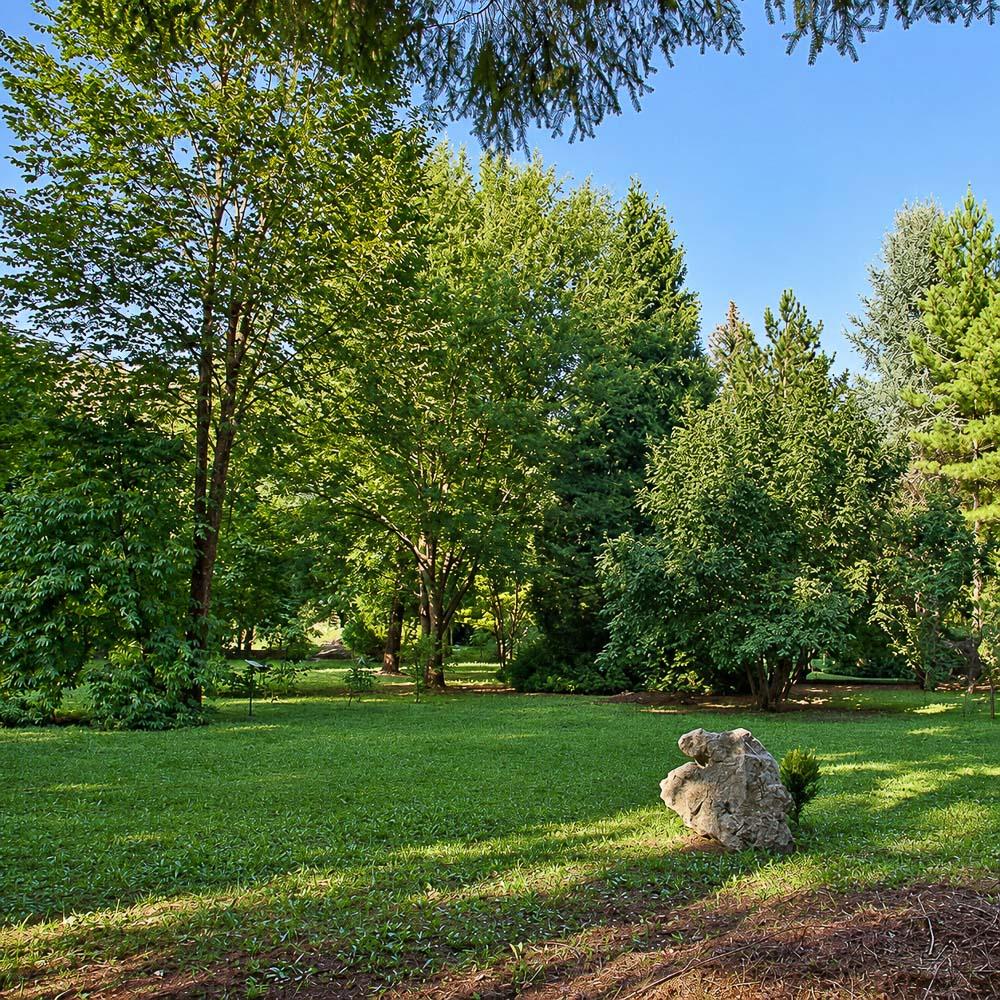
The Arboretum, which Lieutenant General and National Hero Vojo Kovačević began creating in the late 1950s, once contained around 140 plant species. His grandson, Vuk Kovačević, plans to restore the botanical garden, build bungalows and develop active tourism, while also bringing the entire Grahovo community together.
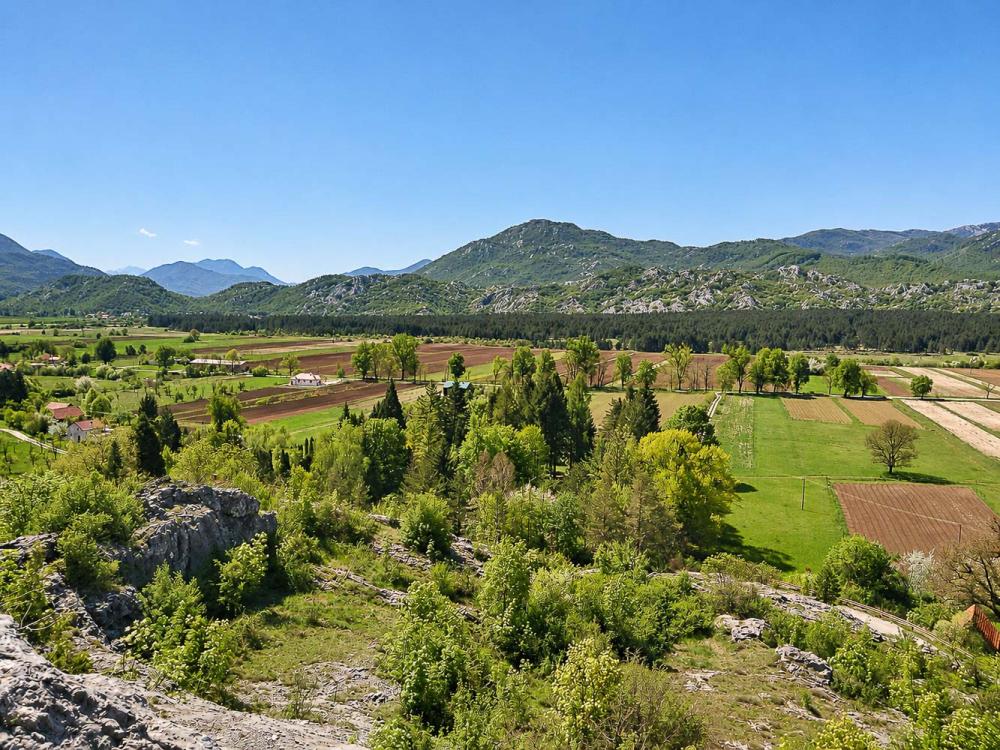
In Grahovo, at an altitude of around 700 metres, an unusual green oasis has been growing for more than six decades. The Kovačević family Arboretum is not merely a collection of different species of trees and ornamental plants, but also a living family chronicle, a testament to a love of nature and a potential foundation for developing a new tourism offer in the area.
The owner of the Arboretum, Vuk Kovačević, was born in Belgrade, but his earliest memories are inseparably connected with Grahovo. He spent his summer holidays with his grandfather Vojo Kovačević, from whom he learned about plants, nature and the richness of the Grahovo landscape.
– I became interested in Grahovo, the garden and nature from a very young age. I spent my summers here, spending time with my grandfather and learning from him about plants, nature and the diversity of this area. After his death, I continued coming here, and today I am teaching my own children to love Grahovo, to spend time here, enjoy nature and protect it. That is how the story continues – Kovačević said.
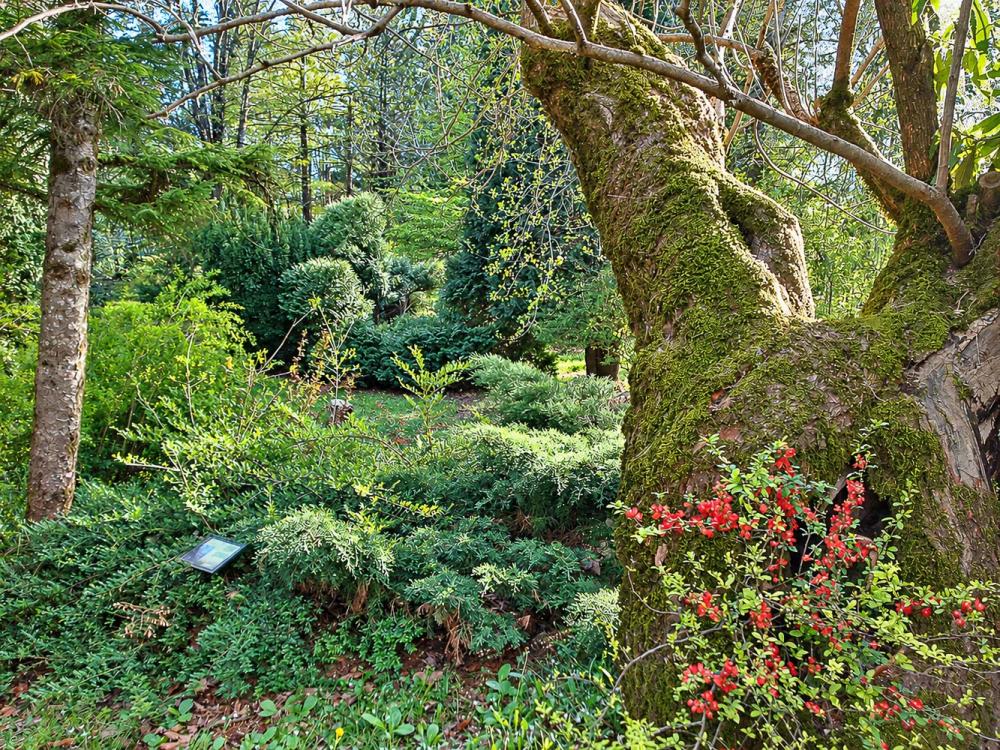
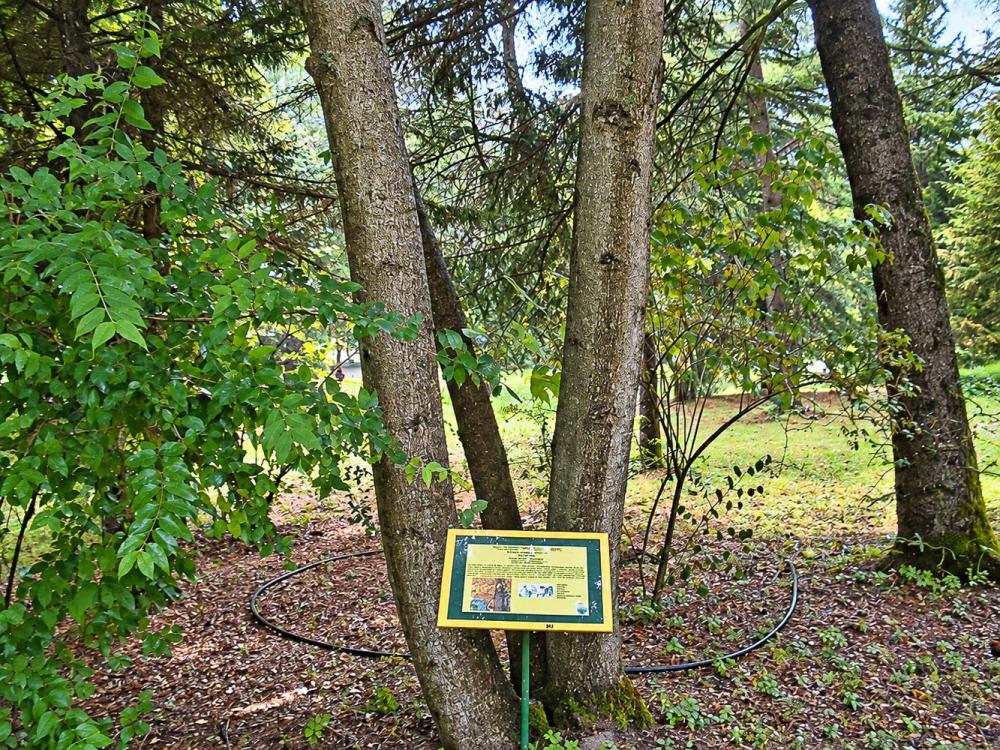
The Arboretum began taking shape in the late 1950s, with most of the planting completed by the end of the 1960s. According to his grandson, Vojo Kovačević spent approximately ten years devotedly shaping a space that had originally been conceived as an orchard.
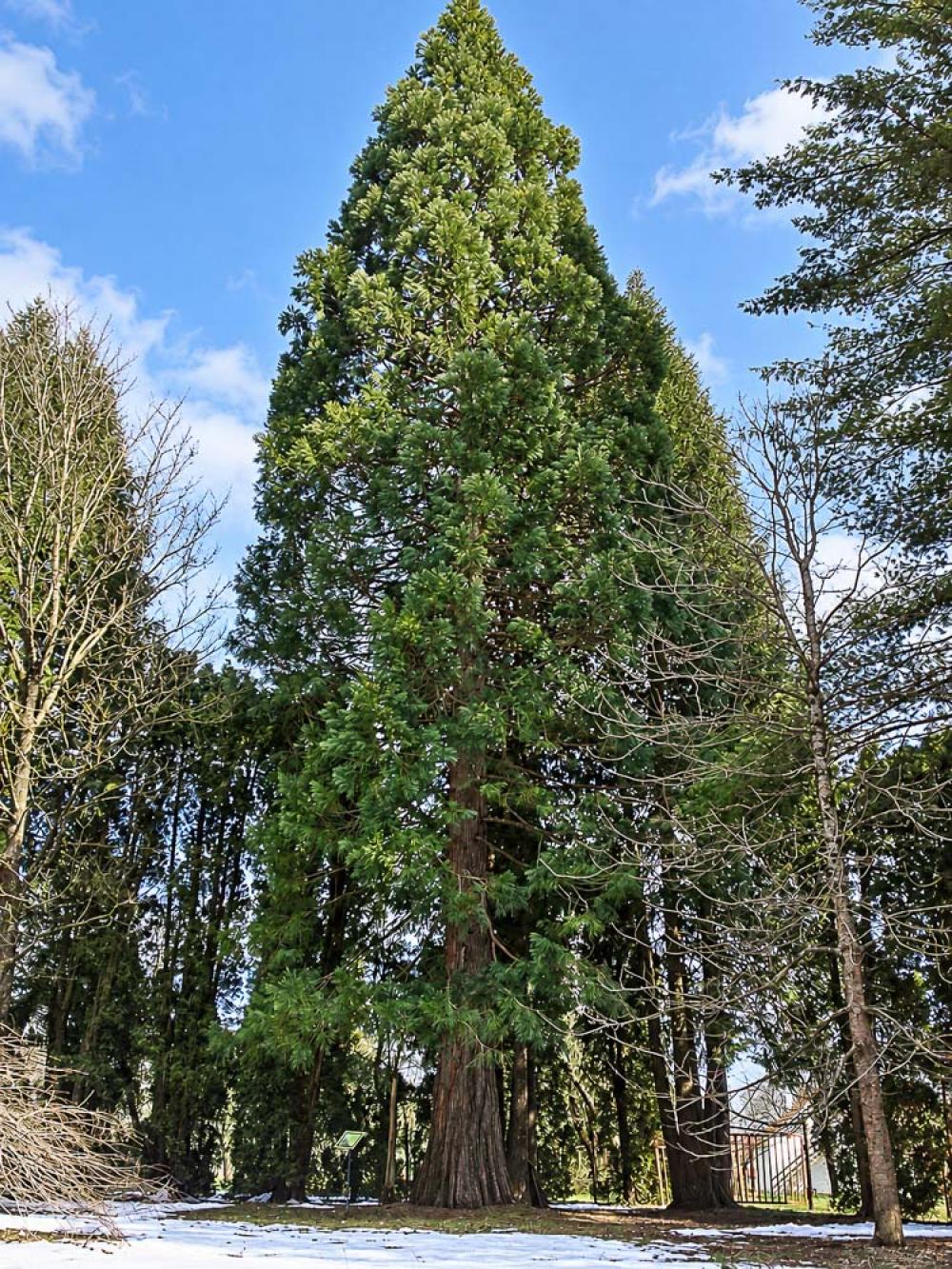
However, visitors would often pick the fruit, break branches and damage the trees. Kovačević noticed that no one touched the conifers and ornamental plants, so he decided to change his original idea. He removed most of the fruit trees, preserving only a few old specimens that were important to the family’s history, and began planting different species of conifers, deciduous trees, shrubs and climbing plants.
Most of the plants came from the former nursery on Avala, which during the Yugoslav era had an exceptionally rich collection of plant species.
– Unfortunately, that nursery no longer exists, but at the time it had an impressive selection. It was probably one of the largest nurseries in Yugoslavia. My grandfather brought different plants from there and gradually created the Arboretum – Kovačević explained.
His grandfather, Vojo Kovačević, was a lieutenant general, a National Hero, a recipient of the Partisan Commemorative Medal and numerous other decorations. His military service took him to several cities, including Skopje, Niš and Belgrade. Vuk’s father was born in Skopje, while the family later settled in Belgrade, where Vuk was also born.
After retiring, Vojo Kovačević began spending more and more time in Grahovo. He would spend at least six months of the year in his native region, and often even longer.
– As soon as winter passed and the first sunshine appeared, my grandfather would come to Grahovo. Sometimes he spent seven or eight months of the year here. The Arboretum was his great love, and that love was passed down to the entire family – Kovačević said.
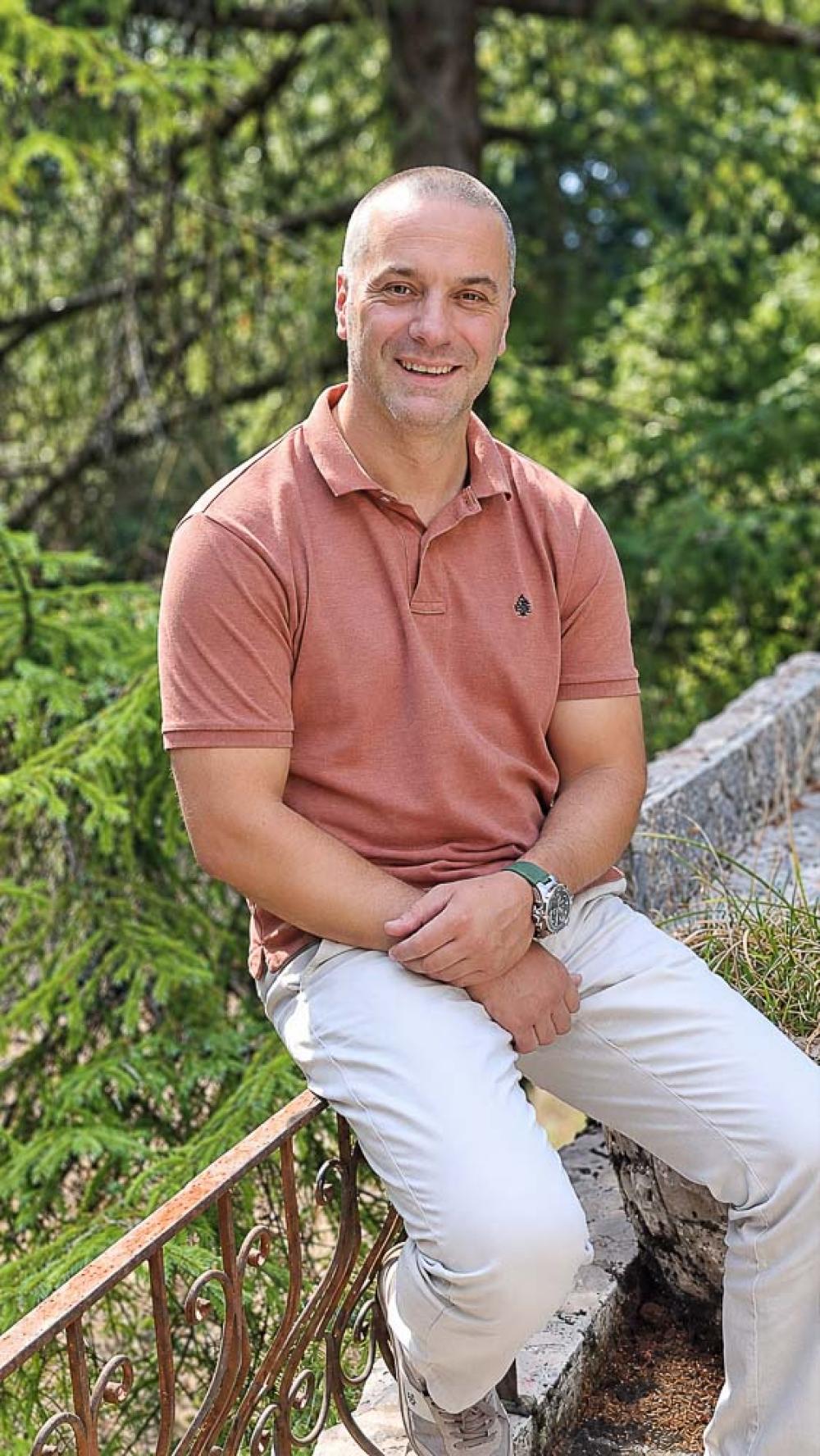
Although he was born and raised in Belgrade, Vuk Kovačević’s work brought him to Montenegro in 2010. He works in the hospitality industry, and what initially seemed like a temporary professional engagement eventually became a permanent return.
He started a family in Montenegro and has two sons. The children attended school in Tivat, while his older son continued his education at the Maritime School in Kotor. Both are involved in sports, but, as Kovačević says, they also enjoy spending time in Grahovo.
His wife works in finance within the hospitality industry. She does most of her work online, so the family is already considering spending most of their time in Grahovo in the future.
Kovačević wants to connect the restoration of the Arboretum with the development of active and sustainable tourism. On approximately 4,000 square metres of family-owned land located above the house and botanical garden, he plans to build several bungalows.
In addition to accommodation and homemade food, visitors would be offered excursions, walks, tours of Orjen, old fortifications, viewpoints and other natural, cultural and historical attractions in Grahovo and the wider area.
– I would like us to develop active tourism, organise stays in nature and excursions, and introduce visitors to this region. Our natural wealth must come first. Montenegro presents itself as a wild beauty, and I believe nature is precisely what we should be most proud of – Kovačević emphasised.
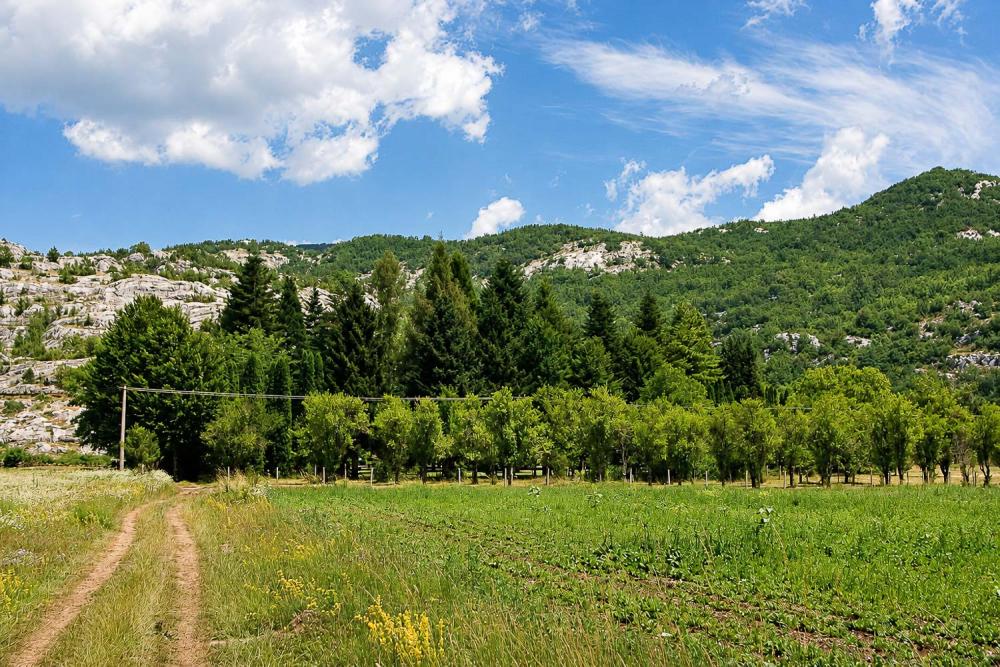
In his view, Grahovo has an exceptional location for tourism. Situated at around 700 metres above sea level, it enjoys more pleasant temperatures than the coast even during the hottest summer months. At the same time, the sea can be reached in about twenty minutes.
Three international airports – Tivat, Podgorica and Dubrovnik – are also within a relatively short distance. This location, combined with natural beauty, cultural heritage and a growing number of accommodation options, creates an opportunity for Grahovo to become an important stop for visitors seeking more than a traditional seaside holiday.
– In recent years, a number of bungalows and rental houses have been built, so accommodation capacity already exists. Grahovo is becoming more recognisable, and tourism is slowly beginning to develop in the right direction. In summer, you can enjoy the pleasant coolness here and reach the sea in a very short time – Kovačević said.
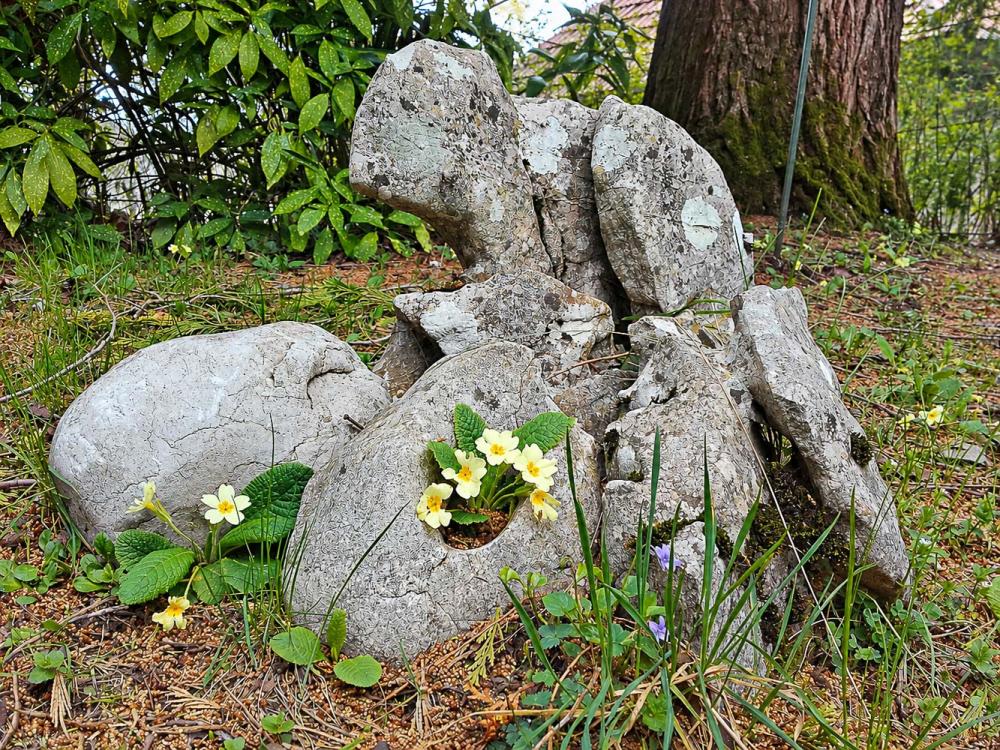
At its peak, the botanical garden contained between 130 and 140 different plant species, with around 250 individual trees and plants. Due to a lack of regular maintenance, weather conditions and the loss of certain plants, that number is lower today.
Kovačević estimates that around 230 trees and plants have been preserved, representing approximately 110 to 115 different species.
– Maintenance fell to just a few people, and it was not easy to preserve everything. I know what dried out and what was lost over the years. Still, most of the Arboretum has survived, and now we need to create a plan for its restoration and introduce new species – he said.
Before organised visits can begin, the gates need to be repaired, new signs with the names and information about the plants installed, the paths improved, and someone appointed to welcome visitors.
The gates, he says, have been repaired many times, but irresponsible visitors repeatedly damaged them. For that reason, he believes it is not enough simply to open the grounds and charge admission; guests should be offered an organised and meaningful visit.
The admission fee would be symbolic, while children would continue to enter free of charge. Part of the money raised from ticket sales would be used for the continued maintenance and enrichment of the Arboretum.
Kovačević is also considering a model under which part of the revenue would be directed to a dedicated account for the local community and used to improve public spaces in Grahovo. Possible projects include improving the area around Grahovo Lake, creating walking paths, clearing and maintaining forests, and developing new amenities for residents and visitors. Special attention, he says, should be given to the man-made forest established thanks to initiatives led by his grandfather Vojo Kovačević and the former forestry organisation. Over the years, the forest has become overgrown, so vegetation needs to be cleared, trees pruned and the area maintained to allow it to continue developing naturally.
Kovačević would like to involve the Grahovo local community and the Municipality of Nikšić in bringing these ideas to life. He is aware that the local authorities and the state face many other challenges, which means restoring the botanical garden can hardly be among their top priorities, but he believes the Arboretum should not be viewed in isolation.
– My wish is not simply to improve my own property and create a business for myself. We have to grow as a community for all of this to make sense. There are good local farms in the surrounding area, quality homemade products and people who have something to offer. Everyone should focus on what they do best, and then all of that can be brought together into a serious tourism offer – Kovačević emphasised.
Products from Grahovo and its immediate surroundings would be given priority within the planned tourism offer. His intention is to provide guests with an authentic experience, homemade food and opportunities to meet local producers, rather than creating an offer disconnected from the community in which it exists. In this way, farmers, local households, food producers, accommodation providers and other residents of Grahovo would all benefit from tourist arrivals.
Kovačević hopes that in the near future he will be able to reorganise his work and gradually relocate it entirely to Grahovo. His wish is to devote himself to the Arboretum, active tourism and projects that could contribute to revitalising the entire area.
– I hope that in the coming period I will be able to move most of my time and business activities to Grahovo. I want to see everything that can be done for this community. I am still learning, talking to people and listening to their experiences, because only by working together can we create a story that will last – Kovačević concluded.
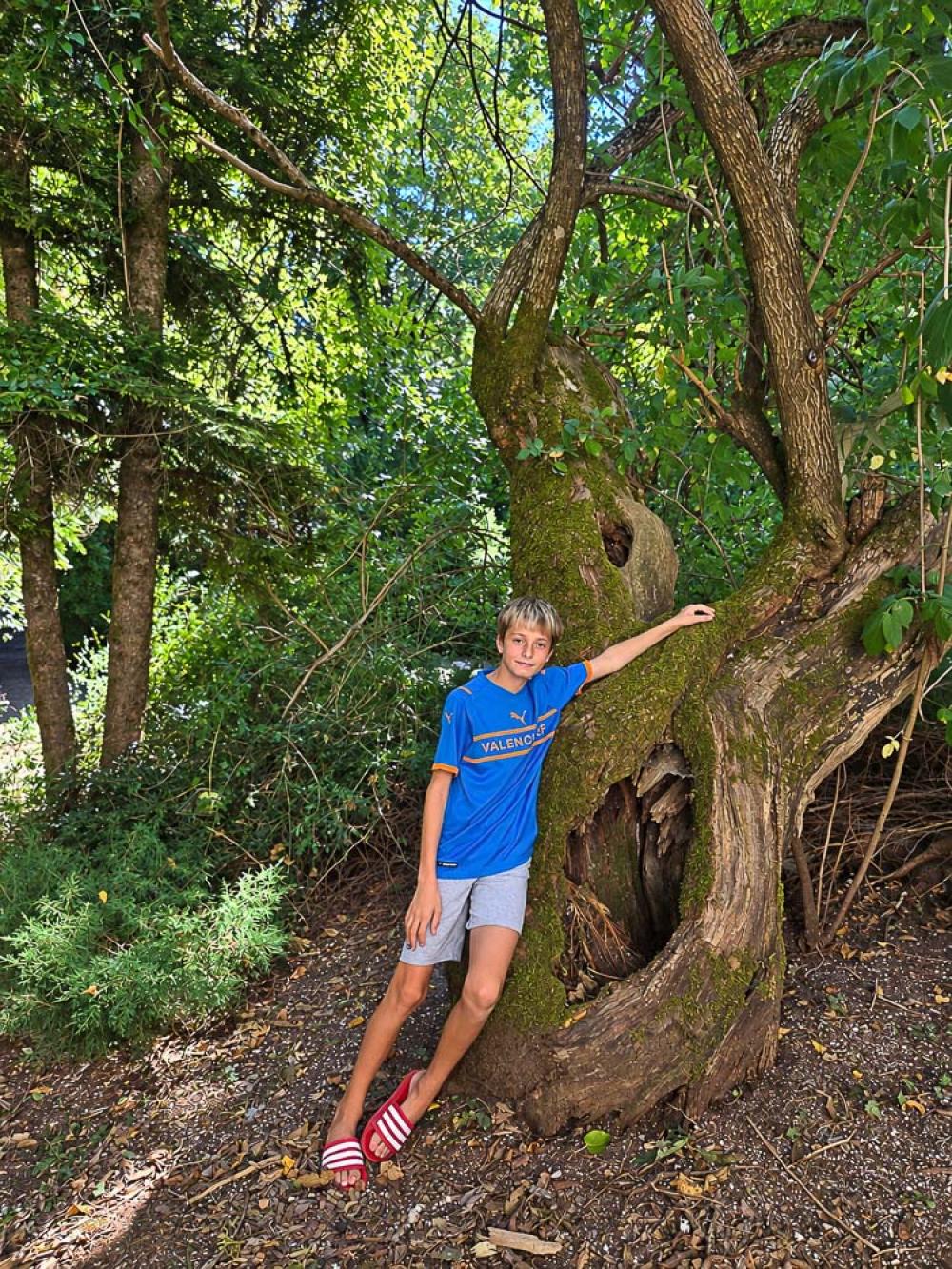
As he cuts dry branches and helps care for the garden, Kosta Kovačević, son of Vuk Kovačević, owner of the Arboretum in Grahovo, already shows just how deeply connected he is to this place. Football is his great dream, but Grahovo is the home he wants to return to, no matter where life may take him.
– If I do not succeed in football, I will live here. If I do succeed, I will send money to make sure the Arboretum is protected and maintained, and when my football career is over, I will come back. I will always live here, until the end. It really is beautiful – Kosta says, with the honesty and simplicity of a child.