Aligning its visa policy with that of the European Union is an important step for Montenegro. For the tourism industry, however, what matters just as much is how the new rules will work in practice: how long visitors will have to wait for a visa, where they will be able to apply, and whether additional procedures might prompt them to choose another destination.
A holiday begins long before a guest arrives at a hotel. It begins with choosing a destination, searching for flights and booking accommodation. At that stage, even one additional requirement can influence a traveller's decision. For Montenegro, whose economy relies heavily on tourism, a change in the visa regime therefore carries implications that extend far beyond administrative procedures.
According to information from the Ministry of Foreign Affairs cited in the material provided, from 1 November 2026, citizens of Russia, Türkiye, Belarus, China and Saudi Arabia will require visas to enter Montenegro. Alignment with European visa policy is linked to meeting the closing benchmarks under negotiating Chapter 24 – Justice, Freedom and Security.

– Tourism cannot afford barriers – warns Dragan Purko Ivančević, a member of the Tourism and Hospitality Committee of the Chamber of Economy, speaking to Caffe Montenegro.
His message highlights a straightforward market reality: the quality of hotels, natural beauty and effective promotion have less impact if reaching a destination becomes complicated.
– A visitor who has to go through complicated visa procedures can very easily choose Türkiye, Greece, Croatia or another destination that is more accessible. And once we lose a market, bringing those visitors back is neither quick nor easy – Ivančević stated.
According to him, the introduction of visas should not be viewed solely as a diplomatic or political issue.
– Above all, it is also a serious economic issue, with potential consequences for hotels, travel agencies, private accommodation providers, hospitality businesses, air transport and numerous other companies that depend on tourism – he emphasised.
Ivančević said that additional barriers were particularly concerning because they were being introduced for markets that are already important to Montenegrin tourism or have considerable potential for its further development.
– The Russian market has played an important role in Montenegrin tourism for years, while Türkiye, China and the Gulf countries offer opportunities to attract new visitors, extend the season and develop higher-quality, year-round tourism – Ivančević said.
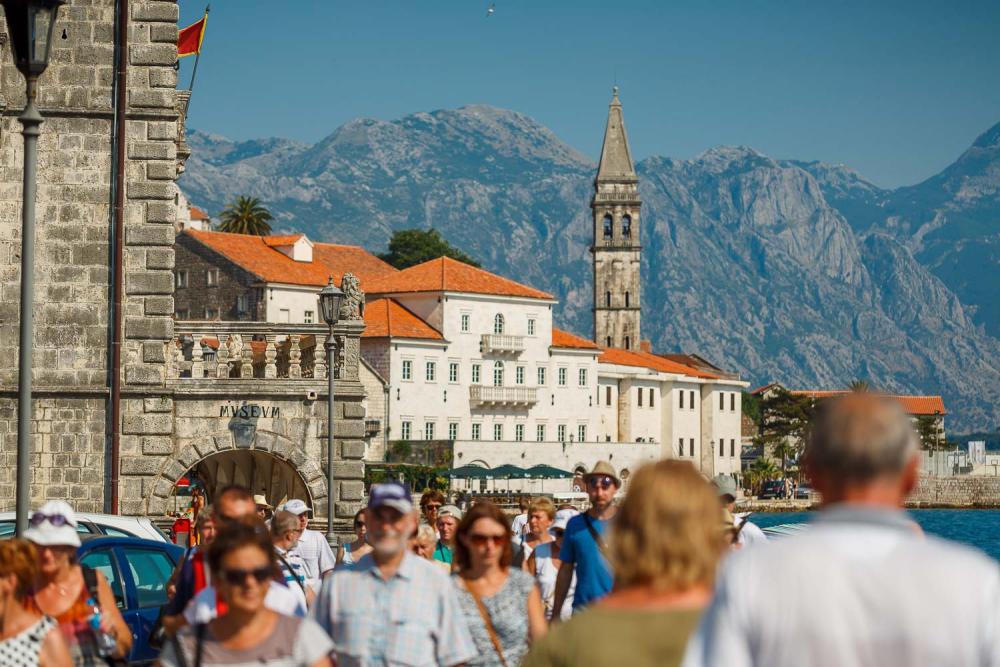
He argued that it was inconsistent to advocate extending the tourism season, attracting visitors from new markets and increasing revenue while simultaneously introducing obstacles that make their arrival more complicated.
– This is a contradiction we need to examine seriously – he said.
Ivančević explained that he understood Montenegro's obligations towards the European Union, but expected them to be implemented with greater consideration for their consequences for the economy.
– It is not enough to adopt a decision and simply declare that we have fulfilled European requirements. We also need to answer the question of who will bear the costs of that decision if visitor numbers fall, business turnover declines and revenue is lost – he stated.
He expects the Government to provide a clear assessment of the economic consequences, concrete measures to protect the tourism market, and a fast, efficient and accessible visa issuance system.
– If we must introduce a visa regime, then we must do everything possible to ensure that it does not become an obstacle to tourism and investment – Ivančević said.
In his view, Montenegro must not become a country that dutifully fulfils administrative requirements while neglecting the interests of its own economy.

The consequences of a potential decline in demand would not be felt by hoteliers alone.
Fewer visitors would also mean fewer bookings in private accommodation, less business for travel agencies, restaurants, transport providers and excursion organisers. Visa policy therefore affects the entire tourism service chain.
The importance of the markets concerned is illustrated by figures presented at a Chamber of Economy roundtable by Luka Bulatović, Deputy Chairman of the Tourism and Hospitality Association Committee.
According to these figures, visitors from Russia accounted for approximately 1.82 million overnight stays during the first eight months of 2026, representing around 15 per cent of the total. Visitors from Türkiye accounted for approximately 315,000 overnight stays.
These figures explain why the tourism industry is calling for timely preparation. Markets that have filled accommodation capacity for years cannot easily be replaced within a single season.
Petar Golubović, Director of the Centre for Tourism Research and Development, presented an estimate to Caffe Montenegro suggesting that tourists from the markets affected by the changes accounted for between 20 and 21 per cent of total visitor numbers in the previous year under review. The Centre considered a scenario in which tourist numbers from these markets declined by 20 per cent. According to the calculations presented, this would result in a 3.8 per cent reduction in total overnight stays.

Golubović stated that maintaining the projected annual volume of approximately 16.5 million overnight stays would require growth of 4.75 per cent from other markets.
These figures should be understood as an illustration of potential risk.
They do not mean that Montenegro will necessarily lose one fifth of its visitors, nor that total overnight stays will decline by 20 per cent.
Rather, they demonstrate how even a partial decline in important markets would require additional growth elsewhere.
And achieving that growth requires time, promotion, cooperation with tour operators and sufficient air connections.
As a response to potential difficulties, the Ministry of Foreign Affairs has announced plans to expand the network of visa application centres through cooperation with VFS Global. The aim is to allow travellers to submit applications closer to where they live, without having to make an additional journey to a Montenegrin embassy or consulate.
A new visa information system has also been announced, with the aim of introducing electronic application submission.
For the tourism industry, the value of these solutions will be measured by how effectively they are implemented.
Travellers and agencies need clear information: which documents are required, how long the procedure takes, what the costs are and when a decision can be expected.
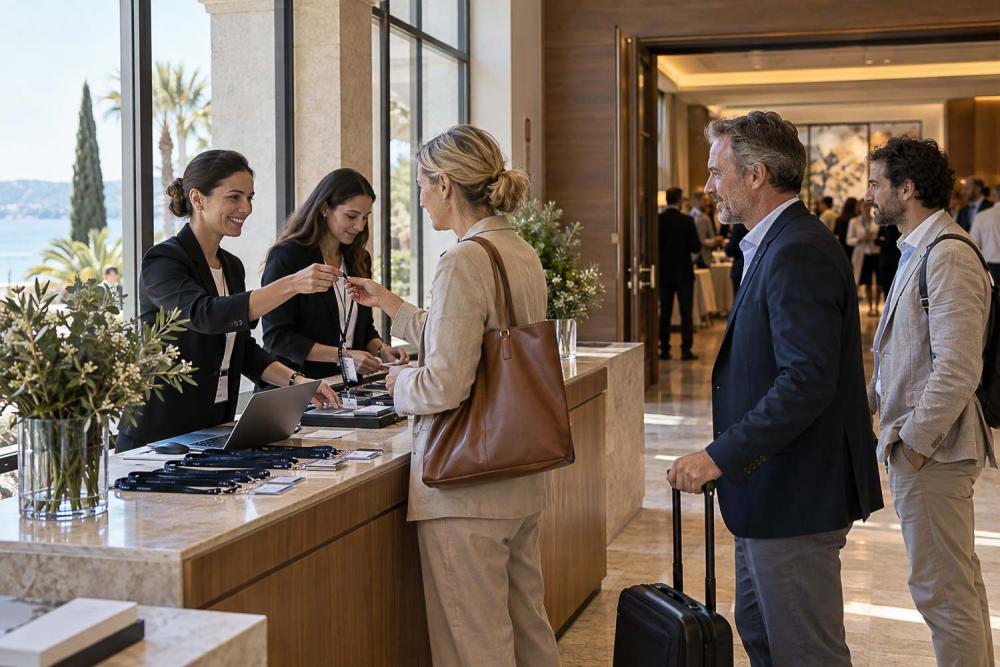
Conference and congress tourism is particularly sensitive to these changes.
Conferences, business gatherings and group travel are arranged in advance, so uncertainty surrounding participants' ability to enter the country can influence the choice of host destination.
For this reason, industry representatives have proposed considering group applications and solutions for events that have already been contracted, within the applicable regulatory framework.
At a recent Chamber of Economy roundtable, participants emphasised the need for better coordination between institutions and the tourism sector.
Their priorities include strengthening consular capacity, providing information in the languages of key markets, supporting travel agencies and monitoring the effects of the new rules.
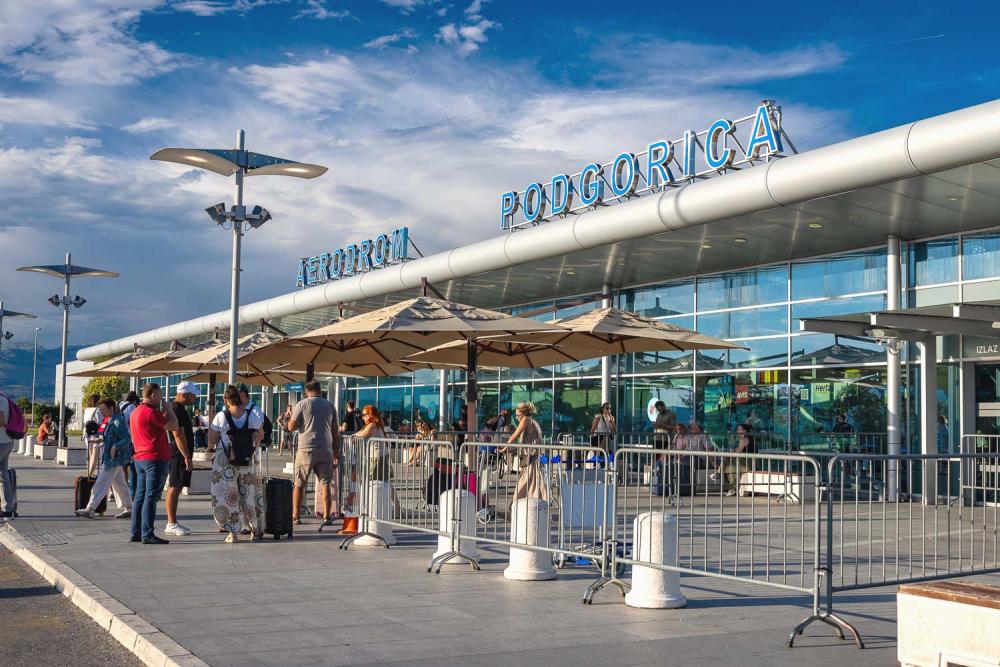
Air accessibility also plays an important role.
Preserving existing routes and developing year-round connections must accompany efforts to retain visitors and extend the tourism season.
Simpler visa procedures and good transport connections work together.
European integration and tourism development require a coordinated approach.
Success will also be reflected in the traveller's experience: whether they can obtain reliable information in good time, complete the necessary procedures and organise their holiday without unnecessary uncertainty.
For Montenegro, hospitality begins right there – before the border, before the reception desk and before the first words of welcome.