
The latest data from UN Tourism and Amadeus reveal how travel habits, tourism flows and competition between destinations are changing. While traditional tourism powerhouses retain their leading positions, emerging destinations are attracting international travellers in increasing numbers. Czechia and Iceland are recording significant growth in bookings, interest in Northern and Central Europe is rising, and travellers aged 46 to 65 represent the largest single age group in European tourism demand. Where does Montenegro fit into this changing landscape?
For decades, Europe has been the world's most important tourism region. Its cultural capitals, Mediterranean coastline, historic cities and natural attractions draw hundreds of millions of visitors, while tourism represents one of the key economic sectors in numerous European countries. However, behind the familiar picture of European tourism, changes are taking place that could significantly influence the position of individual destinations in the years ahead.
Spain, Italy and France retain strong international recognition, but the countries recording the fastest growth in interest and bookings are not necessarily those that have traditionally dominated the tourism market. Destinations in Central and Northern Europe, historic cities, lesser-known regions and places capable of offering travellers different experiences are attracting increasing attention.
This is demonstrated by the report Travel Insights 2026: Focus on Europe, prepared by Amadeus Travel Intelligence and the United Nations World Tourism Organization (UN Tourism), based on data covering passenger traffic, flight searches and bookings, hotel performance and traveller demographics.
According to the research, European passenger traffic increased by 2.3 per cent between May 2025 and April 2026 compared with the preceding 12 months. Hotel occupancy rose by 2 per cent, while the average daily hotel room rate increased by 7 per cent.
At the same time, UN Tourism data show that Europe recorded a 4 per cent increase in international tourist arrivals in the first quarter of 2026. Central and Eastern Europe achieved growth of 6 per cent, Southern Mediterranean Europe and Northern Europe each recorded 4 per cent, while Western Europe saw an increase of 2 per cent. These indicators confirm the stability of European tourism demand, but they also raise an interesting question: is the way travellers choose European destinations gradually changing?

One of the most interesting findings of the research concerns the countries experiencing the fastest growth in bookings. Why are travellers' interests changing, and which destinations are gaining importance?
While Spain remains the most searched-for and most booked destination among Europe's leading tourism markets, Czechia has emerged as the country with the highest year-on-year booking growth within the group analysed, at an impressive 18 per cent. Iceland follows with an increase of 11 per cent, while other destinations in Northern and Central Europe are also attracting significant interest.
These results are particularly interesting because they demonstrate that tourism appeal is not exclusively associated with traditional mass-tourism products.
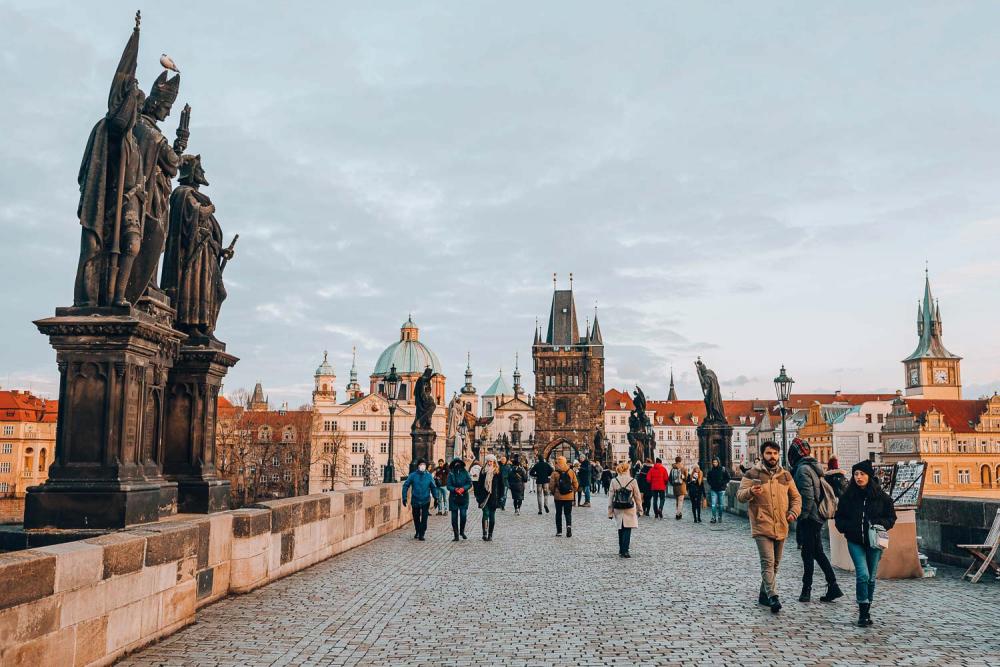
Czechia builds its international reputation on its cultural and historical heritage, city tourism, gastronomy, architecture and diverse regional experiences. Prague remains its best-known destination, but the country also offers numerous other cities, historic sites and attractions capable of appealing to different categories of visitors.
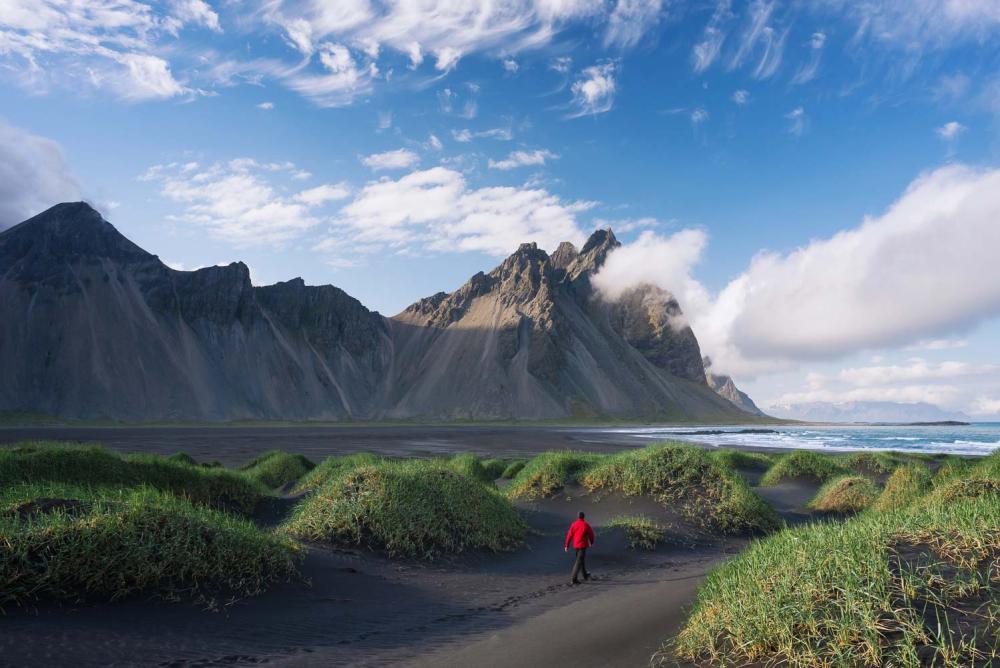
Iceland, on the other hand, bases its distinctive appeal on its extraordinary natural environment, landscapes, geothermal springs and experiences that differ from conventional European tourism offerings.
Although these two countries differ in many respects, their growth demonstrates the importance of a destination's ability to distinguish itself in the international market.
The increase in bookings for Czechia and Iceland does not mean that traditional tourism powerhouses are losing their dominant positions. On the contrary, they continue to attract the largest share of tourism flows. But it does show that opportunities for growth also exist for destinations capable of attracting attention through a different offering.

One of the important changes identified in international research concerns growing interest in experiences that are not necessarily part of conventional tourist itineraries. Visiting famous landmarks remains an important reason for travelling, but local culture, gastronomy, lesser-known places and activities that allow visitors to connect more directly with a destination are gaining increasing attention. Tourists do not always want simply to see what a particular country is famous for. They want to discover its way of life, explore what makes a place distinctive, absorb its atmosphere and experience something they cannot find in every other destination. This approach creates new opportunities for tourism regions that may lack the international recognition of major cities or Mediterranean resorts, but possess cultural heritage, interesting gastronomy and authentic local experiences. However, the fact that a place is less well known does not automatically make it more attractive to tourists. It is necessary to develop a high-quality offering, ensure accessibility, provide professional services and communicate clearly with the market. This is precisely the difference between a destination that has potential and one that succeeds in converting that potential into genuine tourism demand.
The modern tourism market rewards not only uniqueness, but also the ability to communicate it convincingly.
In addition to changes in destination choices, the Amadeus and UN Tourism research also points to significant shifts in outbound tourism markets. Japan stands out in particular. Searches for European travel originating from Japan increased by 62 per cent, while bookings rose by 19 per cent compared with the previous comparable period.
This figure is particularly significant because it shows that interest in European destinations is continuing to develop in long-haul markets. Other source markets recording booking growth include Denmark, with an increase of 11 per cent, and Egypt, with 8 per cent. At the same time, particularly interesting figures emerge from destination searches. Uzbekistan and Tajikistan each recorded a 64 per cent increase in interest, while searches for Switzerland and Sweden rose by 36 per cent each, Denmark by 34 per cent, Ireland by 33 per cent, Belgium by 32 per cent and Norway by 31 per cent. Of course, an increase in online searches does not mean that all this interest will translate into actual bookings.
Nevertheless, such indicators provide an important signal to tourism organisations and businesses because they reveal where new demand is emerging. Destinations that recognise interest from particular markets early enough can adapt their promotional activities, develop suitable tourism products and work towards improving air connectivity.
For countries seeking to attract new categories of international tourists, understanding such data is becoming an increasingly important part of tourism strategy.

Perhaps one of the report's most interesting findings concerns the age structure of travellers.
According to Amadeus data, people aged between 46 and 65 account for approximately 30 per cent of total tourism demand in Europe, making them the largest single age group in the dataset analysed. Their share is somewhat more pronounced in major city destinations such as London, Paris and Madrid.
This finding is significant for a tourism industry whose promotional campaigns often place considerable emphasis on younger generations, social media and new styles of travel. Middle-aged and more mature travellers represent a highly important category, with specific interests, expectations and spending patterns. Previous Amadeus research suggests that travellers in this age group are particularly interested in cultural heritage, authentic local experiences, gastronomy, wellness and a more meaningful connection with the destinations they visit. For some of these travellers, a journey is not merely an opportunity to relax, but a way to discover new cultures, broaden their experiences and spend time enjoying activities that reflect their interests.
They do not necessarily seek the most expensive hotel or an exclusive tourism product, but accommodation quality, reliable service, good organisation and a rewarding stay may be particularly important to them. For tourism destinations, this raises the question of how well their offerings actually meet the needs of different generations.
It is not enough to attract the attention of younger travellers or develop activities intended for only one category of guests. A successful destination must understand different travel motivations and offer experiences that appeal to a broad range of interests.

Changes in travel habits can also be seen in the way trips are booked.
According to the report, approximately 53 per cent of bookings for Southern and Mediterranean Europe are made at least one month before departure. The largest single share, around 26 per cent, consists of bookings made between 61 and 180 days in advance.
At the same time, a significant part of the market operates quite differently. Around 29 per cent of bookings are made between one and 14 days before departure, while a further 17 per cent are made between 15 and 30 days in advance. This demonstrates that different patterns of behaviour coexist within the same tourism market. One group of travellers plans holidays carefully, compares offers and books well in advance.
Another prefers to leave the decision until shortly before departure, depending on available free time, prices, accommodation availability or attractive deals. For hoteliers, travel agencies and destination management organisations, this distinction provides valuable business information. Early bookings allow for better capacity management and revenue planning, while last-minute demand creates opportunities for flexible packages, promotional offers and dynamic pricing. Successful tourism sales therefore increasingly depend on understanding guests' specific habits, rather than simply relying on an overall increase in interest in a particular destination.
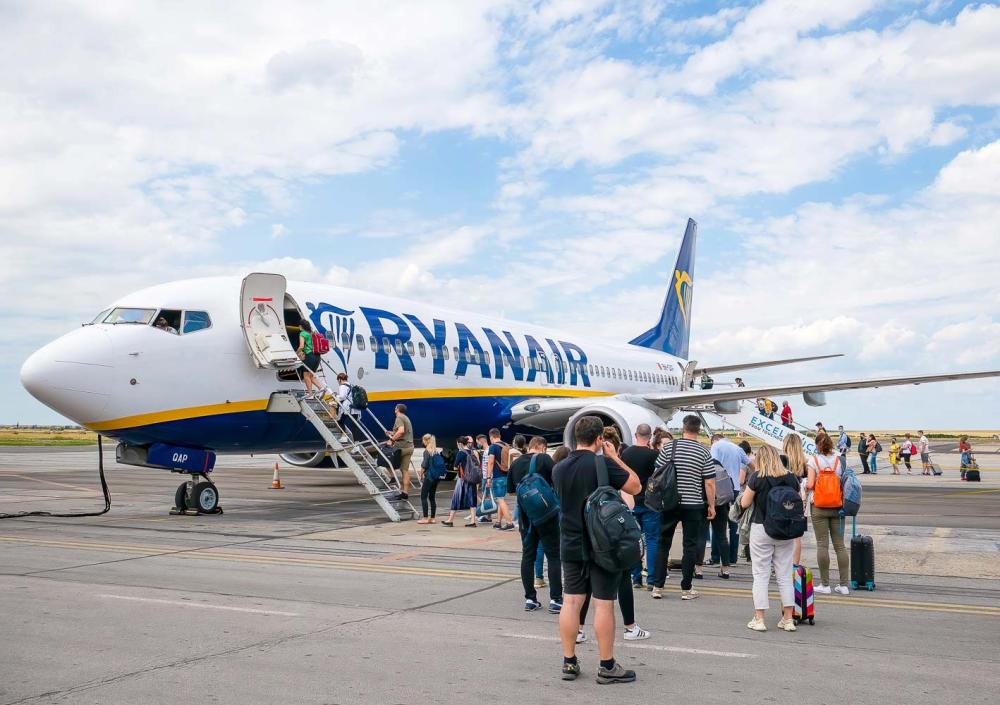
International tourism competitiveness does not depend exclusively on the quality of natural and cultural attractions. Destination accessibility, the number of air routes, transport costs and the ease of organising a journey often have a decisive influence on travellers' decisions. The report's data show that Southern and Mediterranean Europe are experiencing particularly intensive development in air connectivity. During the previous year, approximately 1,100 new air routes were established across this wider region, with Germany, France, Italy and Spain standing out among the important source markets.
New connections are also developing between European and more distant markets, including certain routes linking Europe with Africa and Asia. This development further demonstrates that a tourism destination must work simultaneously on the appeal of its offering and its accessibility. Even the finest hotel or an exceptional cultural attraction may not be enough if reaching the destination requires complicated connections, high costs or a considerable loss of time. For smaller tourism countries, air connectivity is a particularly important development issue because it can influence the competitiveness of an entire destination.
Nevertheless, a new air route alone is no guarantee of tourism success. It must be supported by market demand, a high-quality offering and the destination's ability to convert interested travellers into actual visitors.


The changes taking place in the European tourism market are particularly interesting for Montenegro. Within a relatively small area, our country offers an exceptionally diverse tourism experience: a Mediterranean coastline, historic towns, mountain regions, national parks, cultural heritage and a rich gastronomic tradition. This diversity could represent an important advantage at a time when interest is growing in destinations that offer more than one recognisable tourism product.
However, having potential and successfully realising its market value are not the same thing. Montenegro is best known internationally for its coastal tourism, while many other attractions and experiences still have considerable room for stronger positioning. Cultural identity, historical heritage, mountain villages, local gastronomy and distinctive regional characteristics could form the foundation of a Montenegrin tourism offering capable of attracting travellers who are now exploring less obvious European destinations.
The data concerning the importance of travellers aged between 46 and 65 are particularly interesting.
This category represents a potentially valuable market for cultural tours, quality hotels, gastronomic experiences, visits to historic towns, nature-based stays and various programmes combining relaxation with discovering a destination.
Montenegro possesses many of the natural and cultural assets needed to develop such an offering. However, it is necessary to create experiences that are more than a collection of individual attractions, but rather carefully designed tourism products. For example, a visit to the Bay of Kotor does not have to be limited to its most famous towns.
It could include lesser-known places, cultural attractions, local gastronomy, traditional crafts and encounters with people who preserve the area's identity. Similarly, the tourism offering of northern Montenegro does not have to rely exclusively on natural beauty or outdoor activities. It can encompass gastronomy, cultural heritage, local producers and professionally organised rural tourism experiences, alongside sports and recreational activities in nature. Such development requires professional cooperation between tourism organisations, hotels, agencies, local entrepreneurs and institutions.
International promotion is another particularly important consideration. Montenegro does not need to compete with Europe's largest destinations in terms of size, number of hotels or volume of tourism facilities. It can compete through quality, diversity, authenticity and the ability to offer remarkably different experiences within a small geographical area. But these advantages must be clearly communicated to the appropriate categories of travellers.
Modern travellers have an almost unlimited range of choices. That is why a destination's recognition is shaped not only by its tourism infrastructure or number of attractions, but also by the way it presents its own identity.
The Amadeus and UN Tourism research does not suggest that European tourism has undergone a radical transformation overnight. Traditionally popular countries continue to maintain their dominant positions, and a large share of tourism flows still follows familiar patterns. However, the data also reveal that interest is gradually spreading towards new destinations, that different generations have increasingly distinct requirements, and that tourism organisations must monitor changes in outbound markets more carefully. Particularly important is the growing emphasis on understanding travellers: their interests, booking habits, expectations of a destination and the experiences that motivate them to travel.
Having a beautiful coastline, a rich history or impressive mountain landscapes is not enough. All these assets already contribute to a destination's tourism value, but international competition requires them to be transformed into clearly recognisable, professionally organised and accessible products.
That is precisely why the future of tourism competitiveness will depend not only on the number of new accommodation facilities or the intensity of promotional campaigns. It will also depend on destinations' ability to understand what is changing in the market and whom they are actually trying to reach.
Czechia and Iceland demonstrate that growth in tourism interest is not reserved exclusively for Europe's traditional leaders. New source markets are creating different opportunities, while the increasing importance of mature travellers highlights the need for more carefully tailored offerings. In such an environment, smaller destinations can also find their place.
Because Europe's new tourism map is being shaped not only by the places that attract the most visitors, but also by those where travellers discover new reasons to come.
GIVING TRAVELLERS REAL REASONS TO VISIT
Montenegro has the advantage of diversity and the opportunity to bring together the sea, mountains, towns, history, culture and gastronomy within a relatively small area. But its future position will depend not only on the assets it possesses, but also on how successfully it can transform its distinctive qualities into experiences that modern travellers want to enjoy.
WHO SAYS THE DESIRE TO TRAVEL FADES WITH AGE?
Across Europe, adults aged between 46 and 65 currently account for approximately 30 per cent of total tourism demand, making them the largest age group among travellers. This more mature category of travellers, characterised by higher spending, is particularly interested in premium experiences and cultural offerings.
TRAVEL IS A YEAR-ROUND ACTIVITY
Travellers are increasingly seeking destinations that offer distinctive, memorable experiences, with opportunities to visit at different times of the year.