

Handmade ceramics, natural materials, and unique tableware pieces are becoming the new symbol of contemporary gastronomy.
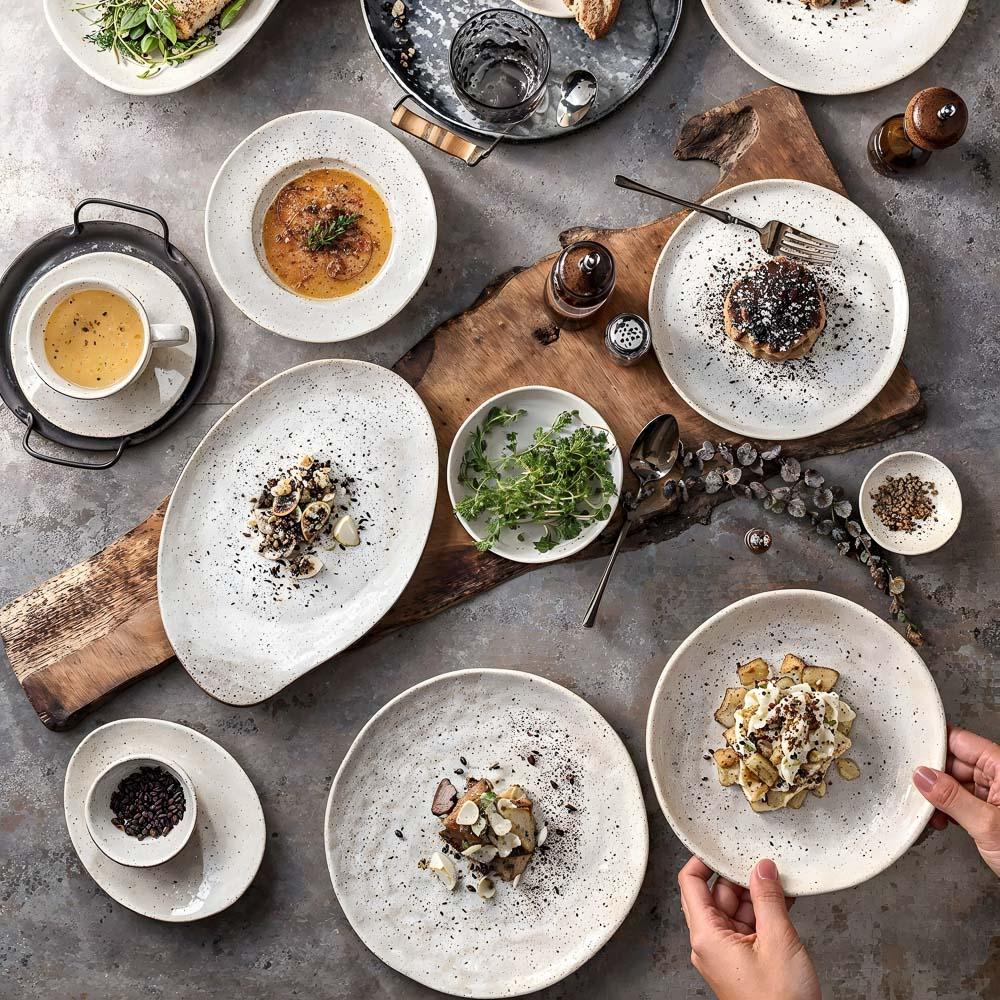
In Europe’s finest restaurants, classic porcelain plates that defined fine dining for decades are becoming increasingly rare. Their place is being taken by handmade ceramics, irregular shapes, natural materials, and tableware that bears the unmistakable signature of the artisan who created it. At first glance, this may seem like a purely aesthetic shift. In reality, it reflects a much deeper story about how luxury is perceived today.
For years, restaurants pursued perfection. Plates were expected to be completely identical, lines precise, and every detail meticulously controlled. This aesthetic reflected a time when luxury was synonymous with flawless uniformity. Today, that philosophy is changing.
Across France, Italy, Spain, and the Nordic countries, an increasing number of chefs and hospitality professionals are collaborating with local ceramic artists to create bespoke collections of tableware for their restaurants. Each piece features subtle differences in shape, texture, or glaze tone, making it unique. Paradoxically, what was once considered a flaw is now regarded as a mark of quality.
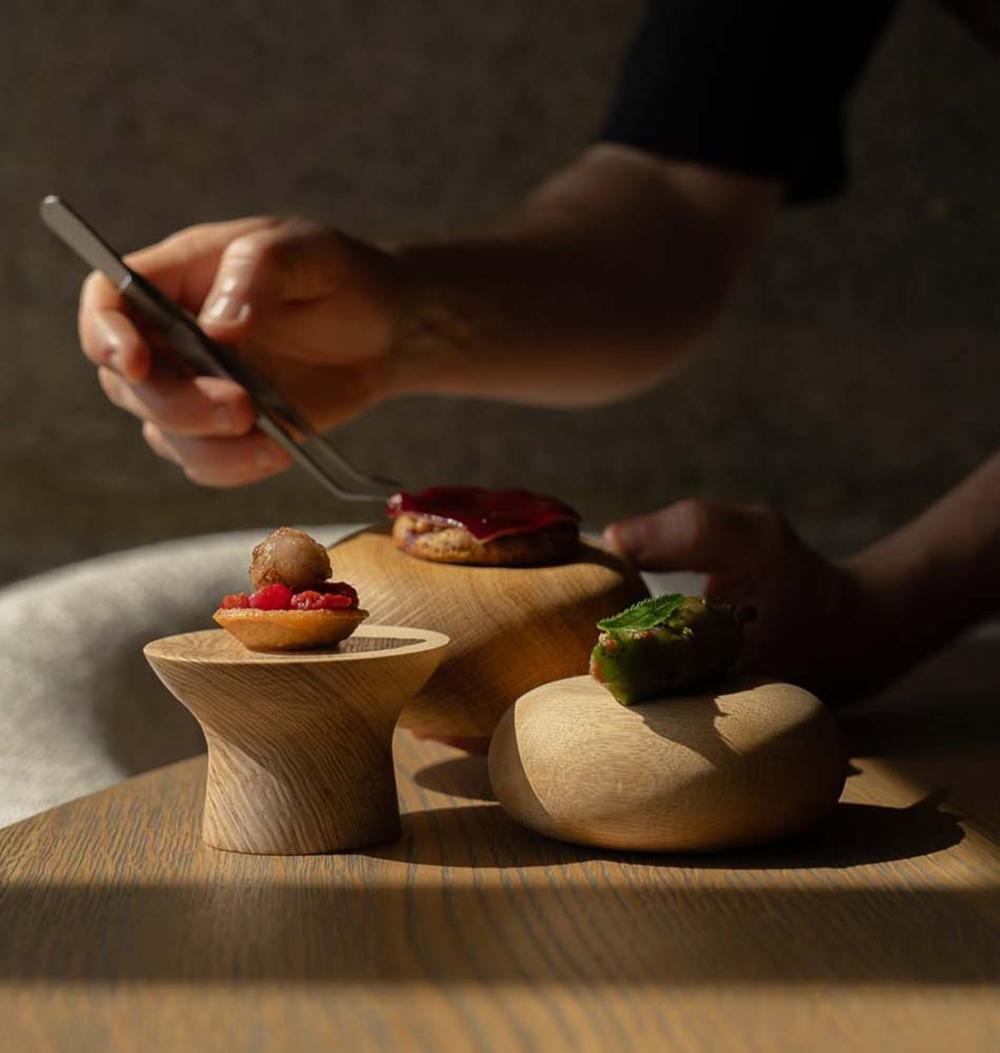
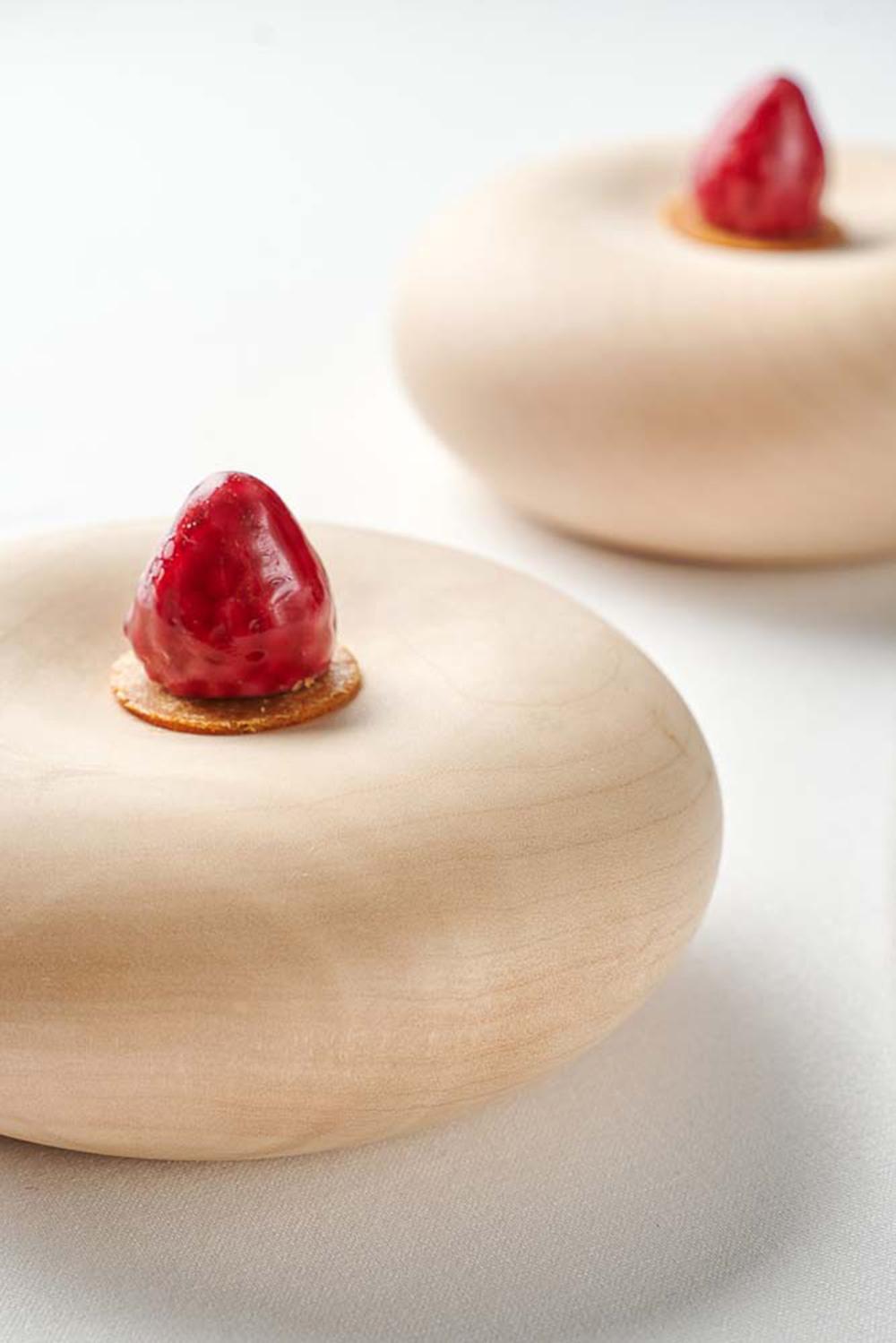
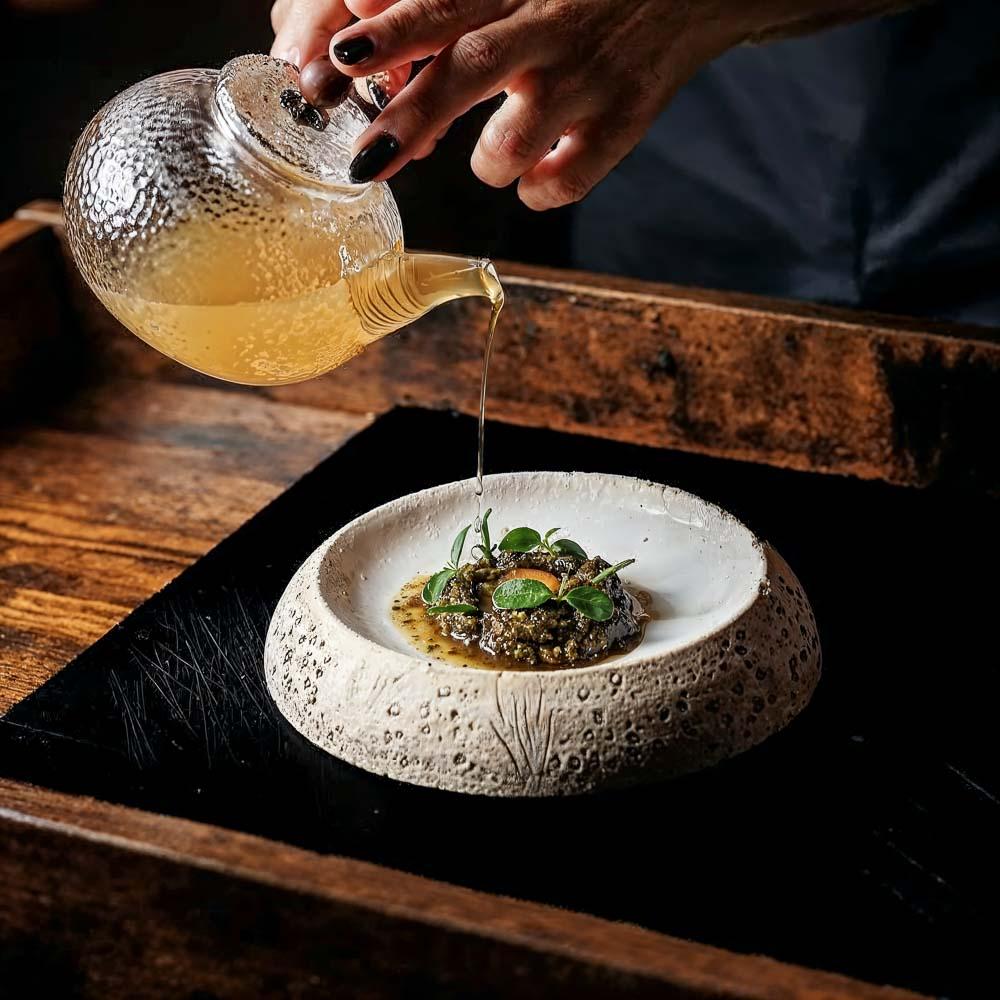
Today’s guests are less interested in perfection and more interested in authenticity. In an era of mass production and globally available products, value lies in what cannot be identically replicated. That is why hand-shaped ceramics, uneven edges, and visible traces of craftsmanship have become the new definition of luxury. Such tableware has character. It tells a story about the place, the culture, and the people behind the restaurant. Tableware has always played an important role in gastronomy, but its function has expanded considerably. Contemporary chefs no longer select plates solely for aesthetics and presentation; they also consider materials, textures, and the ability to maintain food temperature. A chilled stone surface can emphasize the freshness of tartare, oysters, or raw fish, while heated ceramics help retain the temperature of warm dishes for longer. Different materials influence the way guests experience food, making tableware an active part of the culinary experience.
If plate selection was once primarily about presentation, it has now become an integral part of the overall gastronomic concept.
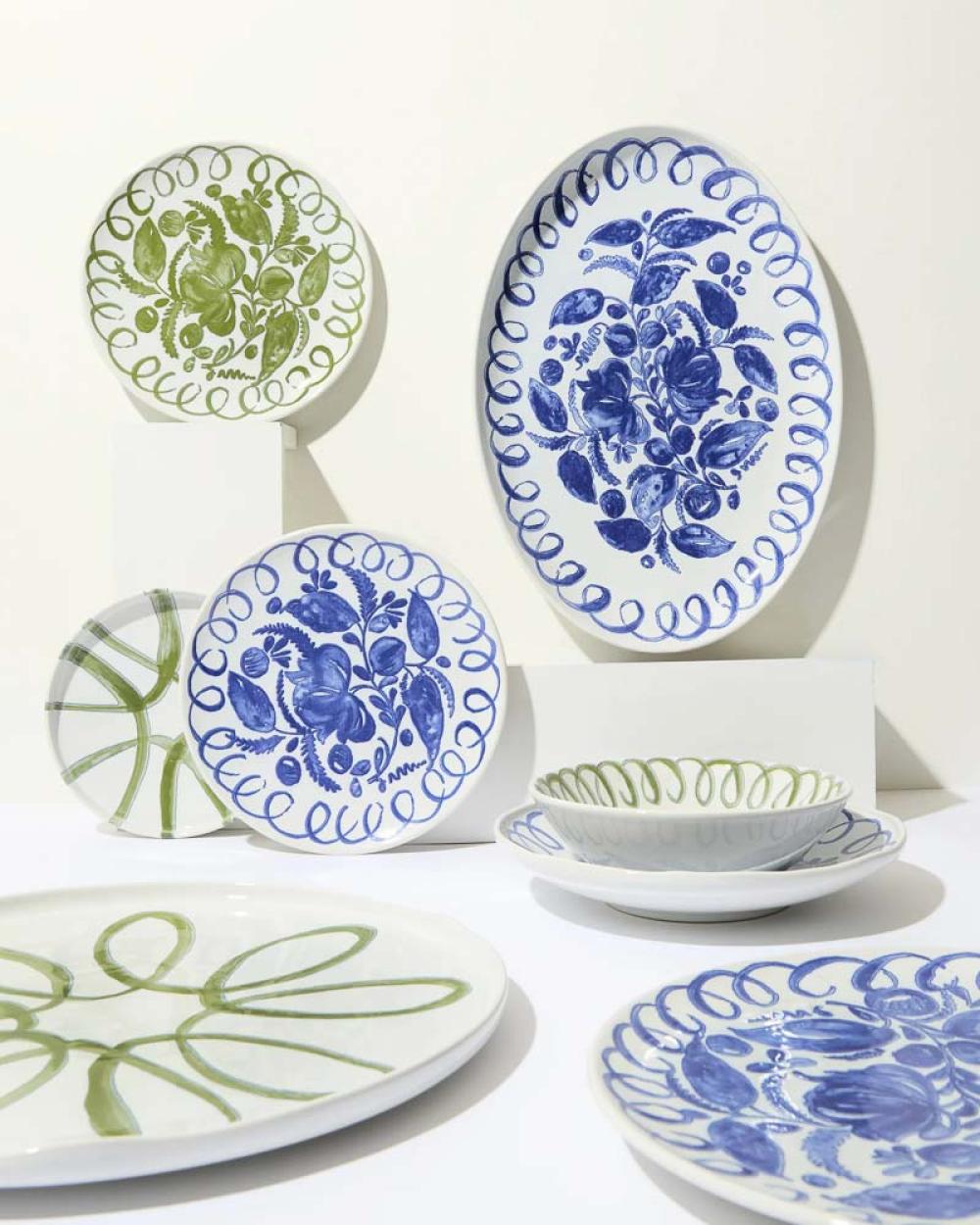
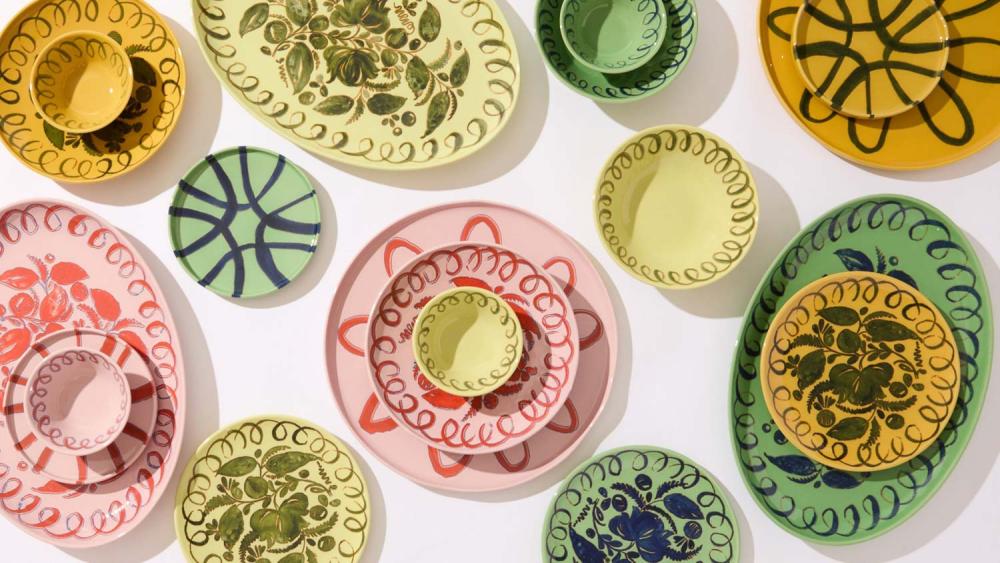
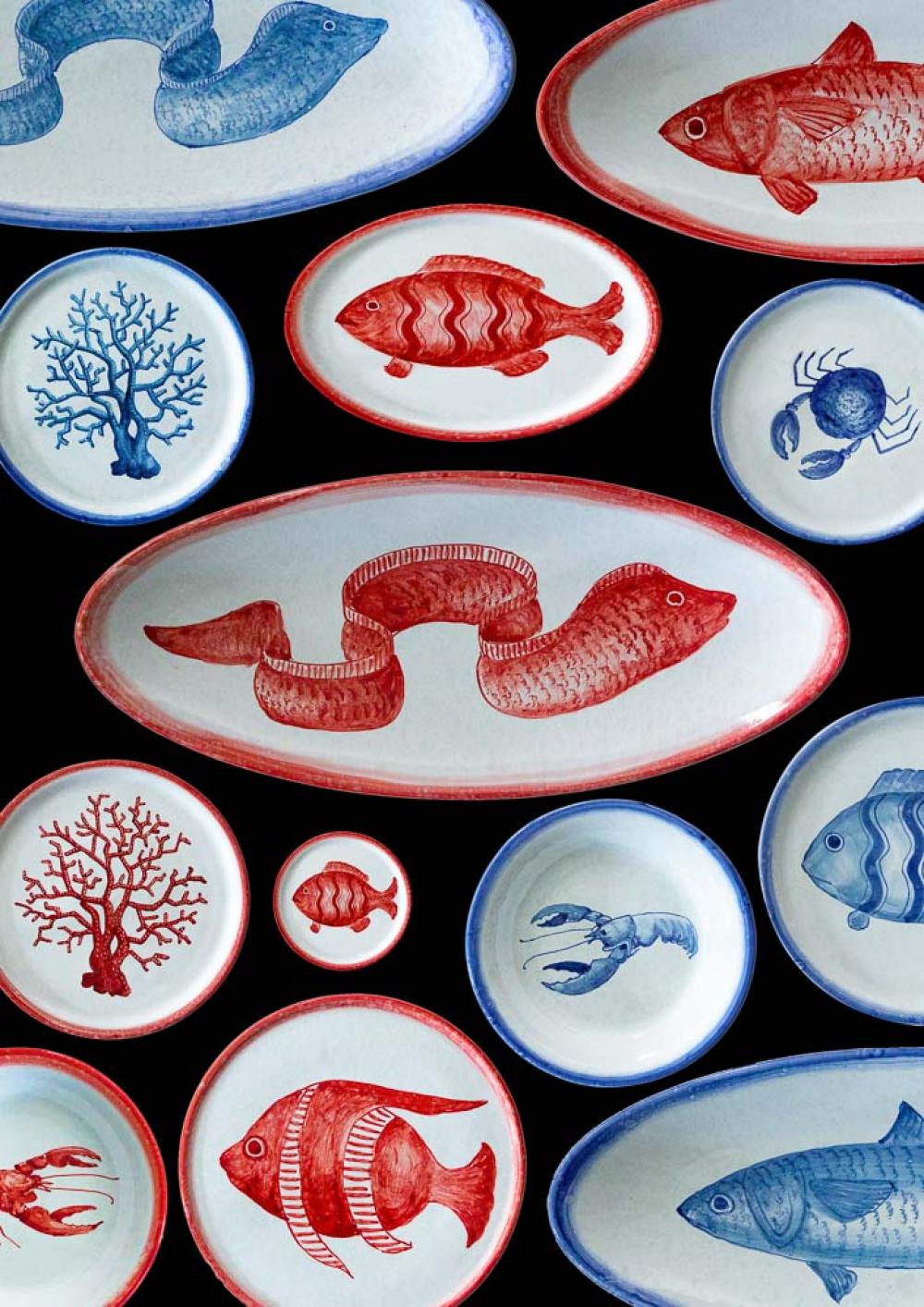
Alongside handmade ceramics, stone, wood, clay, and other natural materials are increasingly being used.
The most sought-after shades are inspired by nature—sand, stone, earth, olive green, and terracotta. These tones allow food to stand out while creating a sense of warmth and connection to nature. This trend is particularly prominent in restaurants that promote local ingredients and sustainable gastronomy.
Interestingly, what is now considered a European trend has long been part of Mediterranean tradition. Clay vessels, stone, olive wood, and handmade ceramics have been part of the region’s cultural heritage for centuries. This gives restaurants in Montenegro a unique opportunity to offer exactly what contemporary gastronomy values most: authenticity through local materials and artisanal craftsmanship.
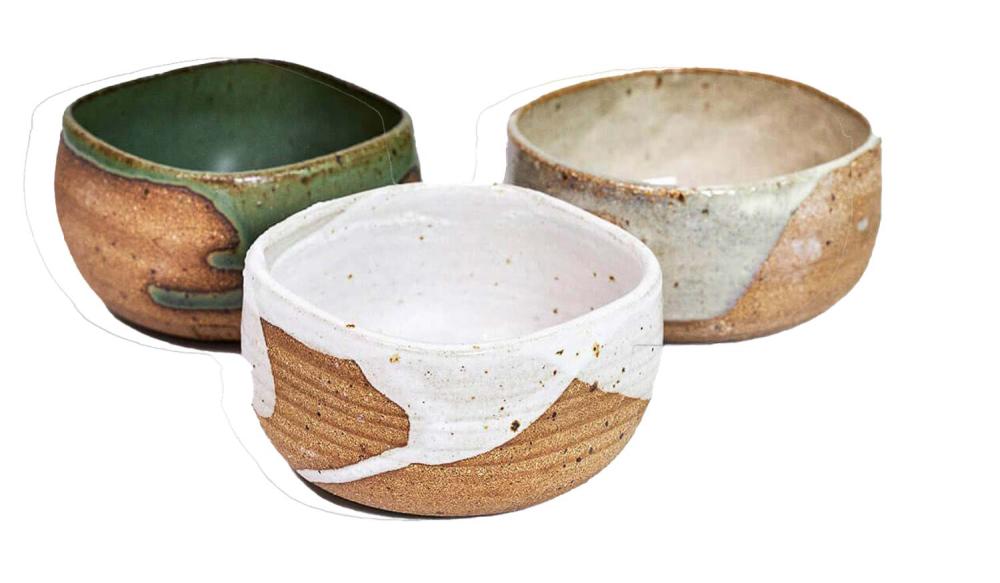
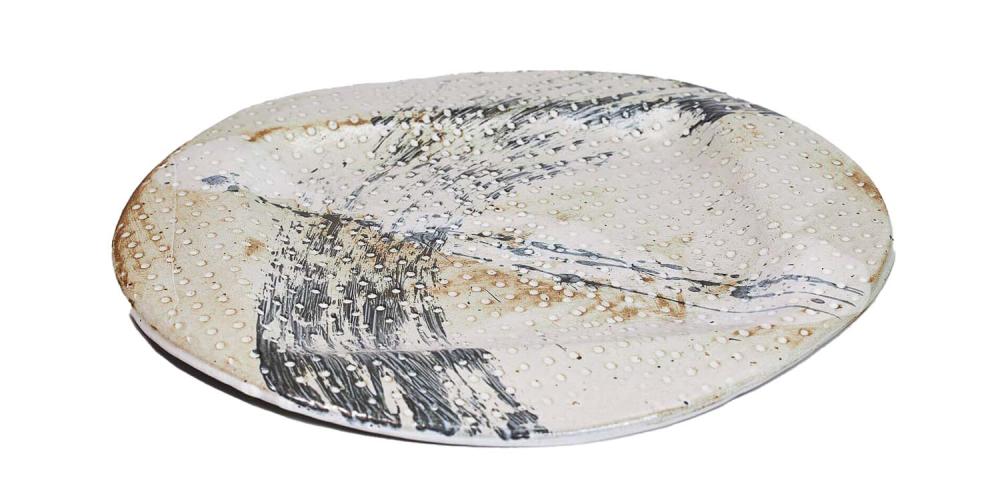
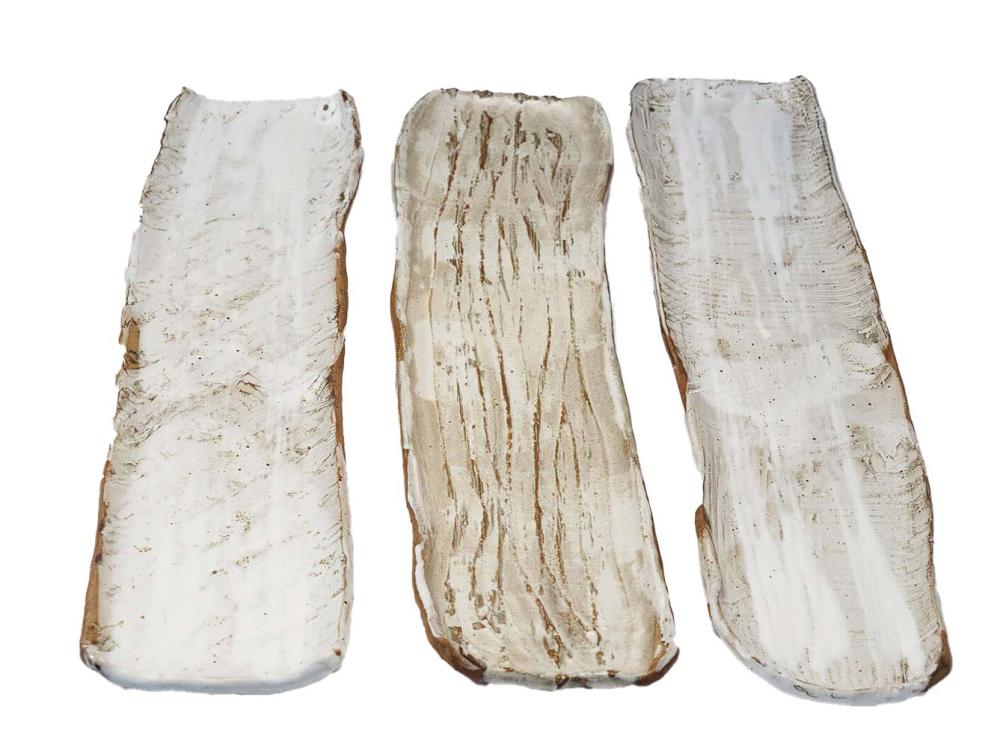
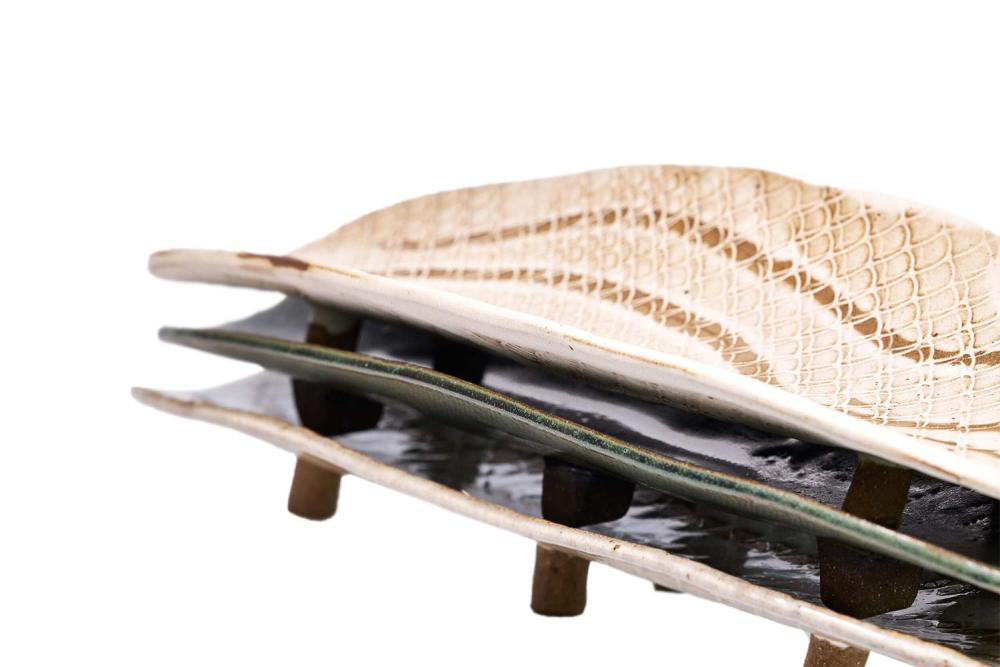
The transformation taking place is not merely aesthetic. It reflects a broader shift in the way gastronomy is perceived. It is not that tableware has only recently become important. On the contrary, it has evolved alongside cuisine and culinary trends for decades. However, throughout 2025 and 2026, the focus is increasingly shifting away from factory-made perfection toward craftsmanship, authenticity, and functionality.
In a time when guests seek not only a meal but a complete experience, the plate is no longer simply a surface on which food is served. It becomes part of the story a restaurant wishes to tell. And that is precisely why imperfection has become the new luxury.
• Handmade ceramics
• Irregular plate shapes
• Matte finishes
• Earthy tones and terracotta
• Chilled stone serving pieces for cold dishes
• Heated ceramics for warm dishes
• Tableware created by local artisans
• Wood, stone, and natural materials
• Unique pieces instead of mass-produced collections
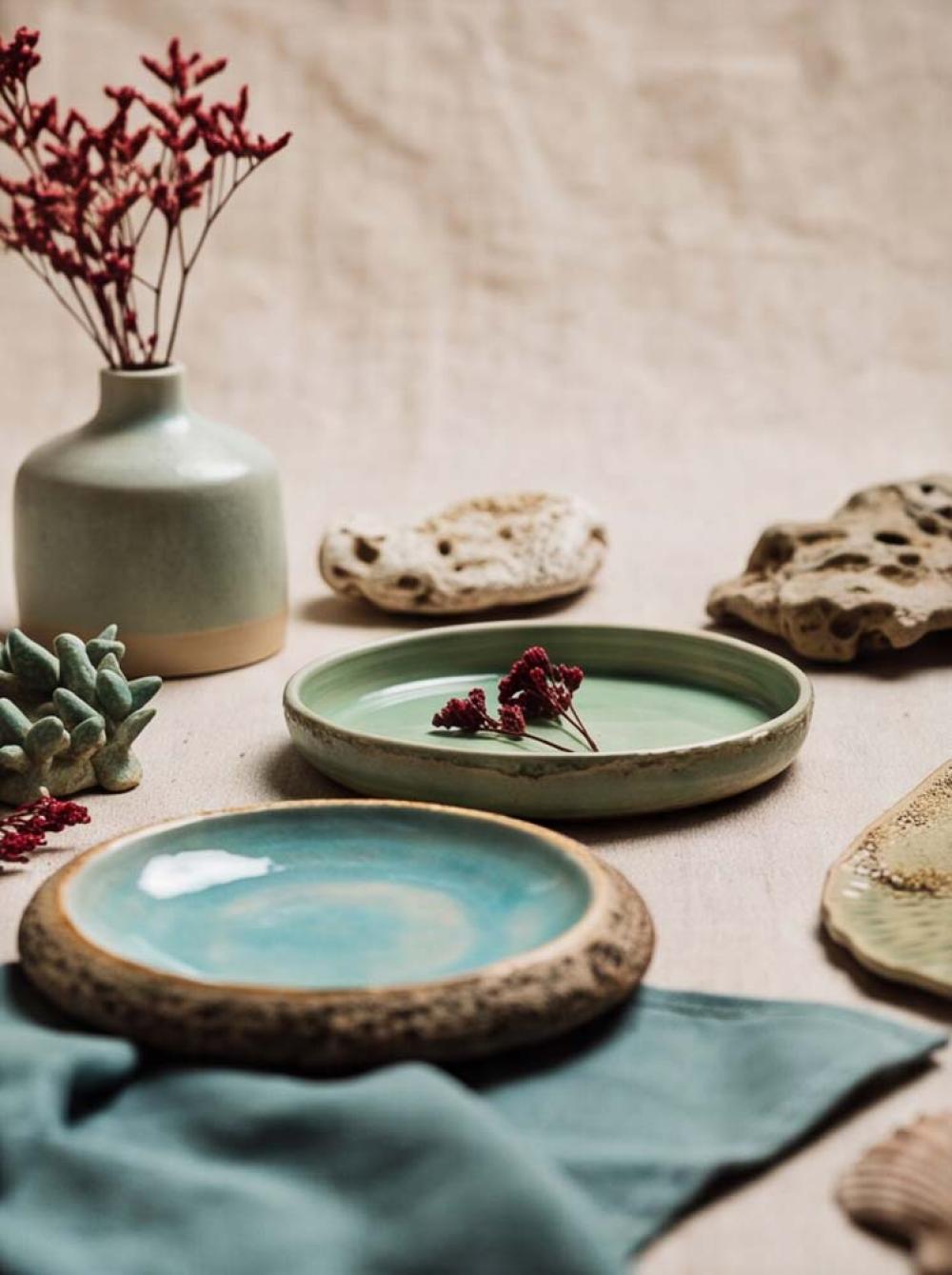
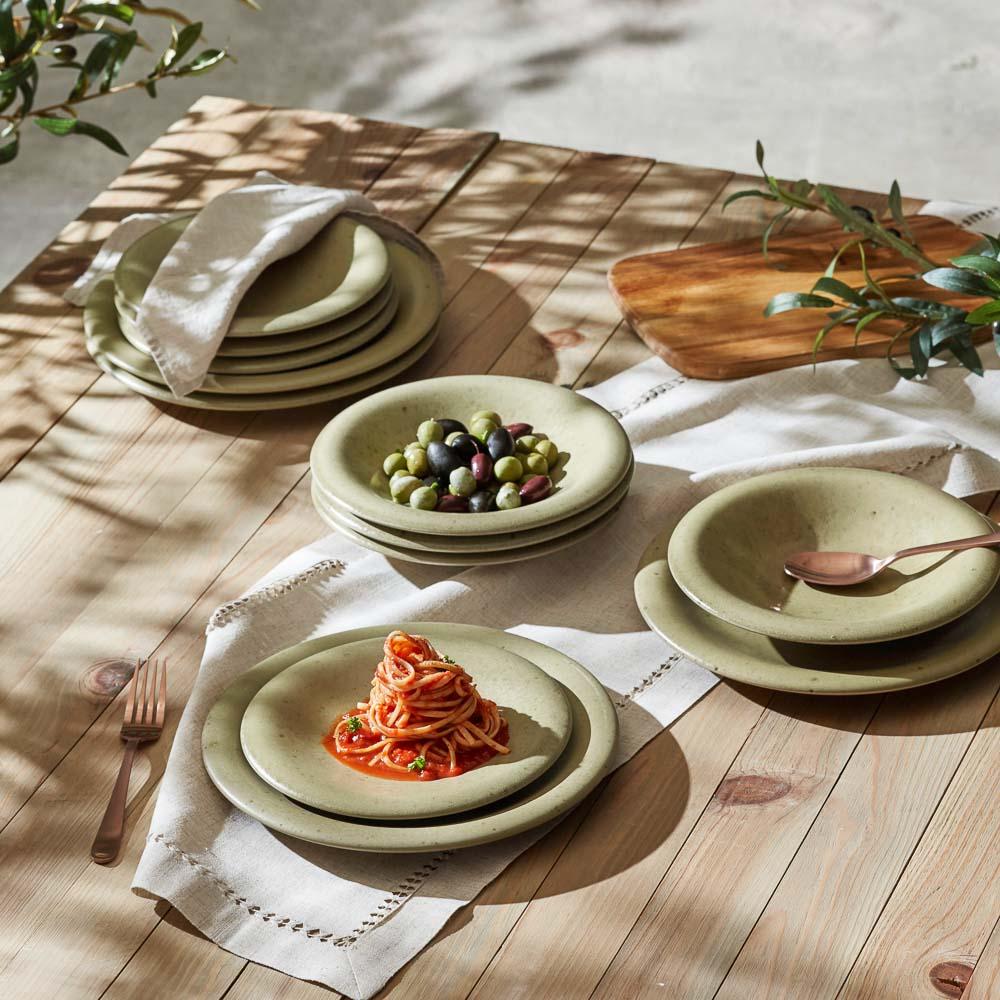
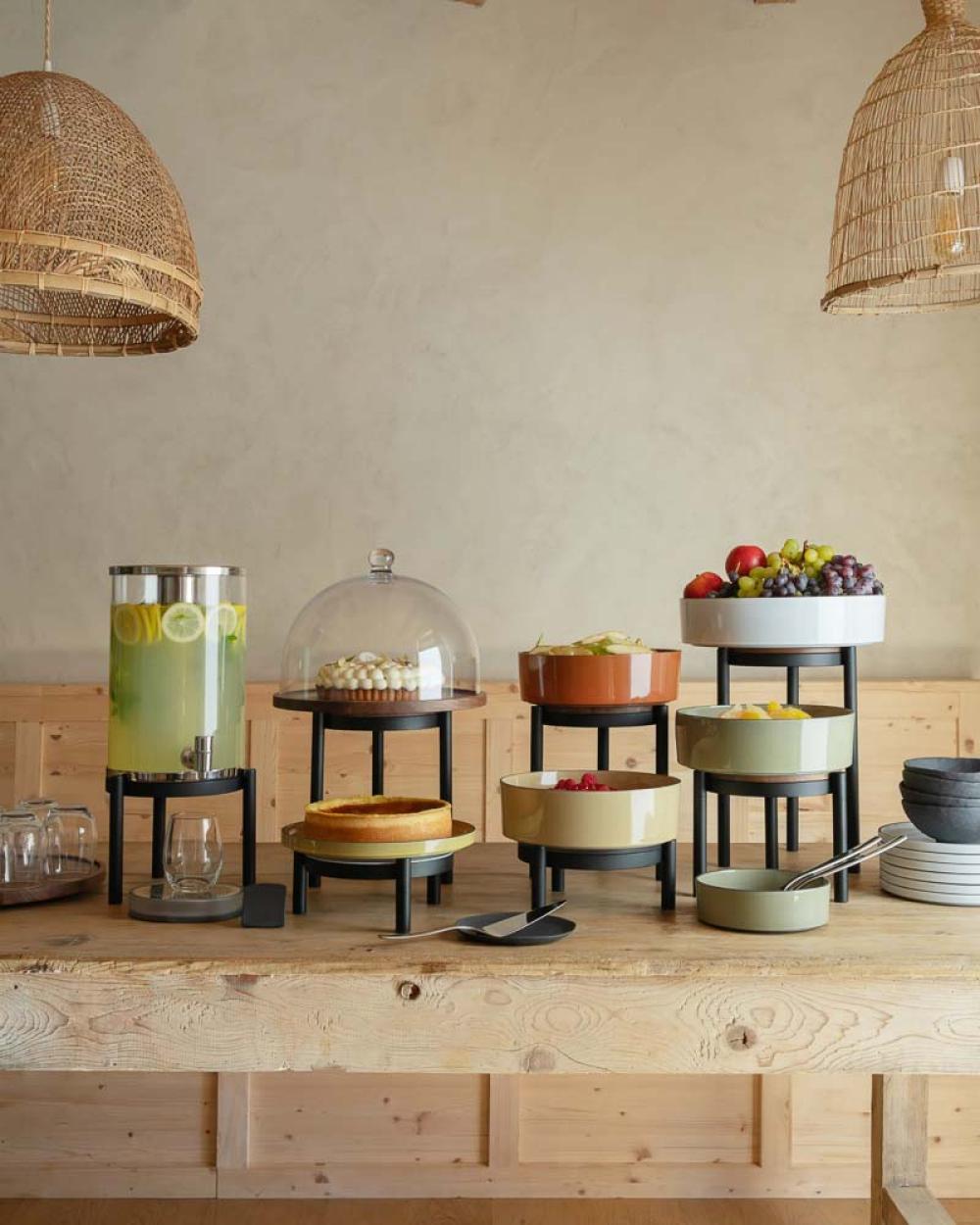
“The plate is part of the dish” has become the philosophy of many leading chefs today.
The idea is that tableware is not selected after a dish has been created. Instead, it is often developed together with the chef to highlight a specific texture, color, or style of presentation.
The shape, depth, color, and texture of tableware are now planned alongside the recipe itself. As a result, it is not uncommon for restaurants to commission specially designed ceramic pieces for individual dishes.
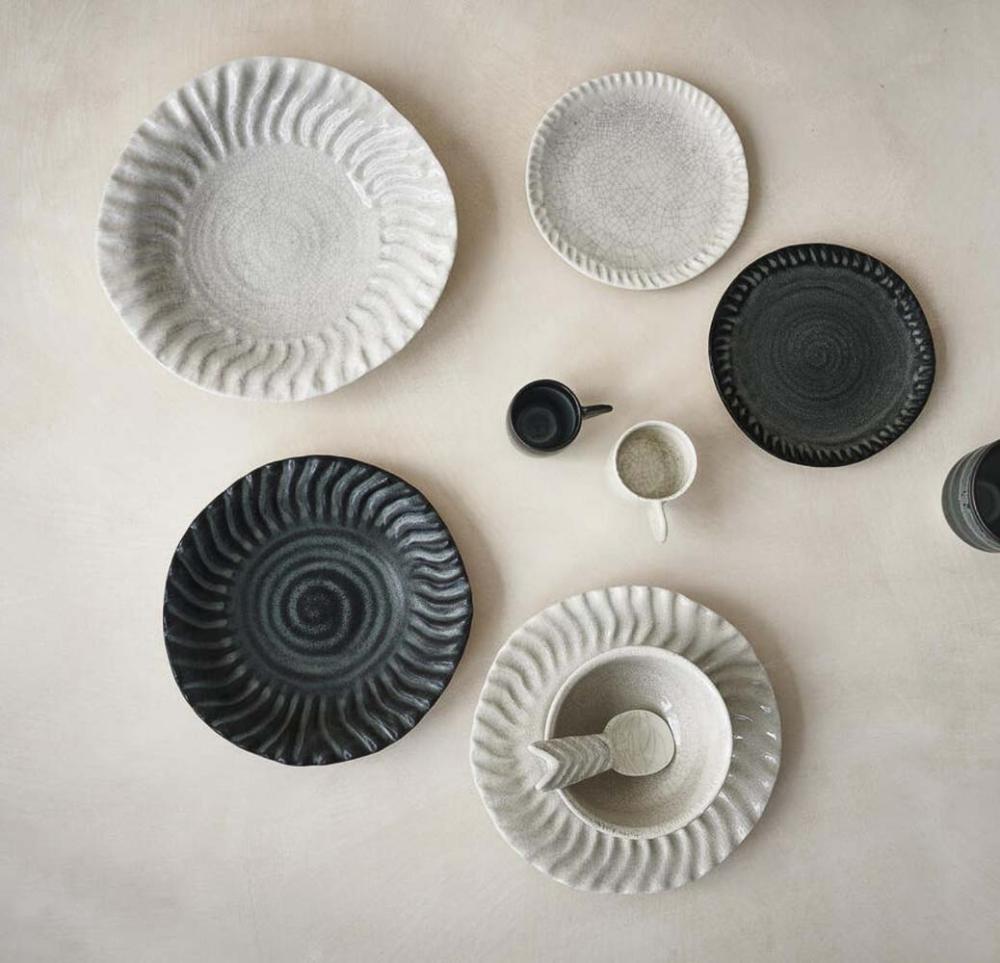
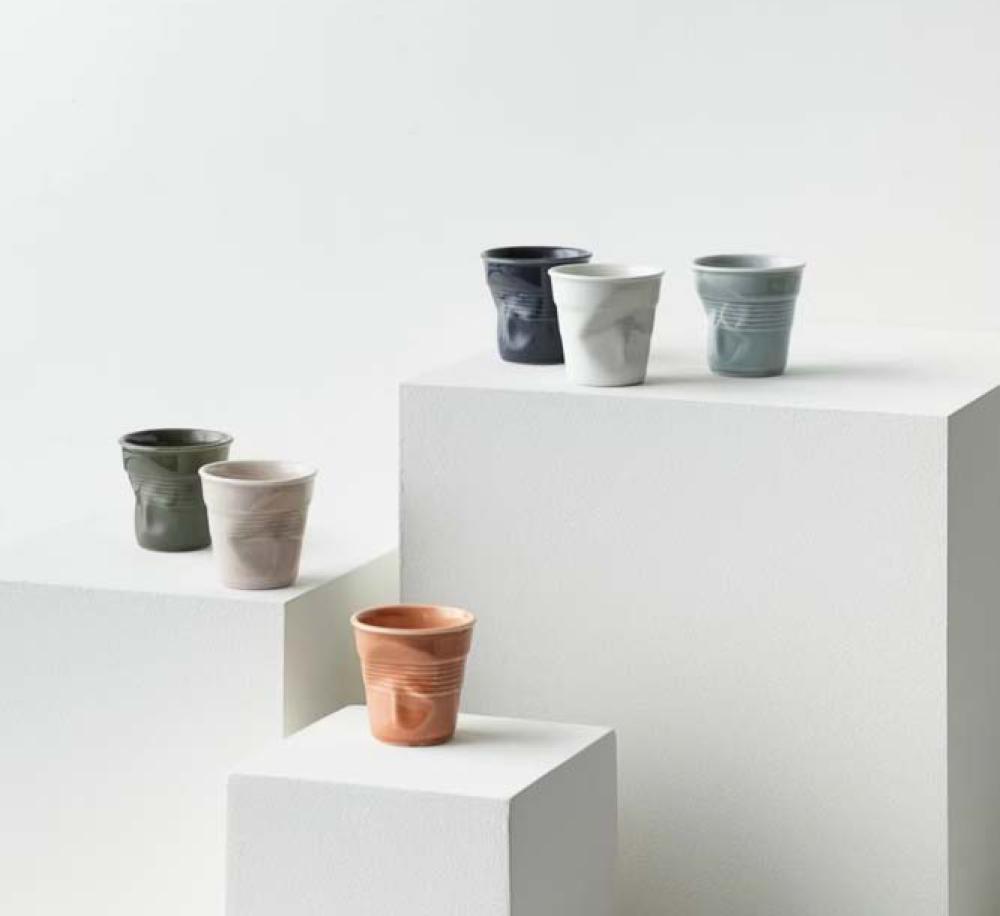
Among the most renowned names in European restaurant ceramics is the French brand Jars Céramistes, whose plates are favored by many chefs for their irregular edges, hand-applied glazes, and natural appearance.
Their success is often cited as one of the key symbols of the transition from perfect porcelain to artisanal ceramics.
Brands shaping contemporary restaurant tableware trends include: Jars Céramistes (France), Churchill 1795 (United Kingdom), Revol (France), Rosenthal (Germany) and Villeroy & Boch (Germany/Luxembourg).
.jpg)

.jpg)
.jpg)