


In a world where borders were once becoming increasingly invisible, tourism long stood as a symbol of freedom. Air travel was more accessible than ever, destinations more open, and journeys spontaneous. The idea that the world could be explored without significant barriers became almost taken for granted. Today, that image is rapidly changing. The year 2026 marks a turning point, where tourism shifts from the realm of free movement into a space of control—technological, political and economic.
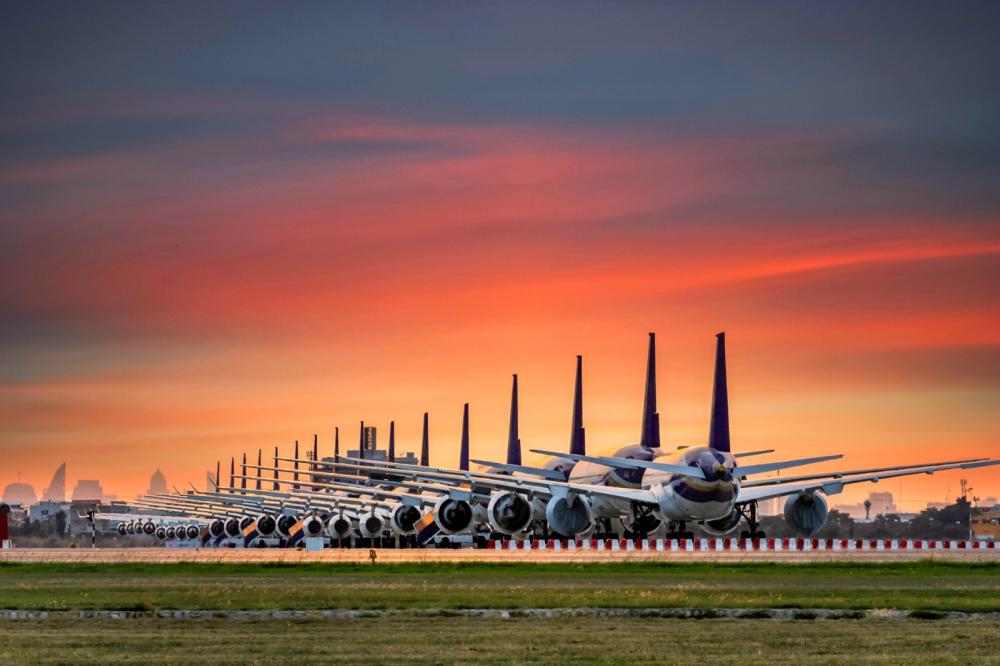
An airport in the early morning has its own distinct silence. The lights are dimmed, the lines are still short, and passengers move almost mechanically—between check-in counters, security checks and screens constantly updating departure times. Once, this was where the journey began.
Today, it starts much earlier. Before a suitcase even touches the conveyor belt, we have already passed through a series of invisible procedures: online check-ins, digital confirmations, algorithmic screenings. At the border itself, instead of a brief glance from an officer and the sound of a stamp, there is a few seconds of silence while the system processes a face, fingerprints and data already stored somewhere. Travel has become a process—and a process that relies less on spontaneity and increasingly on structure.
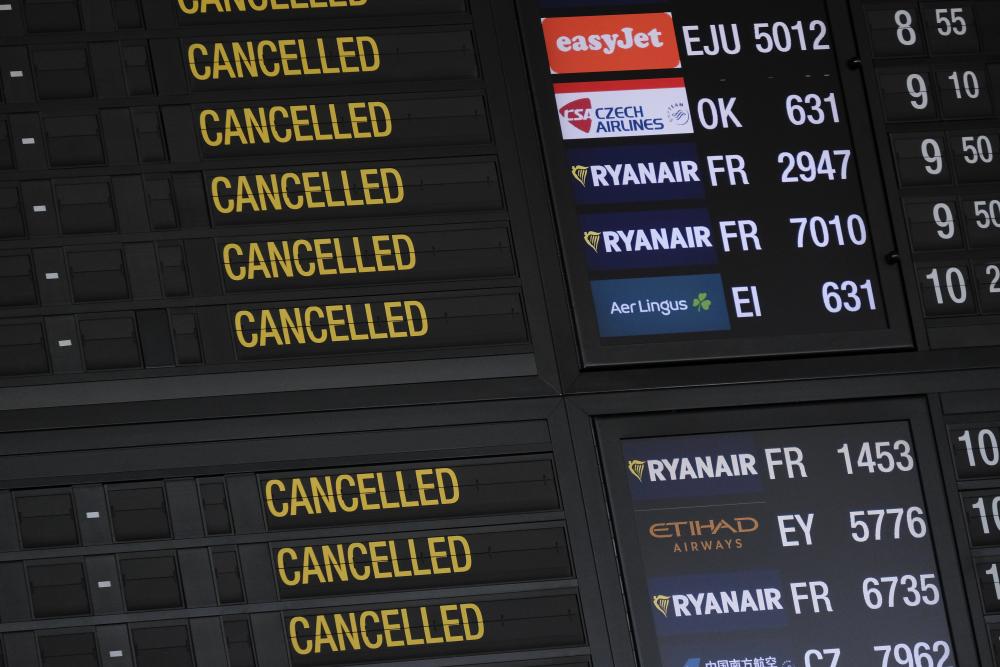
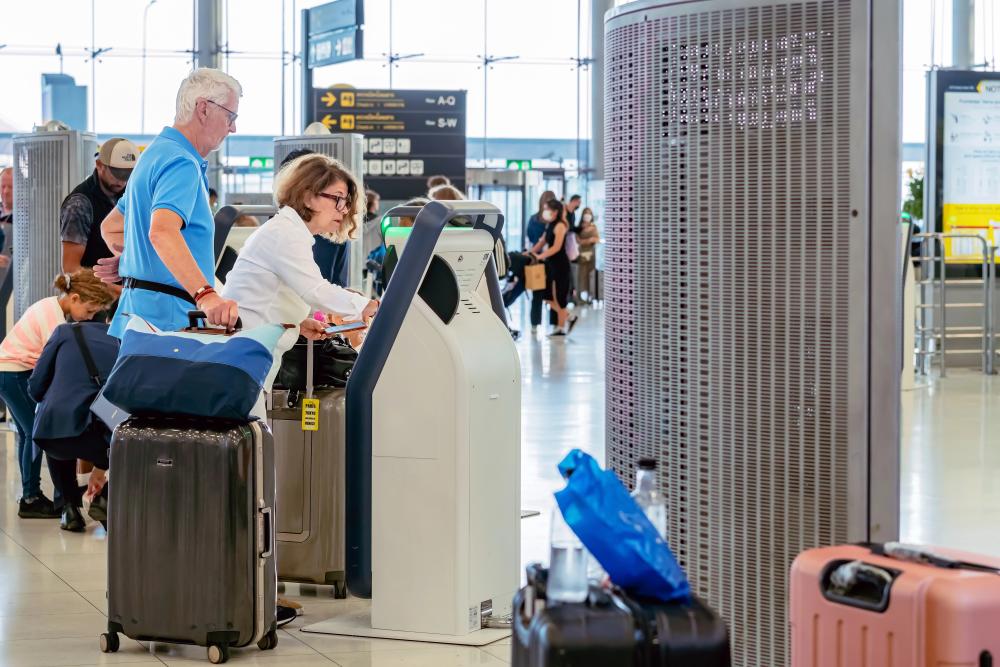
Europe, as the world’s most visited tourist region, has become the epicenter of these changes. With the introduction of new digital systems such as the Entry/Exit System (EES), crossing borders is no longer the same. Instead of passport stamps, travelers now leave a digital trace: biometric data, movement records and precise timestamps of every entry and exit.
The border is no longer just a physical line—it is a system. In practice, this transition comes with consequences. Airports across Europe are facing longer waiting times, operational challenges and slower passenger flow. Tourism, once synonymous with ease, is increasingly an experience that begins—with waiting.
The transformation does not stop at the border. With the introduction of systems like ETIAS, travel becomes conditional on prior approval. Travelers from many countries will need to obtain digital authorization before even setting off. The decision about movement is made before the journey itself begins.
Borders are shifting into the digital realm—into databases, algorithms and security checks.
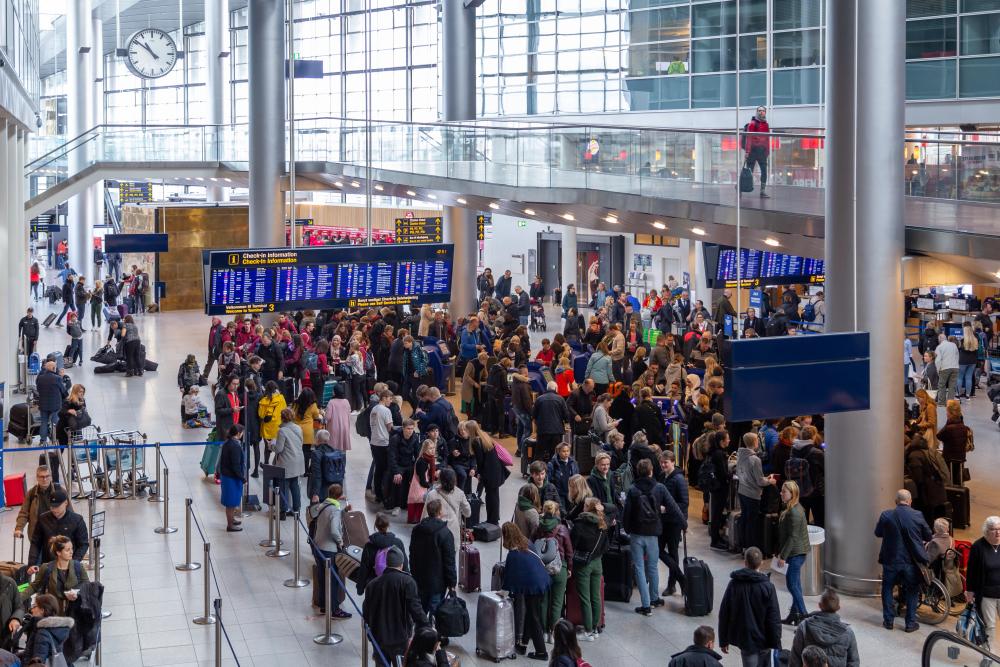
Alongside technological and administrative changes, a quieter but equally significant transformation is taking place—in the aviation industry. Major European groups such as Lufthansa and Air France-KLM are reducing flights on certain routes and optimizing their networks in response to rising costs.
The key factor is the price of aviation fuel, which has become unstable and closely tied to global energy and geopolitical dynamics. The consequences are visible. Fewer flights mean fewer options for travelers, less frequent departures and greater dependence on a limited number of routes. Direct flights are disappearing, while connections are becoming the norm.
At the same time, ticket prices are rising—often unpredictably. Increasingly, even tickets purchased in advance are no guarantee of stability. Schedule changes, route cancellations and additional costs are becoming part of the reality.
The traveler no longer simply buys a ticket—they enter a system that can change along the way. In this sense, the market itself becomes a mechanism of selection—not through bans, but through price and accessibility.
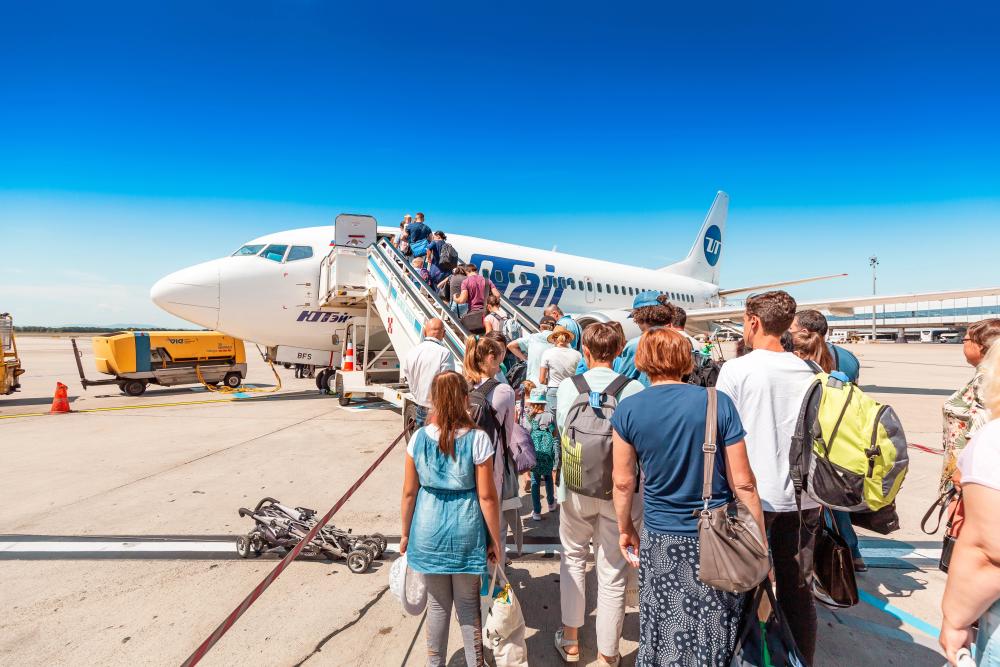
These changes are not isolated. They are directly linked to a broader global context. Geopolitical tensions, energy crises and migration flows are shaping how states manage borders and mobility. Tourism, once seen purely as an economic activity, now carries a security dimension.
Control over entry, stay and movement has become a priority. Tourism is no longer neutral—it has become part of global relations.
The answer is layered. States introduce rules and restrictions. Technology enables monitoring and selection. The industry shapes accessibility through pricing and routes.
Together, these forces are redefining how people move.
The paradox of modern tourism is clear: there have never been more opportunities to travel—and never more barriers. On one hand, technology enables efficiency. On the other, it introduces new layers of control.
On one hand, the world is more connected than ever. On the other, access to that world is becoming increasingly selective.
If 2026 marks the beginning of a new phase, the direction is already evident: less spontaneity, more planning; more control, higher costs. Tourism is entering an era in which freedom of movement is no longer assumed—but conditional.
And perhaps the most important question is no longer where we will travel, but who will be able to travel at all—and who will be able to afford it.
Despite everything, travel has not disappeared. Airports remain full, destinations in demand, and the desire to move persists. But the feeling has changed.
The traveler of 2026 is no longer just a passenger—they are part of an infrastructure. Borders still exist, but they are no longer what they once were. They are now dispersed across processes, algorithms and market decisions that shape our movement even before it begins.
And yet, despite everything, the need to go somewhere else—even briefly—has not faded.
Perhaps because, in a world that is becoming increasingly structured, movement remains one of the few ways to experience personal freedom.
And that is why the question is no longer just where we will travel—but who will be able to travel, and how.
.jpg)

.jpg)
.jpg)