

The world’s biggest metropolises are becoming the laboratories of the future — places where sustainability, architecture and technology are merged. The cities like Singapore, Copenhagen, Tokyo, Dubai and Barcelona are already demonstrating what tourism will look like in the world to come.
SINGAPORE – green futurism in practice
Singapore is a pioneer of the idea that a city can at the same time be a botanical garden and a centre of technology. Sustainable skyscrapers covered in vegetation, futuristic parks and innovative urban solutions make it a destination which inspires the world.
What to see:
Gardens by the Bay – spectacle of “iconic Supertrees”.
Marina Bay Sands SkyPark – view of the most orderly horizon of Asia.
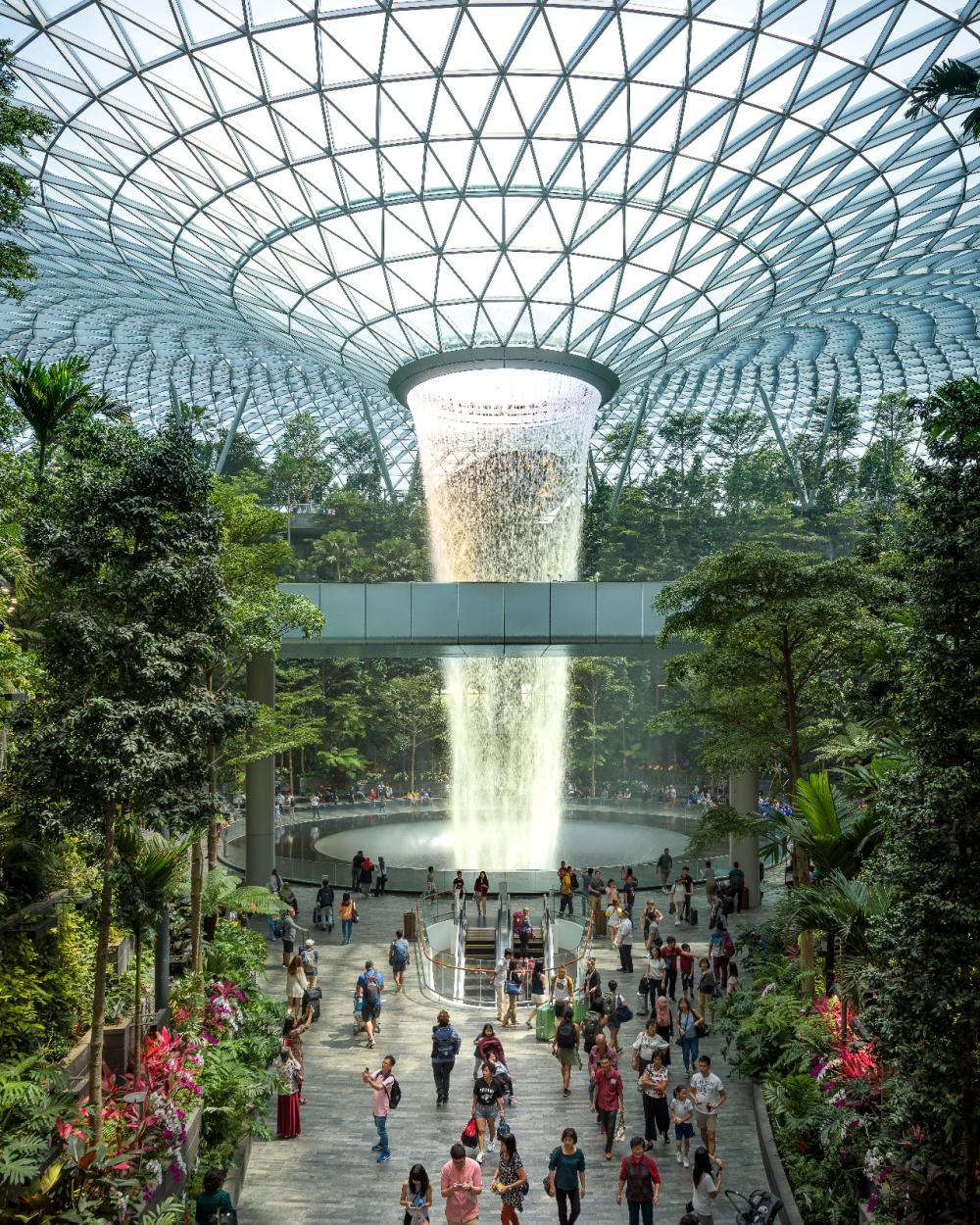
Changi Jewel – the biggest indoor waterfall in the world, within the airport.
COPENHAGEN – sustainable living capital
For years, Denmark has been a real example of successful merger of ecology, design and urban charm. Copenhagen is a forerunner in the field of green transport, circular architecture and smart solutions which make life slower, nicer and more meaningful.
What to see:
CopenHill – combined waste-to-energy power plant and public recreational facility featuring a dry ski slope on its roof.
BLOX Hub – urban planning and design centre.
Nordhavn – the most advanced green neighbourhood of Scandinavia.
TOKYO – tradition making strides towards the future
Tokyo is a city where robotic innovations and Zen philosophy follow the same rhythm. From underground gardens to hotels with humanoid receptionists, Japanese capital is a shelter for travellers desirous of experiencing the best version of the future.
What to see:
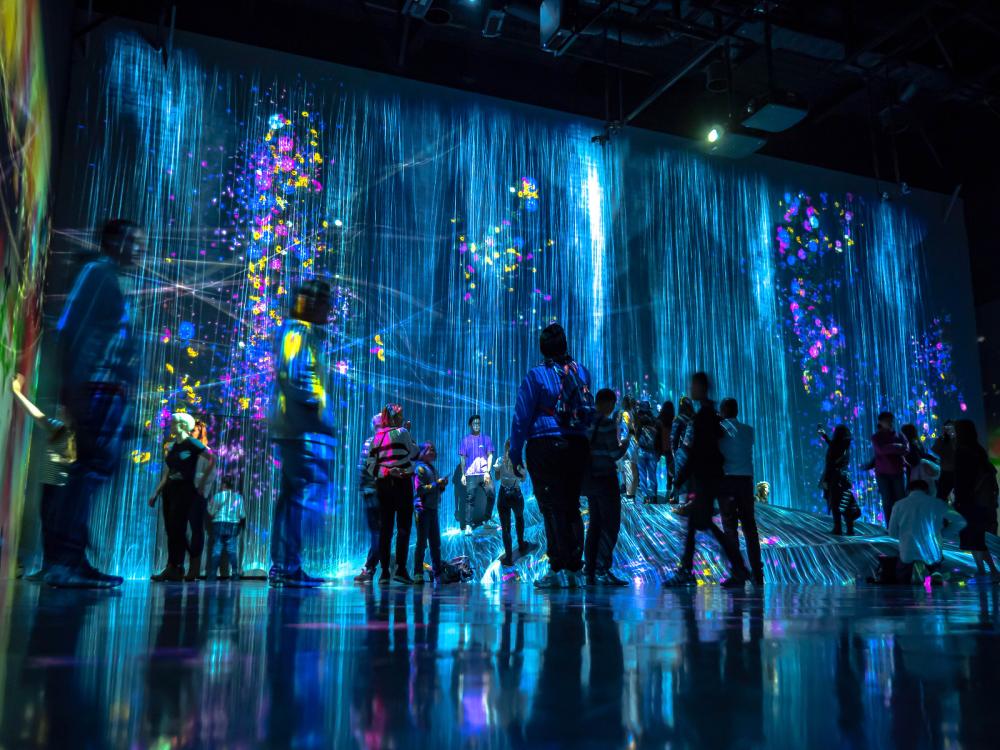
TeamLab Borderless – museum which blurs the boundary between art and technology.
Shibuya Sky – panoramic platform above the world’s biggest pedestrian crossing.
New Yoyogi stadium – combination of minimalism and modern engineering.
Dubai – theatre of architectural imagination
Dubai is a global training ground for the most ambitious construction experiments. From the shapes, materials and heights, to the complete redesign of tourist experience — there, everything happens “ahead of time”.
What to see:
Museum of the Future – design and technology icon.
Burj Khalifa – world’s tallest structure.
Dubai Creek Harbour – new urban centre featuring the most advanced smart solutions.
Barcelona – the city which combines art and urban regeneration
Barcelona is a proof that historical tissue of a city can be modified without losing the soul. Smart streets, cultural clusters and urban regeneration projects have made it a pioneer of people oriented planning.
What to see:
Superblocks (Superilles) – concept which the streets back to people.
Maremagnum waterfront – transformed seafront as a symbol of openness.
Torre Glòries Viewpoint – contemporary view of the coexisting centuries.
Hamburg – European model of smart urban regeneration
Hamburg is one of the most advanced European examples of how an old industrial landscape is turned into a sustainable, modern urban tissue. The city turned its port and warehouses into the biggest European urban transformation project — combination of culture, architecture and green technologies.
What to see:
HafenCity – European largest development project by the water, smart neighbourhood of the future.
Elbphilharmonie – architectural icon and the symbol of the new culture of the city.
Speicherstadt – renewed UNESCO protected period warehouses, now a creative and cultural centre.
.jpg)

.jpg)
.jpg)