

In contemporary hospitality design, luxury gets less and less measured by decor, and more and more by atmosphere. From Berlin to Mykonos, new generation interiors combine minimalist architecture, natural materials and the Mediterranean warmth – creating settings in which aesthetics and experience meet.
In the world of contemporary interior, minimalism is not cold and strictly rational anymore. The new trend, which has in recent years been increasingly appearing in restaurants, hotels and lounge areas all over Europe, is called warm minimalism — style which retains clear lines and simple architecture, but gives the space back the sense of warmth and sojourn.
Contrary to former minimalistic interiors dominated by concrete, metal and sharp geometry, new generation of design introduces natural materials: pale wood, stone, linen, ceramic and tactile textures. Colour palette remains calm — from sandy and beige shades to warm nuances of brown and olive green — whilst lighting plays a key role in creating atmosphere. It is exactly light that becomes one of the most important elements of design. Instead of centrally positioned chandeliers, discreet sources of light are used: floor lamps, indirect wall lighting or accent lighting above the tables to create more intimate atmosphere.
Such space has a soothing effect and looks elegant, but at the same time remains pleasant and hospitable. For that very reason warm minimalism is becoming a dominant style in modern restaurants and hotels, where balance is sought between designer aesthetics and the feeling of home atmosphere.
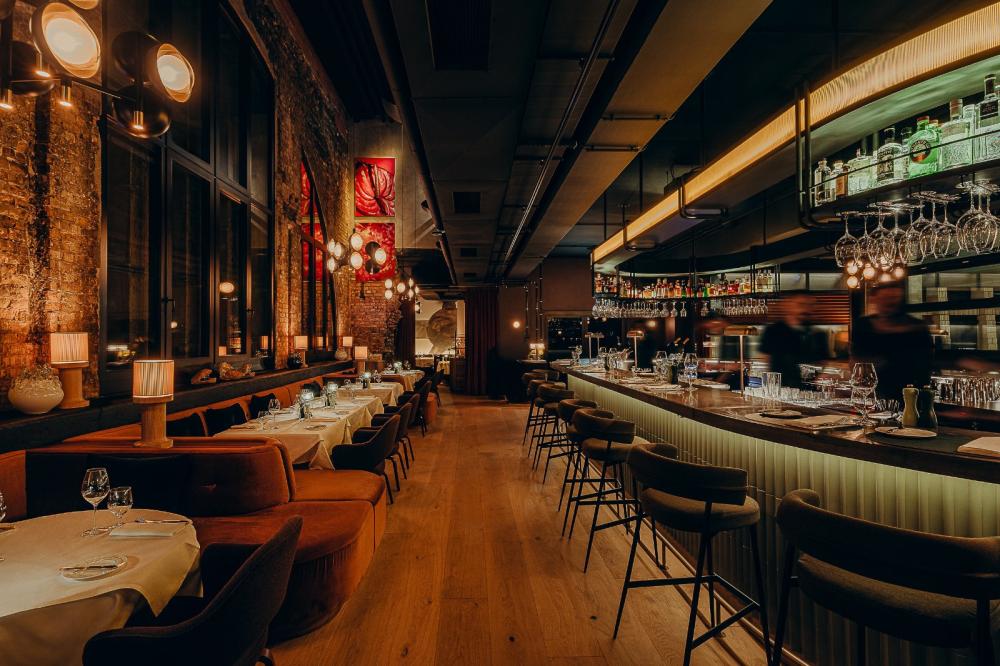
Berlin: museum restaurant as an example of warm minimalism
One of quite interesting examples of this trend can be found in Berlin, in the museum of photography Fotografiska Berlin – “Verōnika” Restaurant.
It is the main restaurant within the museum of photography in Berlin and it is often said to be an example of “warm minimalism” in the interior – combination of calm tones, natural materials, soft light and elegant, but unobtrusive design. The concept is inspired by the European bistros from the beginning of the 20th century, but interpreted in a contemporary way.
The Restaurant and the public areas of the museum are furnished in the spirit of contemporary European minimalism, but without coldness which was once typical of this style. Massive concrete walls and industrial architecture are preserved as a part of the identity of the space, while the interior is softened by natural materials — oak tree, soft fabrics and discrete warm tone lighting.
The furniture has simple lines and low profile, the tables are made of pale wood and the upholstered chairs create an atmosphere which is concurrently sophisticated and relaxed. Large windows additionally emphasize the feeling of openness, while the ambiance lighting provides intimate character. Such balance between architectural simplicity and warm materials makes this space one of the examples which designer magazines often quote when speaking about the new aesthetics of the European restaurants.
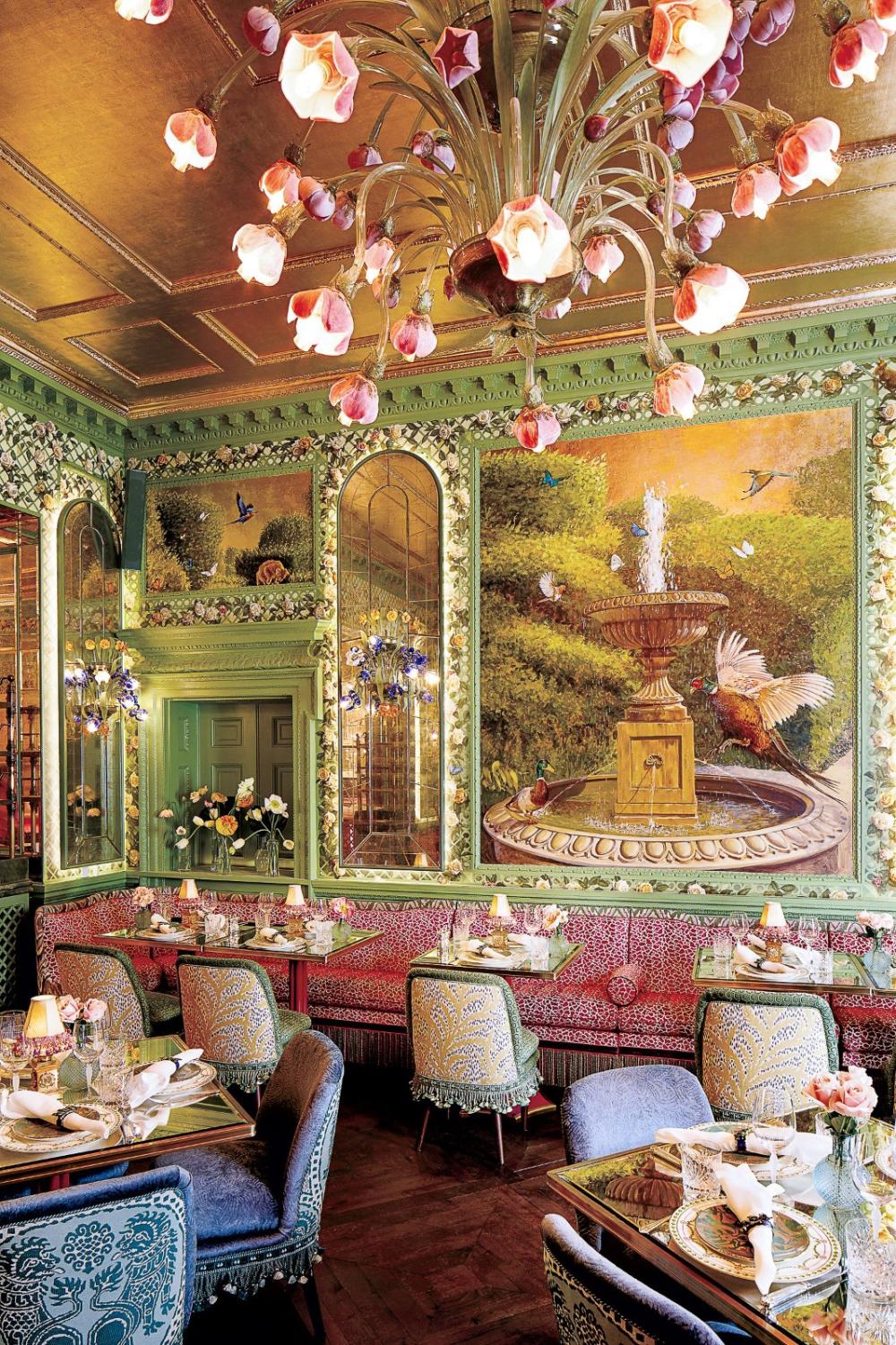
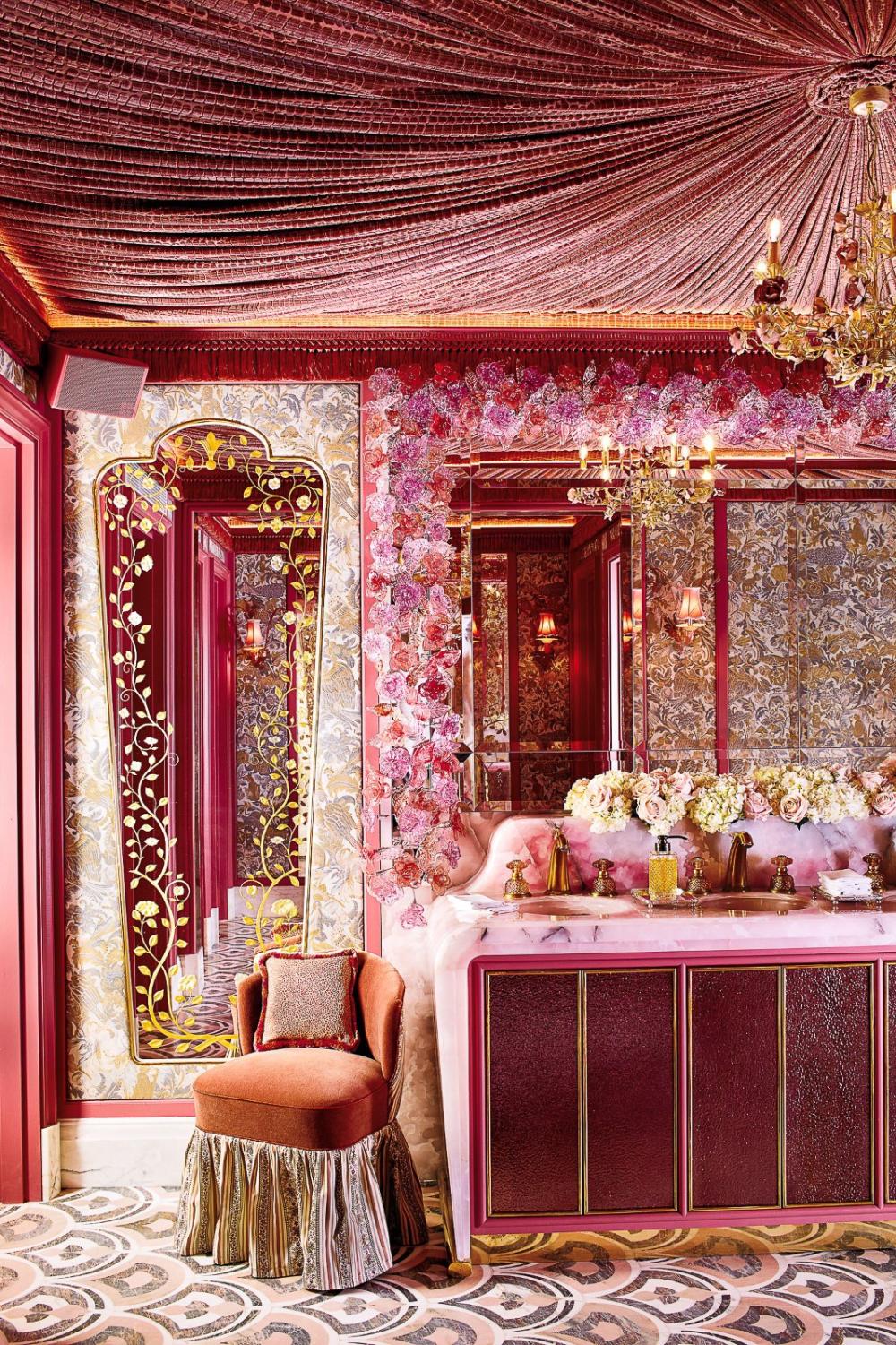
“Annabel’s”, London – spectacle of maximalism
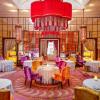
One of the best-known examples of contemporary maximalism in the interior is found in “Annabel’s”, a London private club and restaurant. Following the renovation, the designer Martin Brudnizki transformed this cult space into a spectacular example of modern luxury maximalism.
The interior is inspired by historical gardens and abounds in colours, artwork and decorative details. The walls are covered in wallpapers with floral motifs, the space is filled with rich carpets, crystal chandeliers and works of art, while every salon has its own character.
Despite stratification and luxury, the space does not seem chaotic. Exactly opposite – carefully balanced details create an atmosphere of glamour and theatrical dramatics, which is also one of the reasons for which “Annabel’s” is often presented in the magazines like Architectural Digest as one of the world’s most impressive restaurant interiors.
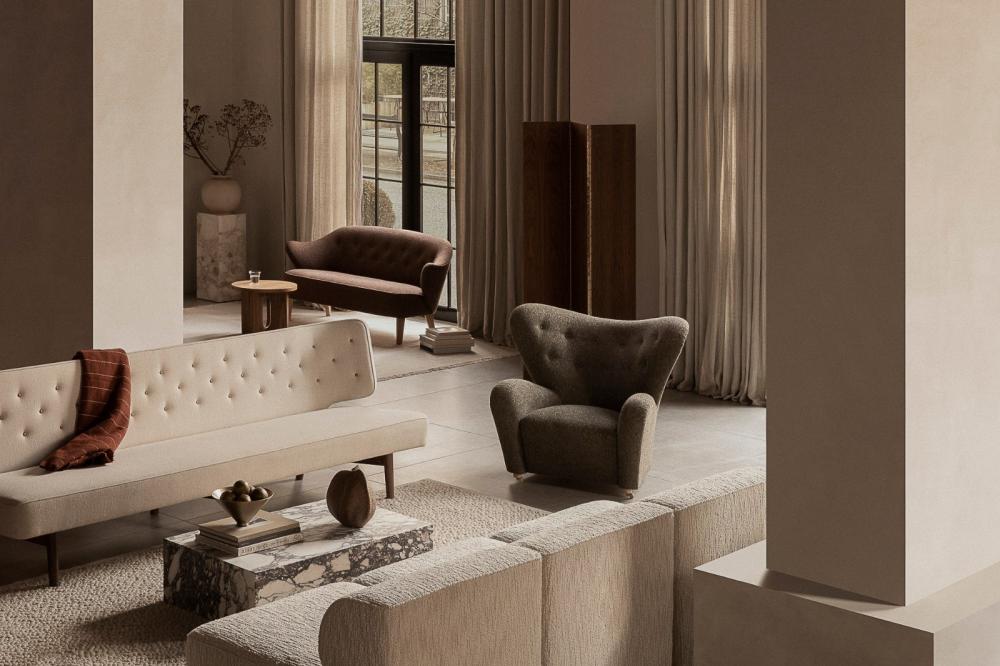
Copenhagen: Scandinavian restaurant elegance
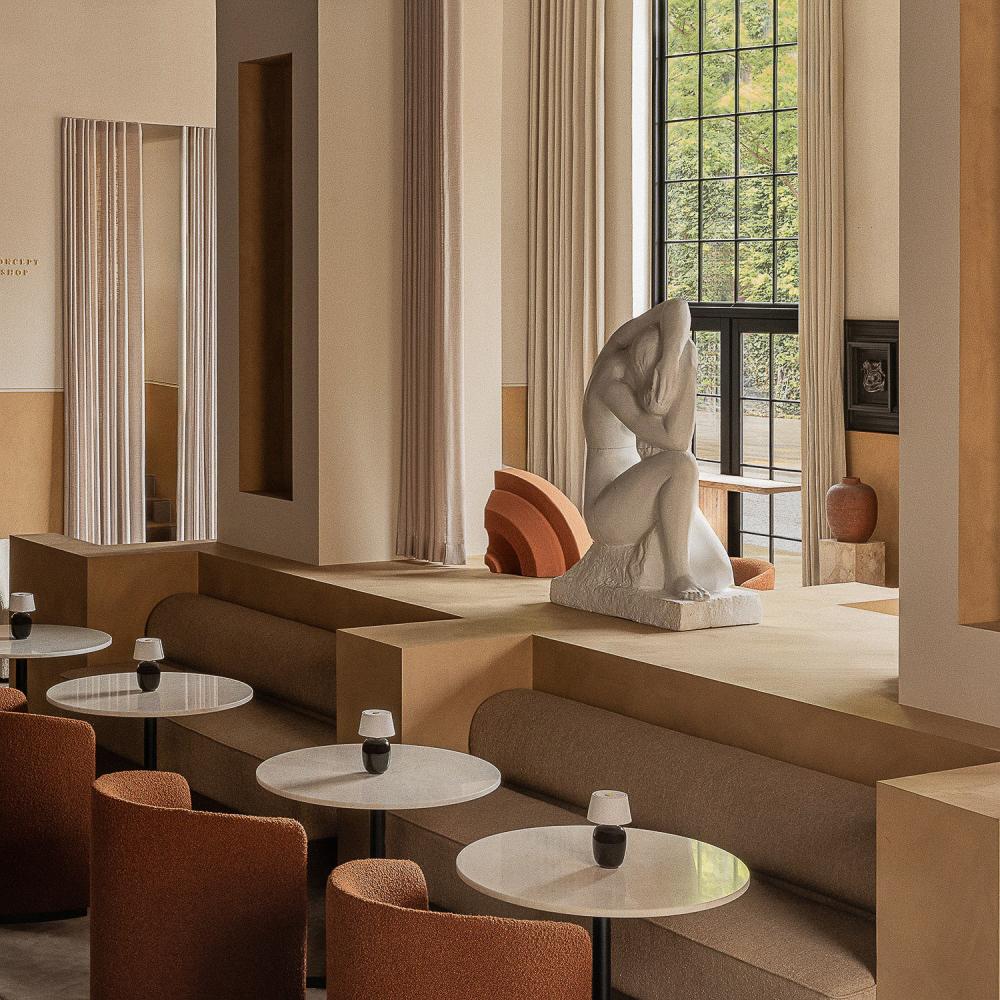
In Copenhagen, the city which has for decades been setting standards of Scandinavian design, restaurant in Audo Copenhagen represents another example of this trend.
The interior is made of almost solely of natural materials: pale wood, stone and matt metal details. The furniture is simple, but carefully designed, while the tables are distributed in such a way that the space remains open and transparent.
Discrete lighting and neutral colour palette create an atmosphere which reminds of a sitting room — the space in which guests stay longer, and the restaurant becomes a place of encounter, conversation and slower food enjoyment.
Such an approach clearly shows why warm minimalism has become one of the key styles of contemporary hospitality design in Europe: it combines the aesthetics of architecture with the feeling of comfort sought intuitively by the guests.
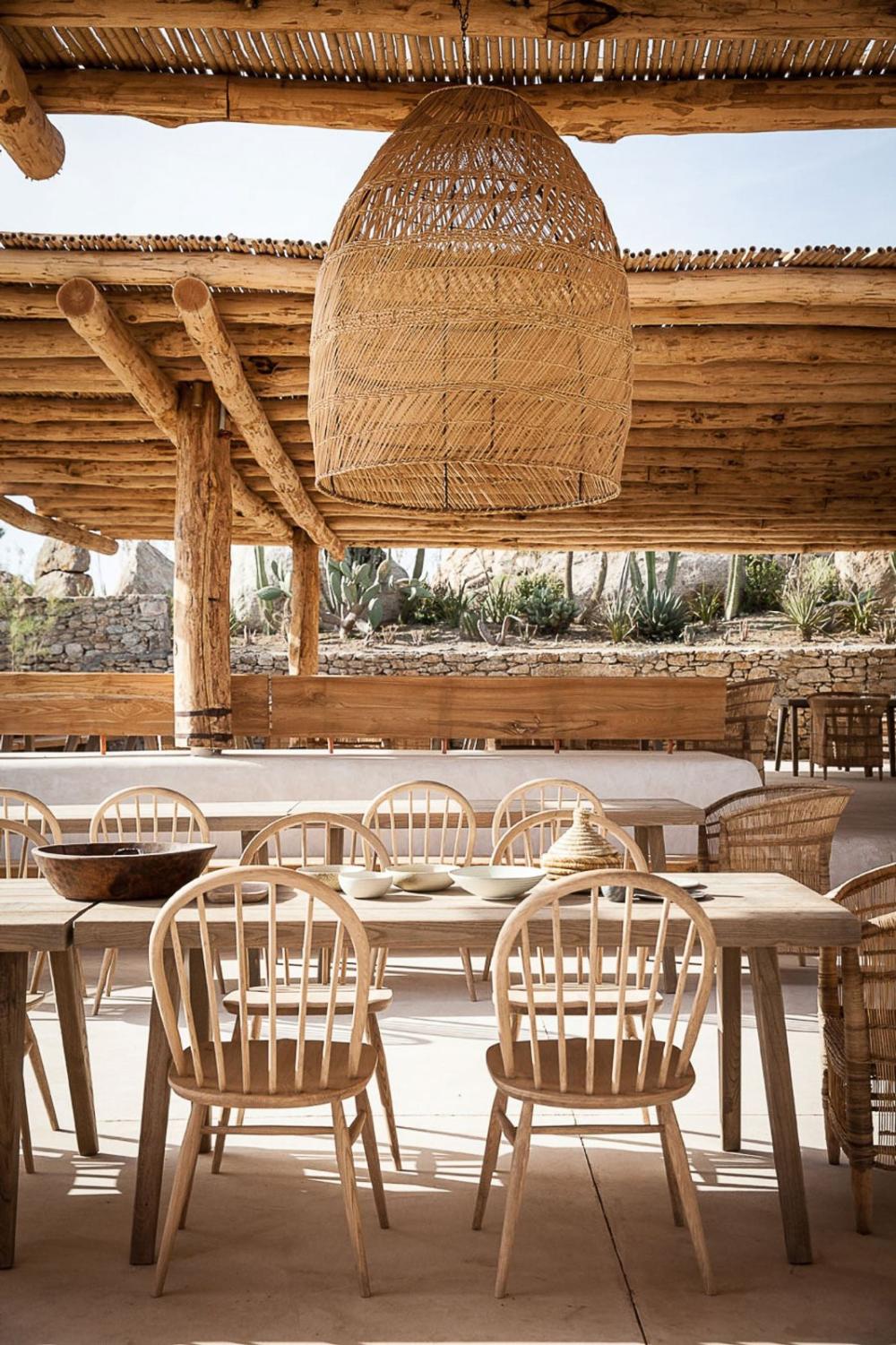
In recent years, designer magazines like Architectural Digest, Dezeen and Wallpaper speak ever more often about the trend they term the Mediterranean revival – contemporary reinterpretation of traditional Mediterranean interior.
It is a style which draws inspiration from the architecture of the coastal cities of Spain, Italy and Greece, while adjusting it to the contemporary lifestyle and hospitality design. White walls, natural stone, terracotta, ceramics and wood become dominant materials again, while the space opens to the light and external ambiance.
Contrary to rustic interpretations of the Mediterranean of the ones which were once popular, the new approach is simpler, cleaner and architecturally subdued. The lines are minimalistic, the decor moderate and the textures of the materials come to the fore.
Colour palette matches the coastal landscape: sand, olive green, warm earth shades and blue tones which remind of the sea. It is exactly such combination which creates a space which seems relaxed and natural, but also sophisticated.
Mediterranean revival has, therefore, become one of the most desirable styles in modern restaurants, beach clubs and boutique hotels all over Europe.
Greece: modern Mediterranean on the coast of Mykonos
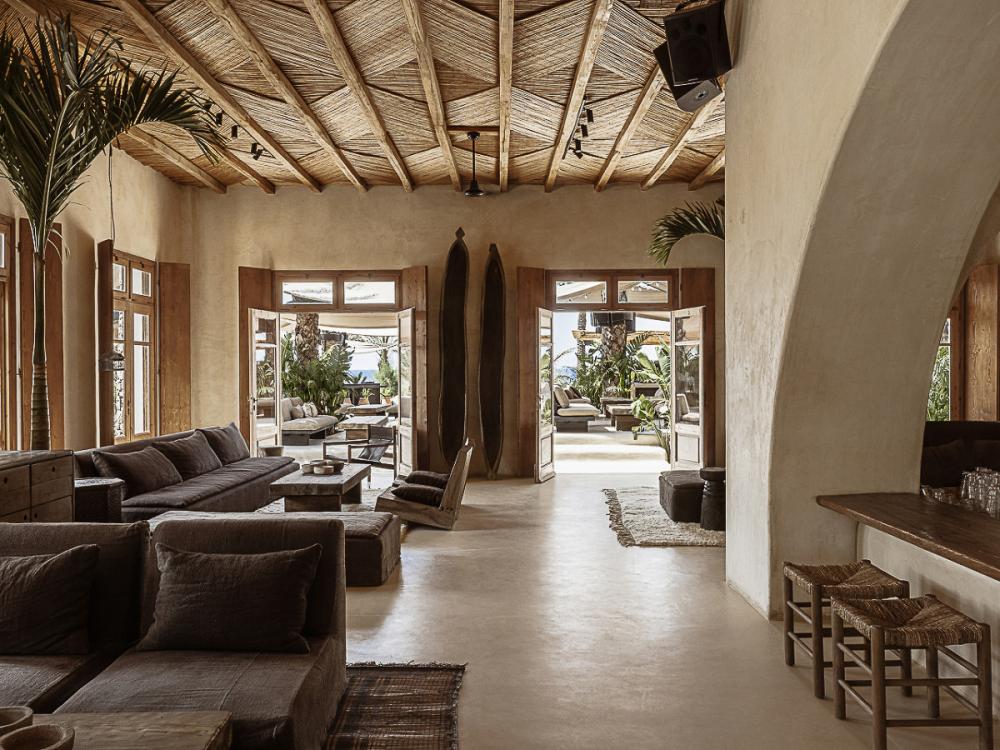
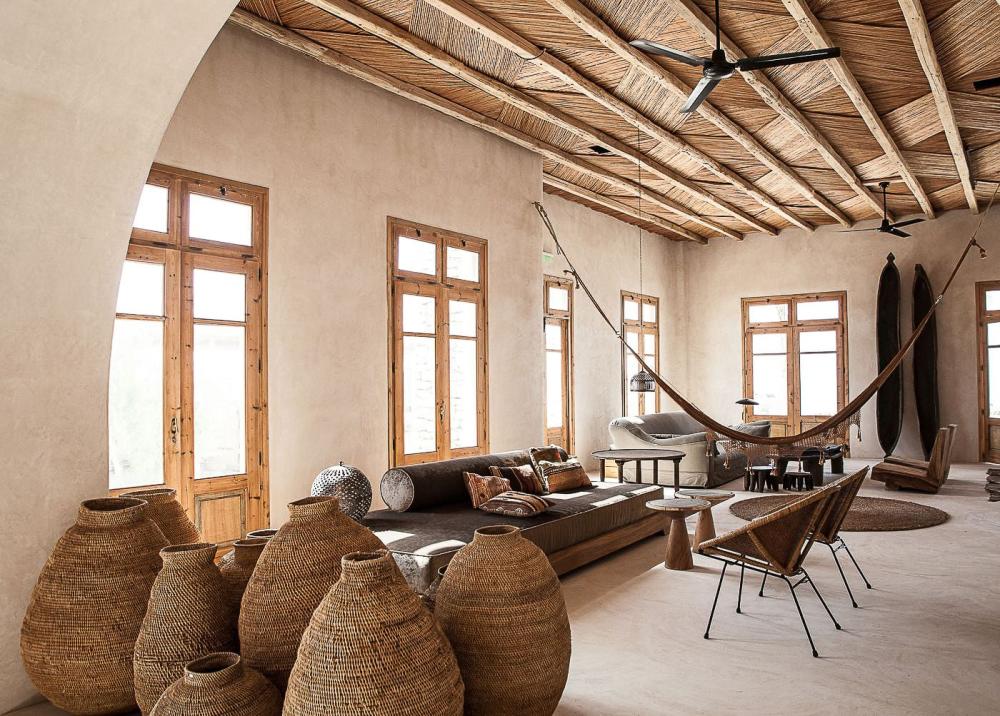
On the island of Mykonos, one of the best-known examples of this style is Scorpios Mykonos, a beach restaurant and club. The space is designed as a contemporary version of a traditional Mediterranean village: white walls, stone terraces and wooden pergolas create an architecture which almost blends in the landscape of the island. The interior is full of handmade wooden furniture, linen fabrics and ceramics in natural shades.
Instead of luxury being imposed, it is discrete elegance and the sense of relaxed stay by the sea which dominates. That combination of simplicity and aesthetics has made this space one of the most-photographed beach clubs in Europe.
Spain: modern Mediterranean restaurant in Madrid
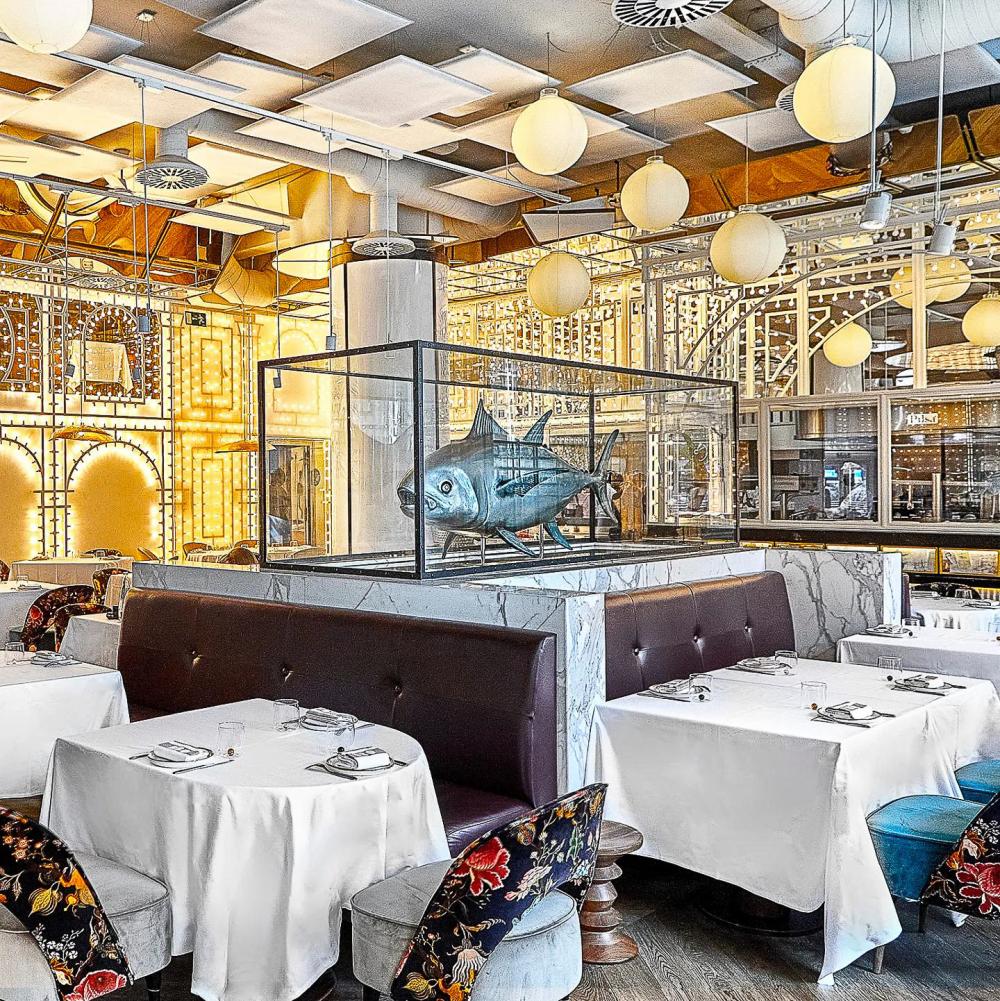
In Spain, modern Mediterranean appears also in urban restaurants, Bibo Madrid in Madrid being one of such examples.
Its interior combines warm palette of Mediterranean colours with contemporary design: terracotta tiles, wooden details and the sea-inspired décor create an atmosphere which reminds of the restaurants along the coast of Andalusia.
Big bar in the centre of the space, open shelves with ceramics and discrete lighting contribute to the feeling of liveliness and Mediterranean energy, while contemporary designer elements preserve the urban character.
Such spaces demonstrate how traditional Mediterranean motifs ca be reinterpreted in the modern hospitality design, creating an ambiance which is both authentic and contemporary.
Lisbon: Mediterranean spirit in modern urban restaurant
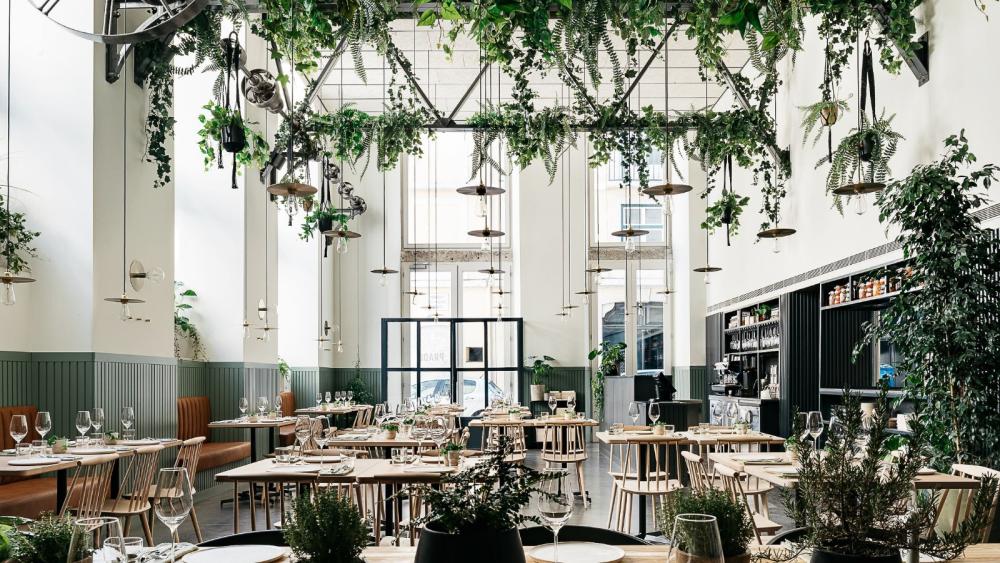
In Lisbon, the city in which the Atlantic Ocean and the Mediterranean culture meet almost wherever you go, Prado restaurant is often mentioned as an example of contemporary interpretation of the Mediterranean design.
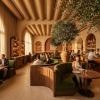
It is located in a former industrial building, but its interior was transformed in an ambiance which seems light, natural and open. It is dominated by pale wood, natural stone and ceramics, while the walls are painted in neutral daylight reflecting shades.
Big wooden tables, simple chairs and abundance of plants create an atmosphere resembling Mediterranean produce markets and gardens. Instead of decorative luxury, the emphasis is on materials and light, which gives the space a calm and authentic character.
Such approach illustrates perfectly the philosophy of the Mediterranean revival style: reinterpretation of traditional Mediterranean elements through modern architecture, where space remains simple, yet full of life and texture.
.jpg)
.jpg)
.jpg)