

Whether you are opening a new bistro, a large capacity café or freshening up an old neighbourhood bar, the 2026 trends are defined by the warmth of the space, hyper-personalization and harmonious integration of “invisible” technology.
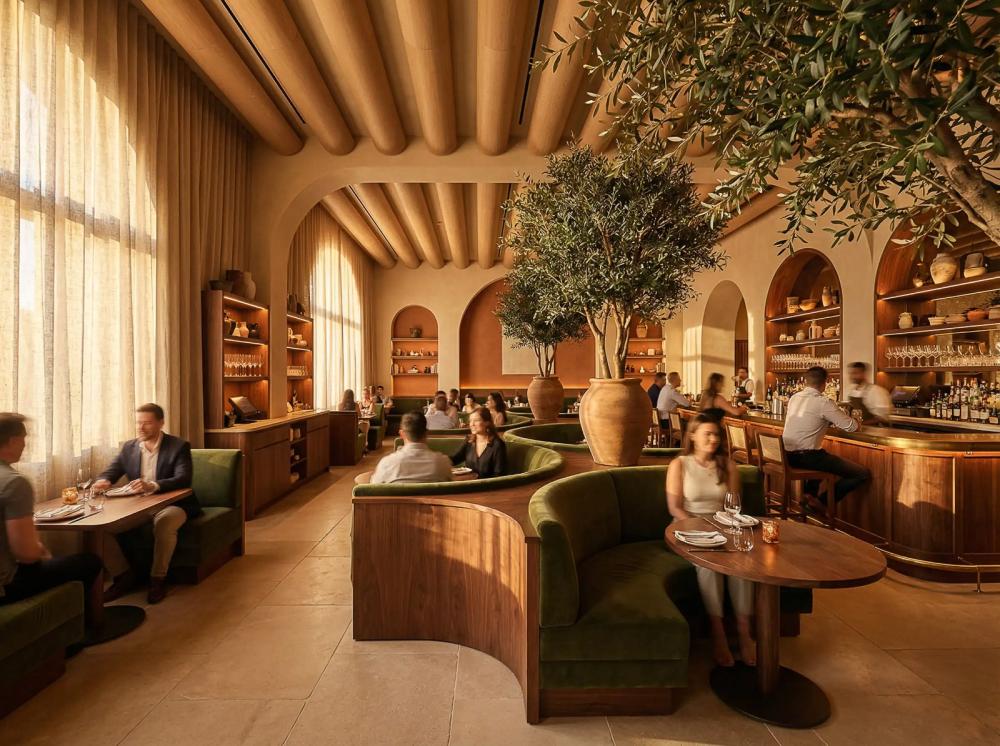
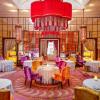
Design in hospitality/catering industry is undergoing a big transformation towards what the industry experts call “emotional architecture”. It is not enough anymore for a space to look good on a photo or on the screen, it has to be appealing to the body and soul. If recent years have been marked by survival and adaptations, this year is the year of reconnection. The era of “sterile industrial” café — with cold concrete floors, visible ventilation tubes and uncomfortable metal chairs — is officially behind us.
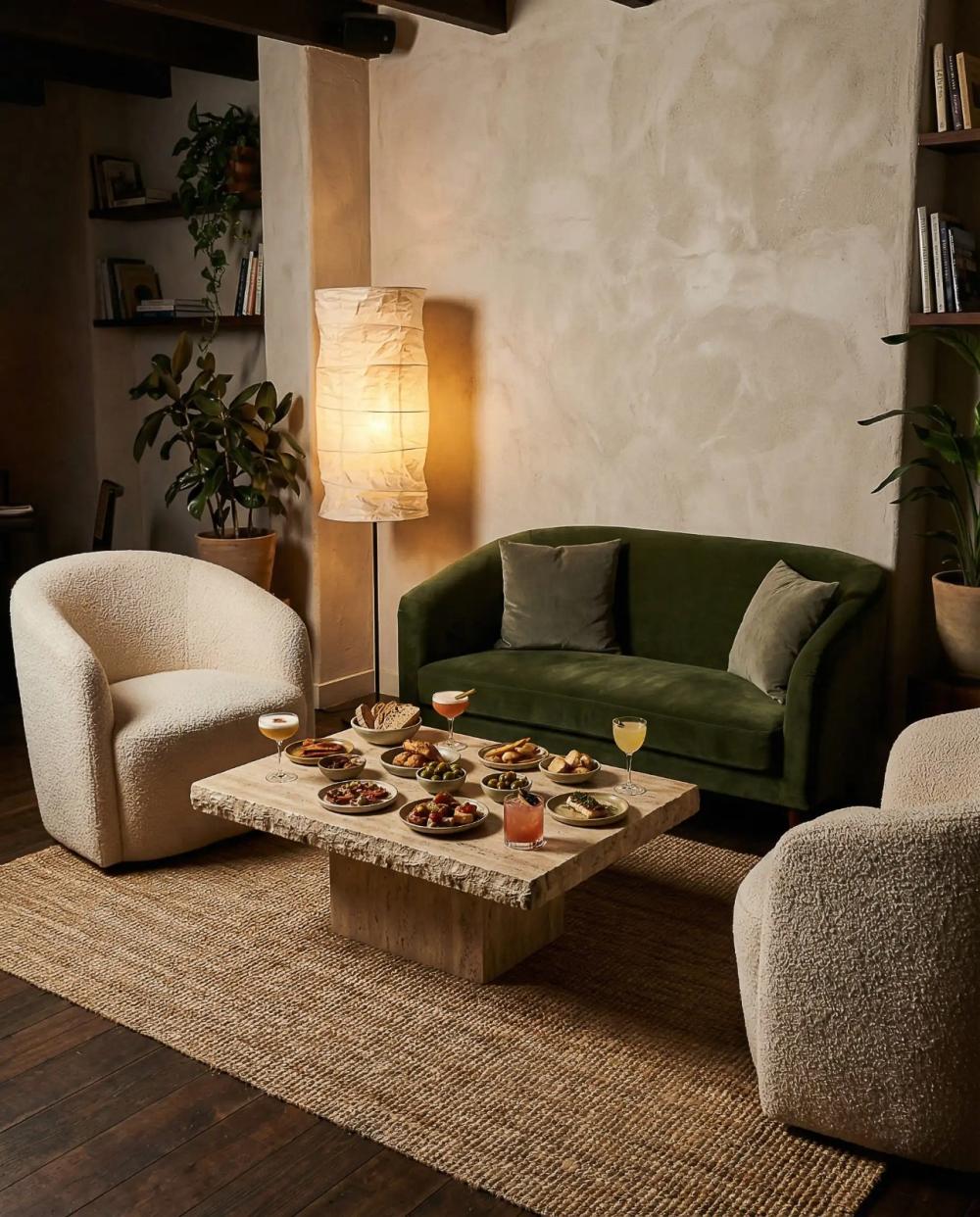
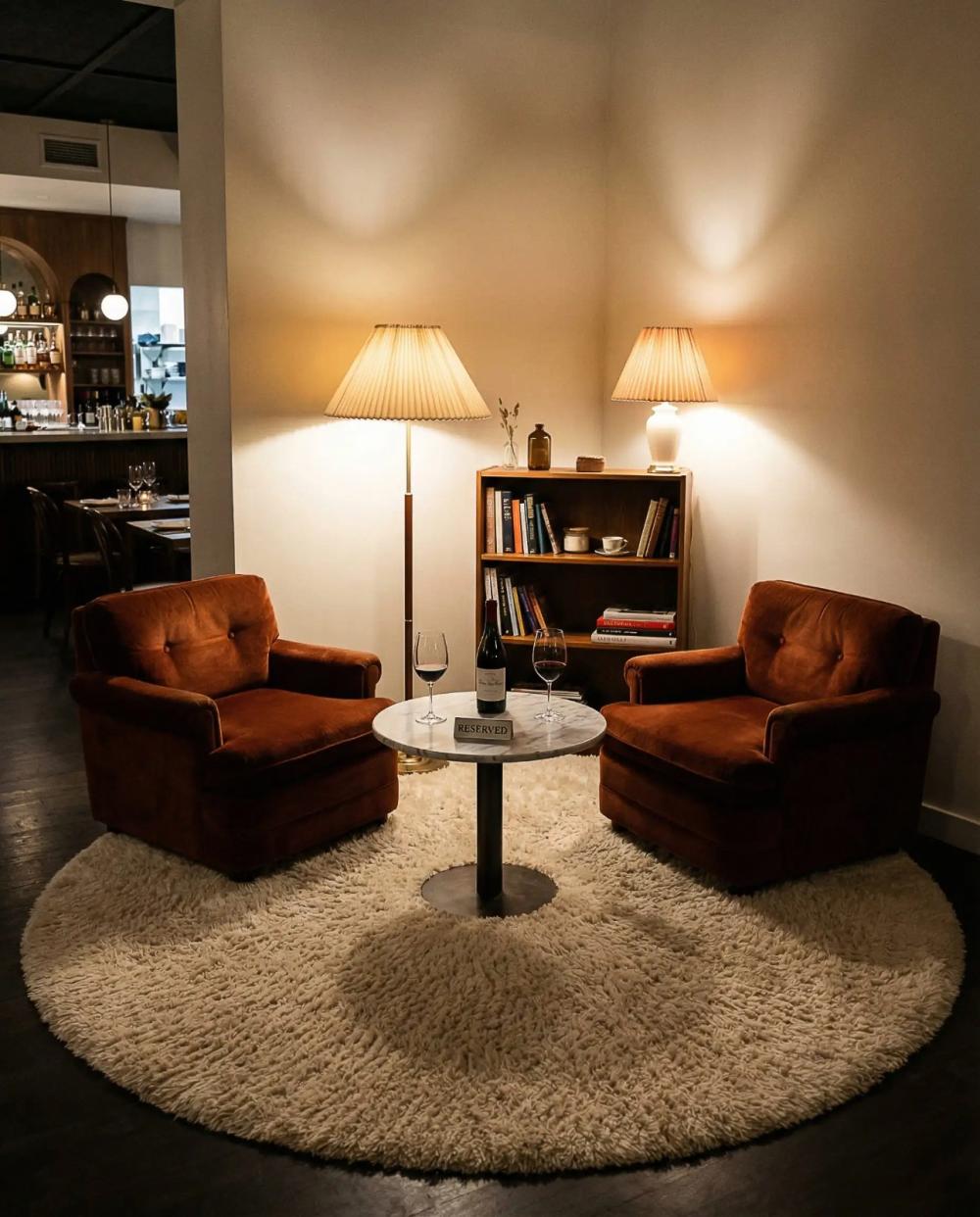
Bar design today develops in various directions, keeping up with the changes in the habits of alcohol consumption in 2026. With the growing “Sober Curious” movement, bars are not the places for mere presentation of liqueur bottles anymore — they are becoming places where specific beverage preparation alchemy is presented.
Back bar is changing. Instead of the rows of branded vodka bottles, which often seem like a billboard, shelves are filled with homemade infusions in unbranded glass jars, fermentation vessels and fresh herbs. Its design now reminds more of a pharmacy or laboratory than of a typical liqueur store. This sends a clear message to the guests that the trade and skill of preparing beverages is in the centre of attention, regardless of whether it contains alcohol or not.
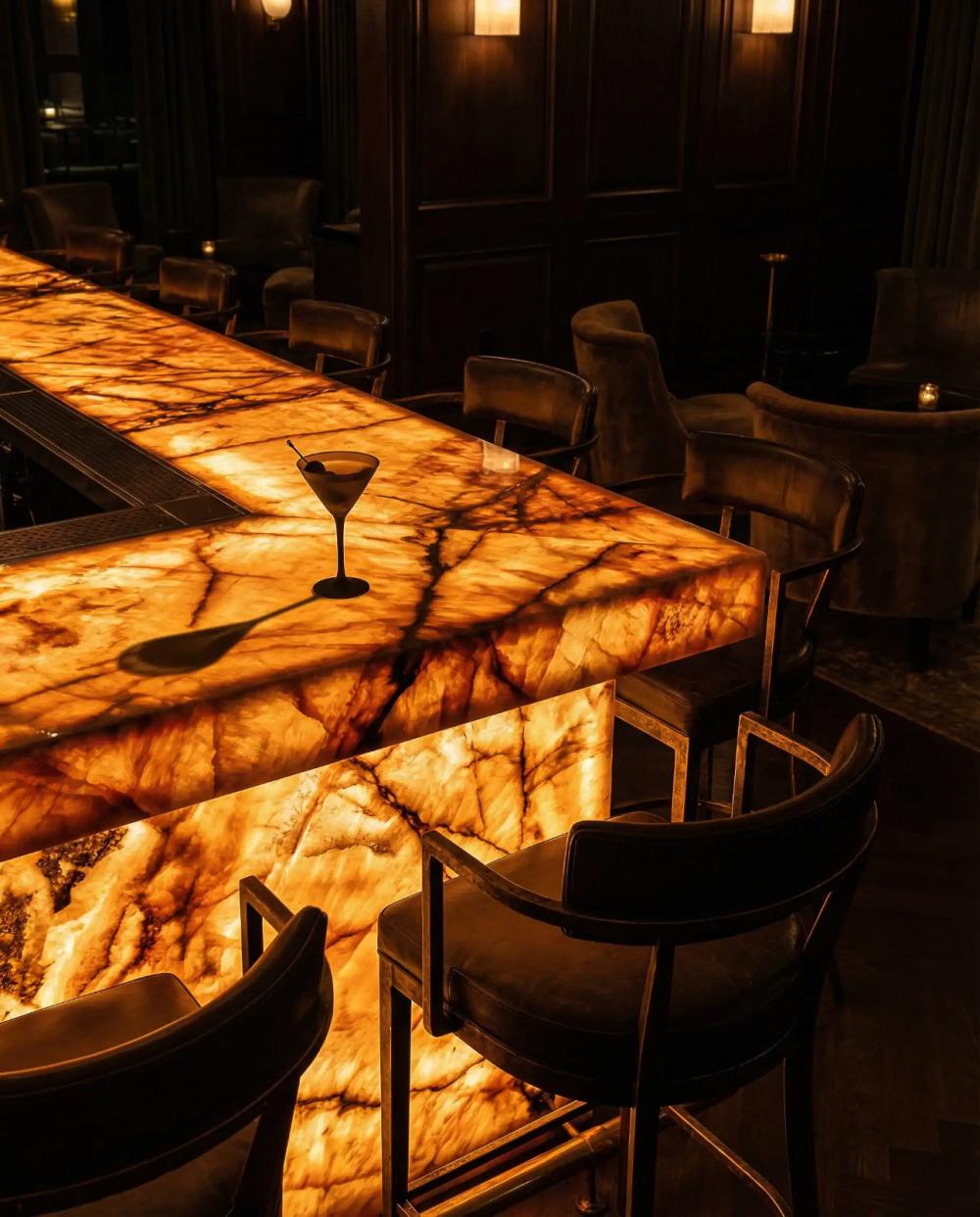
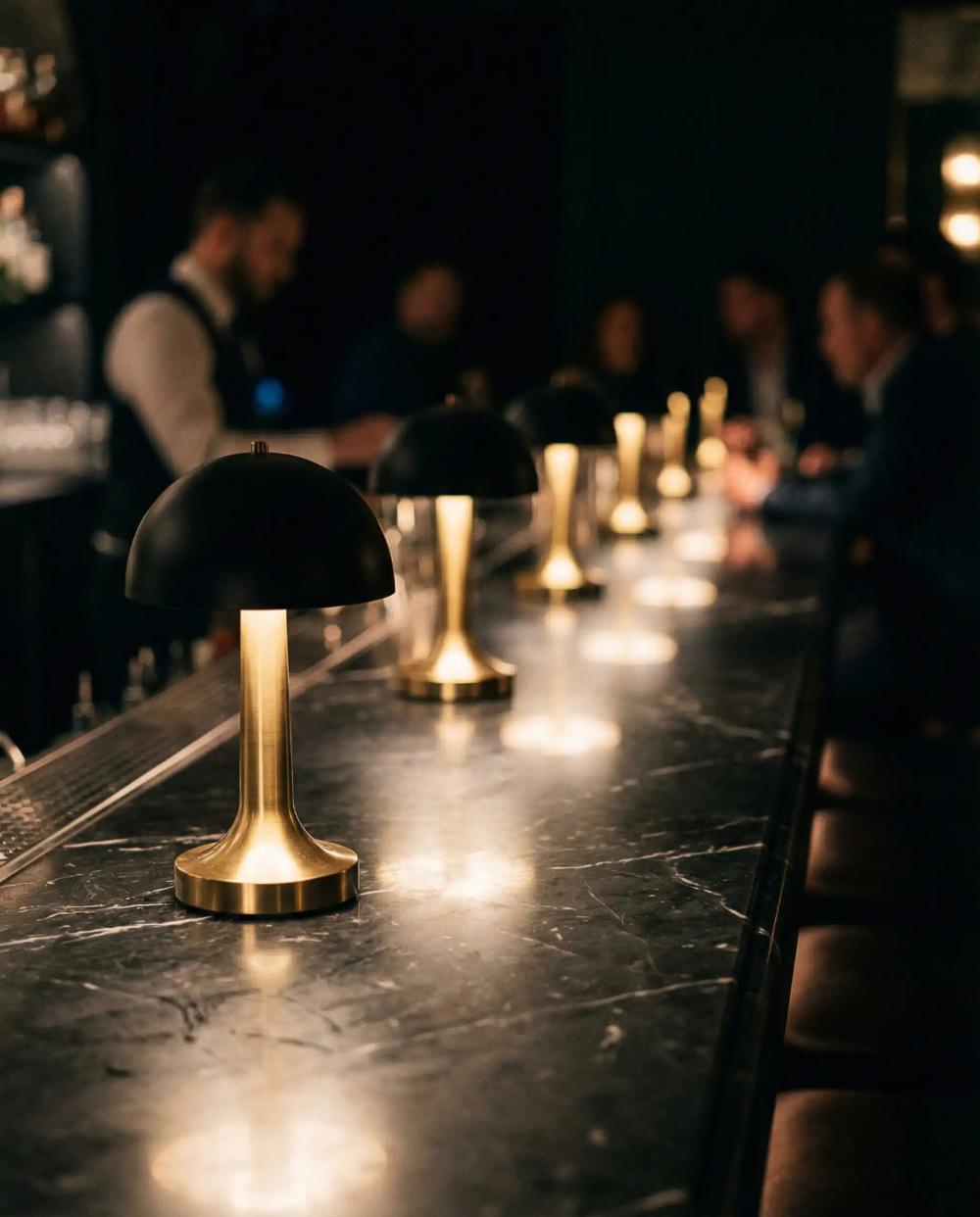
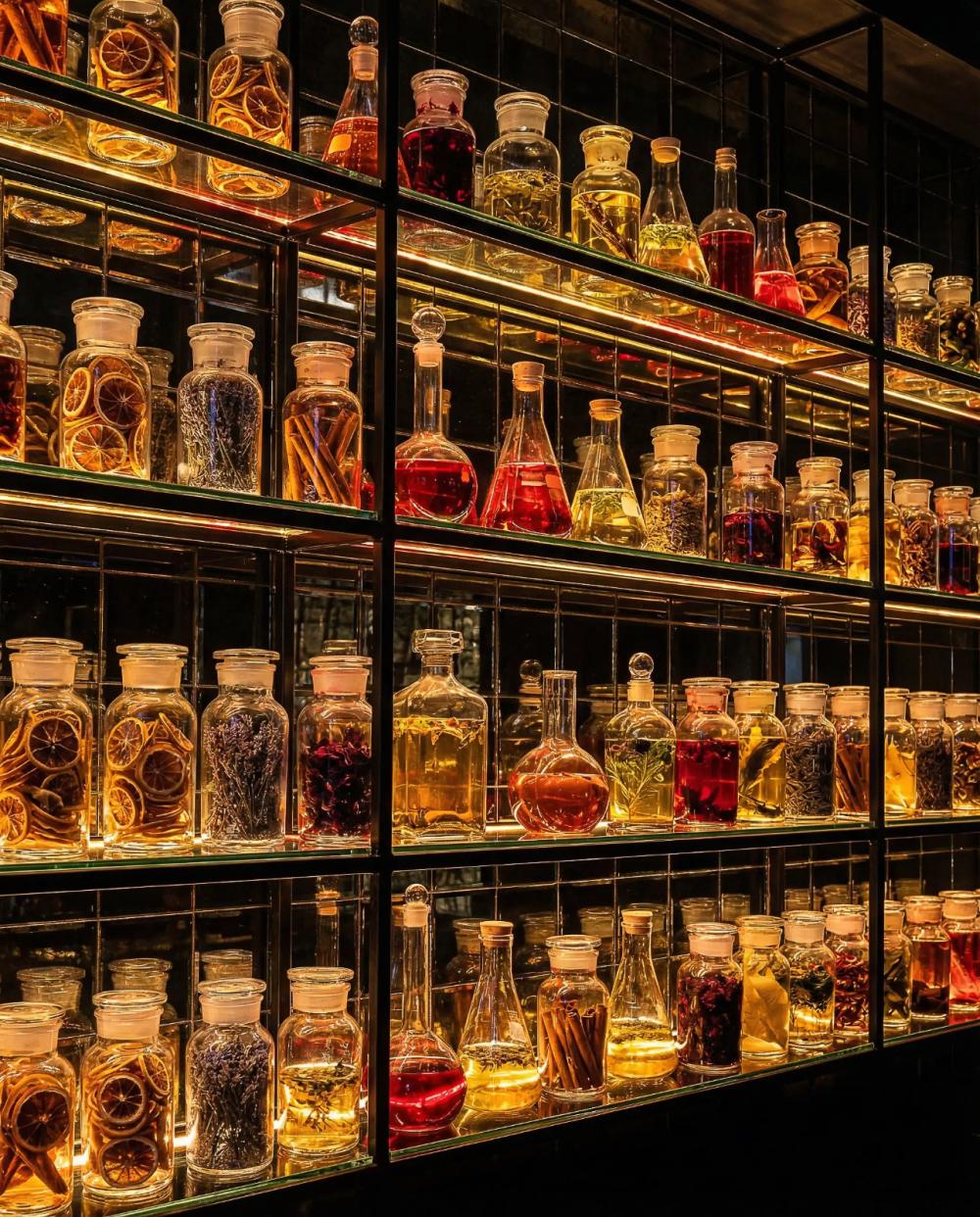
Bar front is currently the most photographed element in hospitality/catering projects.
Fluted and ribbed details: Wooden or gypsum elements with vertical relief which create rhythm and catch light.
Background lit semi-translucent stone: Onyx or quartzite sheets lit from behind, to create a warm, slightly dramatic effect resembling a fireplace glow.
Micro-serves: Trend in the glasses focusing on smaller, but superior “micro-serves” (mini cocktails). For that reason, bar tops often have several tiers or small pedestals for elegant presentation of beverages.
Illumination is of lower level and more ambient than ever. Wireless table lamps are becoming a standard, replacing hanging ceiling lamps so as to create more intimate atmosphere. The ceiling, thus, becomes visually clean, while the focus remains on people and beverages.
In 2026, technology is omnipresent in the hospitality/catering industry, yet almost inconspicuous. The goal is to provide frictionless guest experience, without losing the human touch. Instead of “technology-for-the-purpose-of-technology” approach (like awkward tablets on the tables), the concept of “ambient intelligence” is increasingly being adopted.
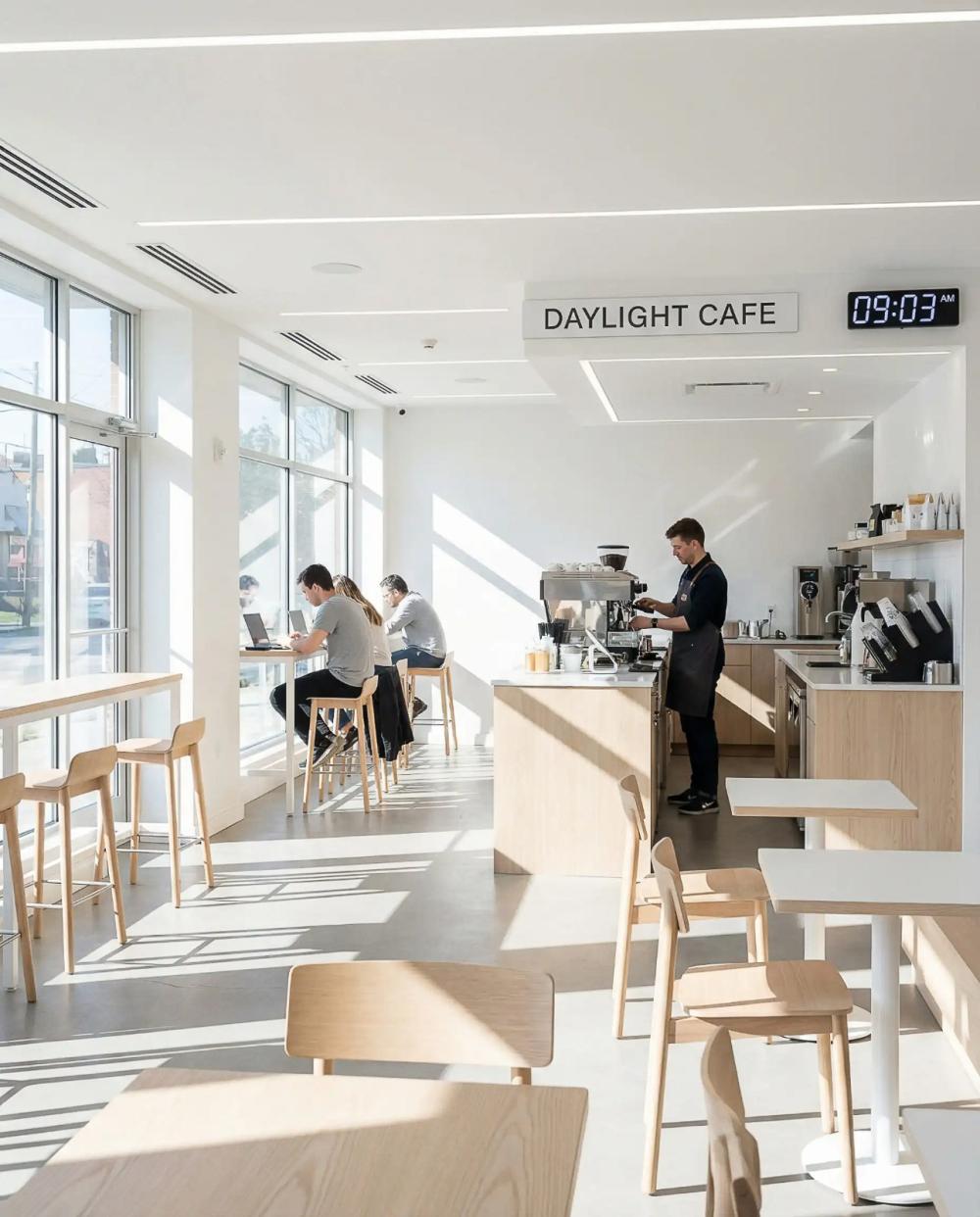
Smart lighting becomes a silent hero of the 2026 design. Contemporary systems adjust automatically the light colour temperature to match the part of the day, imitating the natural rhythm of the sun.
Morning: Clear, bright white light which boosts the energy in the cafés.
Afternoon: Light softens towards a neutral white one
Evening: Turns into warm, golden shade resembling the candlelight during the evening serve.
Such illumination provides subconscious stimulation for the body to relax and to stay longer in the space — and often also to order a dessert.
Audio systems are becoming increasingly smarter and use sensors which detect the level of noise in the space. With the space filling up and becoming noisier, the system adjusts subtly the sound volume and equalisation (amplifies bass, reduces treble) in order to make it always possible for conversation to go on at the table, while preserving the sense of privacy.
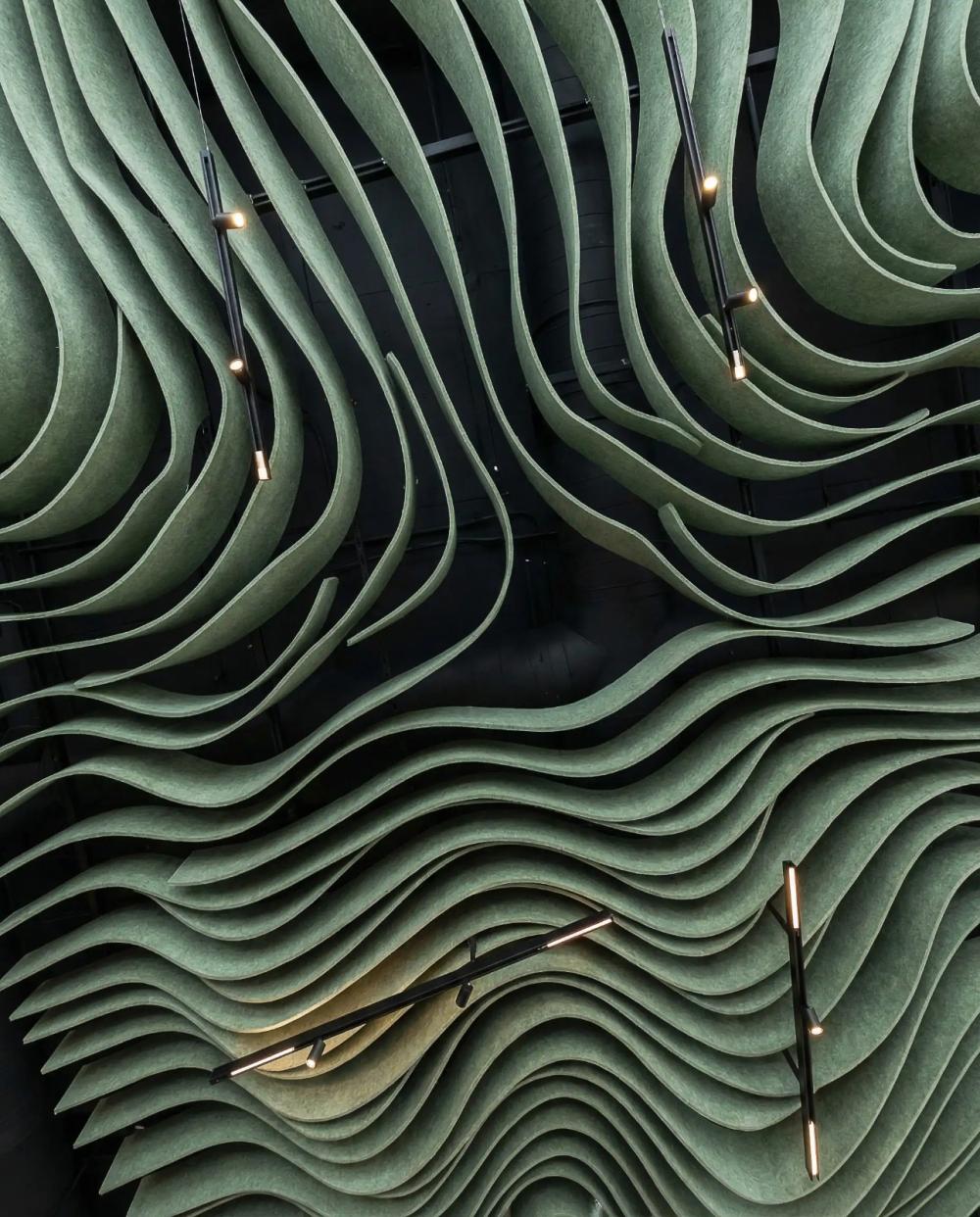
Sound which you can see: acoustic panels and sound treatments more and more often become aesthetically shaped, almost sculptural elements of the interior, not only technical noise suppression solutions.
Restaurants use AI modelling increasingly more in the designing stage so as to simulated guest and personnel movements through the space. In that way, checks are carried out beforehand, for instance, to see if the routes waiters take from the kitchen to the table 4 intersects with the routes guests take to go to the ladies’/gents.
The goal is to reduces collisions, service delays and unnecessary movements even before a restaurant opens its door.
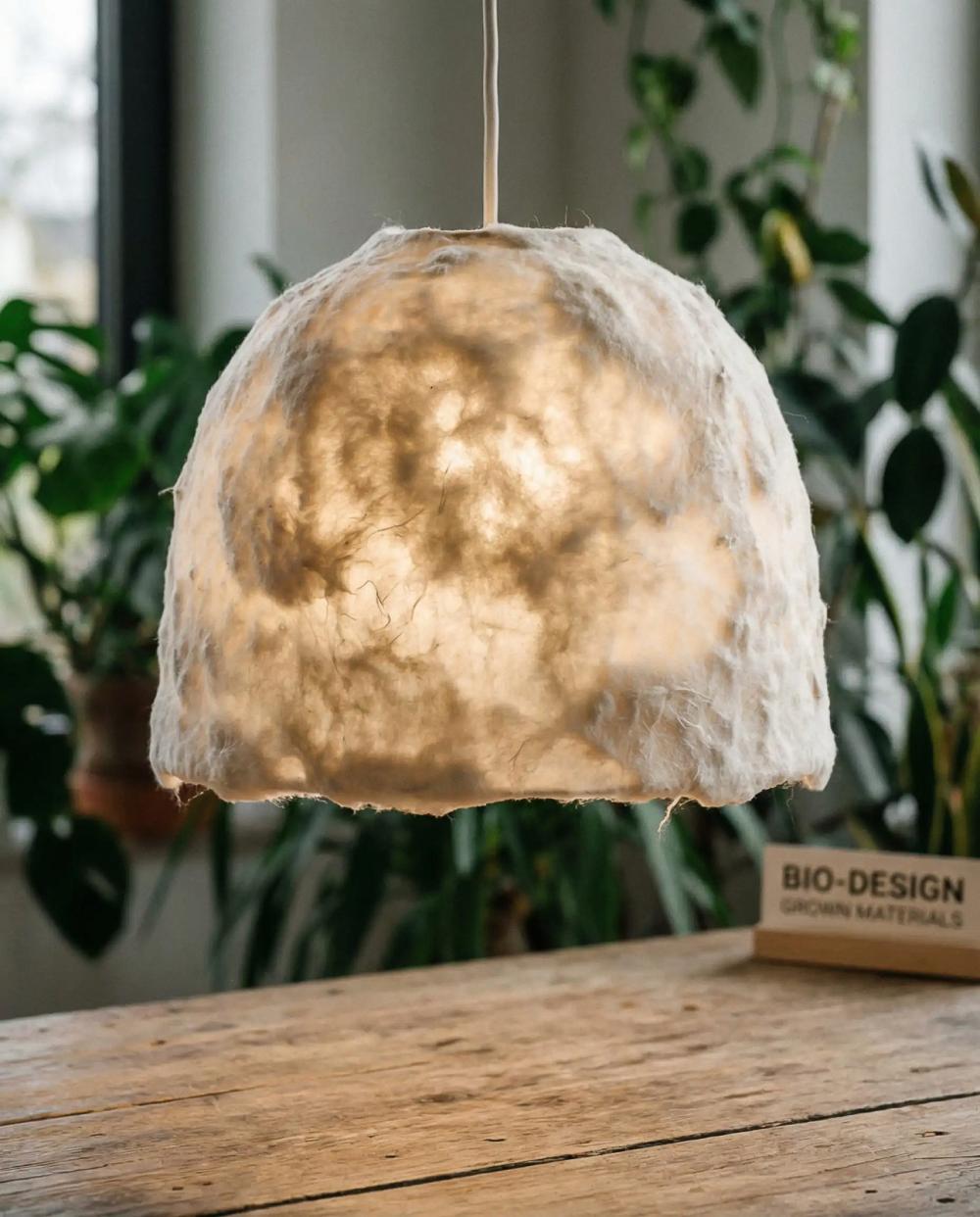
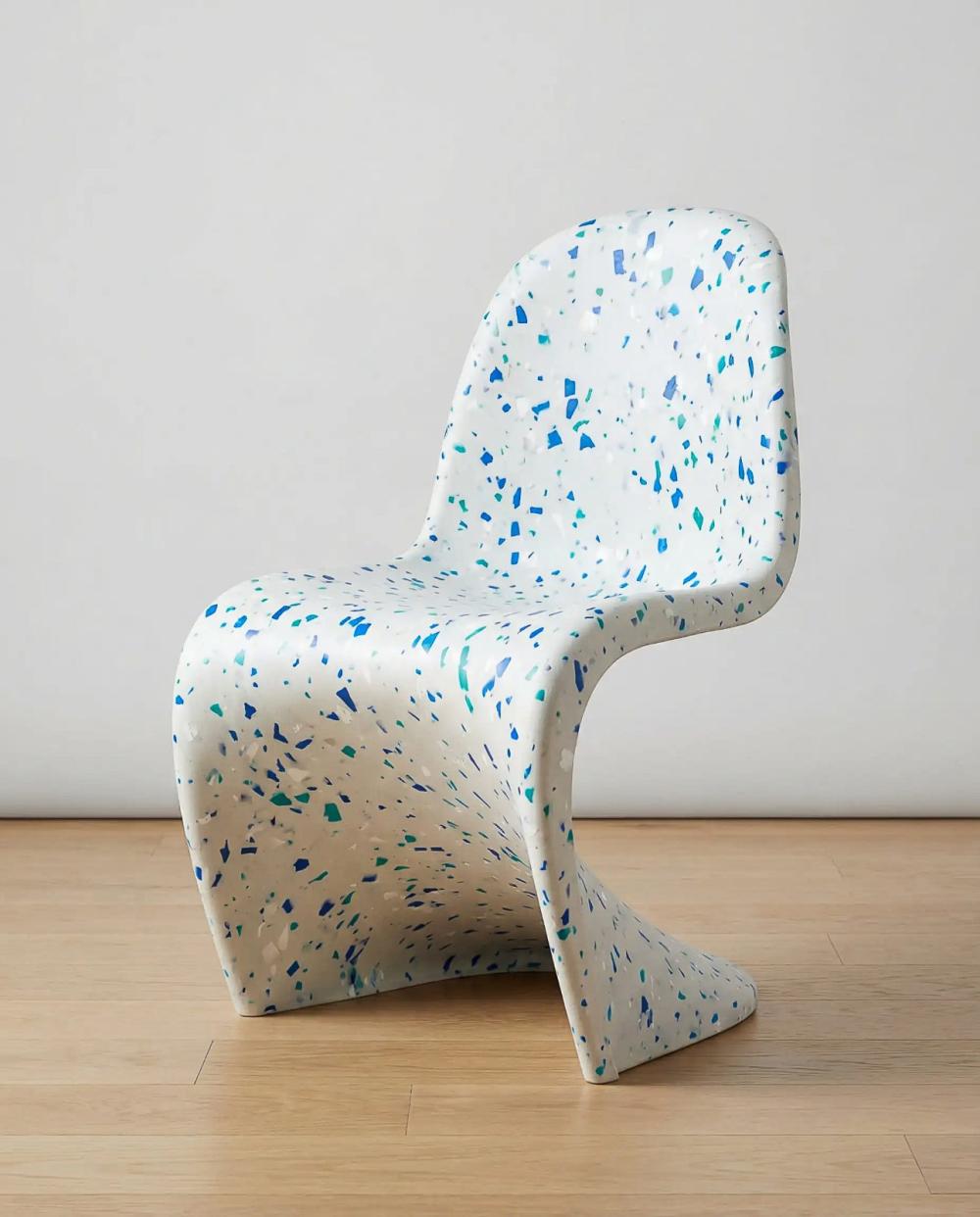
The so-called “bio-design” is becoming increasingly more prominent.
Mycelium lamp: Lighting fixtures grown from mycelia (fungi root network) are becoming more widely. They are 100% compostable, fire resistant and have fine velvety texture.
Circular furniture: Tables made of recycled construction waste or chairs made of plastic recuperated from the ocean become a real designer statement in superior interiors. The aesthetics is described as “perfectly imperfect”.
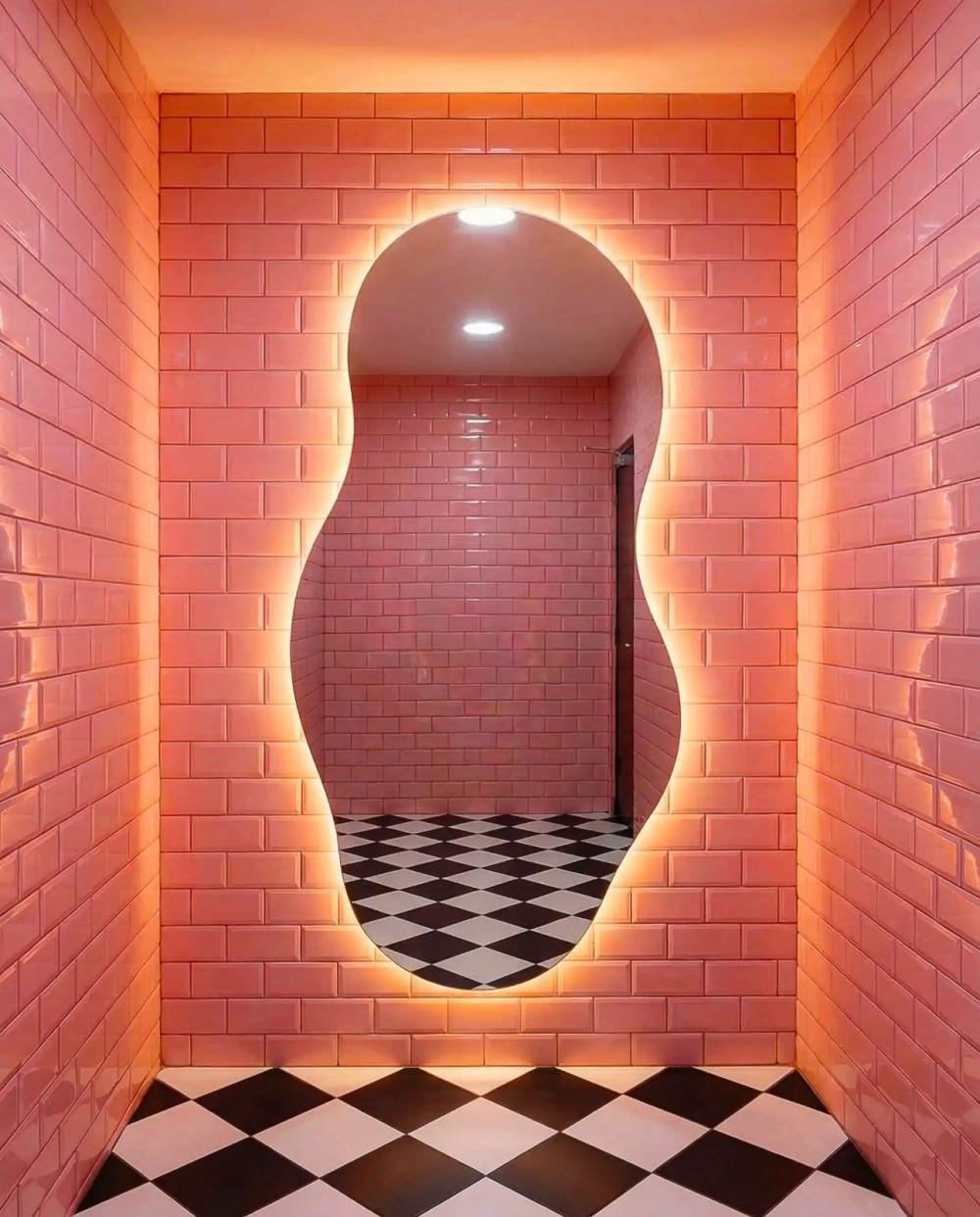
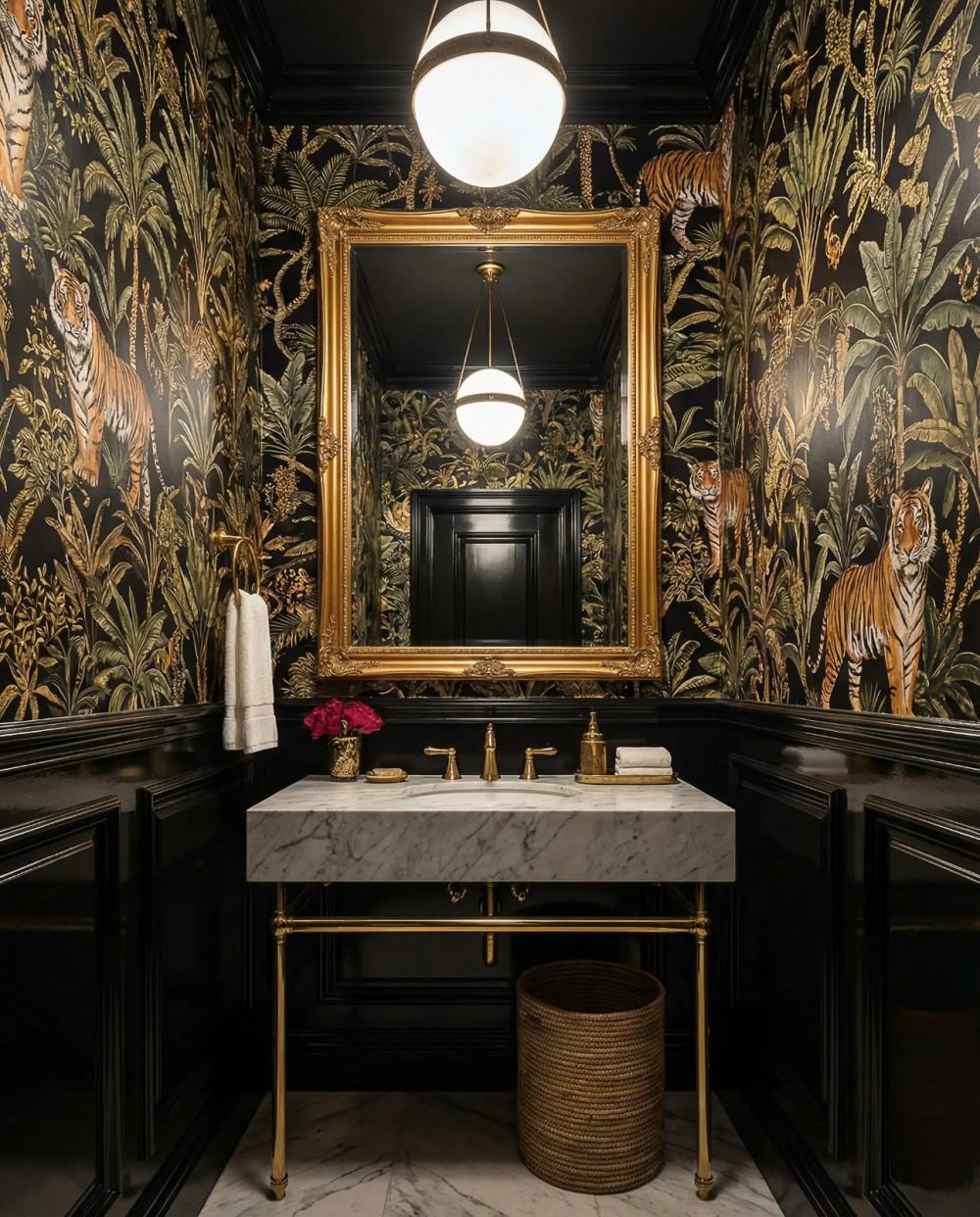
It sounds unusual, but the ladies’/gents’ have become one of the main marketing tools used by many hospitality/catering spaces. In 2026, the ladies’/gents’ spaces are designed as a sort of “surprise portals” — the space that looks totally different from the restaurant front end.
While the dining area is often organized in the warm-minimalism style, calm and subtle, the ladies’/gents’ area is often the explosion of samples, colours and sound.
Daring wall covers: Floor-to-ceiling murals or intensive, maximalist wallpapers.
Selfie mirror: Full-height mirrors with creative lighting, designed specifically for “outfit check” selfie. Illumination is crucial here — it has to be soft and flattering (front-side lighting), and not bright as in the case of ceiling lights.
Audio surprises: Some restaurants play totally different audio background — audio-books, nature sounds or even disco-music — in order to create a special “break” from the restaurant front end experience.
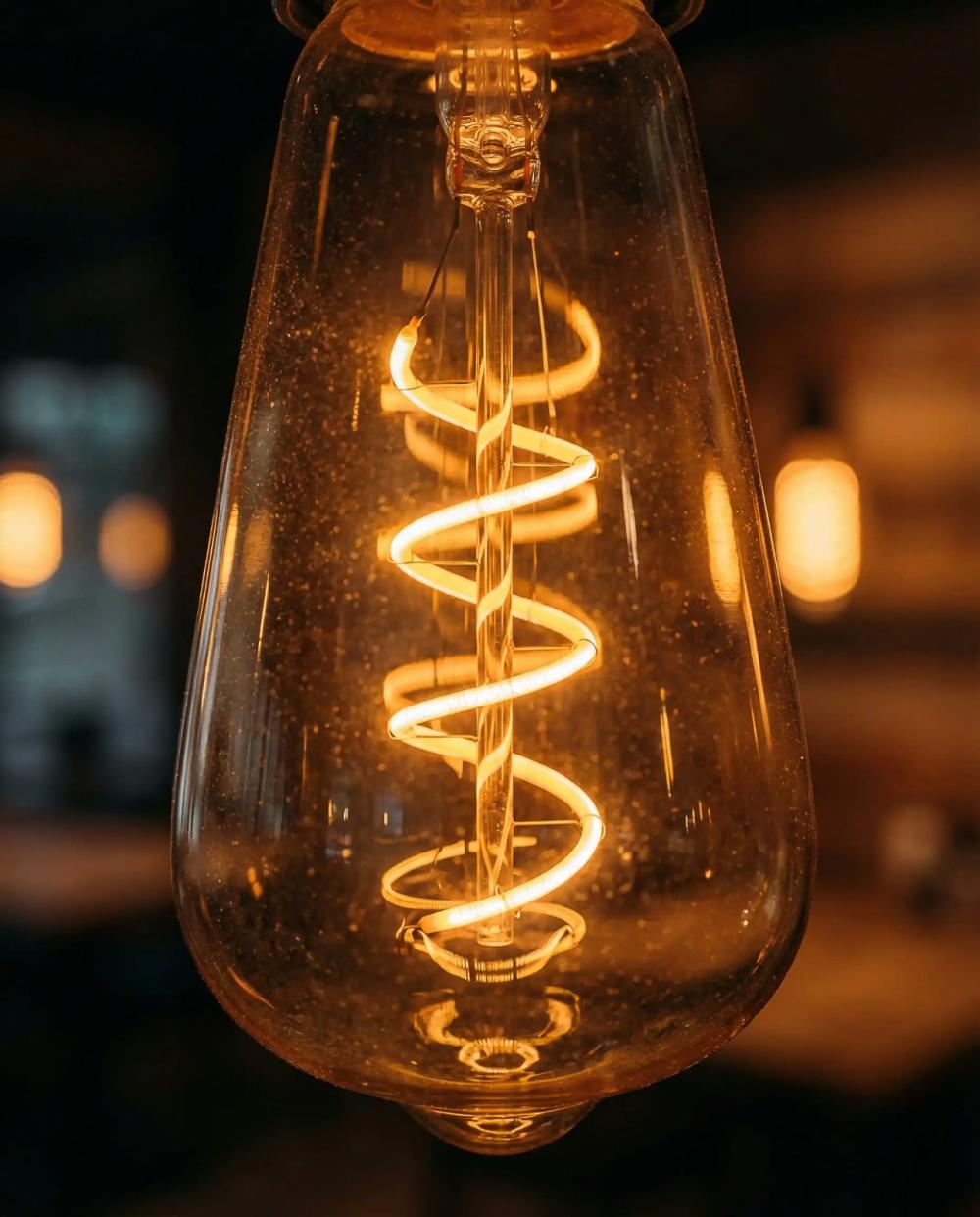
If you are not ready for thorough reconstruction of the space, here are five changes with big effect and relatively low cost which will bring your ambiance in line with the 2026 trends.
1. Change lightbulbs
This is the cheapest change with greatest return on investment. Replace all the lightbulbs which have the light temperature greater than 3000K. Aim for warm white for daylight use and for evening atmosphere. Install dimmers wherever possible.
2. Introduce tactile fabrics
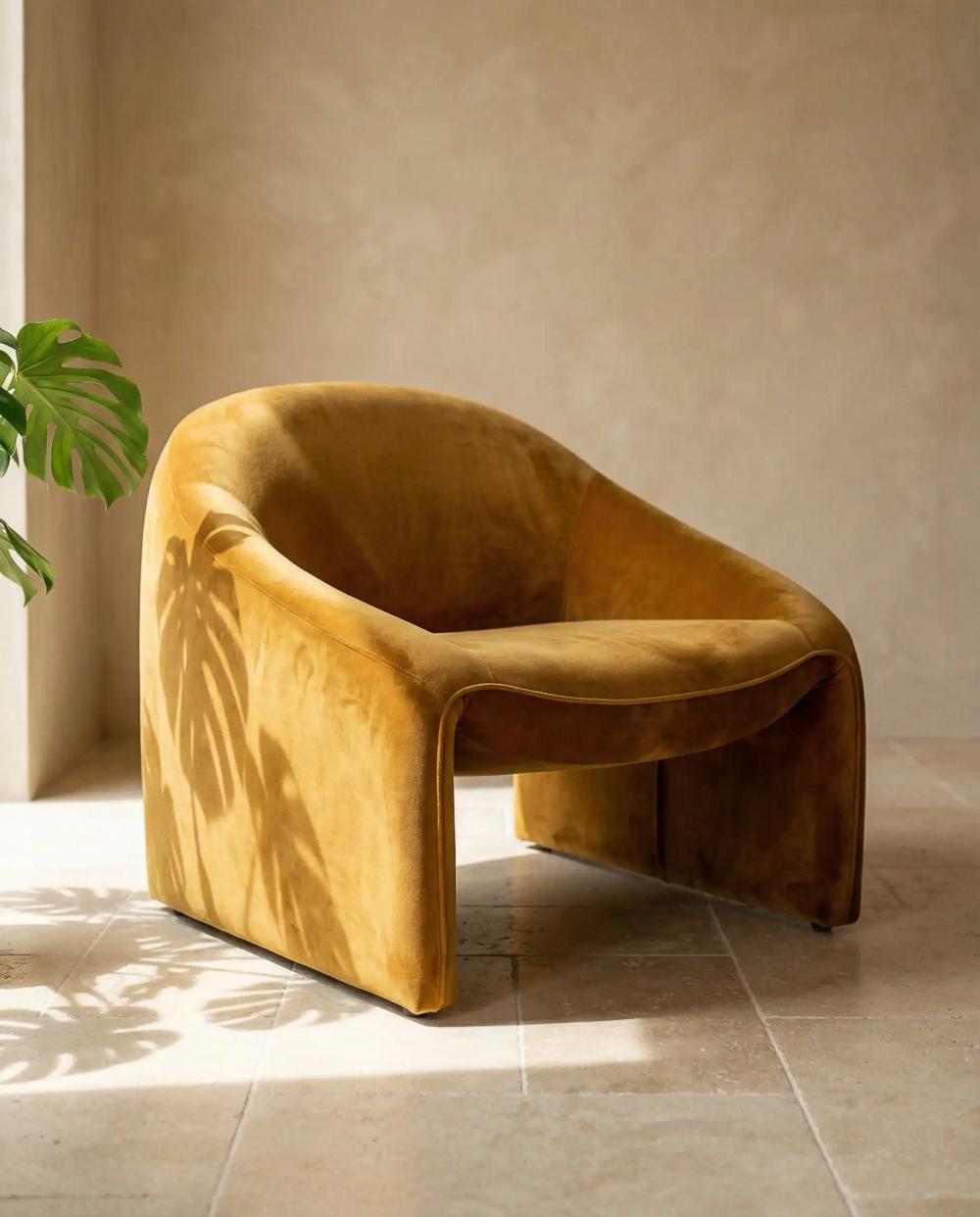
The era of “hard surfaces” has ended. Replace vinyl pillows on the chairs with commercial velvet or hard woven materials. Add blankets or sheepskin on terrace chairs in order to extend the use season.
3. Introduce “big” nature in the space
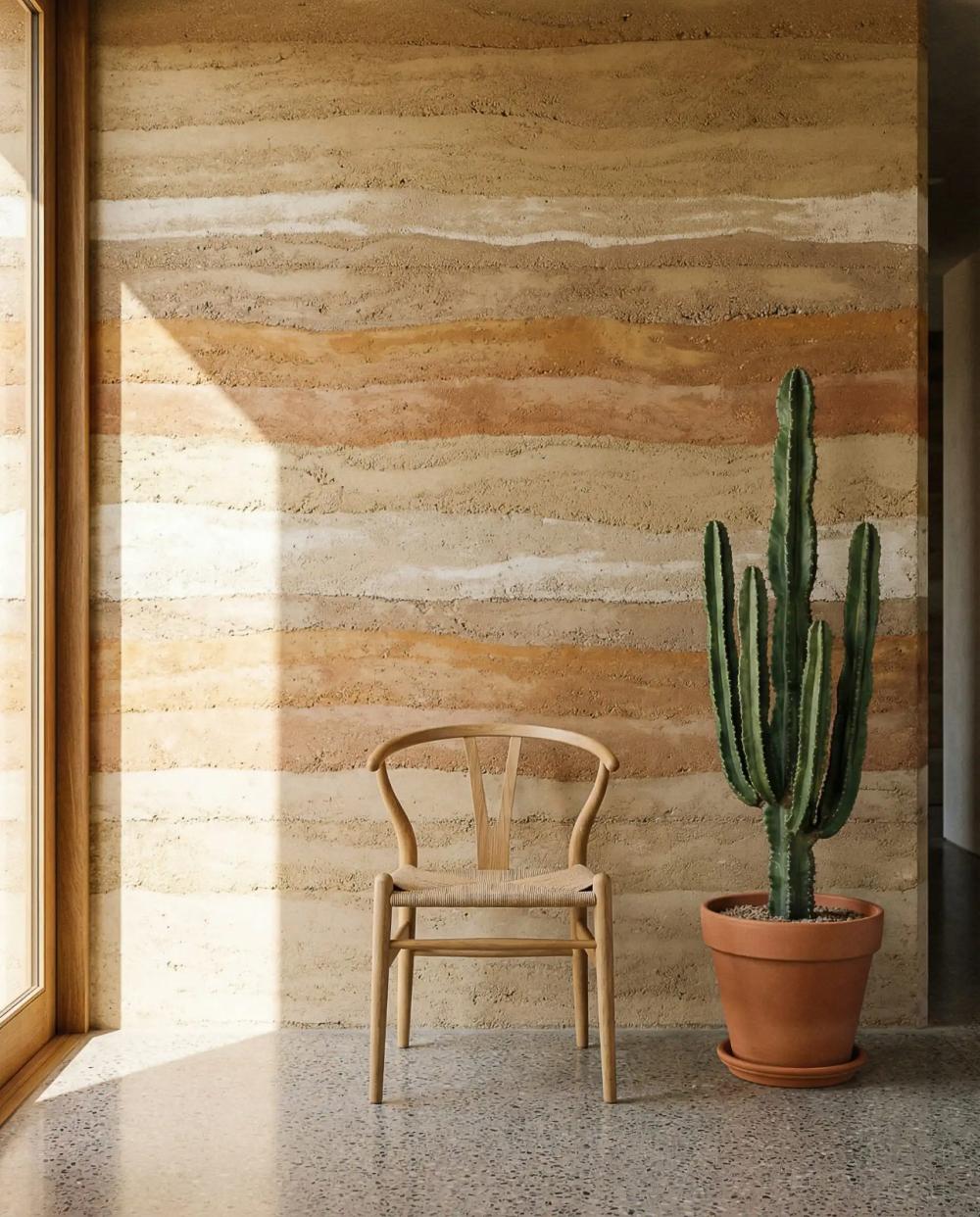
Remove small succulent plants from the tables. Instead, invest in one or two big decorative trees (for example, Ficus Amstel King or Black Olive) in order to create the effect of natural treetop in your space.
4. Freshen up tableware
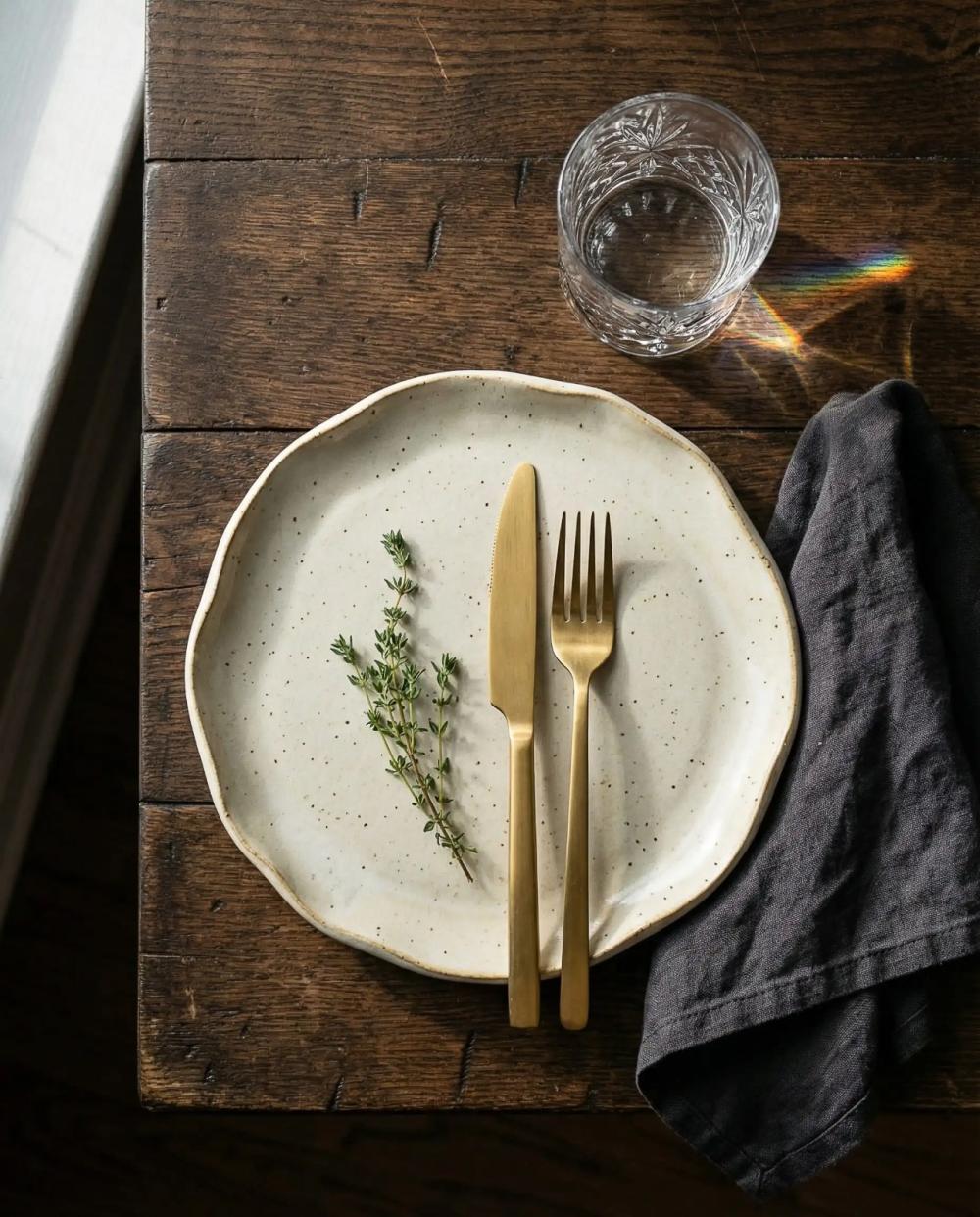
A plate is a canvas which gastronomic experience begins on. Reject perfectly white ones, industrial round plates and move onto organic-shaped crockery with matt finish and earth-like shades (sandy-cream, moss, slate).
5. make a small “corner”
If you have an unused corner, turn it into a semi-private lounge area. Add carpet, low coffee table and two comfortable armchairs. Such area often becomes the most-sought-for one in a restaurant, especially for meetings over coffee.
Frequently asked questions about the design of hospitality/catering spaces in 2026
Has “industrial style” become completely obsolete in 2026?
- Cold industrial style (shiny metal, rough grey concrete) is on decline. However, “soft industrial” style is still sustainable. This implies retaining the uncovered bricks or installations but their painting in warm creamy or terracotta shades, in combination with soft wood and plants in order to make the space look warmer and less sterile.
How to design the space to be appealing to the “Instagram” generation and, still, not to look gaudy?
- Avoid “Instagram walls” (walls with neon wings or slogans). In 2026, guests prefer “authentic moments”. Design a nice corner with good lighting, unique chair and interesting plant. Let the guests discover the photo-spot themselves, do not impose it. The ladies’/gents’ areas are also excellent for more daring designer solutions.
What is the best floor cover for a busy café in 2026?
- Large porcelain tiles imitating natural stone (like travertine) are trendy. They offer resilience of ceramic, but also warm, organic appearance of natural stone. Terrazzo is still popular, only in warner, earth-like shades, contrary to the light, “confetti” combinations from previous years.
How much space should I leave for delivery people?
- Ideally, special entrance should be made, or at least a dedicated waiting area near the door, visually separated from the guest area. In 2026, the best solutions make sure the sitting guest is never disturbed by the passing of delivery bag in front of him/her.
.jpg)
.jpg)
.jpg)