


In Mediterranean squares it is served from large glass dispensers, while in Europe's finest bars it has become the foundation of sophisticated alcohol-free cocktails. Yet its greatest value remains its simplicity—freshly squeezed lemons, water, and ice.
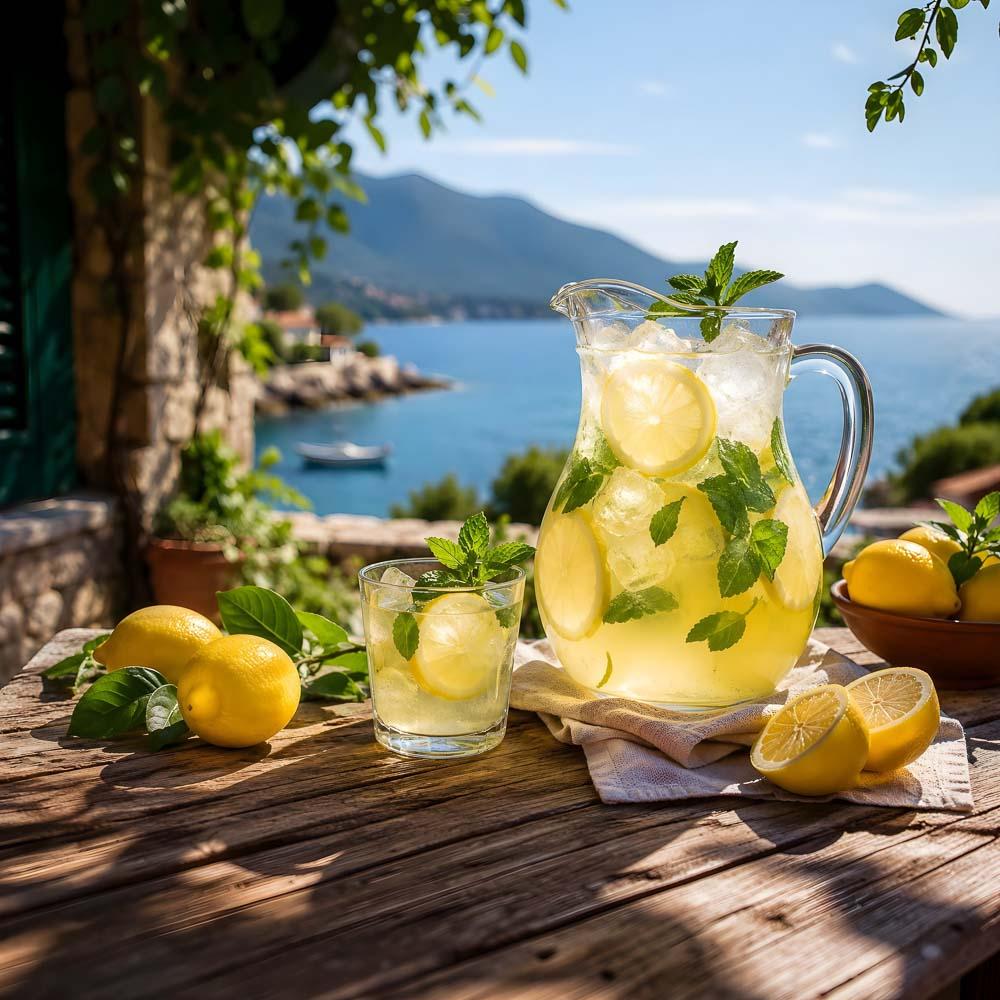
Lemonade has never gone out of fashion. On the contrary, it has simply evolved in the way it is served. Today, it is just as common on the streets of Mediterranean cities as it is in Europe's finest hotel bars, where it serves as the base for creative non-alcoholic cocktails.
Walk through Palermo, Bari, Syracuse, Málaga, Valencia, or Chania in Crete during the summer, and it is almost impossible not to come across a stand or small kiosk where fresh lemons are being squeezed. In some places, lemonade is served from large glass dispensers filled with ice; elsewhere it is prepared fresh to order, while some cafés present it in elegant glasses garnished with sprigs of fresh mint or rosemary. Tourists stop for a refreshing break, locals enjoy it almost daily, and lemonade is as much a part of everyday life as a morning coffee or an evening stroll along the waterfront.
Interestingly, customs vary from country to country. In France, many bistros and cafés are more likely to serve a chilled bottle of citronnade than freshly made homemade lemonade. Freshly squeezed lemonade is more commonly found at markets, in small local cafés, or in tourist districts. Italy has remained faithful to tradition—particularly in the south and along the Amalfi Coast—where lemons are still squeezed in front of guests. Meanwhile, Greece and Spain continue to prepare lemonade using local citrus fruits, often enhanced with aromatic herbs that grow in almost every garden.
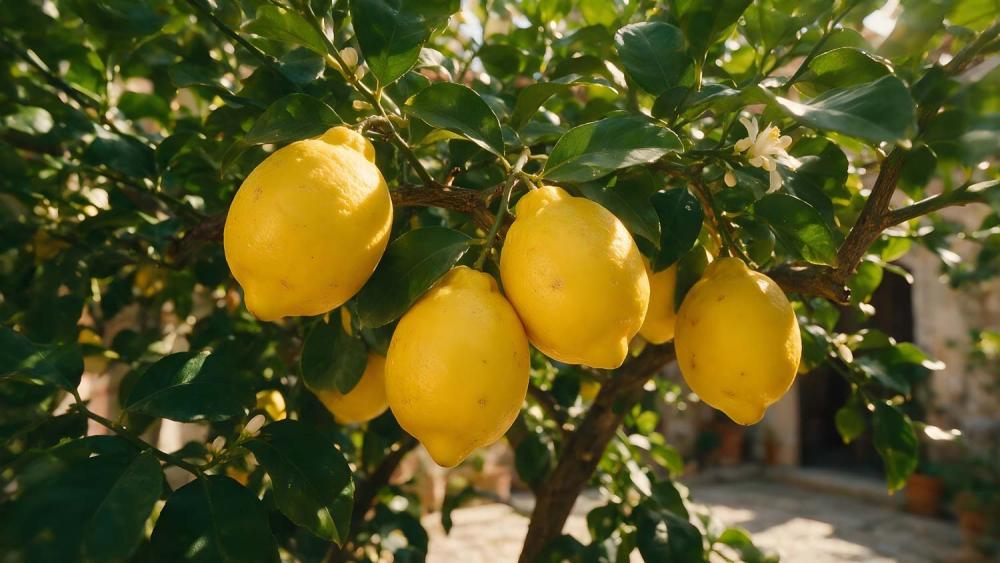
And what about Montenegro? We have the sea, sunshine, a Mediterranean climate, and lemon trees that thrive in almost every coastal town. Fruit-laden trees adorn gardens in Bar, Ulcinj, Herceg Novi, Tivat, Kotor, and Budva. Yet most of the lemons found on supermarket shelves are imported. It is somewhat paradoxical that in a country where lemons grow so successfully, their retail price is often far from modest, especially during certain times of the year.
Perhaps this is exactly why it is time to start viewing lemons as much more than fruit for tea or salads. They have the potential to become one of the signature flavors of the Montenegrin summer.
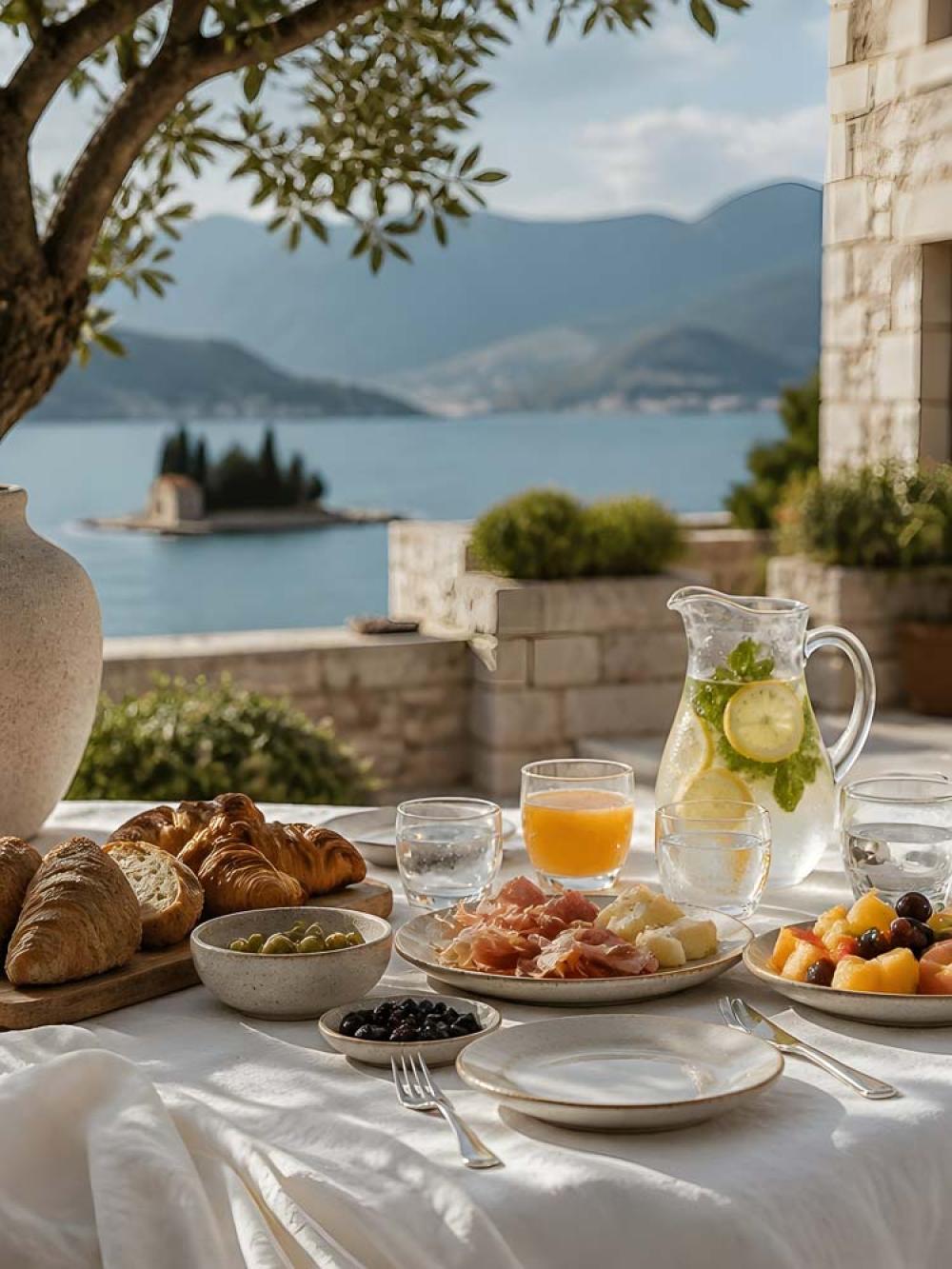
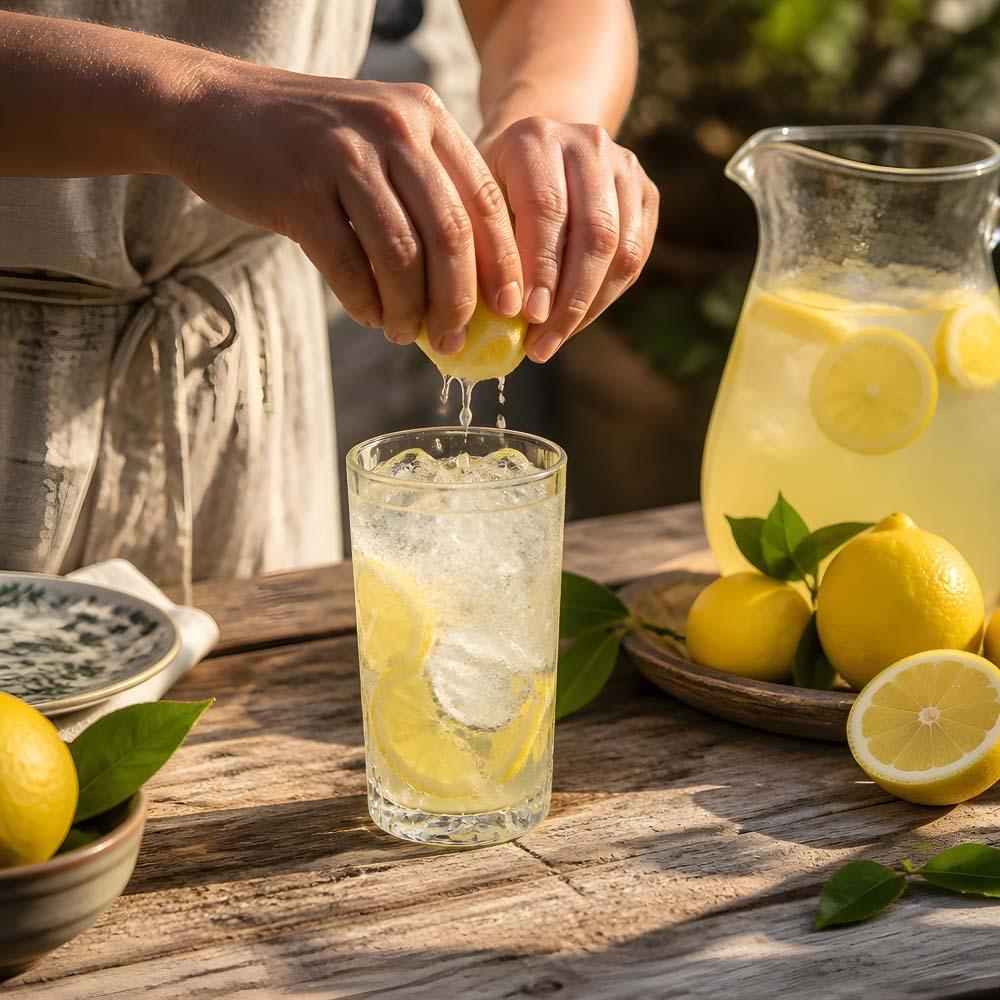
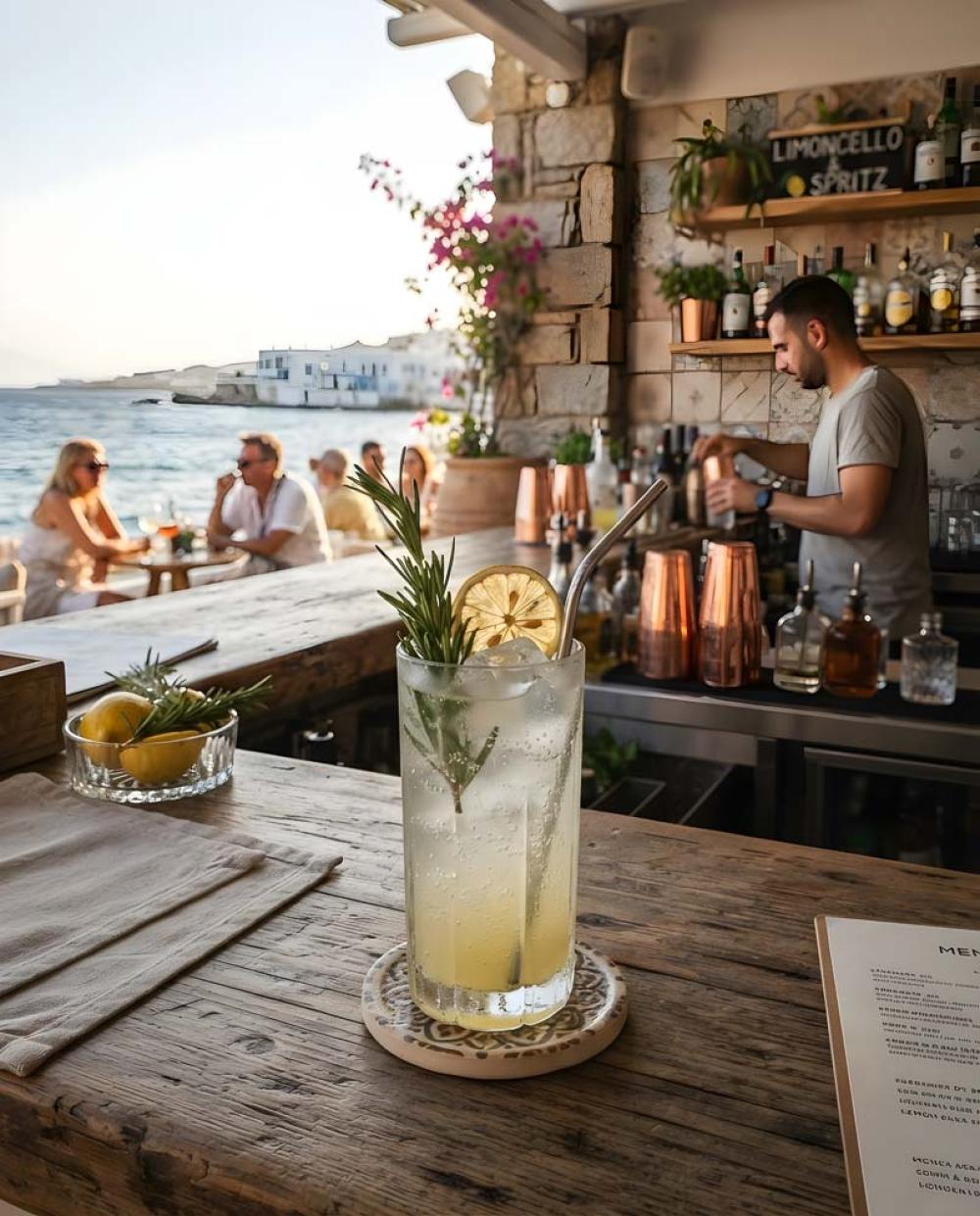
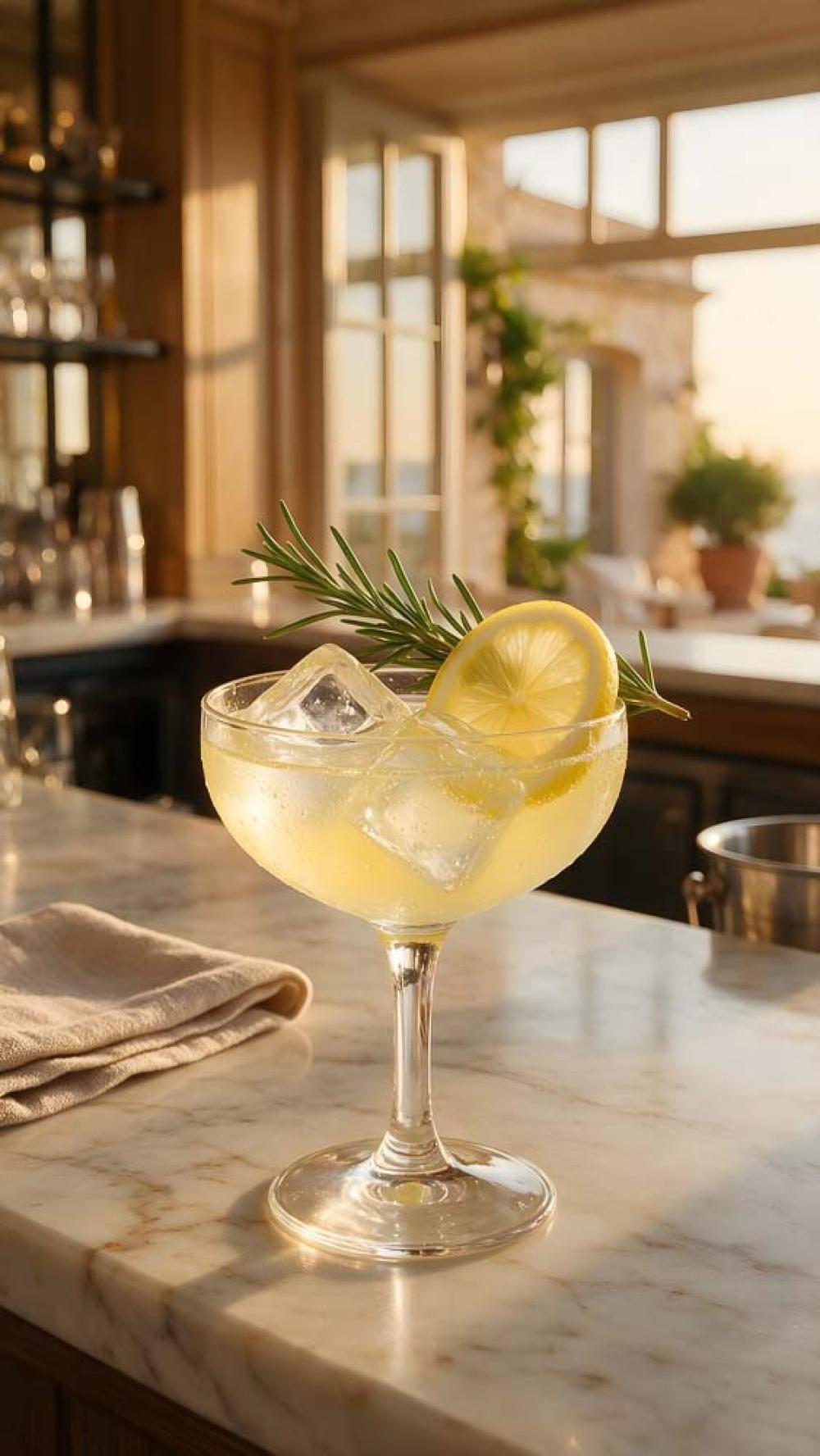
Global trends certainly point in that direction. Today, people no longer simply order "a lemonade." Across Europe, bars and restaurants offer carefully crafted combinations that resemble cocktails in both appearance and presentation, yet contain no alcohol. Lemon is paired with fresh mint, basil, rosemary, lavender, or ginger, often combined with sparkling mineral water to create refreshing beverages that impress as much with their presentation as with their flavor.
What is particularly interesting is that lemonade has become the foundation of a new generation of alcohol-free cocktails. Mocktails are no longer reserved for drivers or those who choose not to drink alcohol. On the contrary, they have become one of the fastest-growing trends on Europe's bar scene. More and more guests are choosing light, natural, refreshing drinks made with quality ingredients, and lemon has proven to be the perfect base for these creations.
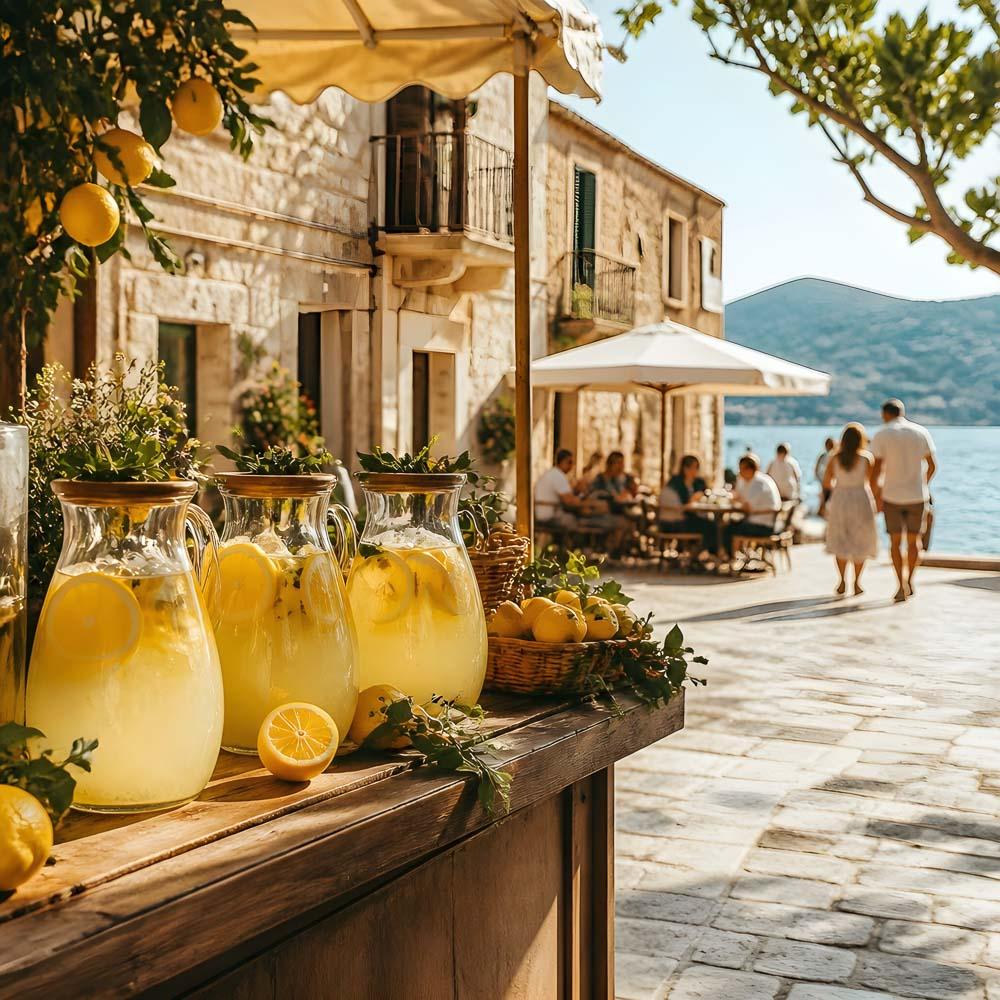
At the same time, presentation has become almost as important as the recipe itself. Large ice cubes that melt more slowly, freshly picked herbs, homemade syrups, and carefully selected glassware all contribute to an experience guests remember. In an era where authenticity is increasingly valued, simplicity has become the ultimate luxury.
Perhaps this also represents one of the easiest opportunities for Montenegro's hospitality industry. We do not need expensive technology or exotic ingredients to leave a lasting impression. Sometimes all it takes is a glass of homemade lemonade made from freshly squeezed lemons, a sprig of mint picked from the garden, a few ice cubes, and a genuine welcome.
Guests may forget the name of the cocktail they enjoyed on the beach or the color of the umbrella beneath which they spent the afternoon. But the taste of homemade lemonade, prepared from lemons ripened under the Mediterranean sun, remains one of those small details that inspire people to return to a destination.
Because lemonade has never been just a drink. It is one of the simplest symbols of the Mediterranean—fresh, natural, timeless, and forever in style.
Spain is Europe's Lemon King
With an annual production of more than one million tonnes, Spain is Europe's largest lemon producer and one of the world's leading exporters. Lemons from the regions of Murcia and Valencia find their way onto supermarket shelves and restaurant tables across the continent.
Italy Has Made Lemons Part of Its Identity
In Sicily and along the Amalfi Coast, lemons are much more than fruit—they are part of the region's culture, gastronomy, and tourism. They are transformed into limoncello, ice cream, pastries, marmalades, and countless beverages for which these regions are renowned.
Montenegro Has the Ideal Climate, But Limited Production
Lemons grow all along Montenegro's coastline—from Herceg Novi to Ulcinj—primarily in private gardens and small orchards. Nevertheless, most lemons sold in Montenegrin supermarkets are imported.
Most Lemons Are Imported from Turkey
In addition to Turkey, significant quantities also come from Greece, Italy, Croatia, and Serbia, meaning that supermarket shelves are stocked with lemons from various Mediterranean countries throughout the year.
Lemonade Has Become the Star of European Bars
What was once a simple refreshment has evolved into the foundation of modern alcohol-free cocktails. Fresh lemon is now most commonly paired with mint, basil, rosemary, lavender, or ginger, proving once again that the simplest ingredients often create the finest summer drinks.
.jpg)
.jpg)
.jpg)