

Wine is much more than a drink — it is culture, tradition and a way of experiencing life. We spoke with Janko Racković about the wine scene in Montenegro, wine education and the love of wine. He is the holder of the prestigious WSET Level 3 certificate, possessed by only one other person in Montenegro, as well as the only certified Wine Educator for WSET Level 1 and Level 2 programs in the country.
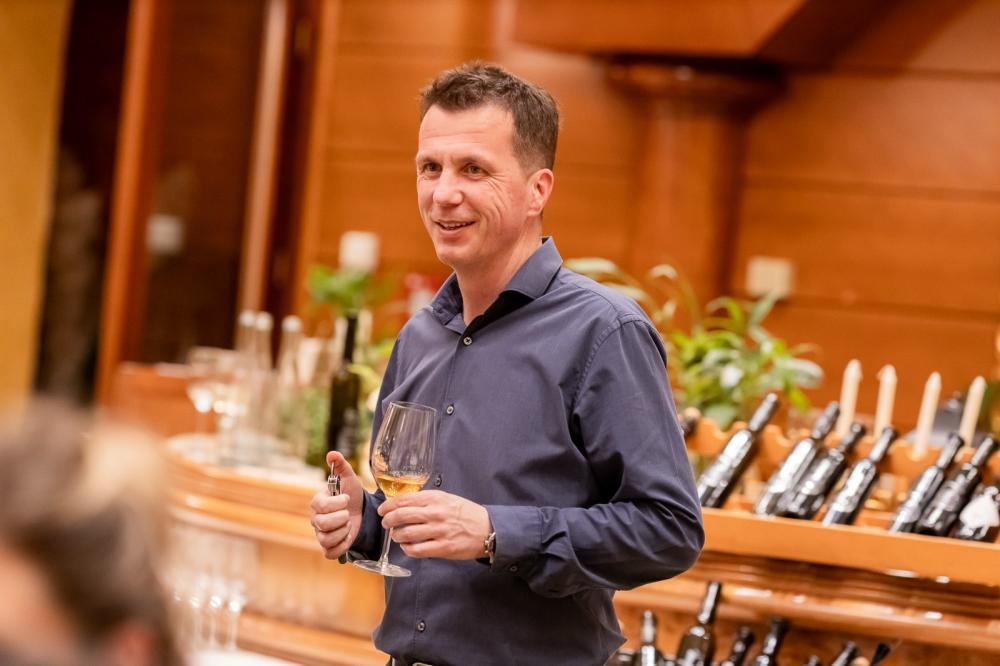
C.M: How did your story with wine begin and what attracted you to that world?
It all started by chance during a trip. A friend who had spent a significant part of his life in Italy recommended that I try wines from the region we were visiting. I became intrigued by the story of a local winemaker and continued exploring the subject further.
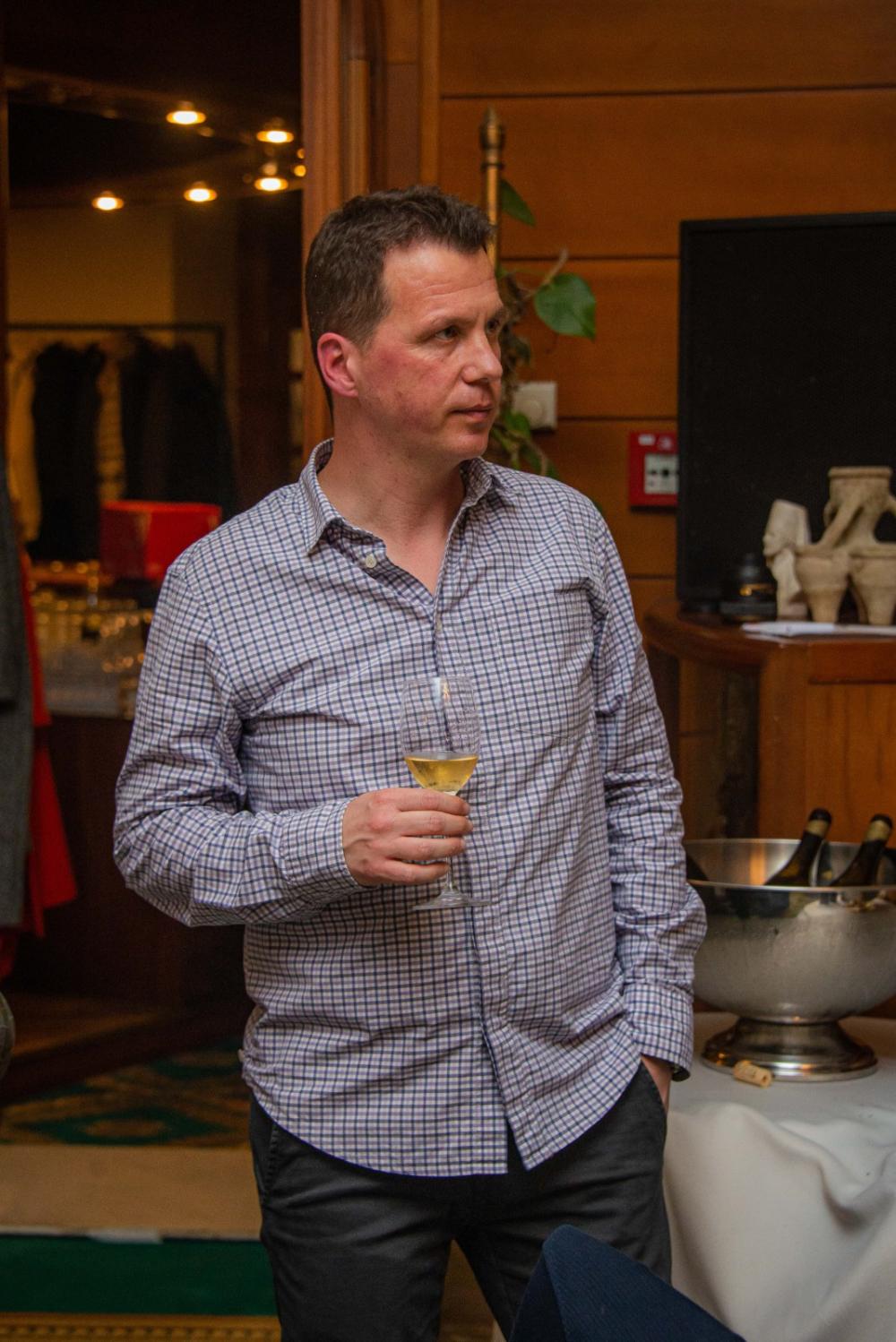
C.M: Could you briefly present your professional journey and the importance of the international wine certificates you hold?
My love for wine developed quite spontaneously. I was fascinated by how someone could recognize so many components in a glass that I myself could not identify at the time, and then connect them through knowledge to a geographic region, a winemaker and the production method. By profession, I am an electrical engineer, and I enjoy researching things thoroughly. I gladly exchange information and experiences and continuously acquire new knowledge.
When I decided to certify my knowledge, I chose to attend the world’s most prestigious wine courses — WSET (Wine & Spirit Education Trust). I completed WSET Level 1 in 2018 and Level 2 in 2019. The pandemic paused my education, so I attended WSET Level 3 in 2023 and became the first, and at that time the only, person in Montenegro to hold such a diploma.
This year, I also decided to complete the Wine Educator course for Level 1 and Level 2, which I successfully finished as well. My current goal is to begin organizing official WSET-licensed courses in Montenegro in the near future, so wine enthusiasts here can gain internationally recognized knowledge and diplomas.
C.M: How much has wine culture in Montenegro changed in recent years?
First of all, I want to emphasize that Montenegro has a long tradition of wine production and wine consumption.
From that tradition, many very successful wineries have developed. In addition to the most famous one, Plantaže, smaller wineries are also increasingly present, and wine culture continues to evolve daily. Montenegrin wines are winning prestigious international awards, while several interesting wine salons and festivals are organized within the country.
C.M: What are the biggest misconceptions people have about wine?
The biggest misconception is that enjoying wine requires extensive knowledge or expertise about it.
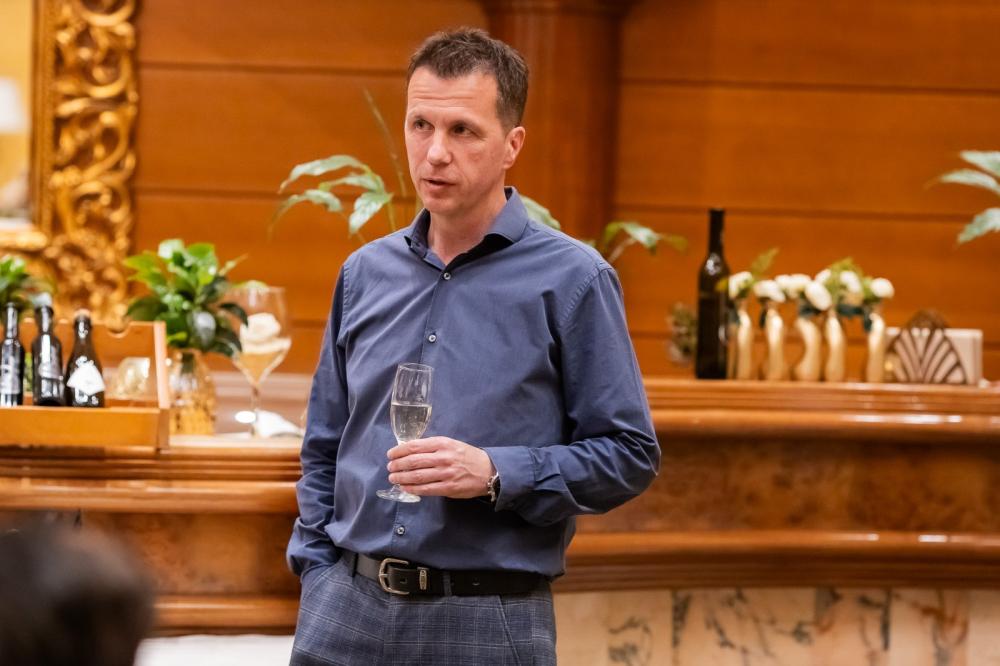
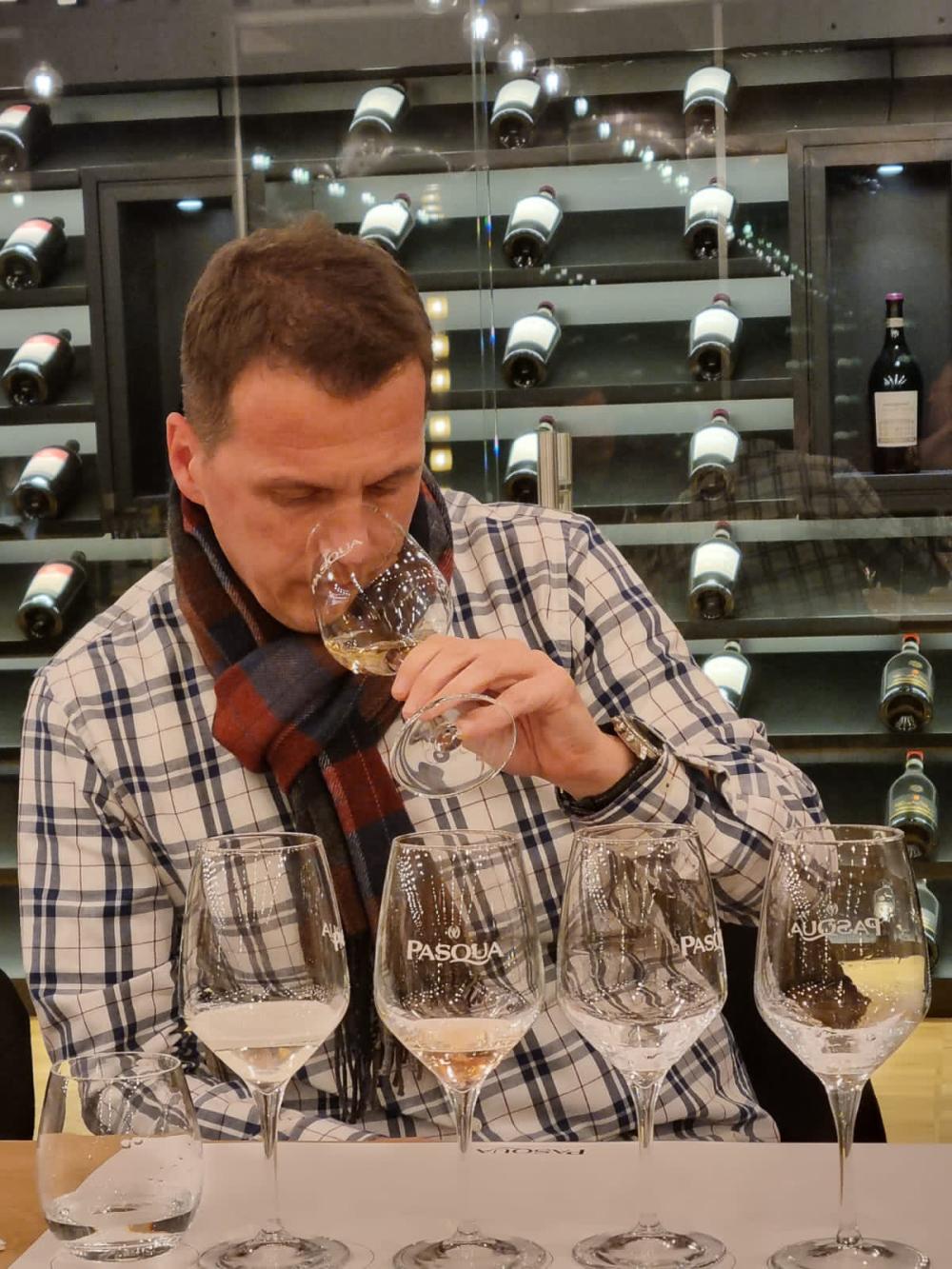
C.M: In your opinion, what makes a good wine?
A large number of factors influence the quality of wine. The first prerequisite is a good terroir. This term refers to the influence of climate, soil, surroundings and other specific characteristics of the vineyard itself. When these microfactors are combined with the expertise of the winemaker — both in the vineyard and in the cellar — all the conditions are there for a great product to end up in the glass.
C.M: If you had to recommend one wine to someone just entering the world of wine — what would it be and why?
I like to recommend light, aromatic wines made from varieties such as Sauvignon Blanc, Riesling or Muscat, because they easily win people over with their aromas, freshness and drinkability.
C.M: Starting from the next issue, you will be writing a wine column for Caffe Montenegro. What can readers expect?
I want to bring the world of wine closer to readers, primarily through interesting stories from wine history. There will also be discussions about gastronomy, and I will present notable international grape varieties and wine regions, as well as domestic and foreign wineries.
Starting from the next issue, read Janko Racković’s new wine column “The World of Wine” in Caffe Montenegro — stories about wine, wine culture, gastronomy and the world of wine presented in a simple, educational and approachable way.