

In the heart of Stara Varoš, among stone walls and traces of the past, lies Kaldrma—a space that brings together a café, gallery and souvenir shop into a unique story of tradition and contemporary spirit.
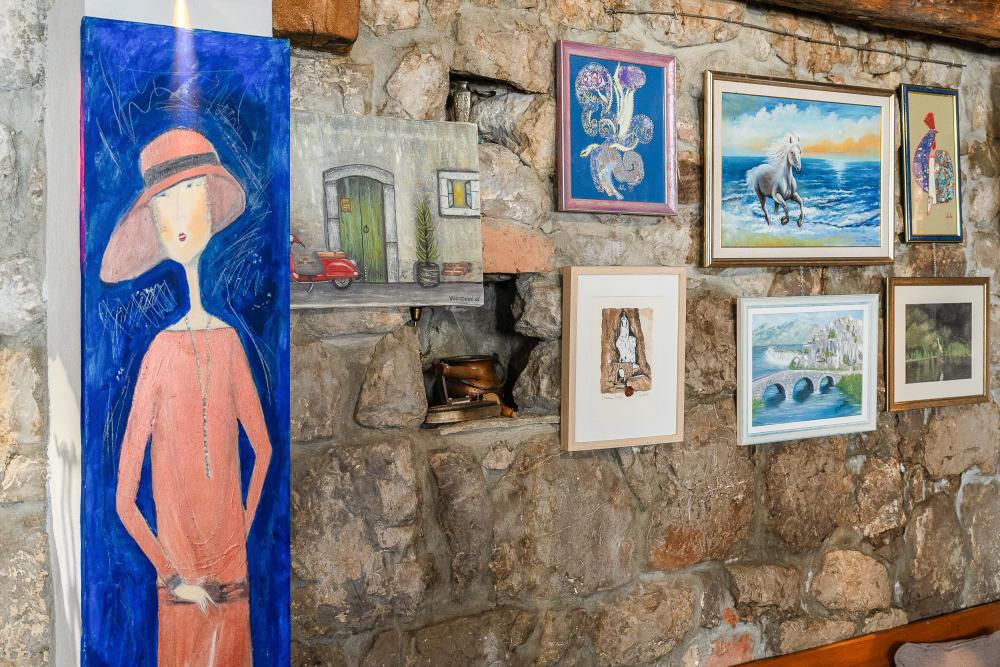
In an atmosphere that radiates the warmth of a home and the authenticity of the old town, every detail carries its own story, and time here seems to slow down. We spoke with the owner, Branka Tomović, about how Kaldrma came to life, what makes it special and the emotion it seeks to convey to its guests.
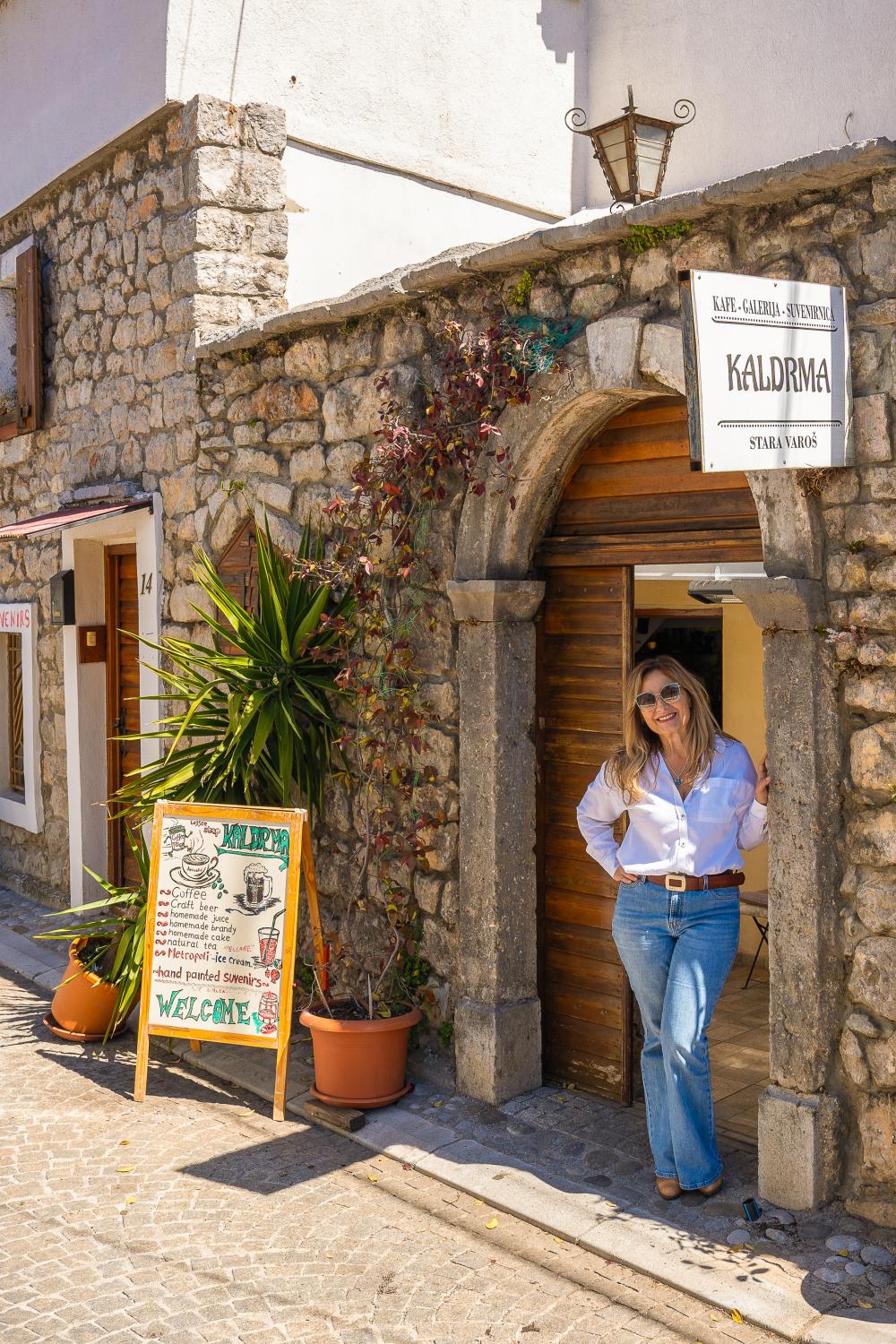
C.M: Where did the idea for Kaldrma come from?
– We bought the house about thirty years ago in quite poor condition, but even then it had something special—a spirit that could not be ignored. The initial idea was simply to create a gallery, a space for art and quiet reflection. Later, friends suggested it would be nice if people could enjoy coffee or a drink while choosing a painting, and that’s how the idea began to expand.
The full concept of Kaldrma as a café, gallery and souvenir shop came together four years ago, when it officially opened. The name Kaldrma was suggested by my brother Danilo, inspired by the Greek words kalos dromos, meaning “a good path.” It was also my wish to preserve the spirit of old Podgorica and create a place with a story and a soul. Since then, Kaldrma has been growing together with the people who come—spontaneously, sincerely and with a lot of emotion.
C.M: Tell us more about the house itself—its history and the process of restoration?
– The house is over 200 years old and carries immense value in itself. During restoration, I made sure not to disturb its original character, but rather to highlight it.
By profession, I am a conservator and restorer—I studied in Cetinje and work at the Natural History Museum of Montenegro—so I preserved every stone, every niche in the wall and every arch in the courtyard, as they are part of the history of both the house and Stara Varoš.
The restoration was demanding and lengthy, partly due to the narrow streets and the difficulty of transporting materials. The interior was enriched with display cabinets for souvenirs that fit seamlessly into the space, as well as carpets that were once an essential part of every home in Stara Varoš.
C.M: Kaldrma is located in the heart of Stara Varoš. How much did the location inspire the concept, and what did you want to revive through this space?
– The location itself was a major inspiration. Although traffic is very close and you are near the city center, here you can still hear birds in the morning. This part of the city carries a slower rhythm of life, warmth in human interaction and a strong sense of authenticity.
In a way, Kaldrma is an attempt to slow time down.
C.M: The ambiance is very distinctive and authentic. What was most important for you to preserve or highlight?
– Authenticity was my top priority—nothing was forced. I wanted people to feel as if they had entered someone’s home, not a commercial space.
And I believe I achieved that, because visitors often greet everyone inside as soon as they walk in, as if they were entering a private home.
C.M: Your offer includes traditional homemade desserts. How important is it for you to preserve these recipes?
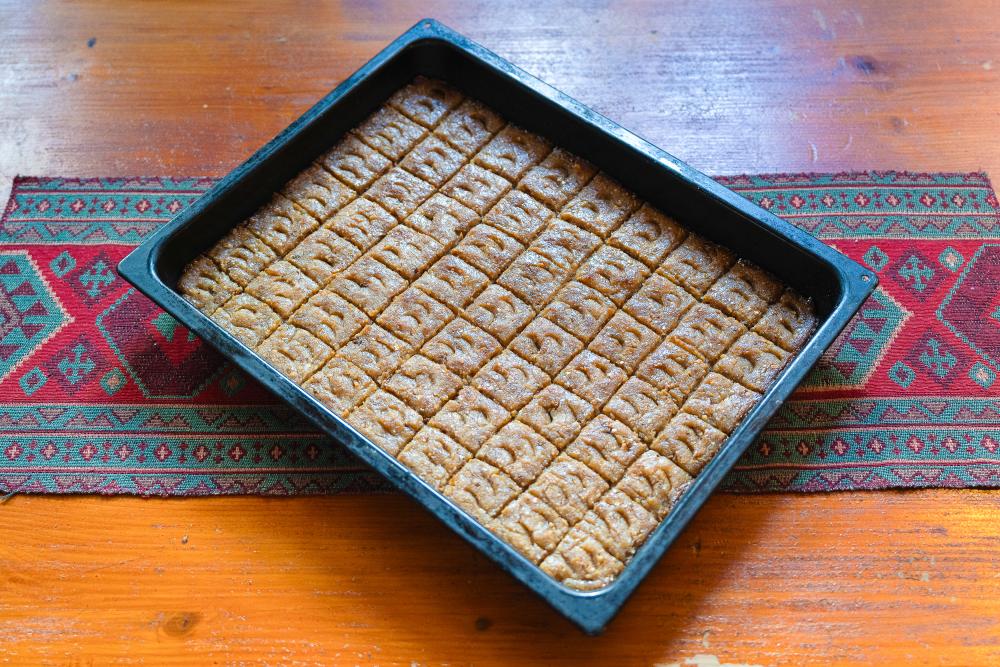
– It is very important to me that everything is homemade and handcrafted, because that preserves tradition and carries emotion and memory. Homemade desserts are not just food—they are part of our culture and identity.
Through them, we want our guests to feel the warmth of home and experience something truly authentic from Montenegro. One standout is the traditional dessert “tespič,” which has become quite rare in Podgorica and is made according to an original homemade recipe.
C.M: The space also includes a gallery. How did the connection between art and hospitality come about?
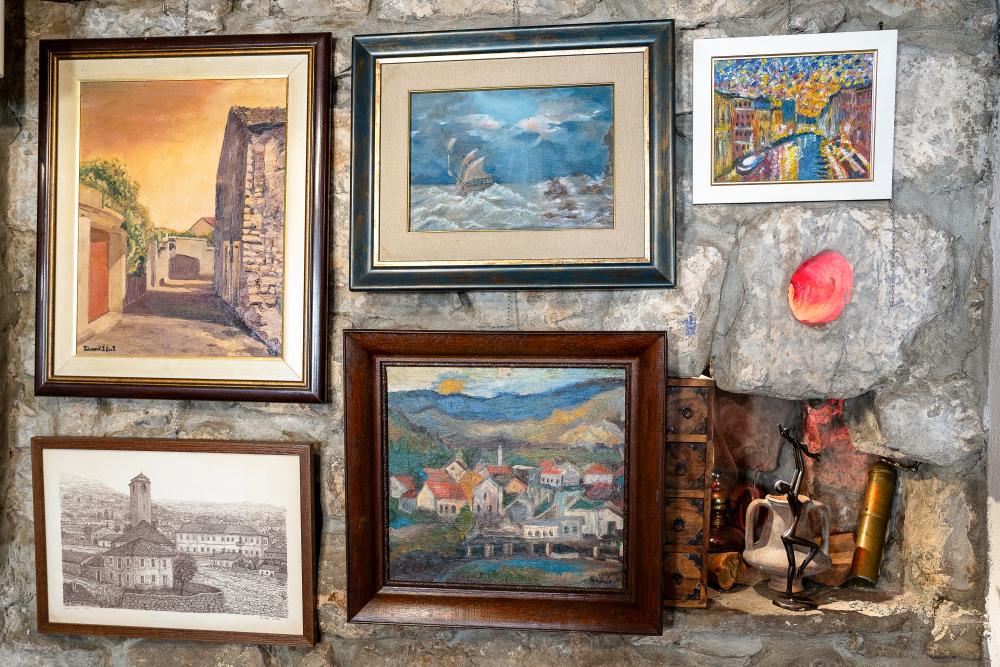
– For us, art and hospitality came together naturally. From the very beginning, Kaldrma was envisioned as a meeting place for people, ideas and creativity.
The gallery adds another dimension to the space and gives artists the opportunity to be seen and experienced in a different way.
C.M: The souvenir shop is also part of your concept. How important is it for you to present local culture and craftsmanship through it?
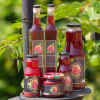
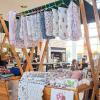
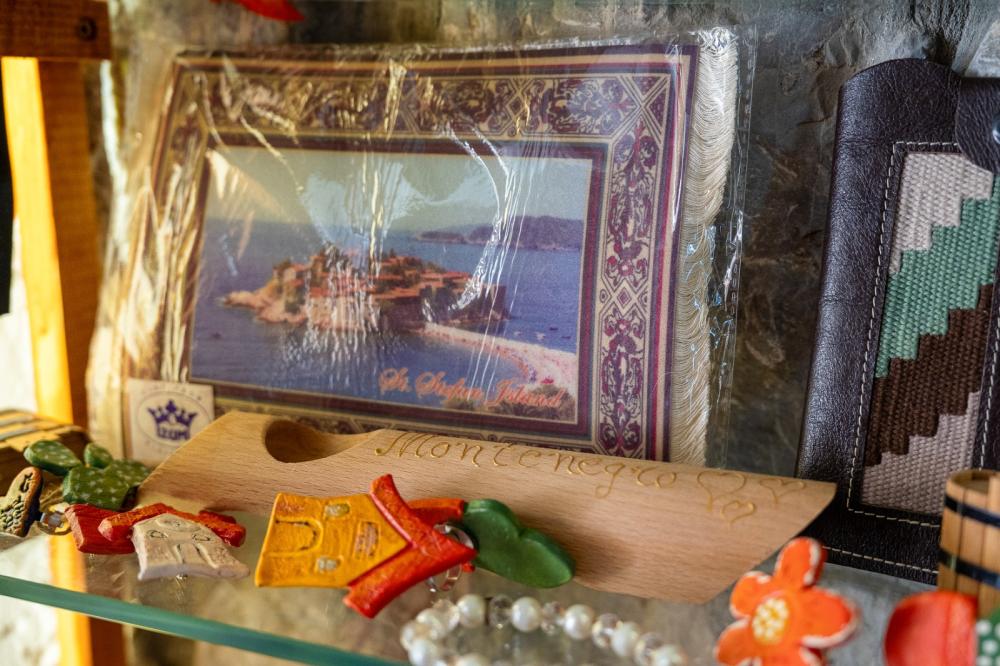
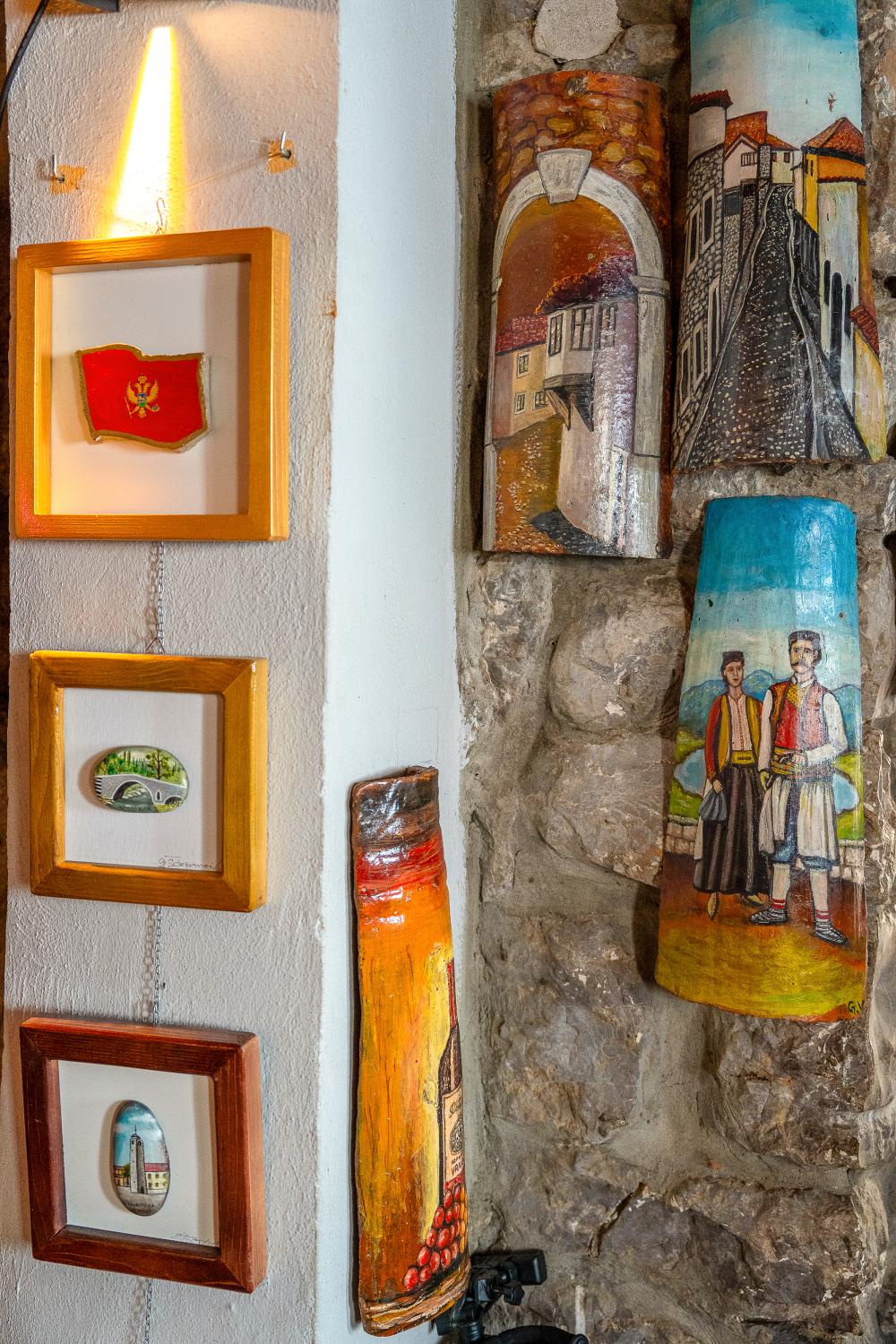
– That is especially important to me. Through souvenirs, we want guests to take a piece of Montenegro with them—something authentic, handmade and meaningful.
Whether it’s paintings, magnets made from stones from the Morača River, gold embroidery inspired by traditional costumes, a traditional fez or other small items, each piece is unique and carries its own symbolism. Almost all of them are created in collaboration with local artists and friends, without mass production, which gives them additional value and authenticity.
C.M: How do foreign guests respond to Kaldrma? What do they like the most?
– Wherever we go in the world, we always want to visit the old town, because those places carry soul and history. It’s the same with our guests—they are usually delighted with Kaldrma because they feel it is sincere and different from typical tourist offerings.
They are especially drawn to the atmosphere and the feeling that they’ve stepped into a space with a story.
Unfortunately, Stara Varoš has been significantly damaged over time, and very few houses have preserved their authenticity. That is precisely why Kaldrma has additional value—it is one of the rare places that has managed to preserve both its exterior and the spirit it once had.
“The value of Kaldrma lies in reminding us of what must not be forgotten—tradition, authenticity and human connection. In a modern city, such places become a gentle reminder of how important it is to have spaces with soul.”
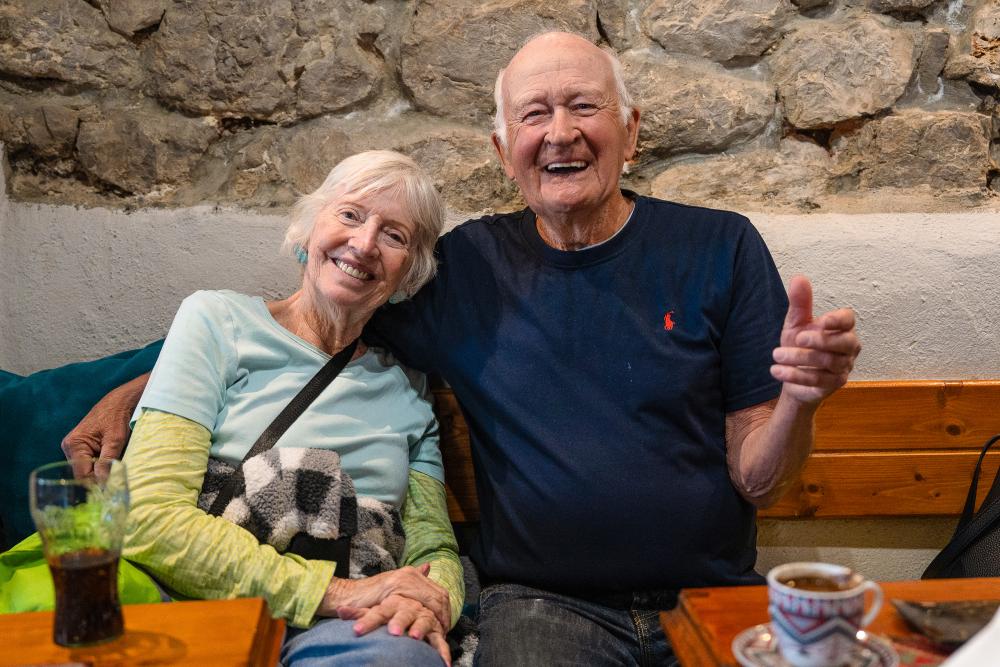
During our visit to Kaldrma, we met Jill and Bob, tourists from the United States, who, after spending several days on the Montenegrin coast, decided to visit Podgorica. They found their place to pause right here, choosing Kaldrma for its authenticity and warmth.
They were particularly impressed by the fact that it is not an obvious tourist spot, but a place where locals also gather. As they told us, such places hold special value for them because they offer a genuine experience of the destination.
“We love stone, wood and all those handmade details. They have soul and tell the story of the place you’re in,” they shared during our conversation.