

The article is a part of the Project “Don’t carry a bag – Carry a change!”, implemented by the NGO Association for Responsible and Sustainable Development (UZOR), co-financed by the Eco-Fund.
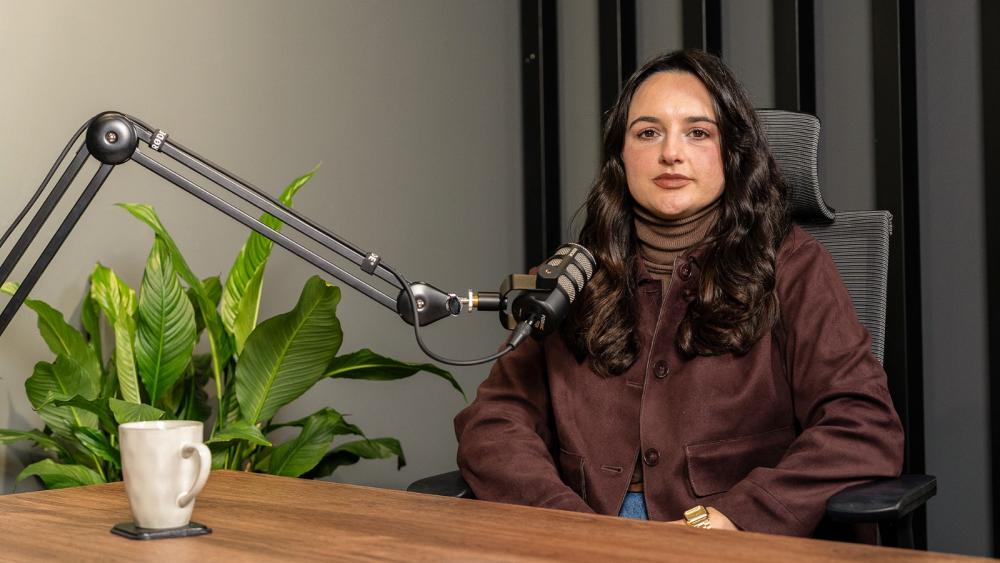
Plastic bags are harmful for environment since they take decades to degrade and over time turn into micro-plastic which ends up in water, air and food. Nevertheless, small actions of environmental programmes, like “Green Wave”, show that big changes start from everyday habits of each one of us. With Jelena Rakčević, a representative of this programme and an Eco-Ambassador of the Ministry of Ecology, Sustainable Development and Northern Region Development, we talked about the issue of plastic bags, plastic waste reduction initiatives and the way in which the citizens can contribute to environment protection.
CM: How and when did you start addressing the issues of ecology and environment protection?
- Although I have a degree in German language and literature and planned to work in education sector, quite by chance I joined the civil sector and started working with young people. Through various projects, addressing the issues of health and community I understood how important environment protection was, since human health and ecology go hand in hand. Later on, through volunteer actions of cleaning and collecting waste, I realized that it was the area I wanted to be active in and I joined the “Green Wave” programme and continued being active in ecological initiatives.
CM: You are also an ecological ambassador. What does that role imply?
- At the end of 2024, the Ministry of Ecology announced the competition for eco-ambassadors in Montenegro, and I applied because I had already been active in the area of environment protection. As an eco-ambassador I organized various activities, public events, workshops and campaigns dedicated to the use and ban of plastic bags, as well as to waste management. The goal was to have the citizens, economy and institutions involved in the discussion in order to jointly seek solutions for this problem.
CM: Can you tell us a bit more about the “Green Wave” programme and about the activities you carry out?
- The “Green Wave” programme was created within the framework of the NGO “Gnijezdo” (Nest) with a view to offering to the citizens specific solution for the issue of waste. We focused primarily on packaging waste, since it is the easiest starting point when we speak about separation and recycling. Through various actions, training sessions and projects we try to demonstrate to our citizens that waste separation does not take too much time and that it can become everyday habit, just like some other small routines in our life.
CM: Citizens’ interest has been particularly aroused by recyclomats. How do they work?
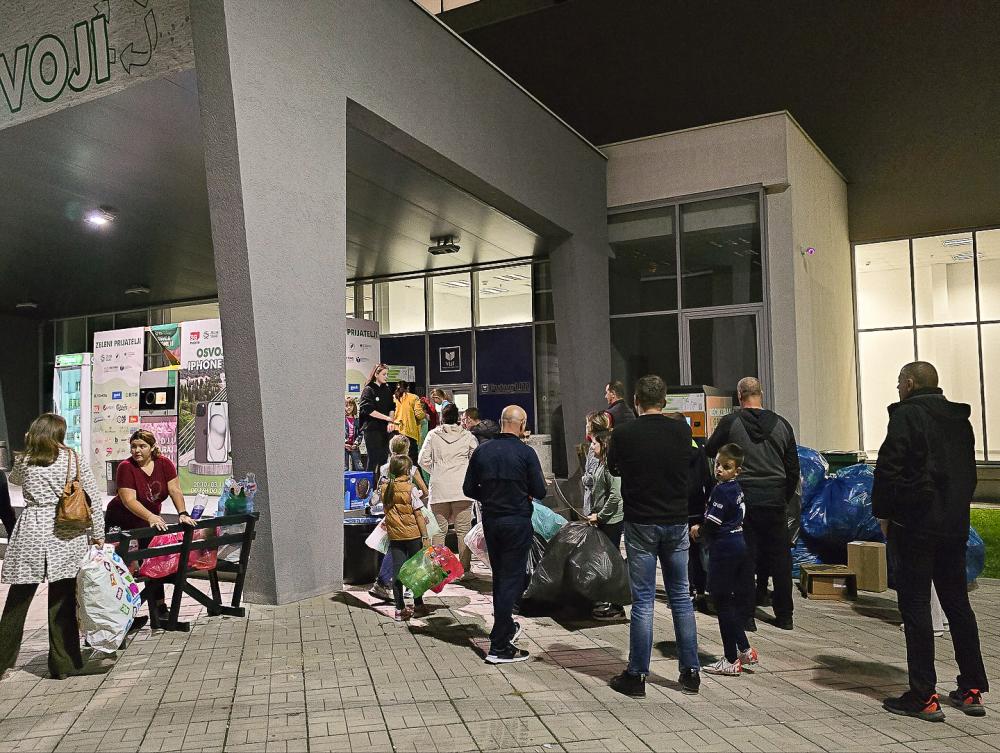
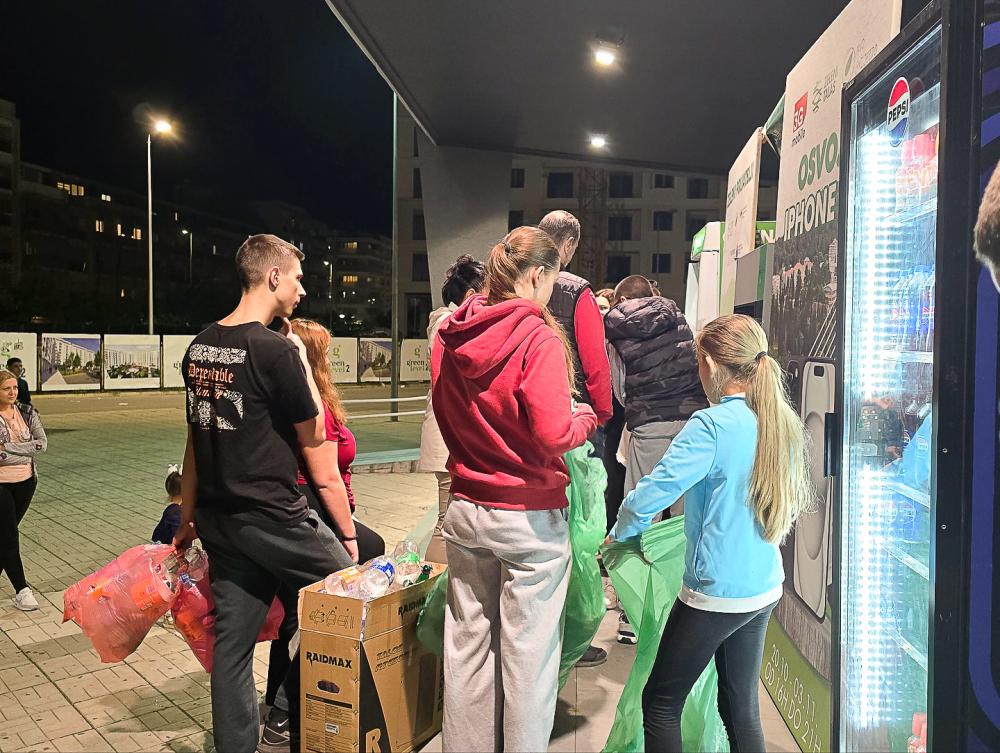
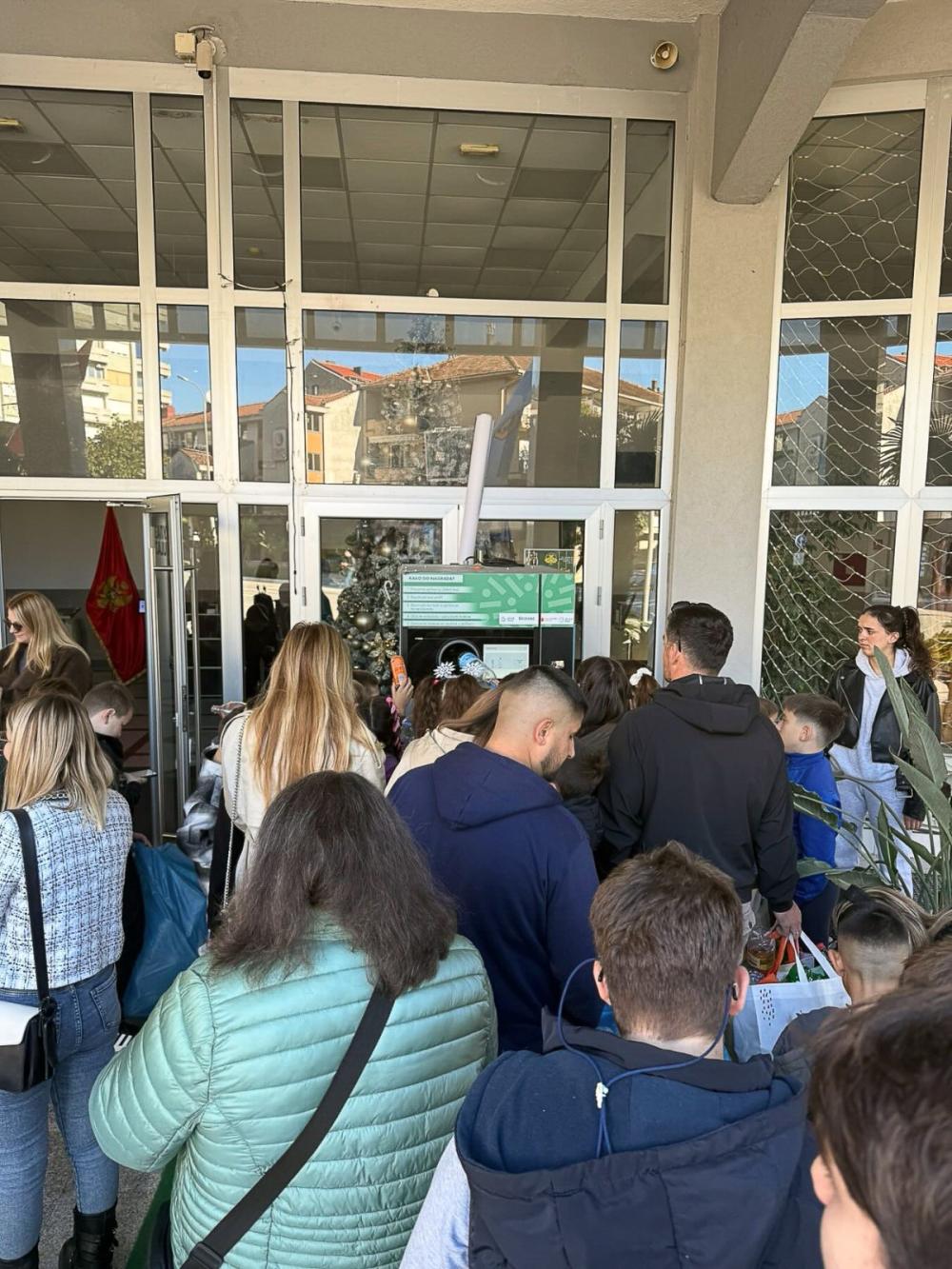
- Recyclomats are devices where citizens can put plastic bottles and cans, in which simple way they contribute to proper disposal of packaging waste. In addition, we have also developed the “Green Point” app, which monitors the recycling process. When citizens put a bottle or a can in a recyclomat, the app registers that piece of packaging as one point. The points earned can subsequently be exchanged for various rewards provided by our partners. The goal of this system is to offer our citizens a specific waste separation solution, but also to motivate them additionally to develop the habit of recycling. It has turned out that people are ready to take part in such initiatives when the process is simple and when they can see a clear result of their contribution to environment protection.
CM: Use of plastic bags has been limited by law. Whether, in your opinion, their use has really been reduced?
- According to some information provided by institutions, the quantity of plastic bags at landfills is smaller than before. Still, from my everyday experience it seems to me that there is still a lot of room for improvement. When we look at nature, the riverbanks or at picnic sites, we can still see plastic bags and other dumped waste. It is, therefore, important to continuously speak about this topic and to have campaigns and activities to constantly remind us of responsible behaviour towards our environment.
CM: How can young people specifically contribute to the reduction of use of plastic bags?
- The simplest way is for them to change their everyday habits. Instead of plastic bags, they can use tote bags, carry water thermoses or pick up waste they stumble upon while staying in nature. These are small steps, but when taken by many people, their impact can be significant. It is important for young people to set an example and encourage others to adopt responsible attitude towards nature.

CM: What is the responsibility of institutions and what the one of individuals in resolving this issue?
- The responsibility has to be a shared one. Institutions should develop a waste management system and to enforce laws, but the changes also start at the level of every individual. Each one of us, with our everyday resolutions can contribute to waste reduction. When individual people change their habits, collective awareness is changed, too, which ultimately affects the work of the institutions, companies and the entire society.
Future without plastic
Asked how she sees Montenegro in ten years’ time when it comes to waste management and the use of plastic, Jelena says she would like for every town/city to have a functional recycling system and for the use of plastic bags to be reduced to minimum. She stresses that the ideal picture is a society in which citizens’ awareness on environment protection is developed, and where recycling has become everyday habit.