
OBUK’O was born within MOJAN, a family business shaped by architectural precision and driven by an uncompromising commitment to quality. Today, as an independent brand, it is building an authentic identity that combines tradition, contemporary design, and a strong sense of character. It is evolving into a serious streetwear and fashion story. Stefan Kočanović, founder of OBUK’O, together with his family, quietly and consistently builds a brand identity woven from the belief that uncompromising quality combined with emotion creates lasting value.
C.M: You are an architect by profession. What drew you to textiles and fashion design as a medium for expressing your creativity?
– Architecture was an important part of my development and significantly shaped the way I think about design today. Through my studies, I learned to pay attention to form, function, detail, and identity, and these principles continue to guide me. Over time, I discovered that I was especially drawn to textiles because clothing allows me to combine creativity, craftsmanship, and storytelling in a very direct way. OBUK’O emerged as a natural extension of that need to create something authentic and personal.
C.M: How did the brand name come about?
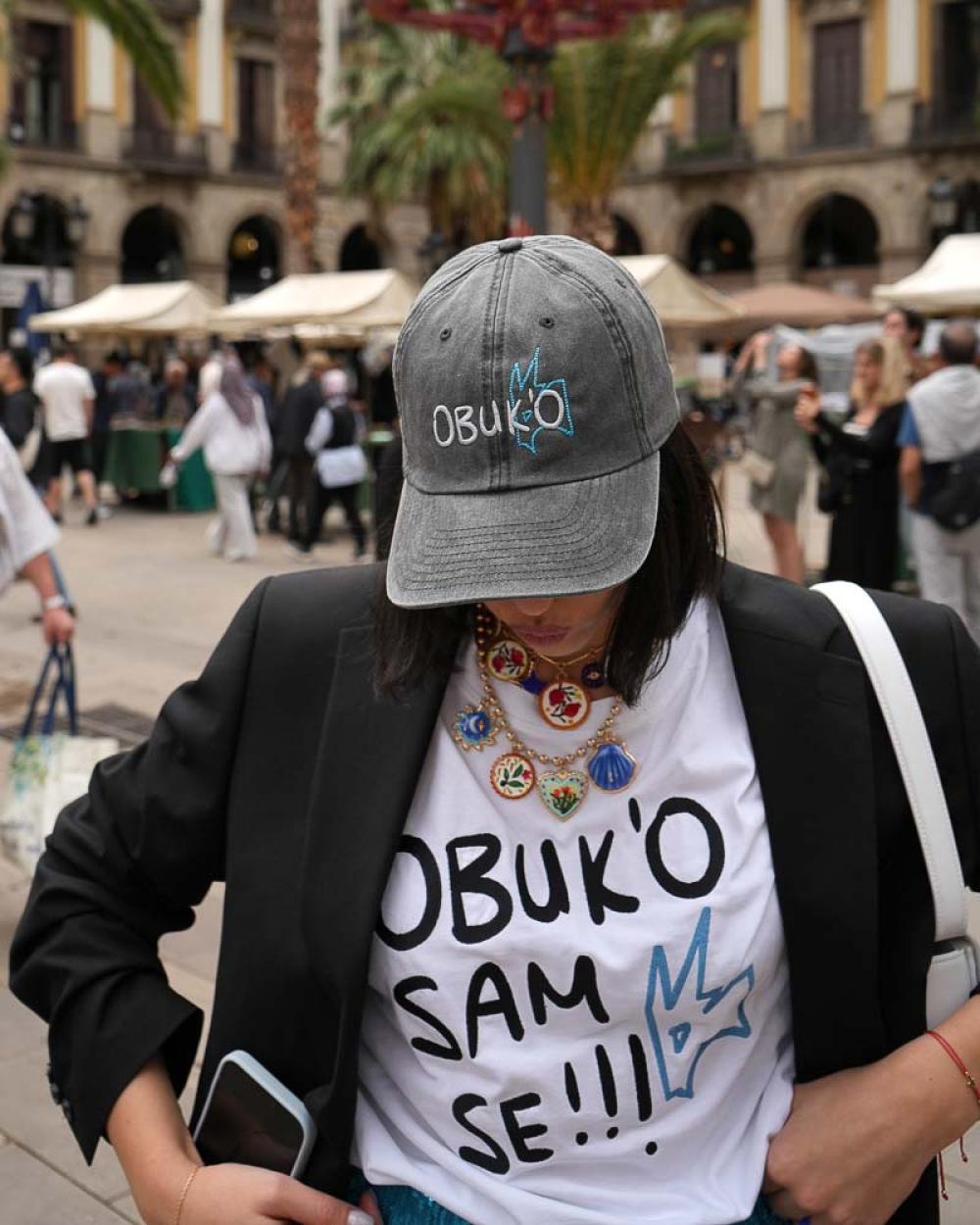
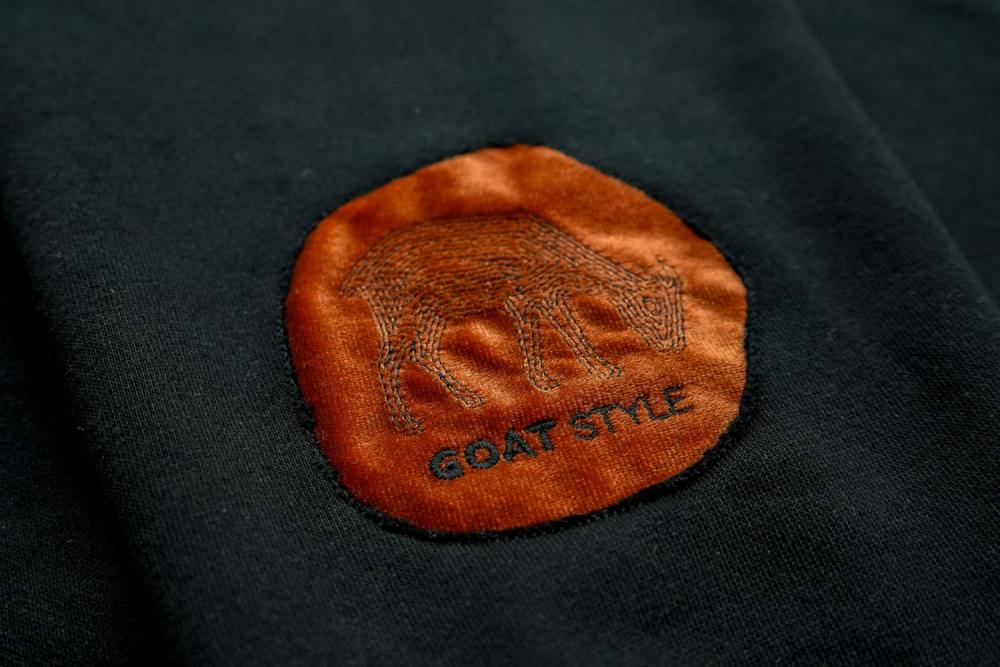
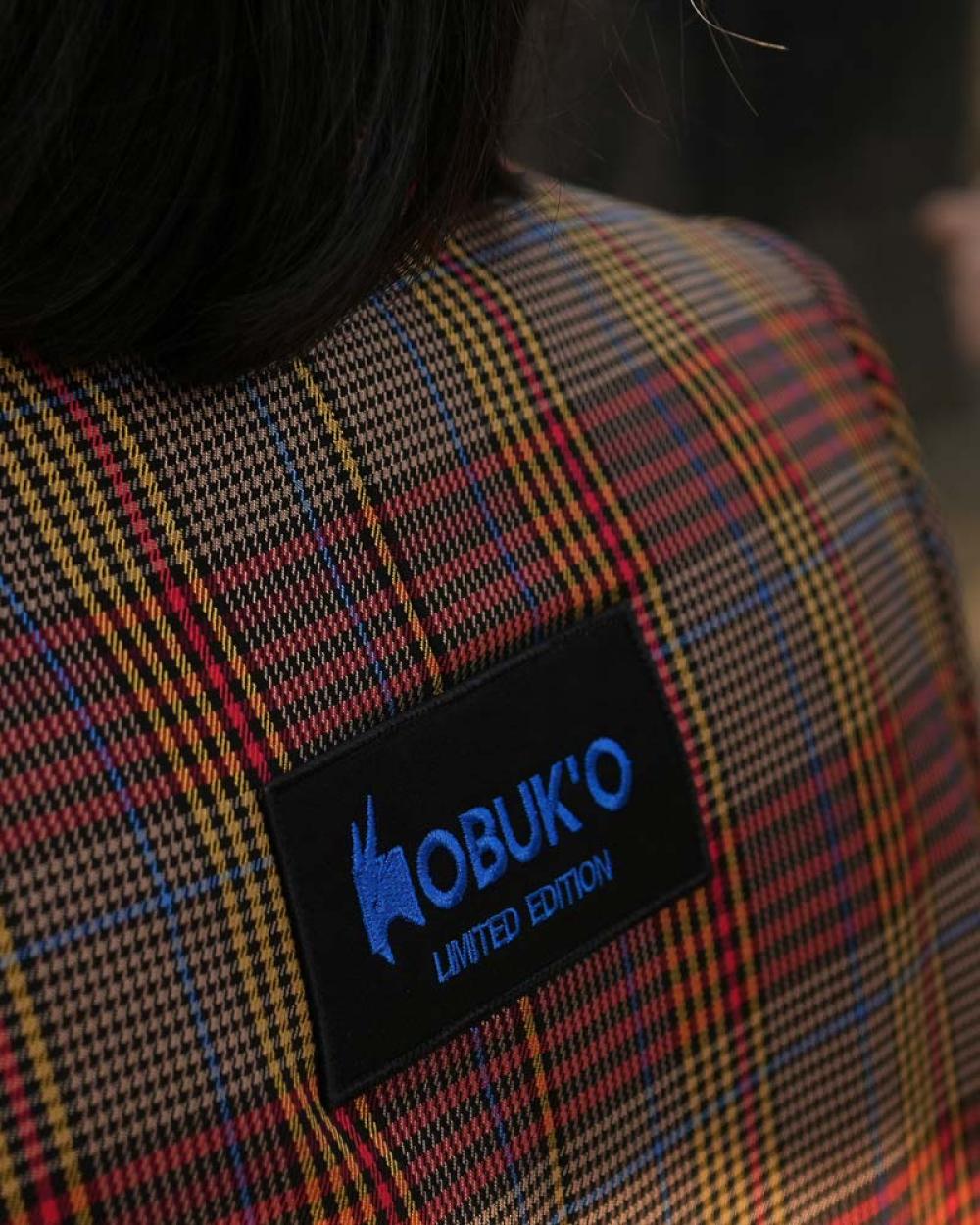
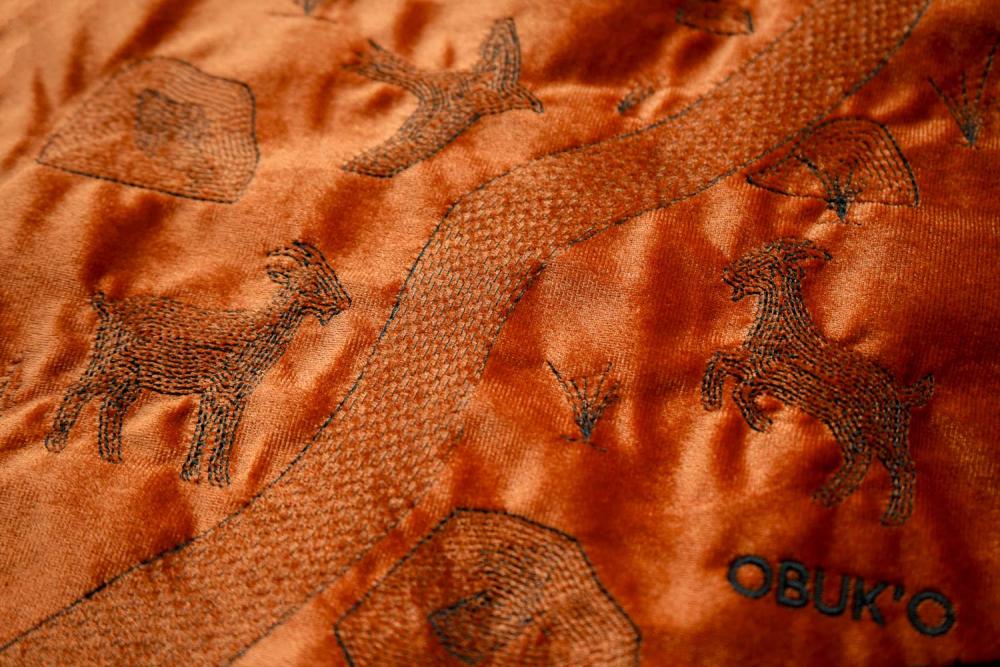
– The name OBUK’O emerged very naturally, from our language and the everyday expression “obuk’o se” (“got dressed”). While thinking about a name, I wanted something short, clear, locally recognizable, yet strong enough to grow into a brand. At one point, the idea “OBUK’O” simply appeared and immediately sounded like something that carried character, our mentality, and a distinctive identity. At the same time, the logo was being developed. It represents the silhouette of a goat’s head, evoking the wild mountain goat from Montenegro’s mountains. Only after the logo was completed did I discover an interesting fact—that the word “obuko” means “goat” in Nigeria. For me, it was an incredible symbolic connection, completely accidental yet as if it confirmed that the name and the symbol belonged together.
C.M: It could be said that OBUK’O was not created according to market rules, but rather from a personal sense of quality and aesthetics. How difficult is it to remain faithful to such an approach?
– I believe a product must first and foremost be rooted in quality. Quality gives it confidence, both in the marketplace and in use. Design, of course, is a matter of taste, style, and sensibility. It does not have to appeal to everyone.
Through our work with branded uniforms at MOJAN, I have often found myself turning down projects that were not aligned with our principles. Most often, it was because clients insisted on lower-quality materials in order to reduce costs. For us, that has never been the right path because you may gain a job in the short term, but in the long term, you lose what matters most—trust and identity. For me, consistency is one of the few truly sustainable principles in design. It means preserving a brand’s identity, refusing compromises that weaken it, and remaining authentic even when the easier path may seem more profitable.
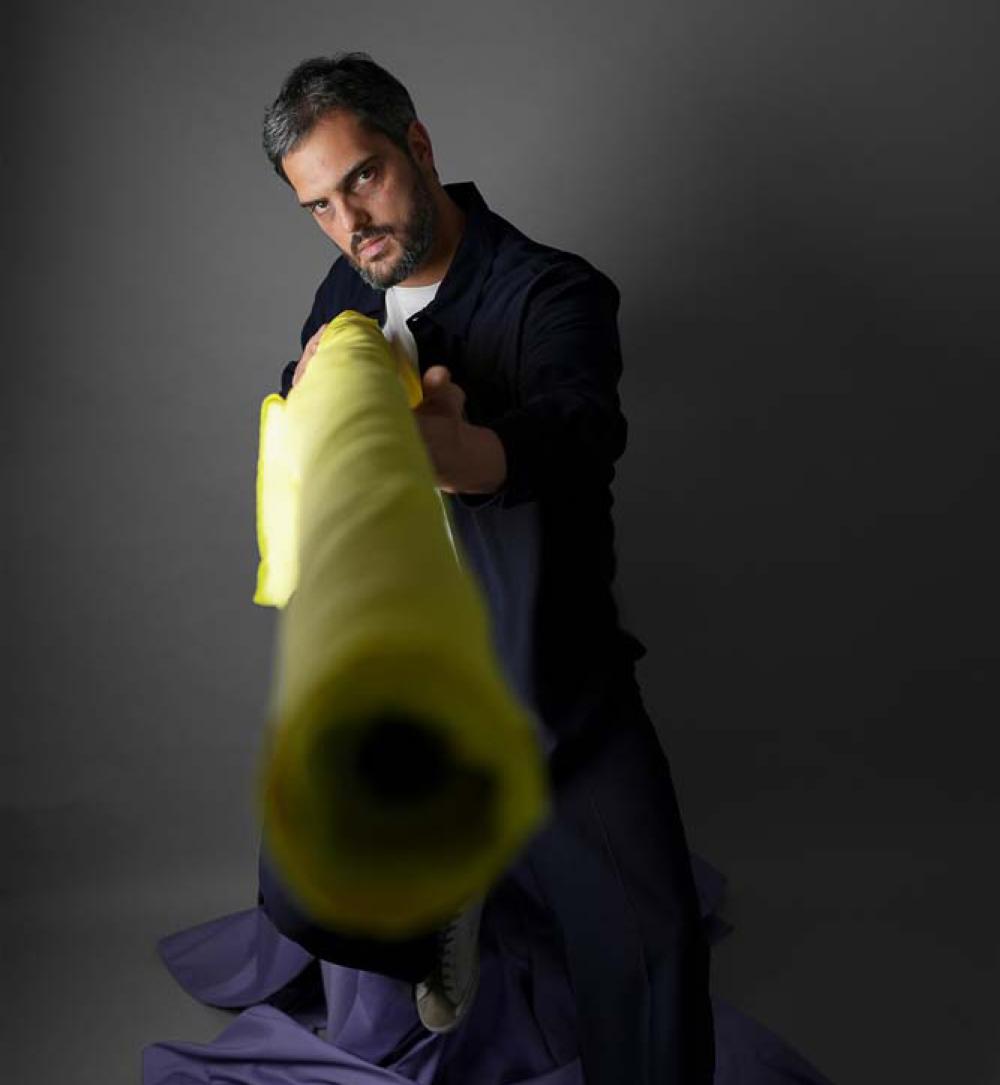
C.M: Do you believe that some things are somehow written into a family’s heritage, even when we do not consciously plan them?
– I believe there are things we may not consciously plan, but somehow carry within us. My father was the director of the large textile company Titex, and after completing that chapter of his career, he founded a company together with my mother. They started from scratch and, through hard work and perseverance, established MOJAN as a recognizable company specializing in workwear and hospitality textiles.
On the other hand, my father’s uncle was a tailor, so textiles have always been present in our family line. Through architecture, it seemed that my path would be different, but today it all feels completely natural. It seems that textiles are deeply woven into our family story.
C.M: How important is it to you that every detail has a story behind it, rather than simply being visually appealing? What does authenticity mean to you in the world of fashion and design?
– It is very important to me that every detail has a story because I believe the true value of a product goes beyond visual appeal. Beautiful design may attract attention, but a story, an idea, and the reason why something was created are what give it longevity.
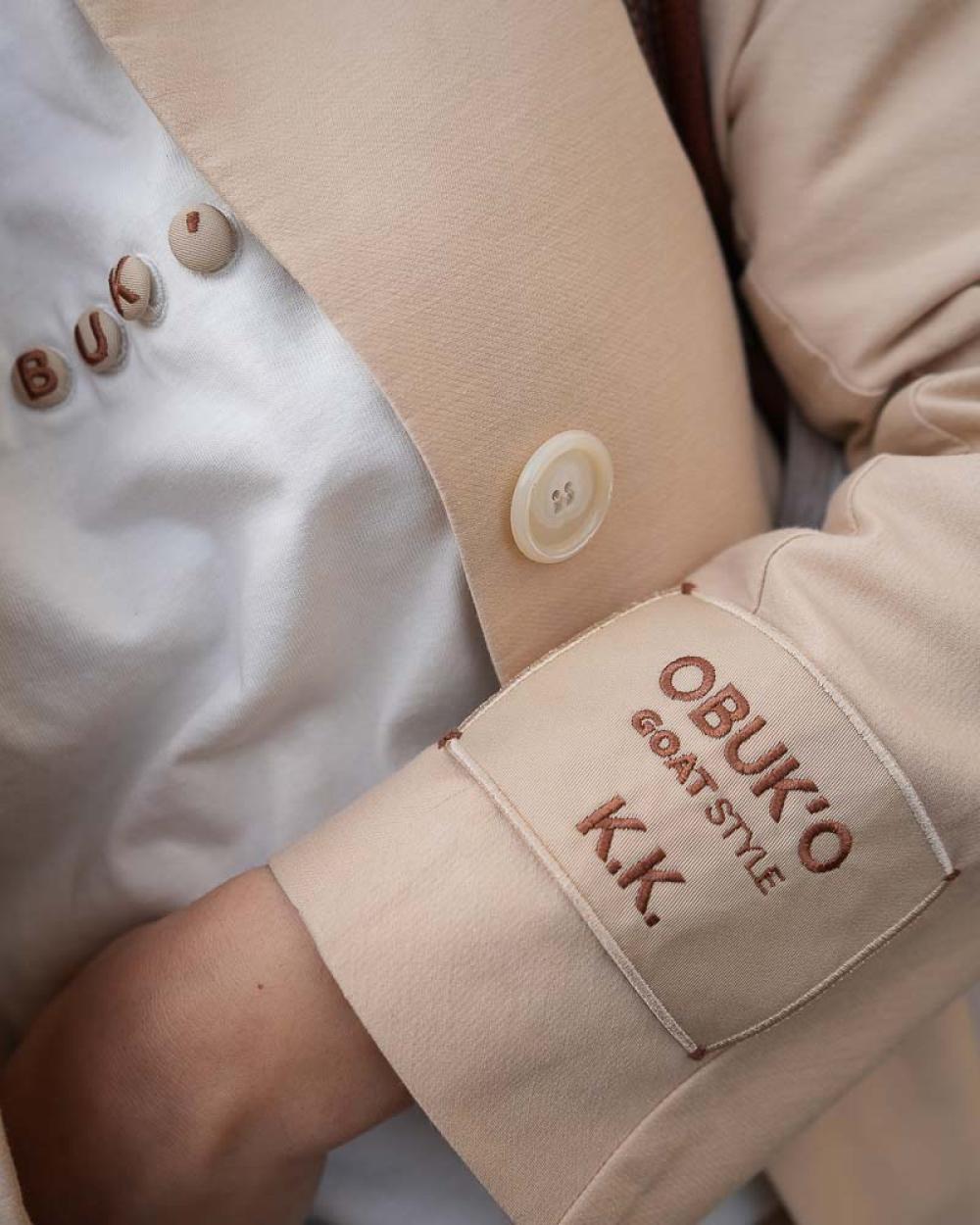
A detail should have meaning, whether it is embroidery, a symbol, a shape, a material, or the way a piece is made. For me, authenticity in fashion and design means not trying to be everything to everyone. It means having your own language, your own rhythm, and your own identity. I particularly admire brands that know where they come from, what they represent, and who they are speaking to.
Not every piece needs to appeal to everyone, but it should be honest, thoughtful, and true to itself. To me, that is the essence—clothing should not merely be something people wear; it should be something they connect with.
C.M: OBUK’O does not rely on loud campaigns or aggressive marketing. Even your marketing is handled by your own team. Is that a more difficult, yet safer path?
– I think it is a more difficult path, but for us it is a more natural and, in the long run, safer one. OBUK’O is not a brand that wants to impose itself at any cost. We want to grow organically through product quality, recommendations, recognition, and the trust of the people who wear our products.
Aggressive marketing can quickly attract attention, but attention alone means very little if it is not backed by quality, identity, and continuity.
That is why it is important for us to handle marketing internally. We understand best what OBUK’O is—and what it is not. Of course, it requires more time and energy because we are building the product, visual identity, and communication ourselves.
But that also gives us greater control over the message we send. For me, it is a healthier path. It may be slower, but it builds a stronger relationship with our audience and preserves the brand’s authenticity.
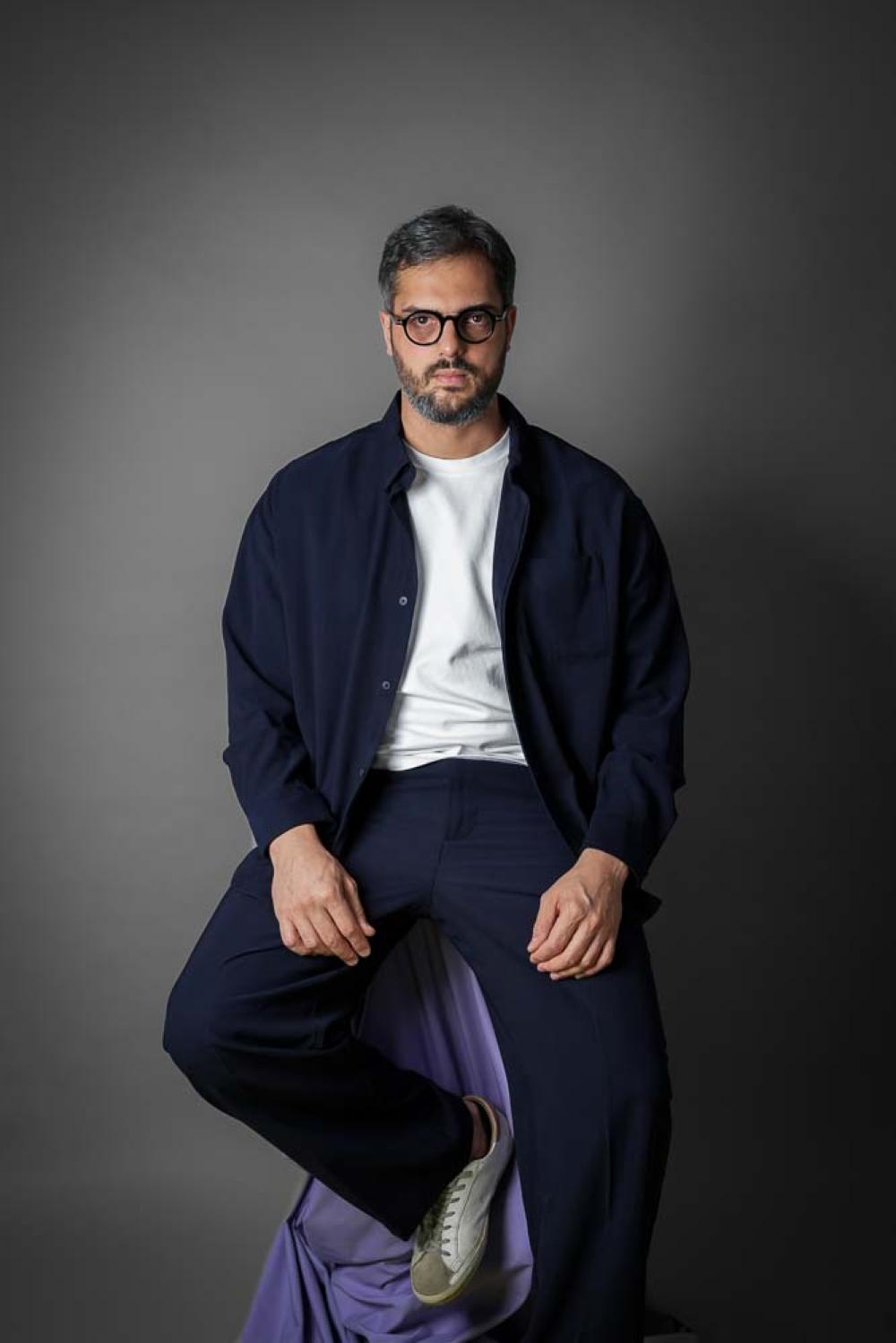
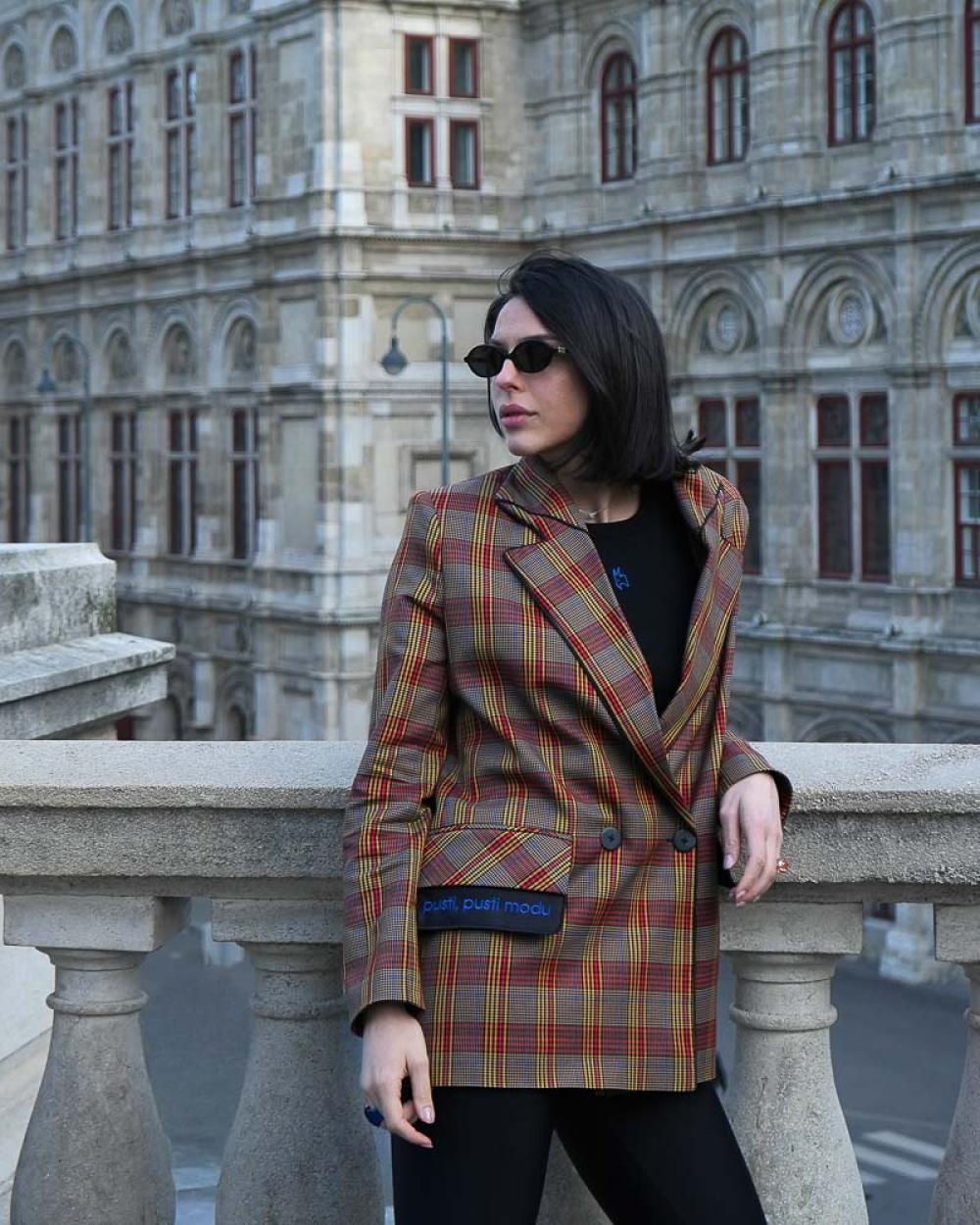
C.M: Who makes up the OBUK’O team?
– OBUK’O is, above all, a family story. That is very important to me because the brand is not built by one person alone—it is supported by the experience, encouragement, and energy of the entire family.
Within MOJAN, my sister leads marketing, my brother is responsible for sales, I handle design, and my mother remains active in the commercial sector. My father, although retired for several years now, continues to be a great source of support through his experience, advice, and everything he built during his years in the textile industry.
I also receive tremendous support from my wife, through contacts, advice, and a different perspective on things. I believe that for this kind of work, it is essential to have people around you who understand both the business and emotional sides of a brand. In our case, those two aspects are constantly intertwined.
C.M: It seems that you prefer your work to speak for itself. Is that a matter of personality or business philosophy? What can OBUK’O offer today?
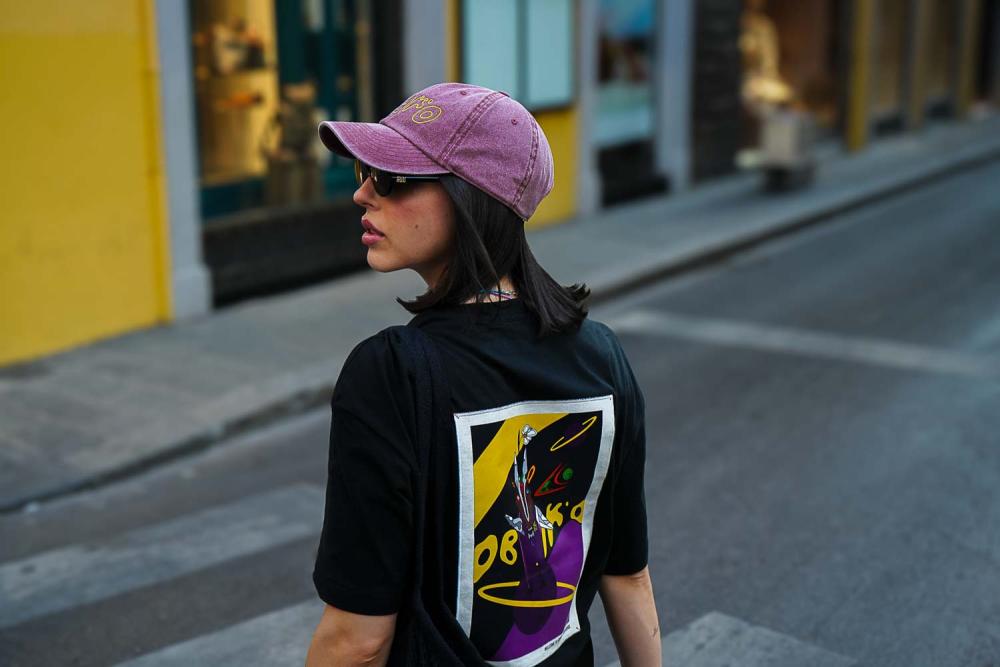
– It is probably both. I believe more in quality, detail, and customer relationships speaking for themselves. Today, together with MOJAN, OBUK’O can offer personalized pieces, streetwear products, and uniforms for teams, companies, hotels, restaurants, and organizations. We do not want to be loud for the sake of being loud. We want to be recognized for quality, authenticity, and consistency.
C.M: Embroidery occupies a special place in your work. What makes it so special, and why have you devoted so much attention to it?
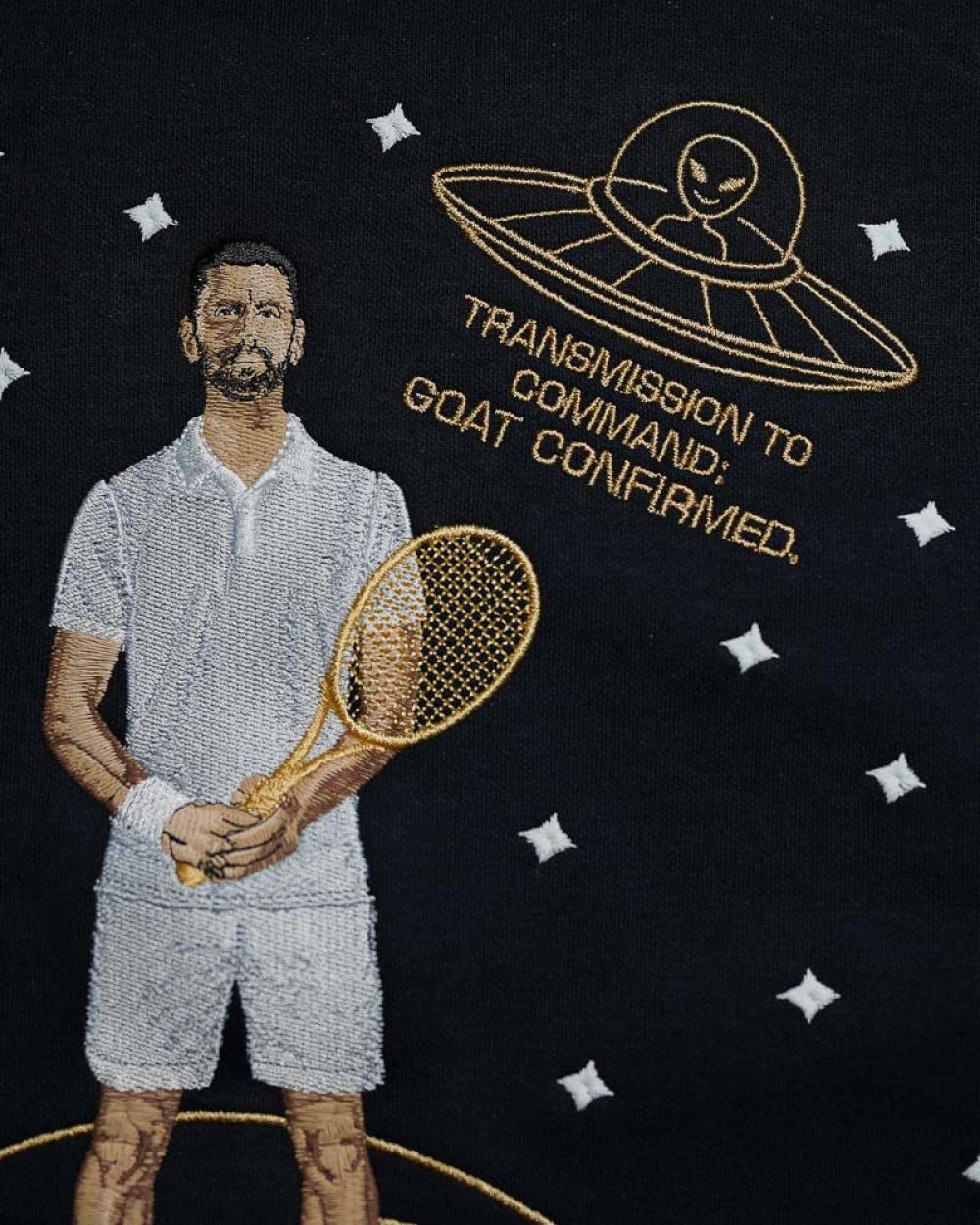
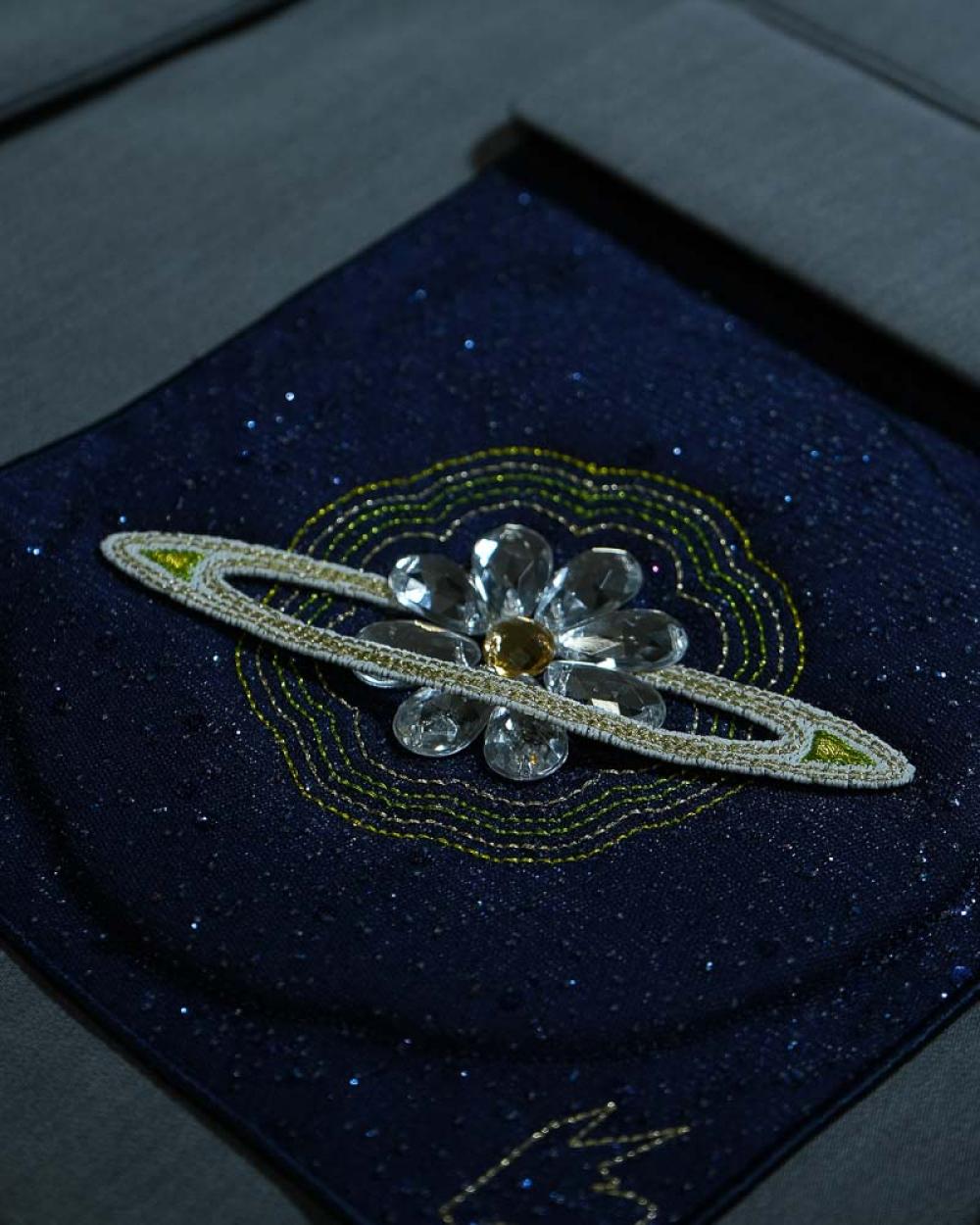
– Embroidery is deeply rooted in our culture and Montenegrin tradition. At the same time, modern technology allows us to reinterpret it in completely new ways through clothing, uniforms, personalized pieces, and innovative design.
Embroidery gives a garment weight, durability, and a sense of value. When something is embroidered, it has a different character than a simple print. You can feel it under your hand—it has texture, relief, precision, and longevity. That is why every piece feels more substantial and personal.
I have dedicated a great deal of attention to embroidery because it allows me to tell stories in a way that is both traditional and contemporary. It is where OBUK’O most clearly finds its identity—between what we carry from the past and what we want to create today.
C.M: Is there still room for craftsmanship and attention to detail in an industry that increasingly prioritizes speed?
– I think there is room for it—perhaps even more than before—but it has to be built patiently. We live in a time when many things are produced quickly, consumed quickly, and forgotten quickly. That is exactly why I believe craftsmanship, quality, and attention to detail are becoming more valuable again.
People increasingly recognize the difference between something made merely to sell quickly and something created with skill, knowledge, and time. Of course, it is not always easy to take that path. Detail requires time, and time affects both cost and process. But if you want to create a product with longevity and identity, you cannot sacrifice everything for speed.
C.M: What do you think customers have recognized in your brand that has earned their trust?
– Customer trust was primarily built through MOJAN and our many years of experience in creating uniforms. Through OBUK’O, that approach gains additional value through design and machine embroidery. When a client wants something special—and there are still not many such options in Montenegro—my design approach comes to the forefront. I believe customers recognize quality, responsibility, and our ability to express a client’s identity through clothing.
C.M: You have collaborated with numerous partners, including Novak Shop Belgrade. How important is it when people and organizations with strong identities recognize your work?
– Our collaboration with Novak Shop Belgrade holds special significance because being part of Novak Djokovic’s official fan shop is no small achievement. We are talking about a globally recognized name and an athlete officially regarded as the greatest of all time. We see that placement as a major validation, but also as an even greater responsibility.
OBUK’O products are positioned within Novak Shop as a premium offering, which means quality, professionalism, and consistency must stand behind everything we do.
Through this collaboration, we created the Inspired by Novak Djokovic collection, which naturally aligns with values we also embrace: hard work, perseverance, authenticity, and the pursuit of excellence.
We are especially grateful to their team for the trust they placed in us. Collaborations like this demonstrate that even a brand from a small environment can, through clear vision, quality, and dedication, become part of projects with much broader significance.
C.M: Your products are also present in renowned hotels and resorts through uniform design. How challenging is it to communicate the identity of a space through clothing?
– A hotel or resort uniform is not simply workwear—it is part of the overall experience. It must reflect the level of service, the character of the place, the atmosphere, and the feeling the hotel wants to leave with its guests.
The biggest challenge is finding the balance between functionality, comfort, quality, and aesthetics. It is not enough to place a logo on a garment. The uniform must feel like a natural extension of the space and brand it represents. When that happens, the uniform becomes much more than workwear—it becomes part of the guest experience.
C.M: Is success, for you, a matter of growth and scale or the impact you leave behind?
– For me, success is not only about growth, scale, or numbers.
Of course, it is important for a business to grow and remain sustainable, but true success lies in creating something lasting. Something people recognize, appreciate, remember, and enjoy owning. I believe the most beautiful form of success is when something you create retains value long after the moment in which it was made. Life is fleeting, and I believe that through our work we should leave some mark behind—perhaps a small one, but an honest and recognizable one. If we succeed in creating something that people wear with feeling, preserve, connect to a story, and recognize as part of their identity, then that is real success for me.
C.M: If you had to choose one value you would never compromise on, regardless of the cost, what would it be?
– If I had to choose one value, it would be commitment to quality. As I mentioned before, design is a matter of taste, sensibility, and style. Not every design has to appeal to everyone, nor should it. But the quality of what we do must never be questioned.
For me, quality is the foundation of trust. It is what customers feel when they wear a product, use it, and see that it lasts. Without commitment to quality, a brand loses its seriousness, its identity, and the reason people trust it.
C.M: What is the next step for OBUK’O? How do you envision the future of the brand?
– We are currently planning a very important professional change that I believe will open a new chapter for both the brand and myself personally.
Although it is not yet the right time to reveal details, I can say that the coming months will bring new momentum, broader horizons, and opportunities for growth on a completely different level.
The focus will be on helping OBUK’O mature further as a brand, develop its collections, and create space for collaborations with serious—even global—potential.
Until now, OBUK’O has grown from an idea, family experience, machine embroidery, quality, and authentic expression.
In the next phase, I want that identity to become even clearer through collections. I see OBUK’O evolving into a brand with a strong visual language, one that combines our heritage with contemporary streetwear and gains recognition beyond the local market.
When can someone truly say they are “OBUK’O” (properly dressed)?
“When a person puts something on and stops thinking about how they look because they feel that what they are wearing reflects who they are—that is when they are truly dressed. It does not have to be loud, expensive, or perfectly styled. Sometimes it is a simple piece, sometimes a detail, sometimes embroidery that others may not notice immediately, but the wearer feels it. The most important thing is to be yourself. Not to try to look like someone else, but to express who you are. That is when clothing stops being just something from your wardrobe and becomes part of you. That is when you are truly OBUK’O.”
“My goal is for OBUK’O not to remain just a beautiful local story, but to become a brand capable of communicating with the world as an equal.”