

From Bar, where he took his first professional steps, through further training and work on the international gastronomic scene, to Trattoria Rosmarino in Perast, now the first restaurant from Montenegro to join the JRE family, Chef Nikola Čelić has remained faithful to his belief that outstanding gastronomy is created when local ingredients, authenticity, and contemporary techniques come together to tell the story of the place they come from. For him, the Bay of Kotor is a source of inspiration, while Montenegro is a country whose gastronomic potential is only beginning to emerge.
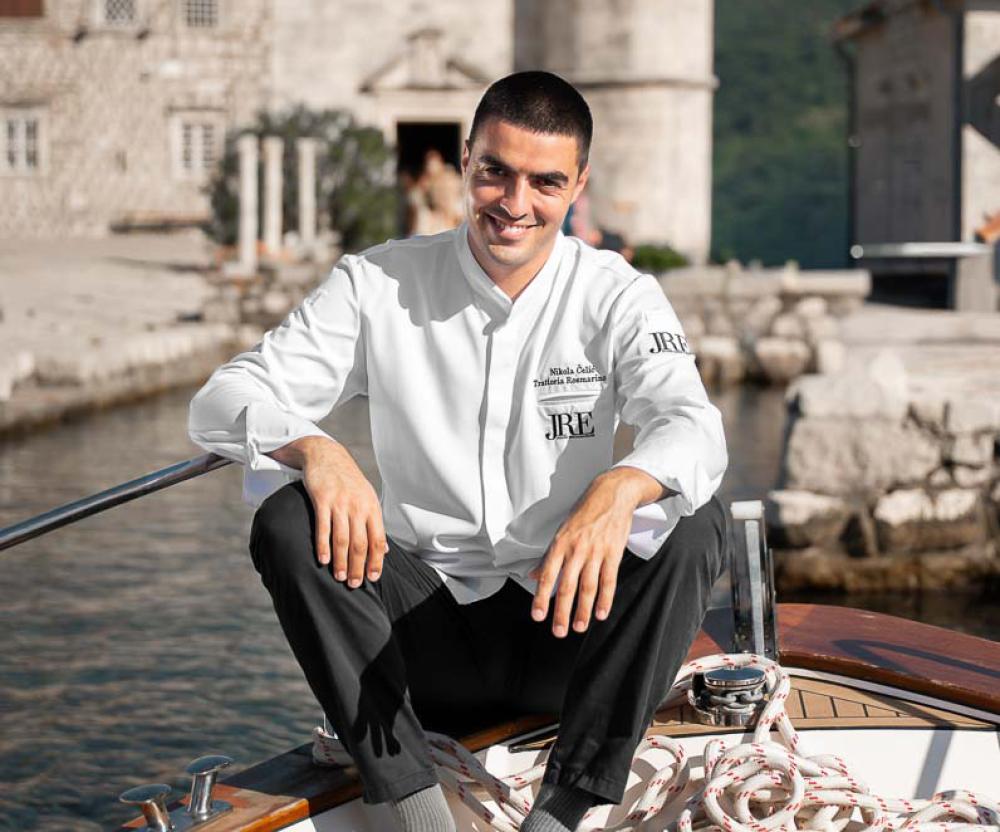
How did JRE discover you and Trattoria Rosmarino, and what proved decisive in your selection as the first member of JRE Montenegro? What does the selection process look like?
– I must admit that I am proud to be Montenegro’s first signature within JRE, Jeunes Restaurateurs. This is not a recognition that comes by chance or overnight. The selection process is very clear and based on precisely defined criteria that every restaurant must meet. Perhaps the most important thing for JRE is that there is an authentic authorial signature behind the entire concept, that the restaurant has its own story, identity, and philosophy, rather than being a copy of something that already exists. I had followed the JRE organisation for years. I watched the events they organised in Croatia and Serbia, and I was always impressed by their seriousness, professionalism, and the way they nurture gastronomy. Last September, thanks to a colleague from Belgrade, we made the first contact, and that marked the beginning of the process that has now resulted in Rosmarino becoming a member and JRE Montenegro being established.
C.M.: What does this recognition mean to you personally, and what does it mean for Montenegrin gastronomy that our country is now part of this international network of leading chefs and restaurants?
– Honestly, I believe this means much more for Montenegro than it does for me personally. The inclusion of our country in the JRE guide, which from this year covers South America for the first time in addition to Europe, represents a form of promotion that is almost impossible to buy. People may come because of one restaurant, but afterwards they will explore the Bay of Kotor, Montenegro, its producers, wines, nature, and culture. That is precisely the greatest value of this story. I believe this also opens doors for young chefs, sommeliers, and hospitality professionals. In order to be noticed on the international scene today, they no longer have to leave their own country. They can create here, develop their authentic expression, and gain recognition directly from Montenegro.
-1000x600-fixwidth.jpg)
C.M.: What were the key moments that shaped you most professionally?
– I do not think any chef can single out just one moment that shaped them. This profession is the sum of thousands of small experiences, successes, and mistakes. I have learned that the greatest progress comes precisely when a person steps outside their comfort zone and accepts being a student again every day. Travel, working in other kitchens, conversations with people who think differently from you, and a willingness to question your own views shape a chef far more than any award. In the end, style is not found by trying to be different from others, but by becoming completely honest with yourself and with the place you come from.
C.M.: After your experience and training in Sweden, you brought back a different perspective on cuisine – a combination of Nordic precision and Mediterranean emotion. How much did those experiences influence your present-day culinary signature?
– My time in Sweden changed the way I think about food. There, I learned how powerful minimalism can be and how important it is to draw the full potential from a single ingredient, without unnecessary complication or hiding behind a large number of techniques or ingredients. For me, that was a turning point. I realised that the combination of Nordic precision and Mediterranean spontaneity represents an ideal balance. Balance is always the most important thing. At its core, the Mediterranean symbolises freshness, simplicity, and life, while the Scandinavian school taught me discipline, respect for the product, and the importance of every detail. Today, that very combination forms the basis of my culinary signature: the plate should look simple, but behind that simplicity there should be a great deal of work and careful thought.
C.M.: Who were the people, mentors, or experiences that influenced you most as a chef and shaped your relationship with gastronomy?
– Of all the people I had the opportunity to learn from and work with, I would particularly single out Professor Pero Gracun. Unfortunately, very little is said or known about him, even though as far back as the 1970s he was trying to explain what is now presented as modern gastronomy. He spoke about local products, authenticity, identity, and the importance of understanding ingredients long before those ideas became a global trend. His thinking was always ahead of its time. Perhaps the environment was not ready to fully understand him then, but today we can see how visionary his ideas were. Everything I create today rests to a great extent on the foundations he passed on to me.
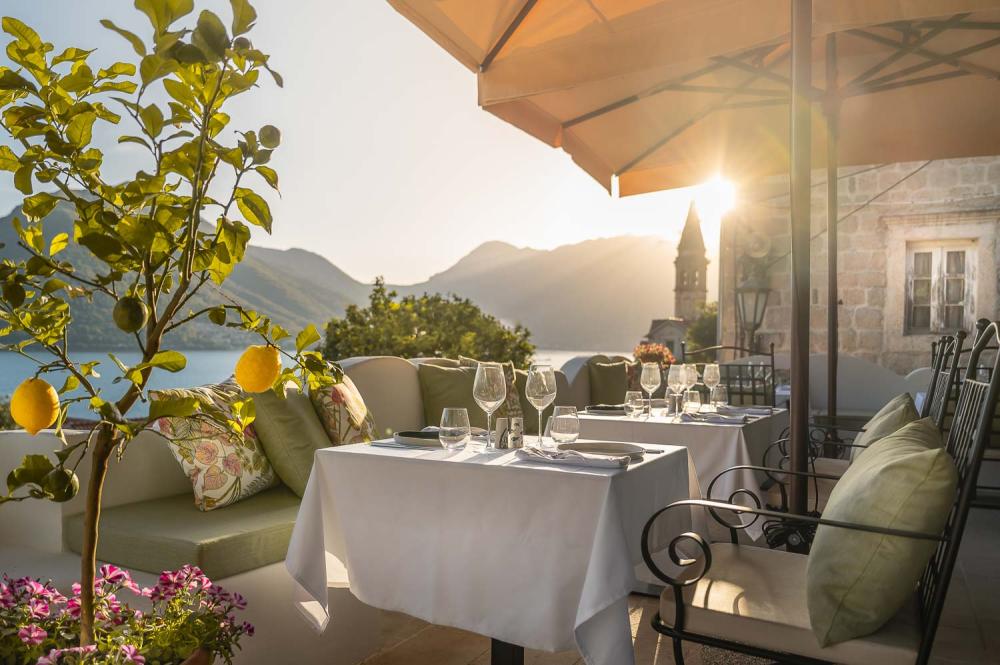
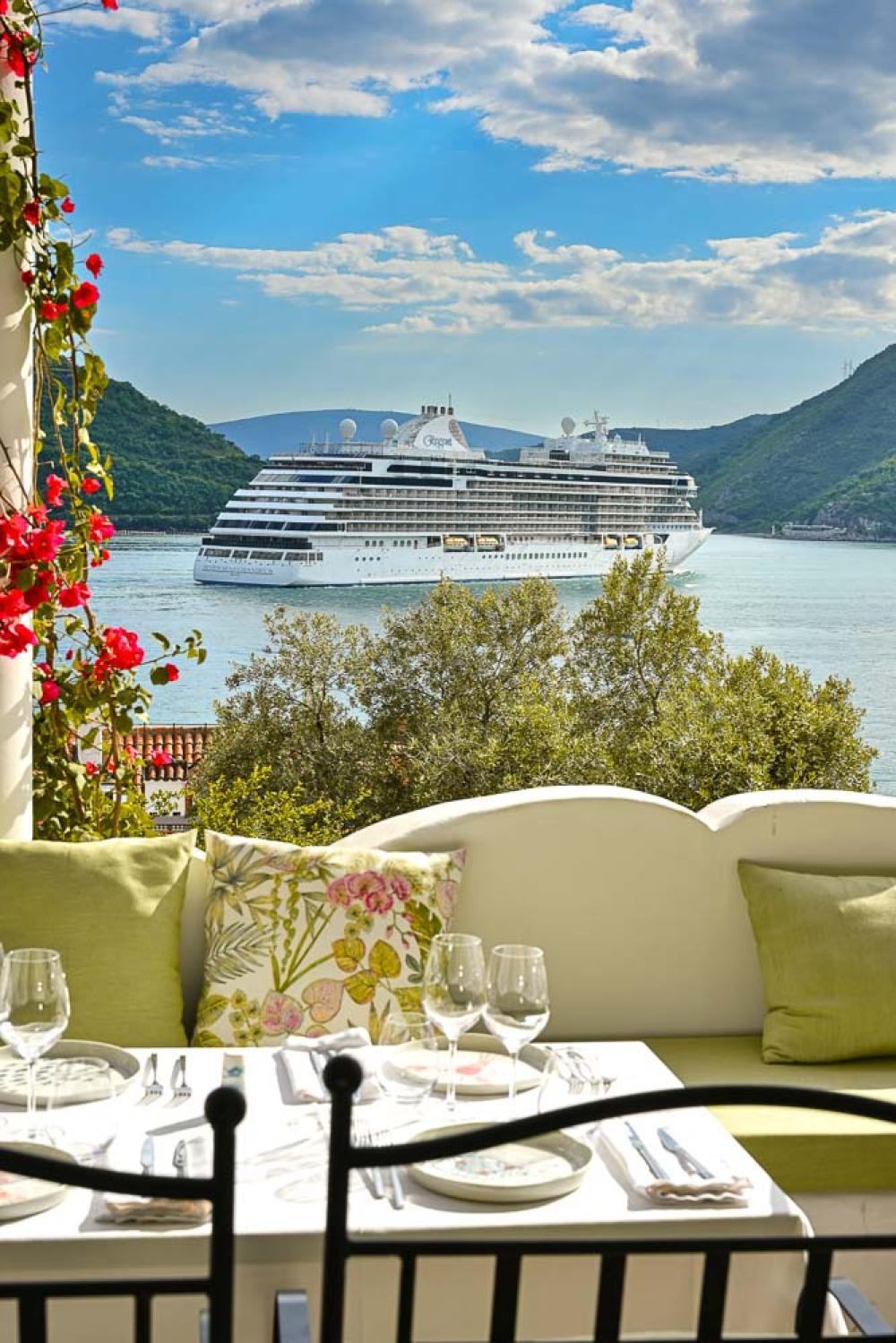
C.M.: Perast and the Bay of Kotor have history, nature, the sea, and authentic flavours. How much inspiration and advantage does this area give you when creating your cuisine?
– The entire Bay of Kotor, with all its towns and villages, carries the story of an authentic way of life that developed here over centuries. For a chef, that is an enormous advantage, because you do not have to invent an identity – you simply have to listen to it carefully and respect it. Today’s guest does not travel only for a beautiful plate. They want to feel the place they are in and understand its story. That is precisely why I believe authenticity is the greatest value we possess. If we remain true to ourselves and continue to nurture what makes us distinctive, I am certain that the Bay of Kotor and Montenegro will become increasingly important gastronomic destinations.
.jpg)
C.M.: Do you believe we are sufficiently aware of the potential of our gastronomic heritage, and what else could we present more effectively to the world?
– I think Montenegrin gastronomy still needs to step outside its comfort zone. We have exceptional ingredients, a rich tradition, and diverse influences that have shaped our cuisine, but we often remain trapped in the way we are accustomed to presenting them. I believe the time has come for our rich culinary heritage to receive a contemporary interpretation, without losing its character or origins. We should not try to become a copy of the major gastronomic nations. Our differences are precisely our greatest value. Few countries have the sea, lakes, mountains, and such a wide variety of products within such a small area. This is a wealth that we need to present to the world in an honest and recognisable way.
I am convinced that only then will we fully understand the value of what we have and how significant an ambassador Montenegrin gastronomy can become for our country around the world.
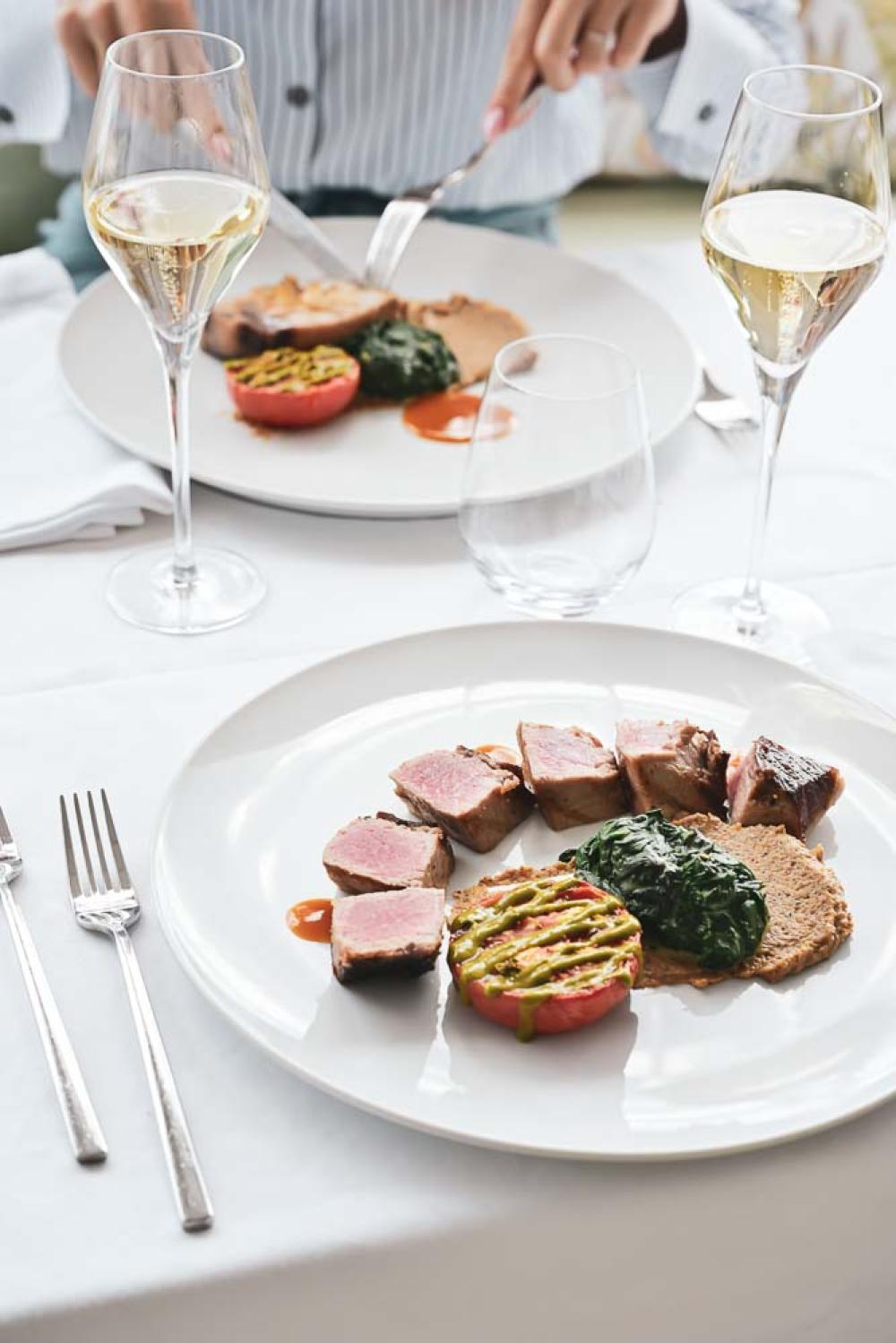
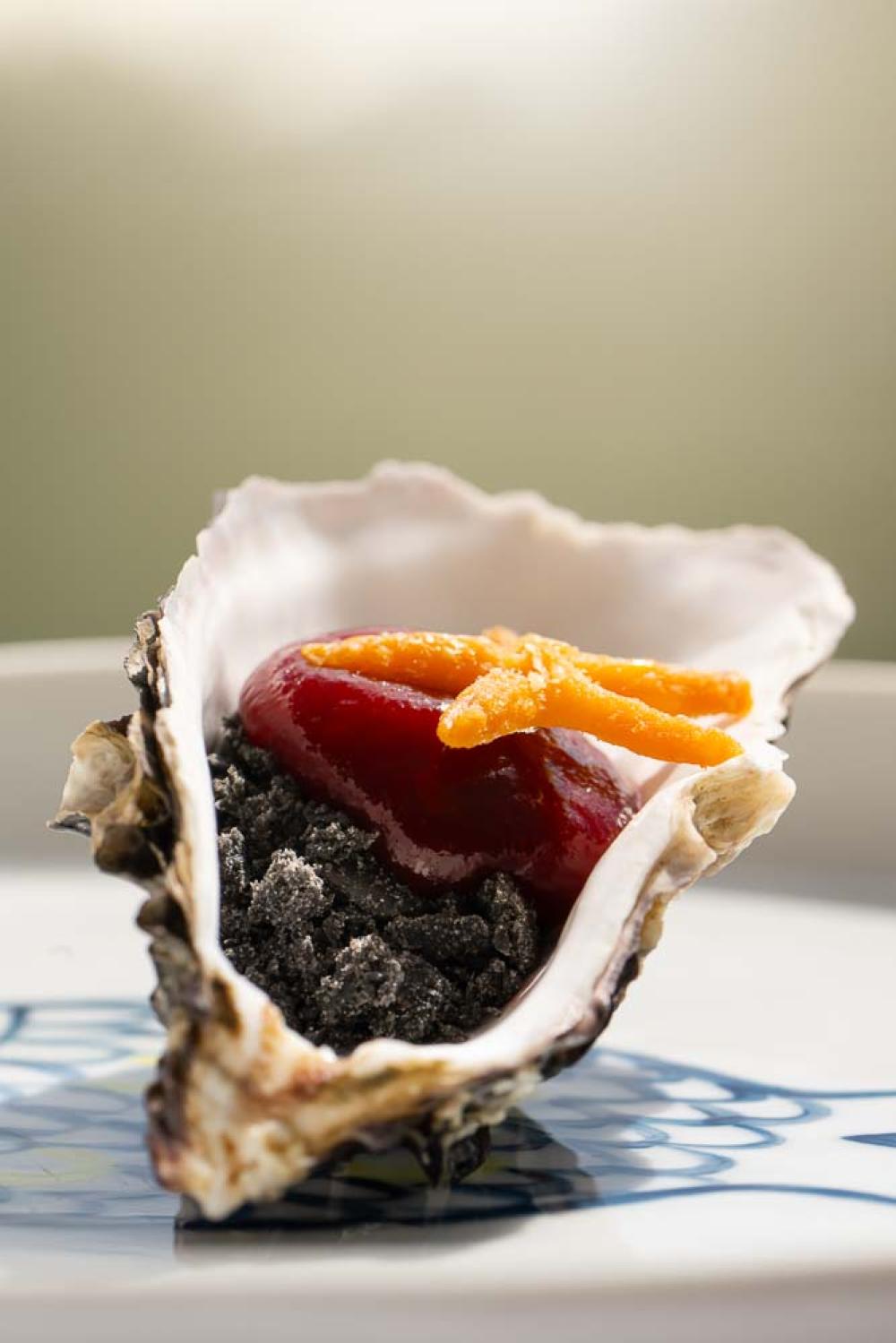
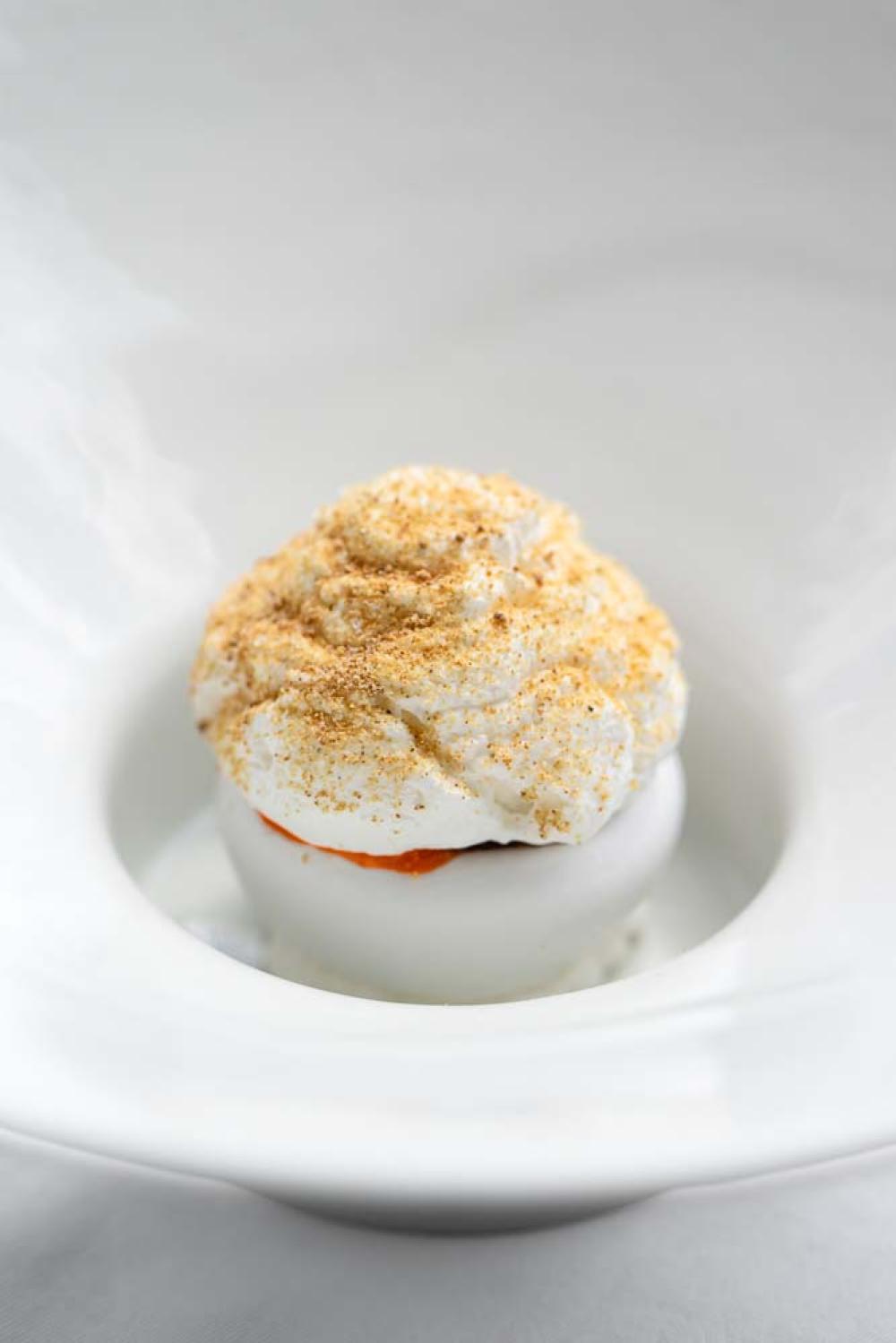
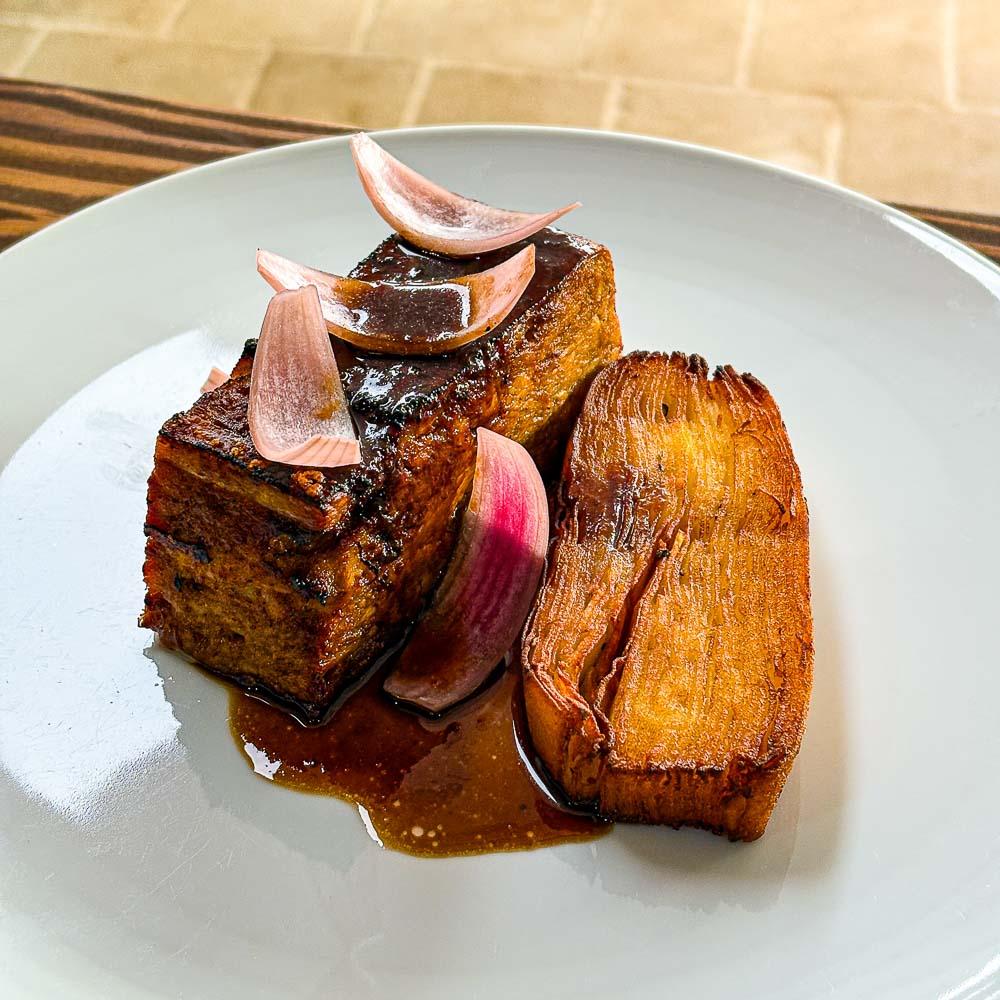
C.M.: Could you single out one dish from the Trattoria Rosmarino menu as an example of how you apply your culinary techniques and knowledge in a dish that represents the identity and authenticity of the Bay of Kotor in a modern way?
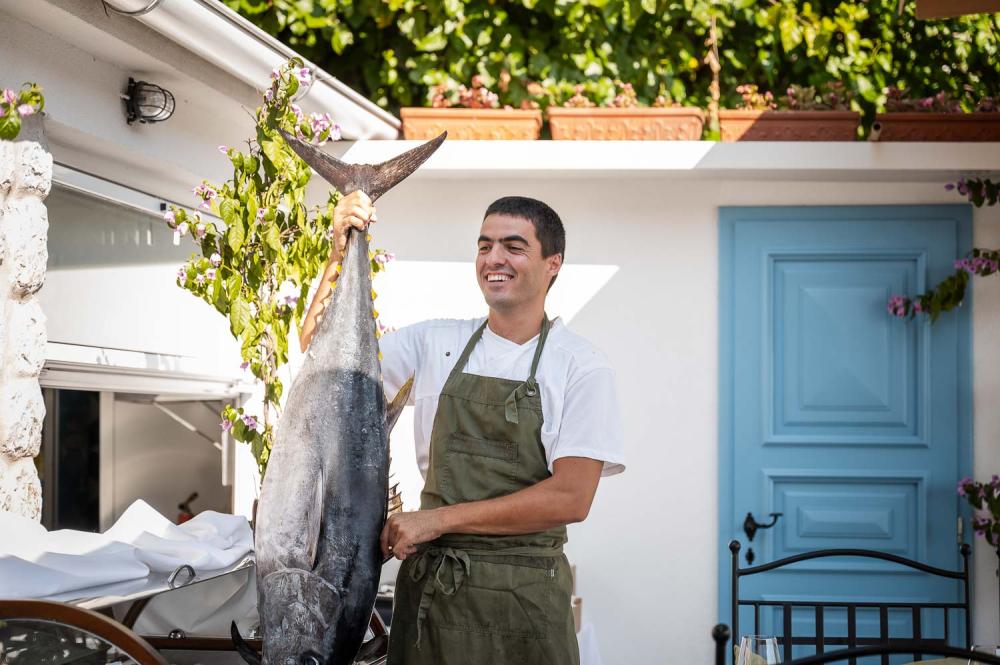
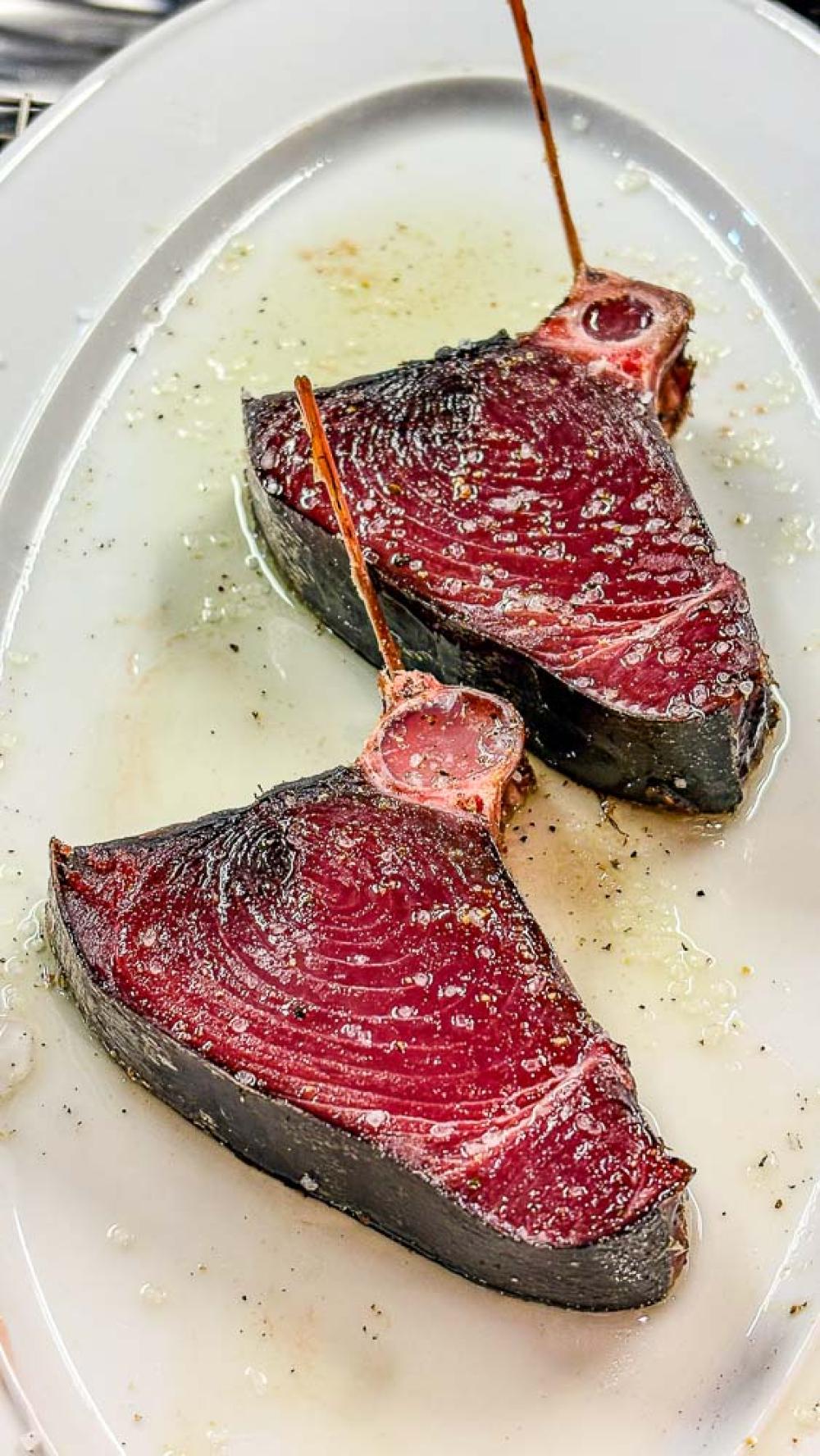
– Over the past two years, we have been particularly dedicated to researching the drying and ageing of fish. This is an area that is becoming increasingly important worldwide, but remains insufficiently explored, especially when it comes to fish. As an example of our approach, I would single out tuna that we dry-age for fourteen days. It is a local ingredient sourced from our fishermen, and then, under strictly controlled conditions, we use the ageing process to develop its texture, concentration of flavour, and aroma.
C.M.: Which of our ingredients and flavours do you believe have the potential to become internationally recognised symbols of Montenegro?
– First of all, I believe our food sector needs standardisation and consistent quality control. If we are talking about cheeses, for example, I am convinced that Montenegro can produce world-class products. However, recipes, technological processes, maturation methods, and quality control need to be standardised so that every product is equally good, regardless of the producer. In addition to cheeses, honey, salted fish, olive oil, and wine have enormous potential. These are products that can become powerful ambassadors for our country if they are backed by recognisable and consistent quality. I am particularly pleased that in recent years we have witnessed major progress among our winemakers and olive growers. They have shown how much can be achieved when knowledge, dedication, and investment are combined with high-quality raw materials. Today, Montenegro has olive oils and wines that win the most prestigious international awards and stand alongside products from much larger and more developed wine- and olive-growing regions. This gives me great encouragement and confidence that our cheeses, honey, cured meat products, processed fish, and many other local ingredients can follow the same path. The potential undoubtedly exists; we simply need to continue working together on quality.
C.M.: When you speak with guests from different countries, what surprises them most about Rosmarino?
– I think guests are first surprised by the service. That is their first contact with the restaurant and the moment when they form their initial impression. We work every day with our service team on every aspect of professional hospitality, because we believe that fine dining begins long before the first plate reaches the table. After that, guests are often surprised by our wine list, which includes some of the world’s greatest labels, as well as small local wineries that bring a special sense of authenticity. Finally comes the food, through flavours, techniques, and combinations with which we try to tell guests the story of the Bay of Kotor.
.jpg)
C.M.: You won a silver medal as part of a team at the 2016 Culinary Olympics in Erfurt. What kind of competition is it?
– The Culinary Olympics in Erfurt is one of the largest and most prestigious competitions for professional chefs in the world. It is held every four years in Erfurt and brings together national teams and leading chefs from around the globe, so it is rightly regarded as a kind of Olympic Games of gastronomy.
I had the privilege of being part of Montenegro’s national team, with which we won a silver medal in the festive table presentation category, presenting a cold ceremonial platter for eight people. It is an experience that teaches you just how important teamwork, discipline, and precision are in professional gastronomy.
C.M.: Restaurants that are part of the JRE family often become a reason for guests to plan an entire trip. Do you feel that gastronomy can now be one of the key motivations for visiting Montenegro?
– This year, we were genuinely surprised by the number of guests who visited us specifically because they had learned that Rosmarino had become part of the JRE family. This further confirmed for me that gastronomy today is not merely part of a journey, but very often its main purpose. People are prepared to travel hundreds or even thousands of kilometres for a single authentic experience. That is precisely why I believe high-quality gastronomy can become one of the most important reasons people visit Montenegro in the future. We simply have to keep working on it.
-1000x600-fixwidth.jpg)
C.M.: Following this major recognition and your admission to the JRE family, what is the next challenge for you? Is a Michelin star a dream and a goal for you and Rosmarino?
– Of course, Michelin recognition would be a major honour and confirmation of everything we are doing. However, at Rosmarino we try not to cook for guides and awards, but for the guests who place their trust in us every day. Our goal is to welcome everyone in the best possible way and provide them with an experience they will remember. I believe awards have the greatest value when they come as a consequence of sincere and consistent work, rather than being pursued as a goal in themselves.
C.M.: What advice would you give to young chefs from Montenegro who intend to pursue this profession seriously?
– Above all, I would advise young chefs to find a good mentor. Someone who will teach them the foundations of the craft, show them the right path, and help them build character, not just technique. I would also tell them not to enter this profession for money. Money is the result of high-quality, honest, long-term work; it is never the reason for it. The most important thing is to remain curious, to learn every day, and never to believe that you have learned everything. The moment you stop learning, you also stop progressing.
C.M.: Does it make you particularly proud that you have drawn the attention of the international gastronomic community to Montenegro as a potential culinary destination of the future, and that your example may serve as a role model and inspiration to a young chef from Montenegro?
– Of course it makes me proud. However, I would be even happier if young hospitality professionals saw through this story that there is room for success here as well. I want them to understand that it is not necessary to go far away in order to make a name for themselves in hospitality. Travel and professional development are important, but it is equally important to return and invest the knowledge you have gained in the place you come from. If our example encourages even one young hospitality professional to believe that they can build an international career from Montenegro, then all of this will have far greater meaning than any award we have received.
“I believe that this is precisely where the future of our gastronomy lies – not in searching for exotic ingredients, but in understanding what we already have better than anyone else and using contemporary techniques to draw the full potential from local products. In that way, we create new value while remaining faithful to the region we come from.”
What Is JRE – Jeunes Restaurateurs?
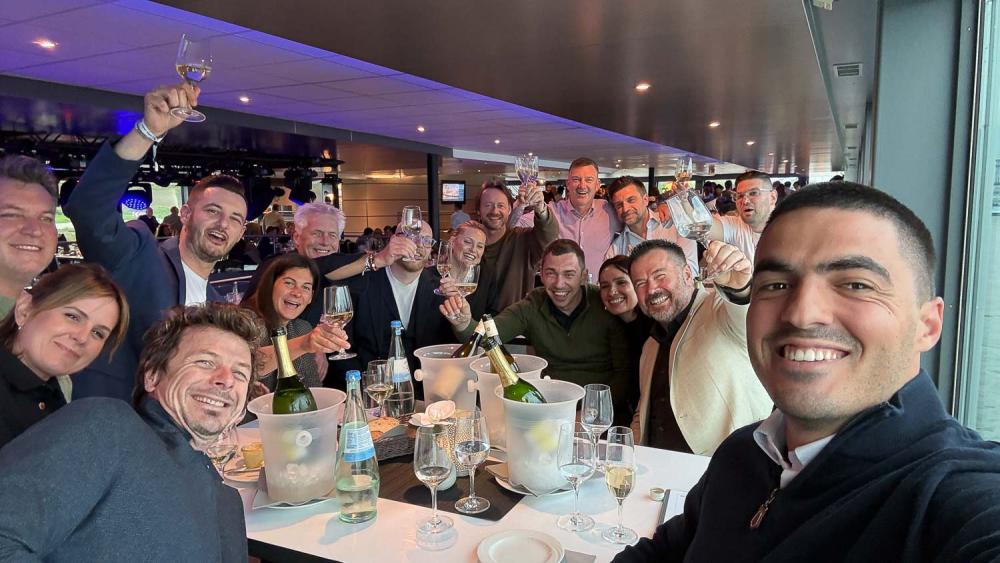
JRE – Jeunes Restaurateurs, meaning Young Restaurateurs, was founded in France in 1974 as an international association of talented chefs and restaurant owners. Today, JRE brings together more than 400 restaurants in approximately 16 European countries and beyond, more than 180 Michelin stars among its members, thousands of Gault&Millau points, and a network of restaurants committed to outstanding gastronomy, local products, and innovation. Unlike Michelin, JRE is not a guide that awards stars, but an exclusive community whose members join by invitation and following an evaluation process. Members must meet high standards of food quality, service, creativity, and professionalism.
What Does Membership in JRE, the Prestigious International Gastronomic Network, Mean for Montenegro?
JRE carefully selects its members, and admission to the organisation is not merely a question of food quality, but also of philosophy, authenticity, and the story a restaurant tells. Montenegro became a member of JRE only on 1 January 2026, while Nikola Čelić of Trattoria Rosmarino in Perast became the first founding member of JRE Montenegro. In practical terms, this means that he was the person who introduced Montenegro to this prestigious international gastronomic network. Montenegro’s membership in JRE represents a significant step forward in positioning the country on the map of leading gastronomic destinations. It brings strong international promotion for Montenegro, increases the visibility of Rosmarino among guests who travel specifically in search of exceptional culinary experiences, opens opportunities for collaboration with leading European chefs, and enables participation in international congresses and events organised by JRE.