What began as a desire to plant a few raspberry bushes for the family and enjoy homemade products soon grew into a serious story of a family farm and production on their own land. We spoke with Radovan Vučković about returning from the Netherlands to his native Grahovo, his beginnings in raspberry growing, the everyday work involved, family production and his desire to see this region once again become known for its raspberries.
CM: After almost 20 years of living in the Netherlands, how did you decide to return to your native Grahovo?
I was born here and have always felt connected to Grahovo. While I was living in the Netherlands, there was always that sense of nostalgia and a desire to return here one day. When the children grew older and it was time for them to start school, we had to make a decision – either stay there or come back. In the meantime, we had bought property here and were finishing our house, so my wife and I decided to return and try to build something of our own. The Netherlands is certainly more organised and offers more job opportunities, but people live and work here too, and what mattered most to us was being back on our own land, building something of our own.
CM: What inspired you to start growing raspberries?
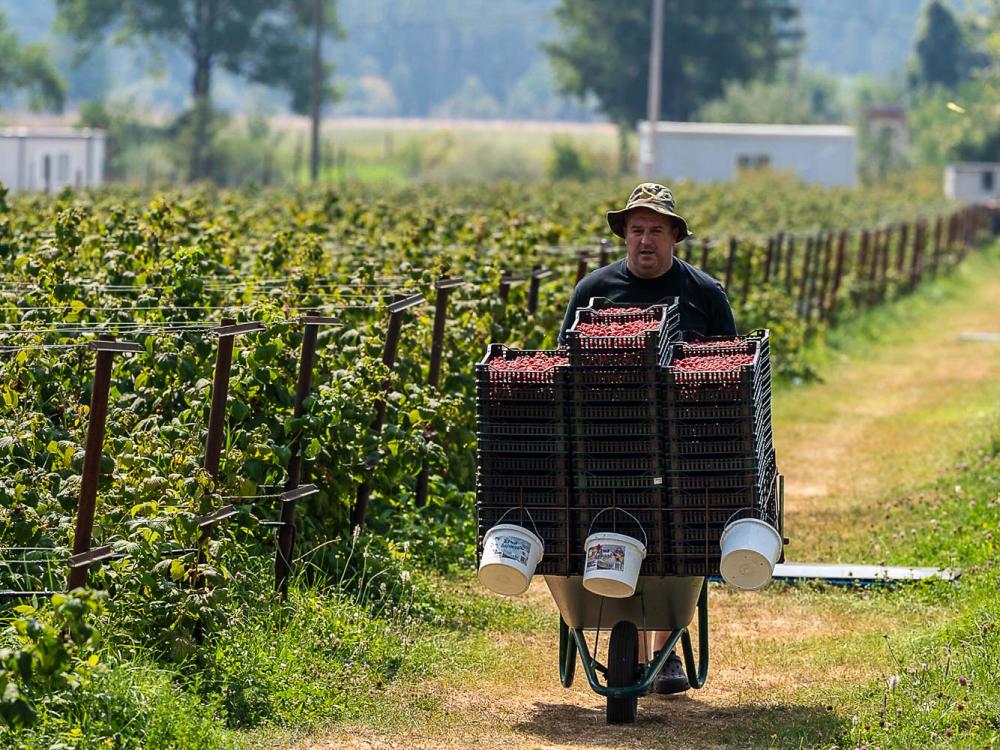
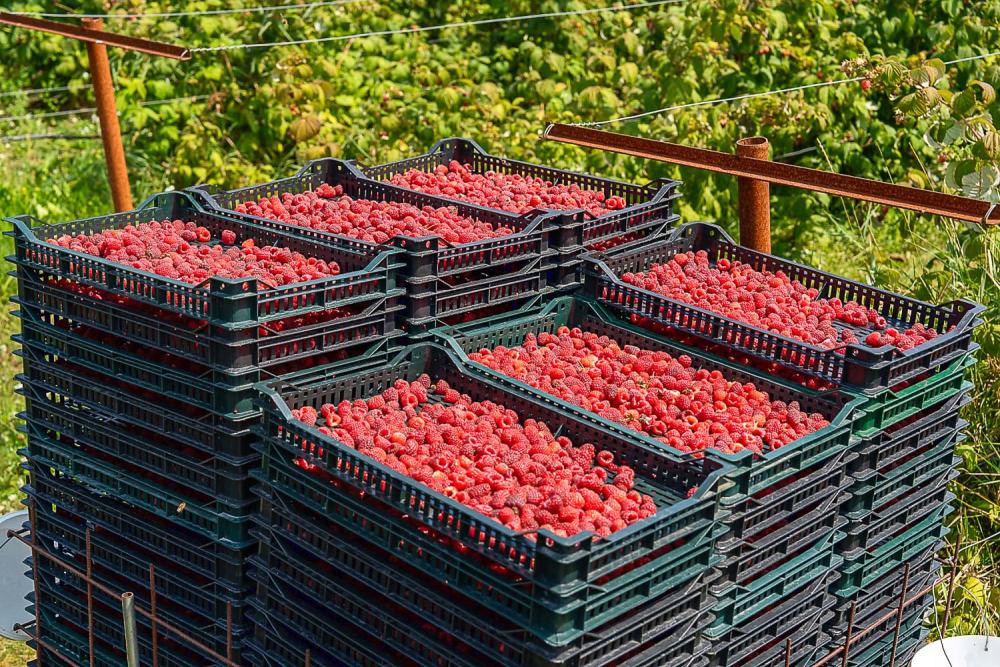
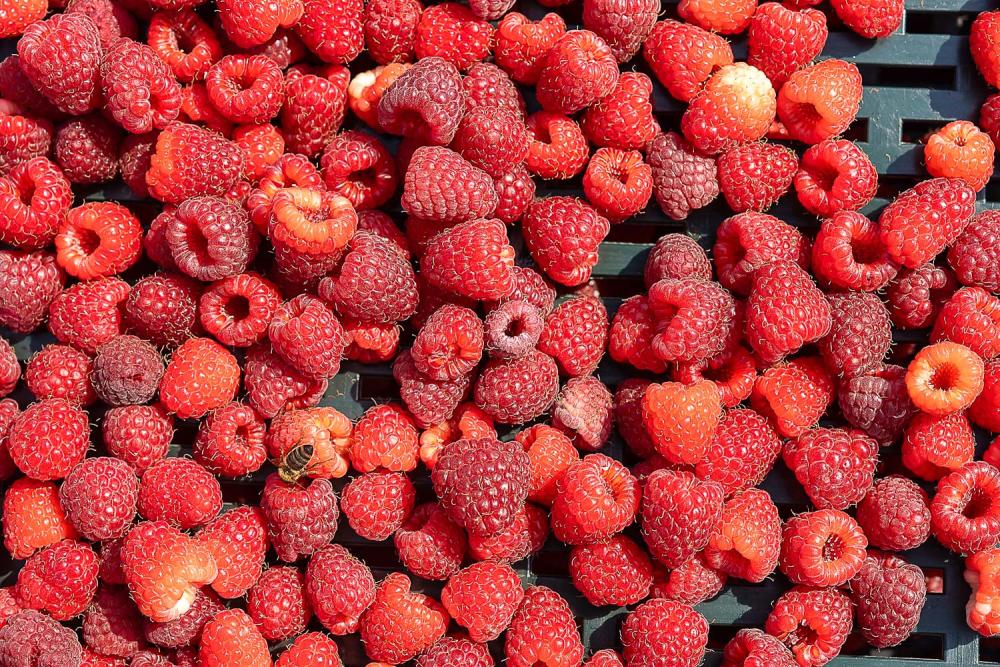
It all began spontaneously, with a few rows of raspberries that we planted primarily for our family, so that the children could have fresh fruit from our own land. When we had some fruit left over, my wife made raspberry juice, which our relatives and neighbours really liked, and that encouraged us to start thinking about more serious production. Another source of inspiration was Grahovo’s tradition, as there was once a raspberry processing factory here. The beginning was not easy, because considerable investment was needed for plants, irrigation and equipment, but with support from the Ministry of Agriculture, we managed to develop the business and combine growing with processing. Today, we have around 7,000 square metres planted with raspberries, and the harvest lasts from late July until mid-October. There is a lot of work, especially during the season, but we are happy to be working on our own land and developing something of our own.
CM: How much does your family help, and what does the harvest look like at the height of the season?
Without the family, all of this would be almost impossible. We work together throughout the year, and when the peak season begins, we have to hire additional workers. Between ten and twenty people take part in the harvest, while additional work is required for sorting and preparing the raspberries. There is always something to be done, and during the season we simply cannot manage everything on our own.
CM: What products do you make from the raspberries grown on your farm?
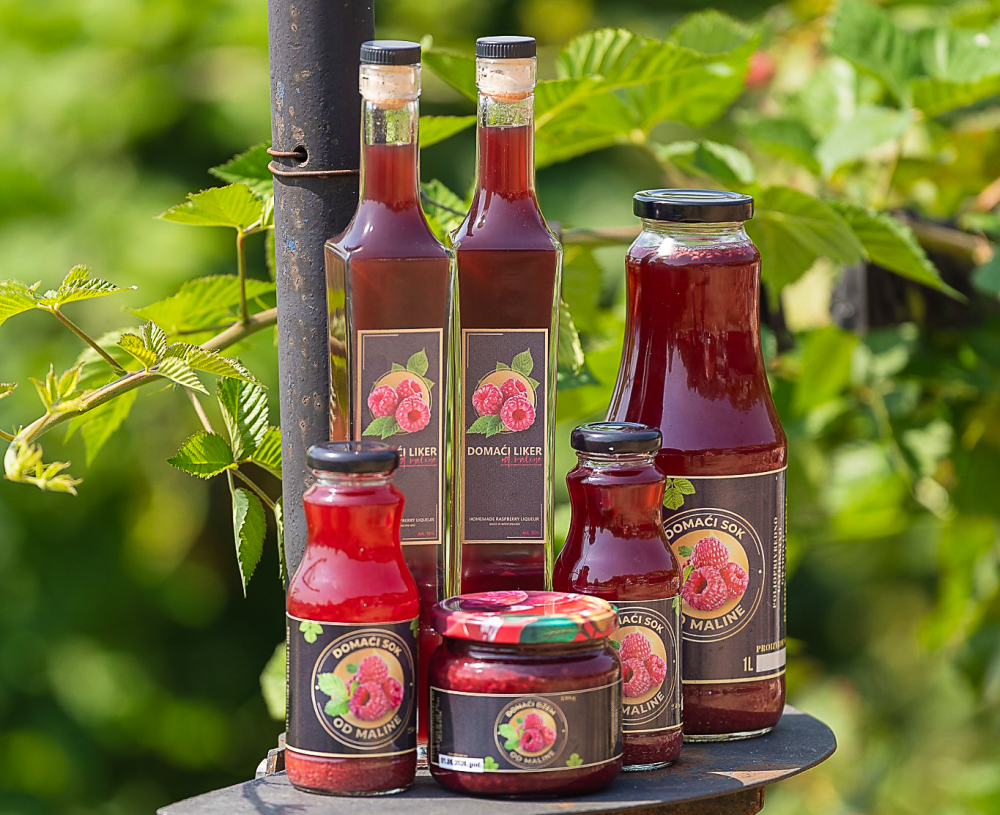
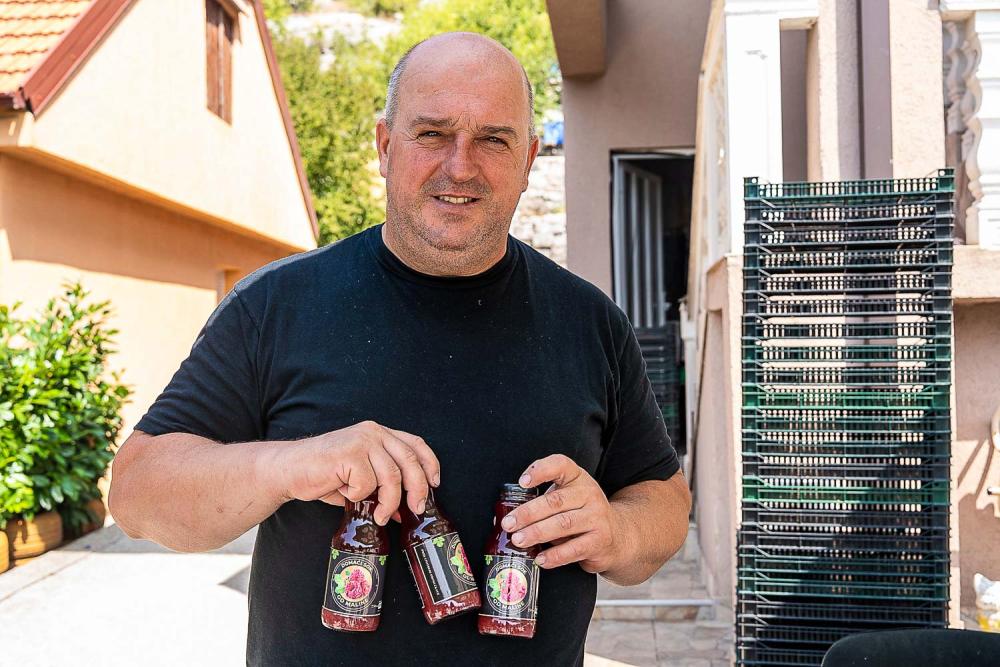
In addition to fresh raspberries, we make juice, liqueur, jam and traditional raspberry preserve, and occasionally we also offer cakes. We try to use raspberries in as many ways as possible and offer our customers homemade products made from fruit grown on our own land.
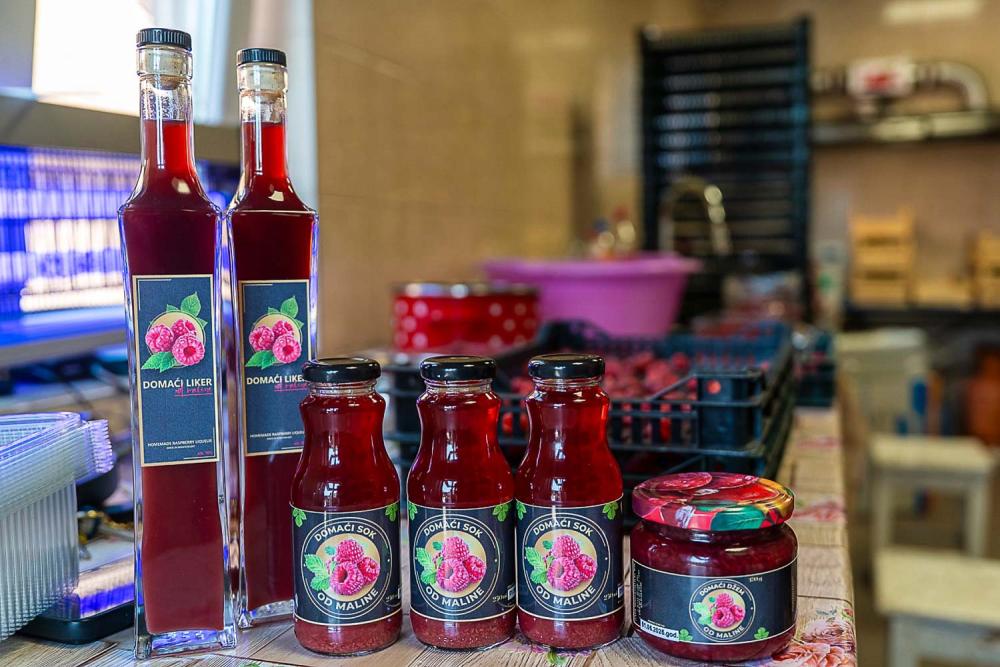
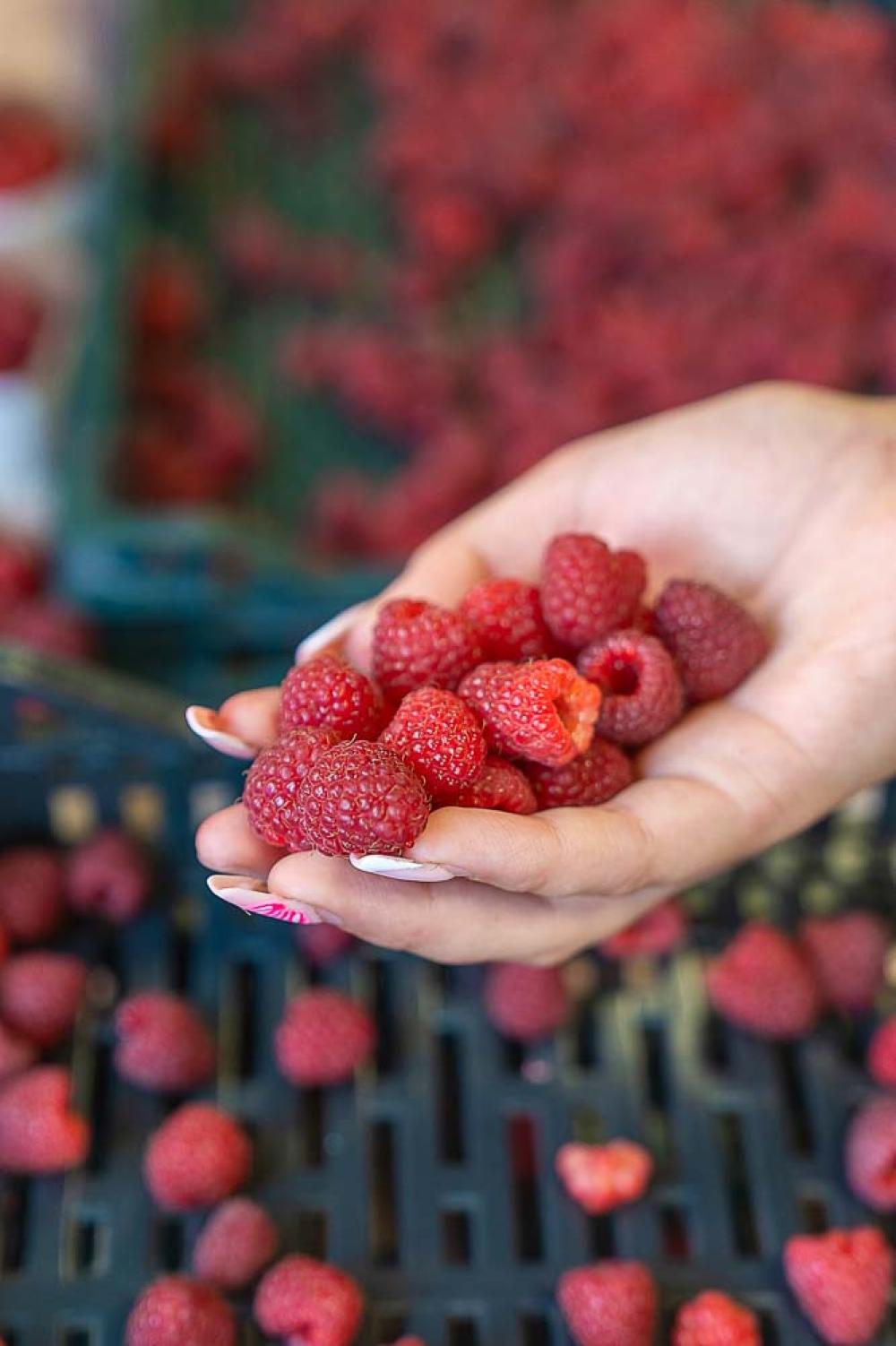
CM: Do customers recognise the quality of homemade products?
We are very pleased with the level of customer interest. We have regular customers, and in addition to local people, we are often visited by foreigners who are staying in or passing through Grahovo. Some come almost every day to buy two or three kilograms of fresh raspberries, and they also ask us to freeze some for them so they can enjoy them during the winter. That is the best indication for us that people recognise the quality of a homemade product. Our products can be found in several restaurants in Grahovo and the surrounding area, while many customers also come directly to us. What matters most to us is that the product reaches the customer fresh and at its best.
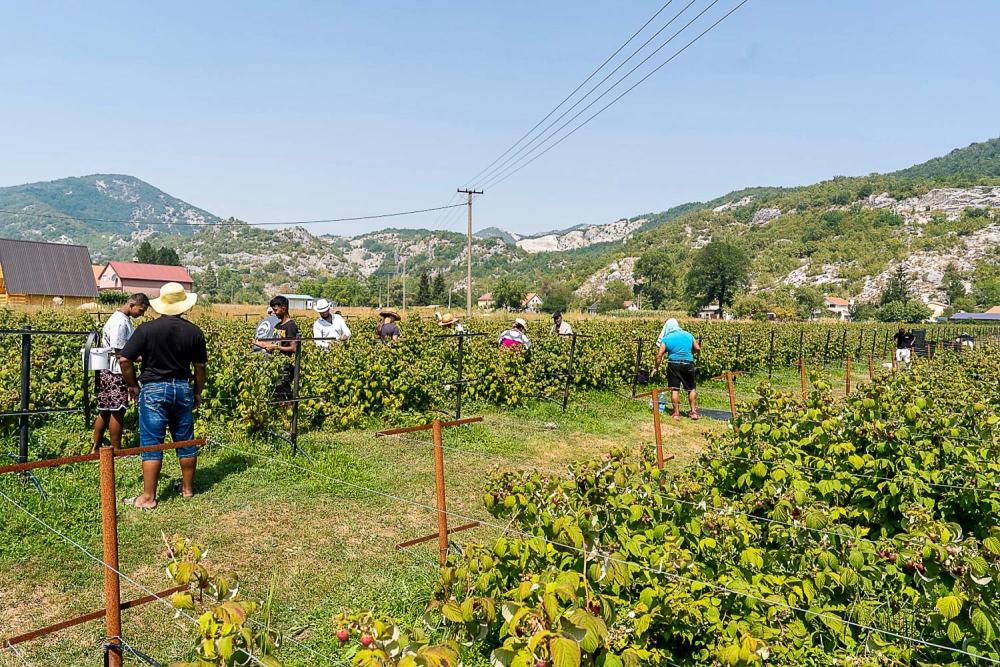
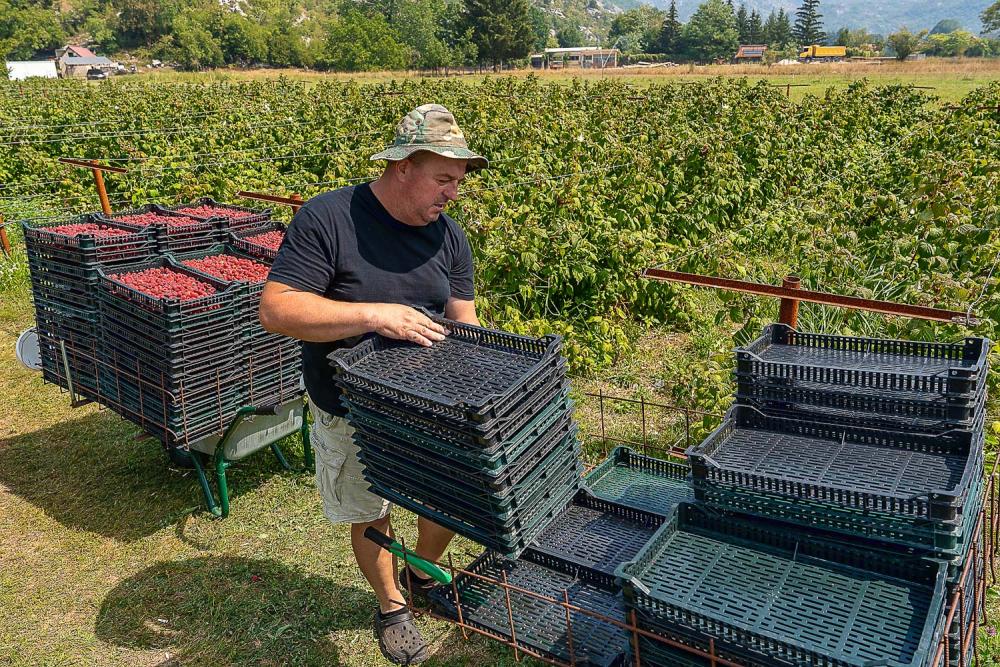
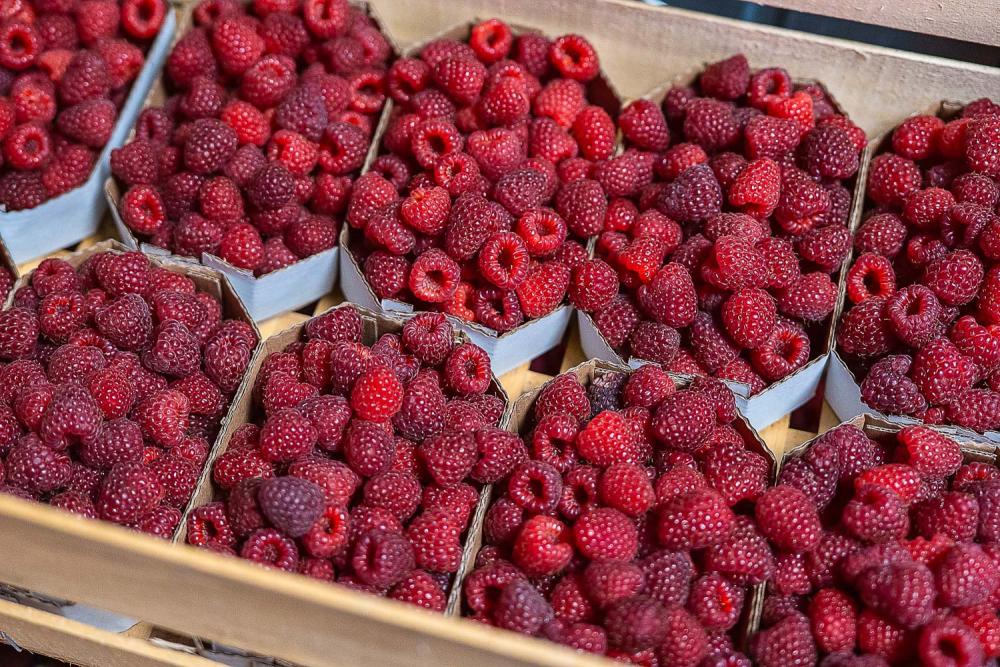
Radovan says his greatest wish is to see raspberry production in Grahovo develop further and for the area to once again become known for this crop. He believes Grahovo has excellent conditions for it – fertile soil, plenty of water and an elevation of around 750 metres. He would like to see more people become involved in raspberry growing and, one day, more substantial processing operations return to the area, perhaps even a factory like the one that once existed here. He believes that with greater support from the Municipality of Nikšić, the state and the Ministry of Agriculture, this story could grow into something much bigger. His own example, he says, proves that it is possible to make a living from working your own land and that this venture has the potential for further development.