

Nearly ten years ago, Mirjana Šarac Mitrović founded the MIXO brand, driven by her belief in original design, local production, and uncompromising quality. Today, MIXO products can be found in homes, hotels, and restaurants throughout the region, proving that a brand recognized for quality and authenticity can be successfully built in Montenegro.

C.M.: How did the idea for launching the MIXO brand come about, and what did your journey from the initial concept to the well-established domestic brand it is today look like?
I graduated in Costume Design and Fashion Design, and I always knew I wanted to create—but not only on paper. I wanted my own sustainable production, a place where an idea begins as a sketch and ends up as a real product in someone's home. That is how MIXO was born. We started with a small workshop and a big dream, growing step by step, product by product, customer by customer, for the past nine years. Today, when I see our products in homes across Montenegro and the region, I know that every hour of work was worthwhile.
C.M.: What is at the heart of your brand today, and what do you believe makes MIXO recognizable on the market?
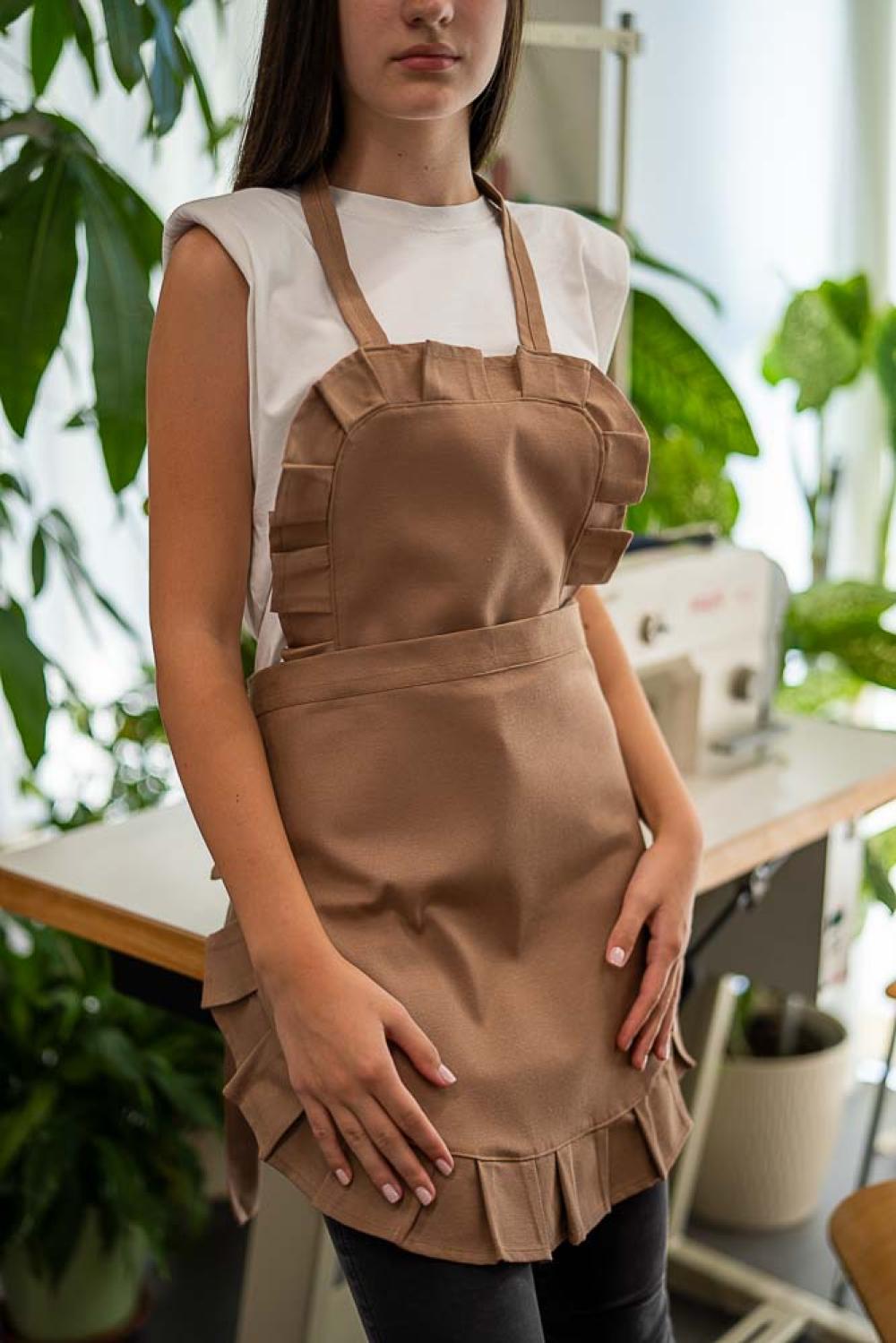
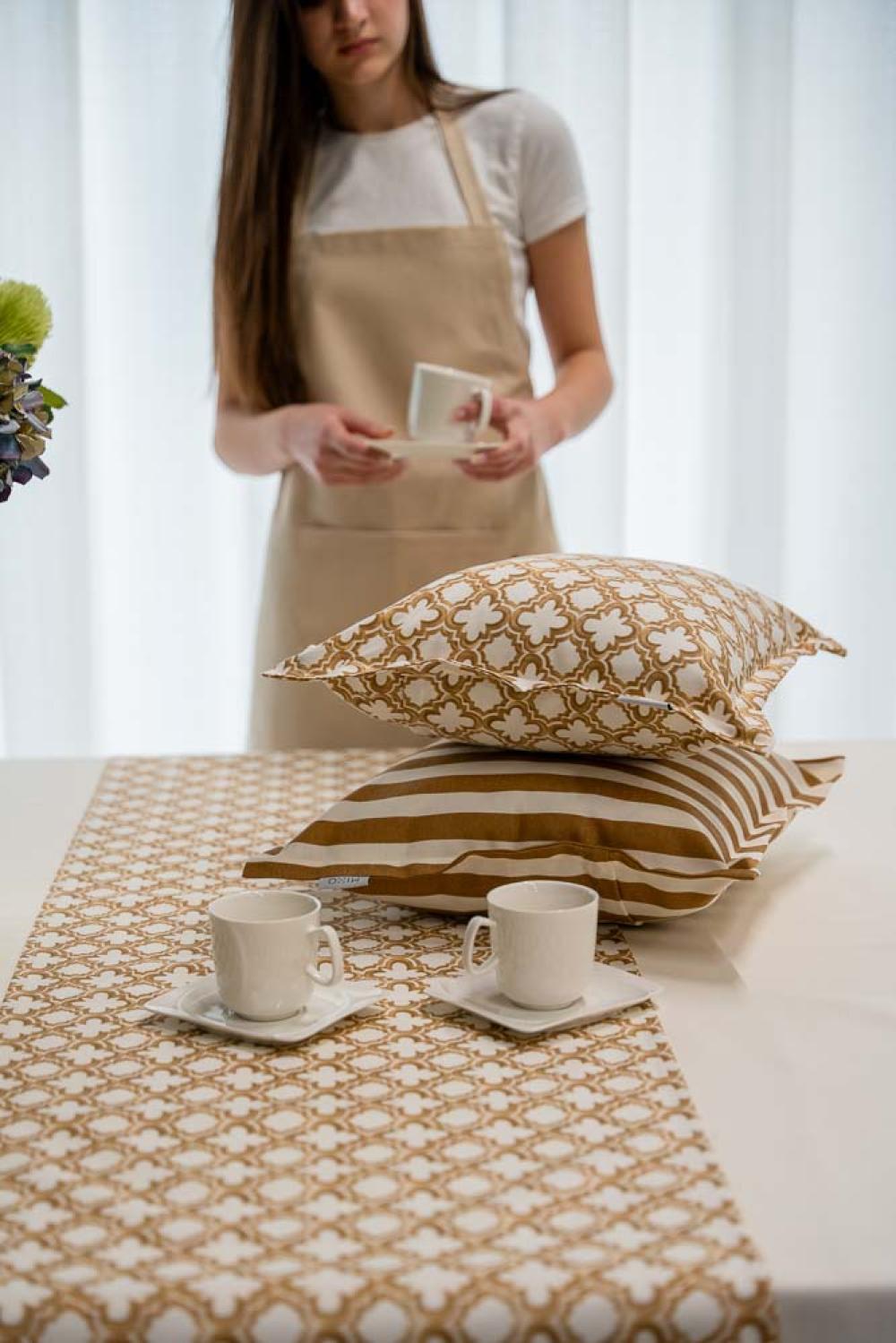
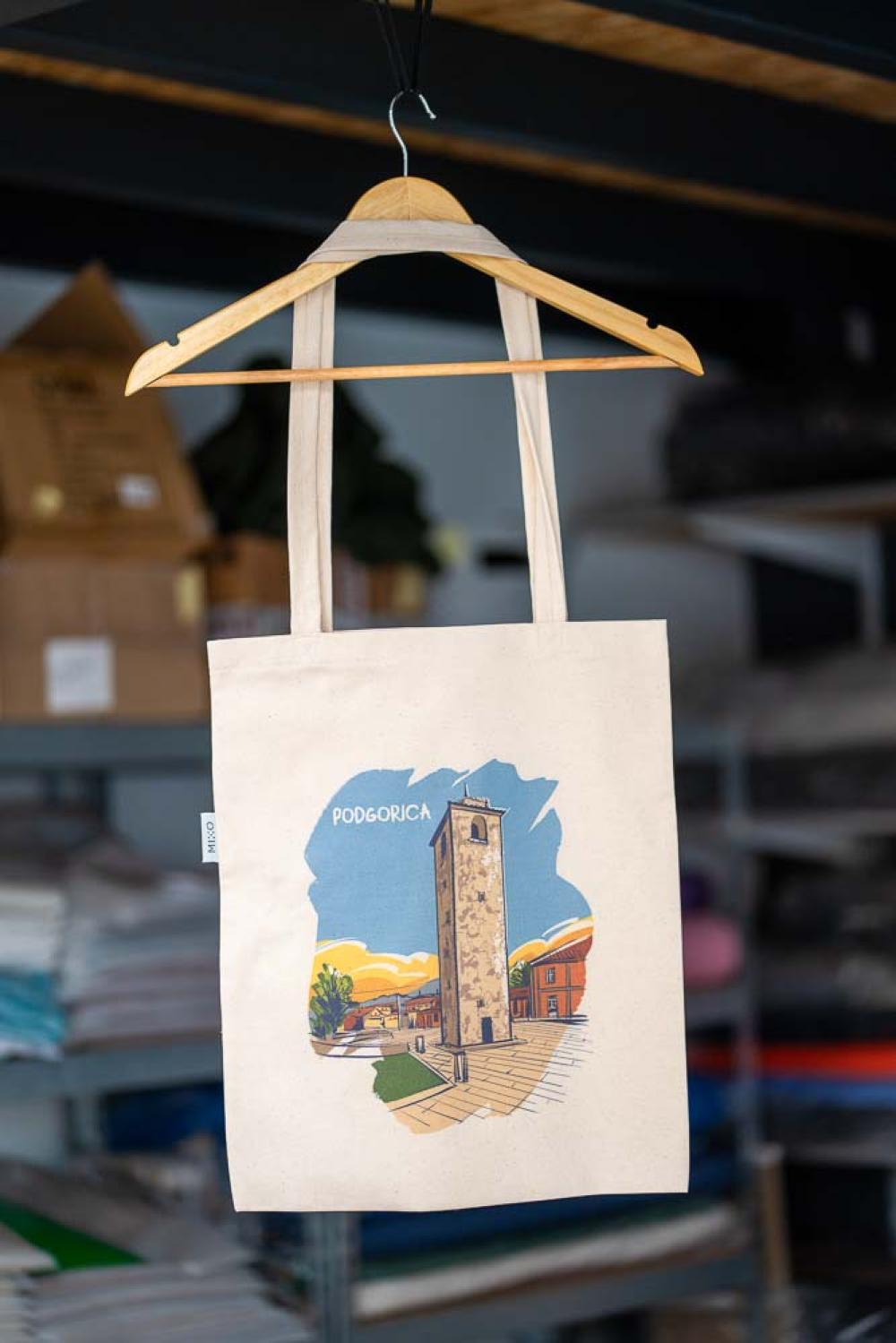
The heart of MIXO is the combination of two things: original design and local production. All of our illustrations and products are created by our own team, and everything is sewn here in Podgorica. We are especially known for our tablecloths—particularly our water-repellent ones—as well as bedding, aprons, kitchen towels, tote bags, and much more. But above all, we are recognized for uncompromising quality. We are a Montenegrin brand, and we are proud to emphasize that because we believe it is a strength, not a limitation.
C.M.: How challenging is it to remain committed to local production, and are customers today willing to recognize, appreciate, and trust products made in Montenegro?
The biggest challenge is the enormous influx of imported goods, which are often impossible to compete with on price. That's why we decided not to compete in that arena. Our field is quality, design, and durability. And customers are increasingly recognizing the difference. People are tired of products that last only a single season. When someone comes back for a second, and then a third product, that's trust you can't buy with advertising—it has to be earned. Montenegrin customers may be cautious at first, but once you show them that local also means high quality, they become your most loyal brand ambassadors.
C.M.: What principles do you insist on when it comes to selecting materials, the production process, and the finishing of your products, and what have customers recognized over the years as MIXO's greatest strength?
There is absolutely no compromise. Every material we use is quality-controlled and certified for safety because our products become part of someone's home, someone's table, someone's bed. Every product passes through human hands, not just machines, and that craftsmanship is evident in the final result. Over the years, our customers have recognized durability and quality as our greatest strengths, and I believe they share our pride in being able to buy a locally made product that is in no way inferior to imported alternatives. I believe that the trust we've earned is our greatest asset.
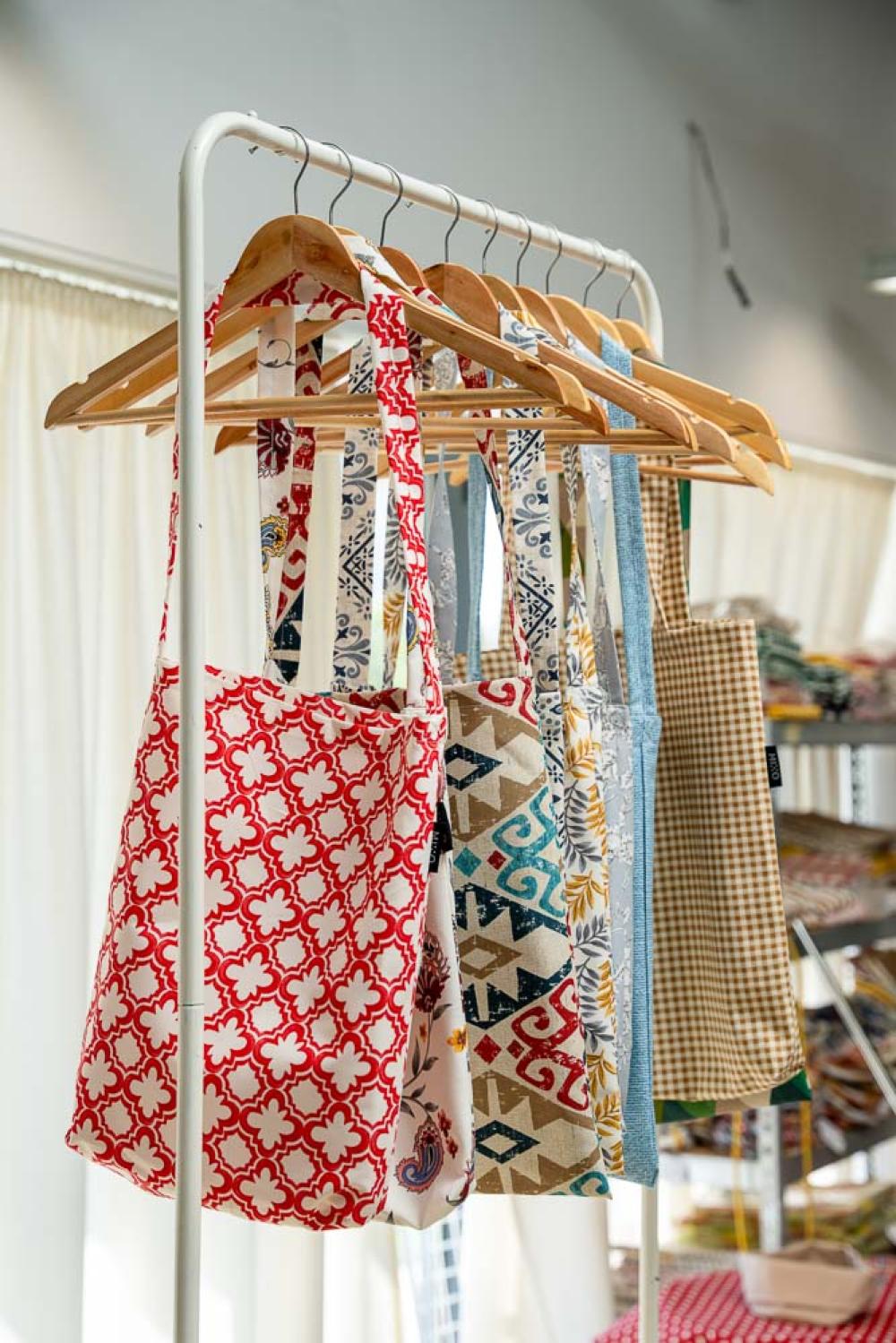
C.M.: How many people do you employ today, what kind of team have you built, and how important is the human factor in your business?
Today there are eleven of us, and we are all women. Honestly, I believe that's our greatest strength. That female energy, dedication, and attitude toward our work can be felt in everything we create. There's no such thing here as "just getting the job done." Every one of us puts a part of herself into what she makes, which is why our products combine beauty and durability—they're designed to serve people while making everyday life more beautiful.
C.M.: In addition to private customers, you also work with hotels, restaurants, and cafés. How important are these projects, and how do you approach creating products and solutions for business clients?
Working with hotels, restaurants, and cafés is extremely important to us, both commercially and as proof that local production can meet professional standards. Our approach is simple—we listen. Every property has its own story, atmosphere, and character, and our job is to translate that into textiles. We place particular importance on meeting deadlines because, in hospitality, deadlines are not wishes—they are necessities. We strive to offer business clients something that large suppliers often cannot: flexibility, original design, and a partner who remains available even after delivery.
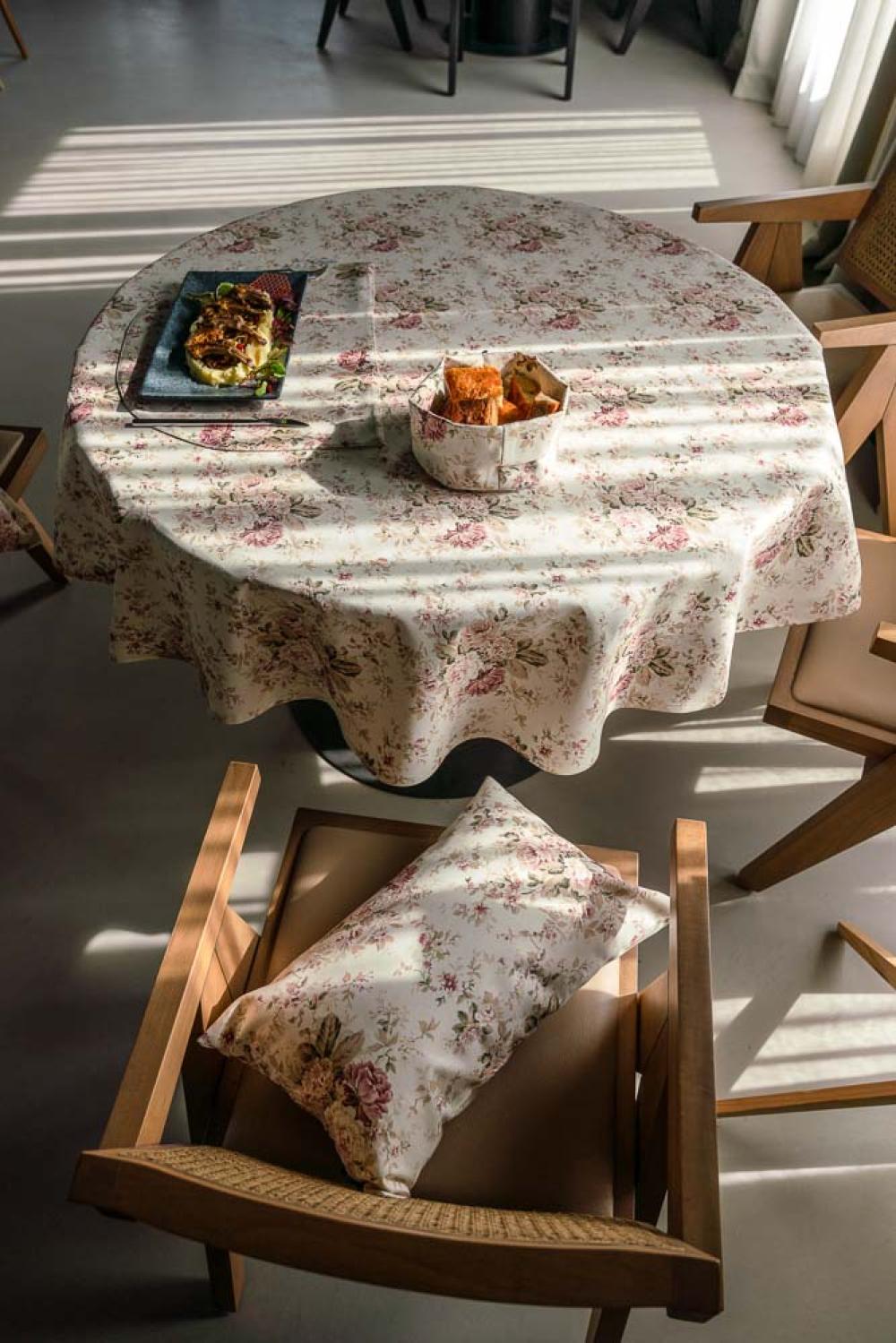
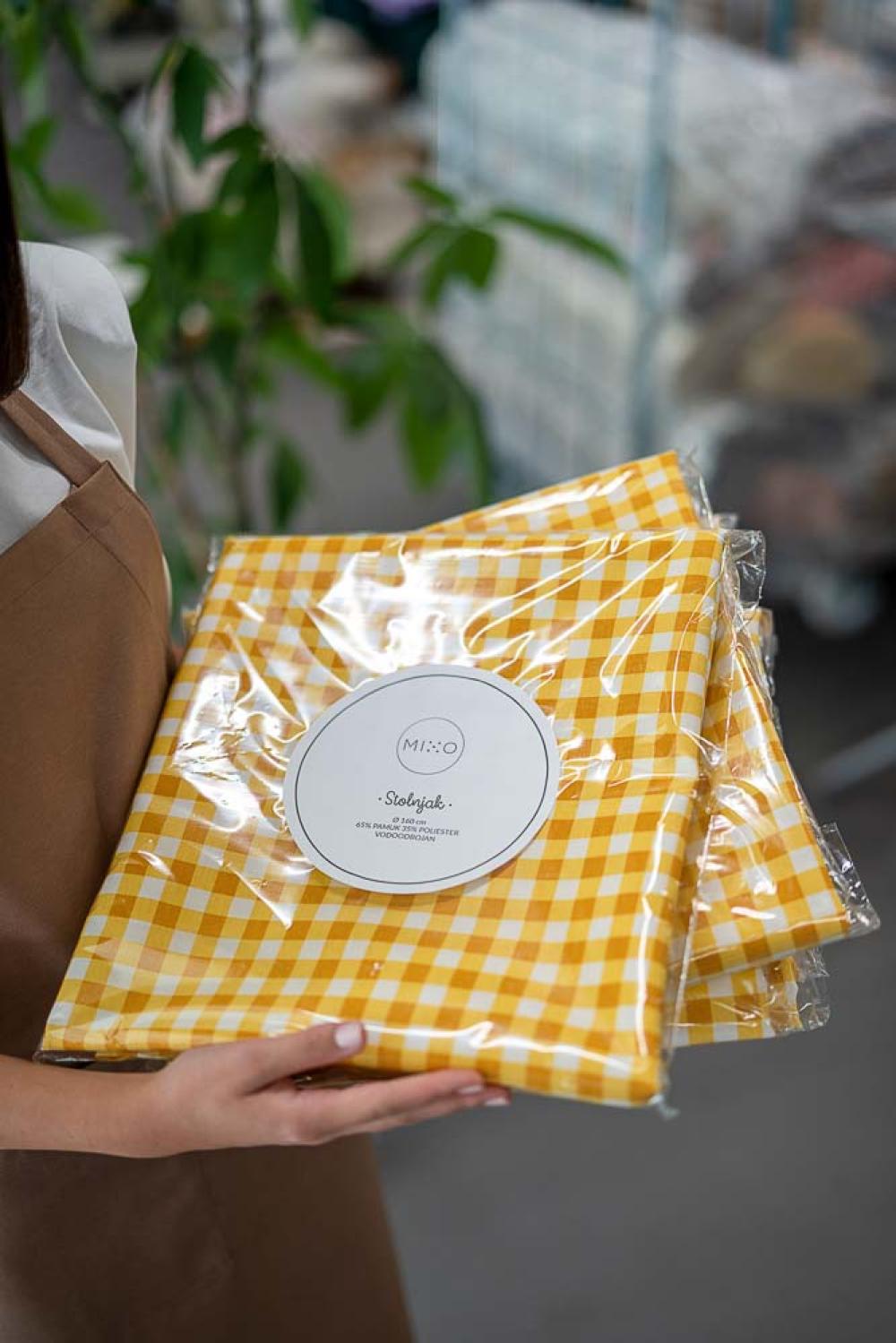
C.M.: Where can customers purchase your products, and how important is direct communication with your audience?
Our products are available in OKOV stores throughout Montenegro and Serbia, and customers also contact us directly every day through Instagram. That direct communication is extremely important to us. Our inbox is always full, and we personally reply to every single message. Many of our products have actually been shaped by our customers' wishes and ideas. When you're creating something for someone's home, you want to know who is on the other side, and I believe our customers genuinely appreciate that relationship.
C.M.: Which project, collaboration, or moment in your work are you particularly proud of?
We are especially proud of our partnership with OKOV, thanks to which our products are available throughout Montenegro and Serbia. For a small local manufacturer, such a partnership is a tremendous validation. And if you're asking about a specific moment, it's every time someone sends us a photograph of one of our products in their home. Another unforgettable moment was when our social media posts about local production reached tens of thousands of people. That was when we realized just how much it means to people that something beautiful and high-quality is being created here.
C.M.: What would you like people to think when they see the label "MIXO – Made in Montenegro"?
I would like them to think: this is good. Not "good for a Montenegrin product," but simply good. I want that label to stop being a surprise and become a guarantee. I want people to see the women who sewed it, the hands behind it, and the care that went into every piece. And perhaps most importantly, I want them to think: "It can be done here." Because it truly can. We prove that every single day.