

To get the very best from any wine, it is essential to store it properly and serve it at the correct temperature. This does not require a significant investment in storage equipment or sophisticated devices. Simple procedures and standard, affordable equipment are often enough to ensure that wines are enjoyed at their very best.
Wine Storage
If wine is stored improperly, its quality will almost certainly deteriorate, causing it to lose some of its defining characteristics and eventually spoil.
There are three key principles to follow when storing wine:
For long-term storage, wine should be kept at a cool, constant temperature. Extreme heat or cold, as well as significant temperature fluctuations, can negatively affect its quality.
Wine should be protected from sunlight and strong artificial light. Exposure to light and heat causes wine to develop stale, dull flavors.
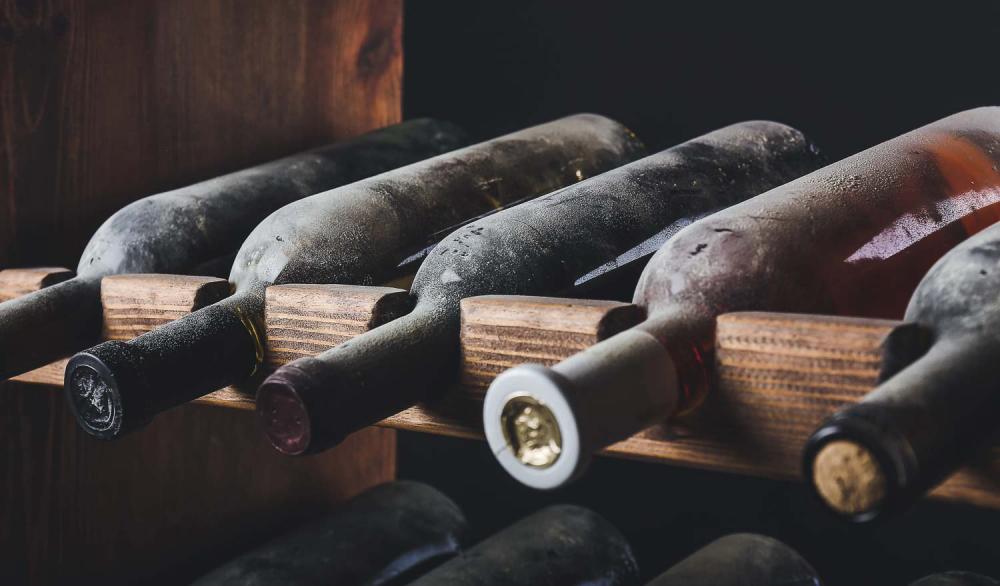
If the bottle is sealed with a natural cork, it should be stored horizontally so that the cork remains in constant contact with the wine and stays moist. Otherwise, the cork may dry out, allowing air to enter the bottle. This leads to oxidation, causing the wine to spoil and develop characteristic stale flavors. Wines sealed with screw caps can be stored upright without any issues.
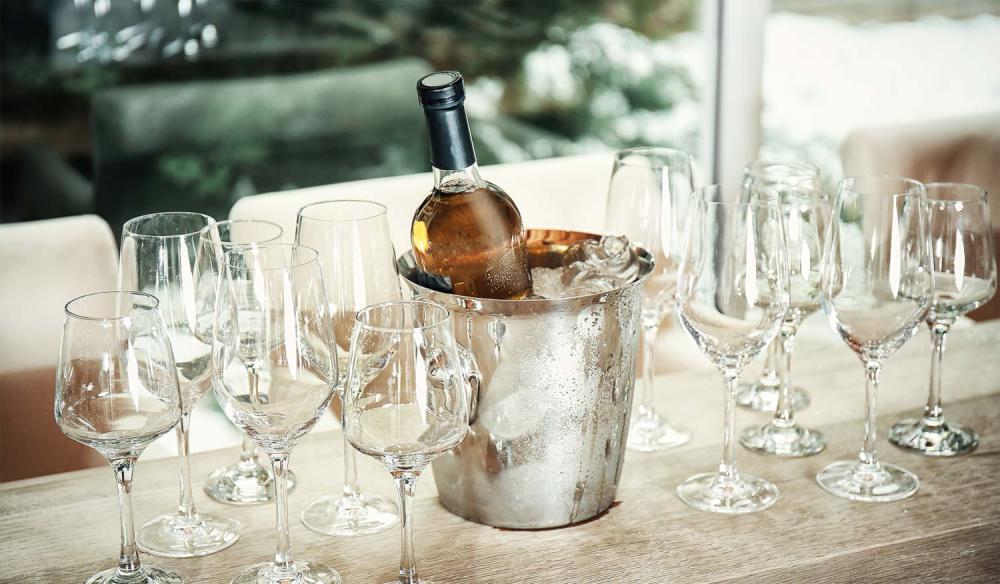
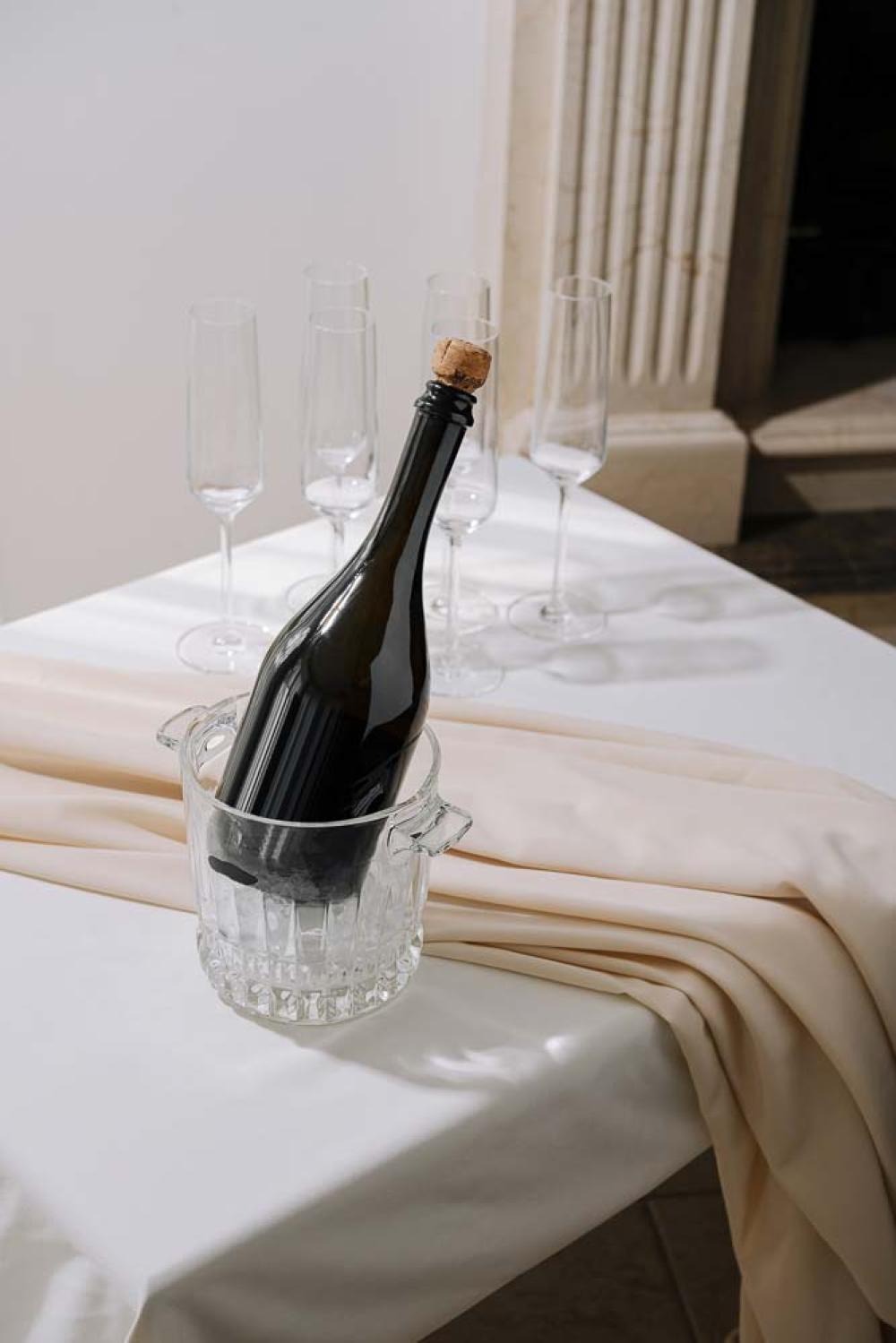
White, rosé, and sparkling wines are typically served chilled, while red wines are served slightly chilled or at room temperature. As always, serving temperature is ultimately a matter of personal preference. If you wish to keep a bottle chilled until it is finished, it is usually placed in an ice bucket filled with a mixture of ice and water.
If the wine seems too cold, never attempt to warm the bottle artificially. Allow it to reach the desired temperature naturally to preserve its characteristic aromas and flavors.
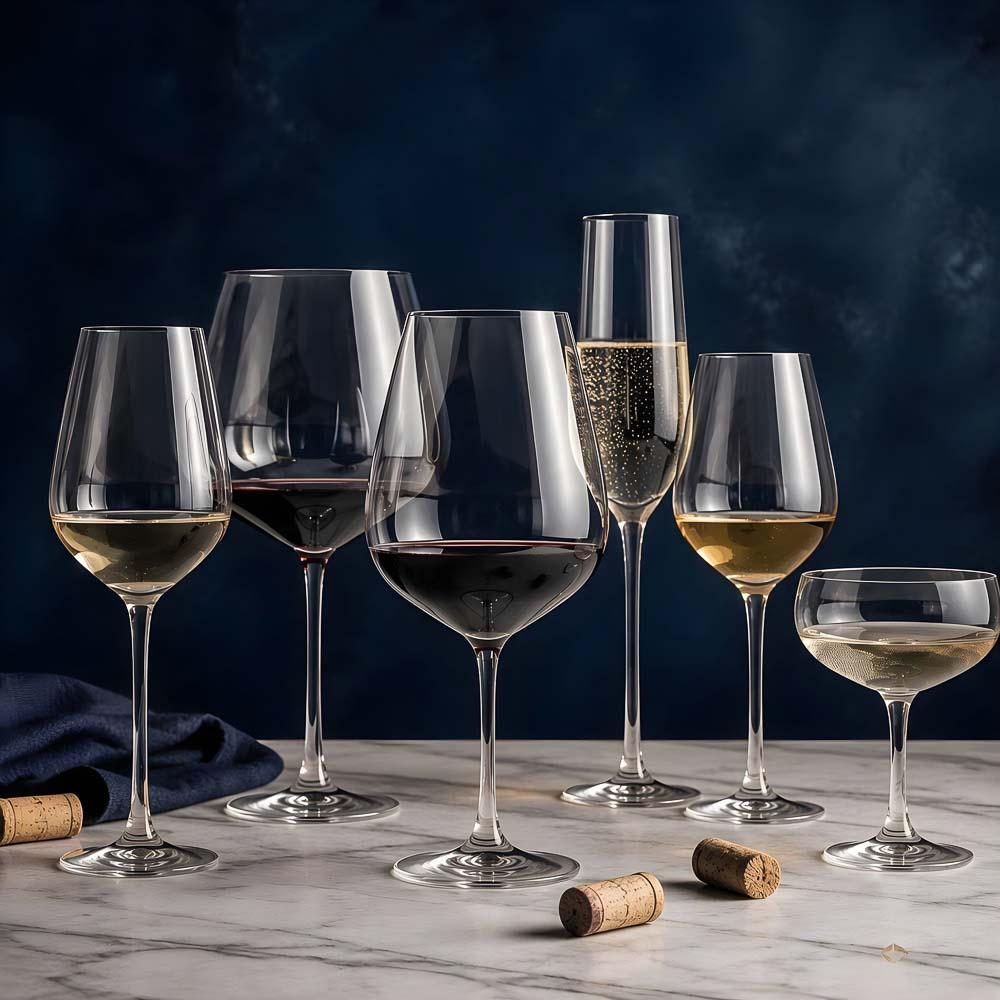
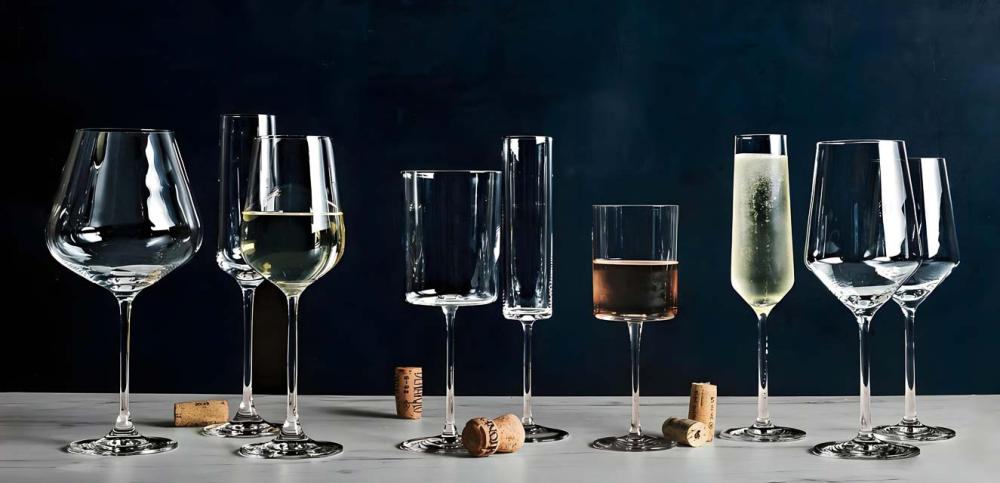
There are hundreds of different wine glass designs, but the best ones share one common feature: a narrower rim. This distinctive shape helps concentrate the wine's aromas inside the glass, allowing the drinker to perceive them more intensely. Red wine glasses are generally larger, allowing more air to come into contact with the wine's surface and promoting faster development of aromas and flavors.
White and rosé wine glasses are medium-sized, helping to concentrate fresh, fruity aromas and direct them toward the rim.
Sparkling wines are most commonly served in flute or tulip-shaped glasses. These shapes—especially the flute—allow the bubbles to travel elegantly through the wine before dissipating at the surface.
Once a bottle is opened, the wine comes into contact with oxygen and gradually begins to lose its freshness, developing stale characteristics.
Keeping unfinished wine in the refrigerator with its stopper replaced will slow this process, but only for a limited time. For longer preservation, the following systems are recommended:
Vacuum preservation systems – remove air from the bottle.
Gas preservation systems – inject an inert gas into the bottle, displacing oxygen without affecting the wine.
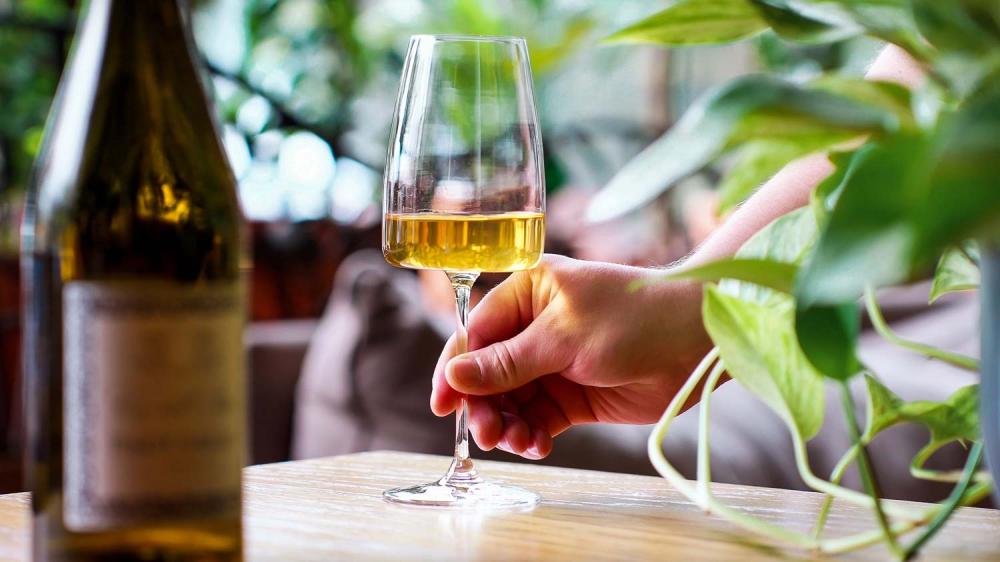
Occasionally, a wine may develop a fault, and there are various reasons why this happens. Some of the most common faults include:
• Cork taint ("corked" wine)
Cork taint is caused by a chemical compound known as TCA (trichloroanisole). Wines affected by TCA typically have the smell of damp cardboard or wet newspaper, which dominates the aroma and makes the wine seem less fresh and expressive.
• Oxidized wine (faulty closure)
If the cork allows oxygen to enter the bottle, oxidation occurs, causing the wine to develop brownish hues. Oxidized wines often exhibit aromas of honey, caramel, or coffee, while their freshness and fruit character diminish. Some wines, however, are intentionally made with a controlled level of oxidation to enhance these characteristics during bottle ageing.
• Heat-damaged wine
If wine is stored at excessively high temperatures or exposed to direct sunlight or strong artificial light, it will lose its original character. Such wines quickly lose their freshness, lack the expected fruitiness, and taste flat and stale.
Sweet wines: 6–8°C
Sparkling wines: 6–10°C
Light-bodied white and rosé wines: 7–10°C
Full-bodied white wines: 10–13°C
Light-bodied red wines: 13–18°C
Full-bodied red wines: 15–18°C