

From his first steps in the kitchens of the Montenegrin coast, through some of the world’s most modern cruise ships, to luxury hotel and resort complexes in the United States, Stefan Babović has built his career steadily, relying on hard work, discipline, and a constant desire for improvement.
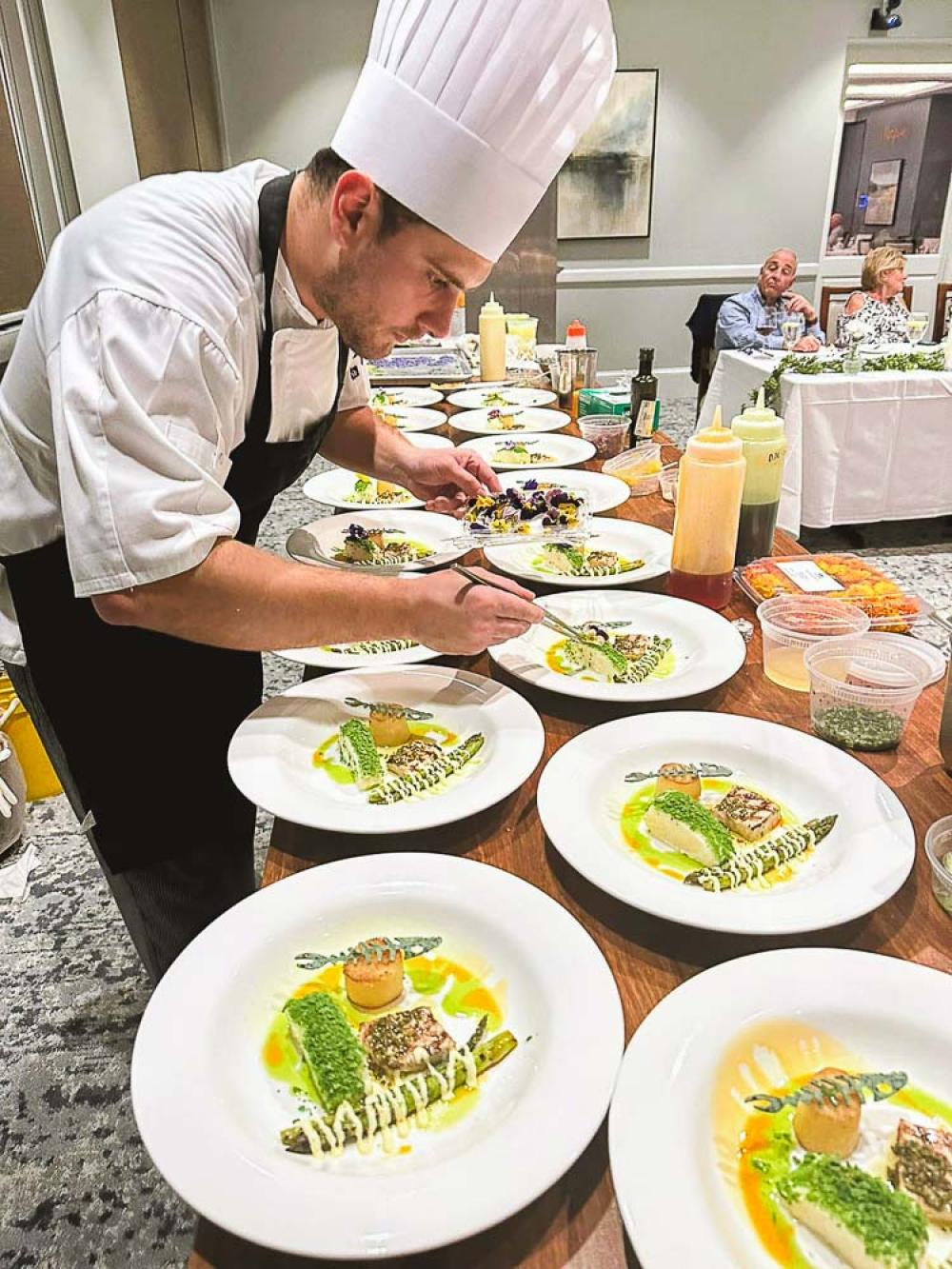
Stefan Babović has gained extensive experience working in various gastronomic systems, becoming familiar with the highest global standards in culinary arts, work organization, and hospitality.
His professional journey led him from seasonal jobs in Montenegro to working for renowned companies such as Princess Cruises, Four Seasons, and Jackson Hole Mountain Resort, where he had the opportunity to collaborate with top professionals and further develop his skills in demanding international environments. Today, he has experience working in some of the most organized kitchens in the world, but he never forgets that the foundations of his career were laid in Montenegro.
In an interview for Caffe Montenegro, Babović speaks about his professional growth, the challenges of working in the United States, the differences between local and international kitchens, his favorite dishes, spices, and the experiences that have shaped his career.
Stefan remembers his first seasons in Montenegrin restaurants as extremely demanding but also as the most important period for his professional development. As he points out, he started very young and quickly realized that a kitchen does not tolerate lateness, lack of discipline, or lack of concentration.
During the summer season, when large numbers of guests arrive within a short period, he learned how to remain calm, organize work efficiently, and function as part of a team. Those seasons also taught him, he says, that guests never see what happens behind the kitchen doors.
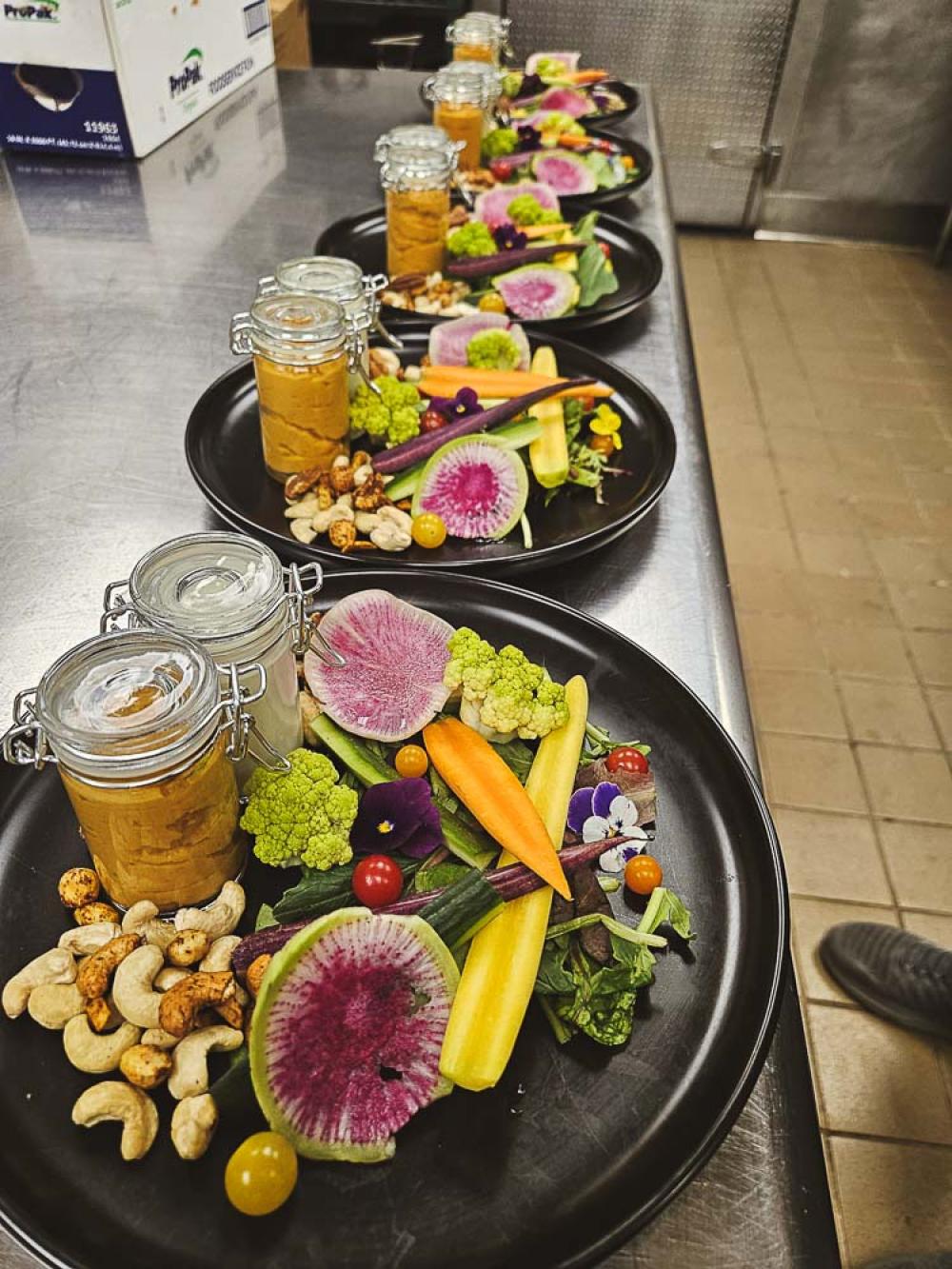
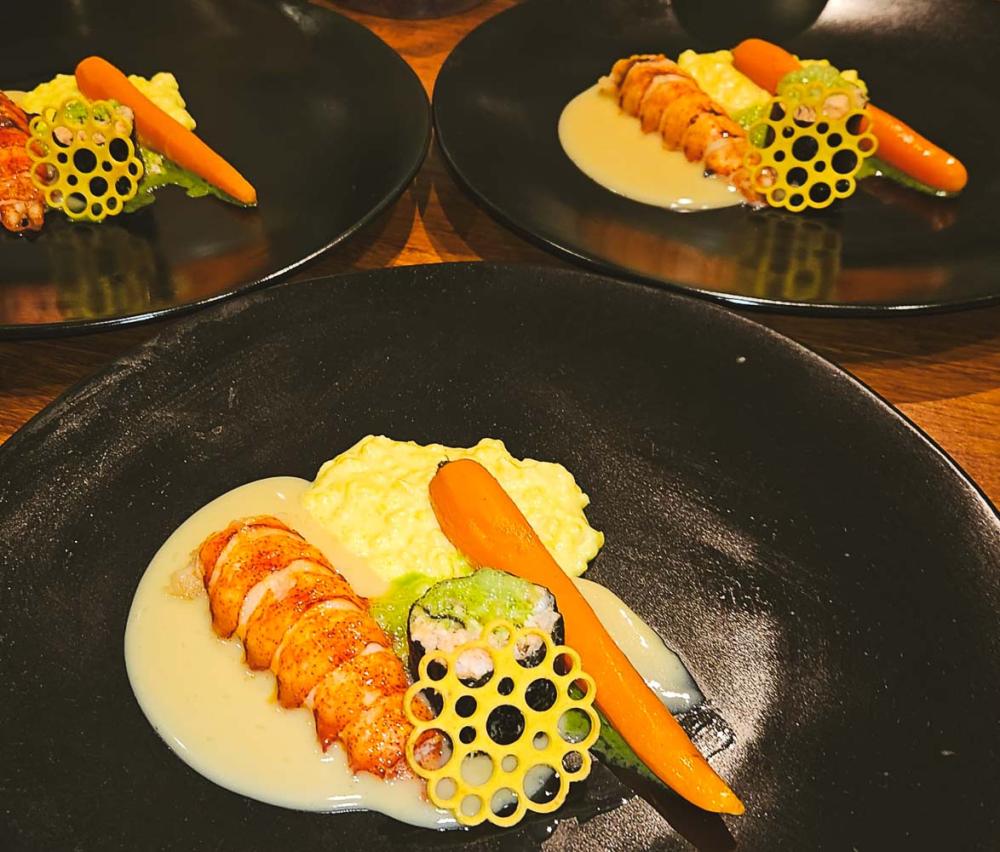
Regardless of the pressure, fatigue, or number of orders, every plate must be prepared carefully and according to the same standards.
“That was when I developed a sense of responsibility toward my work and respect for the guest, because guest satisfaction is the ultimate result of the collective effort of the entire team,” said Babović.
Speaking about leaving Montenegro and continuing his career abroad, he says that the hardest part was leaving the security of a familiar environment and entering a system where everything had to be proven again. In Montenegro, he already had experience, knew the way things worked, understood the culture, and knew the people. Abroad, however, he had to build his place and professional reputation from scratch.
In addition to being separated from family and friends, challenges included different standards, language barriers, work pace, and the need to adapt quickly to a new environment. Yet it was precisely stepping out of his comfort zone, he says, that helped him grow the most. He realized that experience has great value, but in the international market professionalism, consistency, discipline, and a willingness to learn must be demonstrated every single day.
Babović emphasizes that one of his greatest ambitions is to see as much of the world as possible through his work. Life, he says, is short, and he believes we should see, learn, and experience as much as we can. He has managed to combine two things he loves—cooking and travel. In the future, he would like to work in Japan, China, or South Korea, as he is particularly attracted by their culture, discipline, and rich culinary traditions.
Before moving to the United States, he completed several contracts with Princess Cruises, including work aboard Discovery Princess, which was then the newest ship in the fleet. According to him, this provided an excellent foundation for working in the American market.
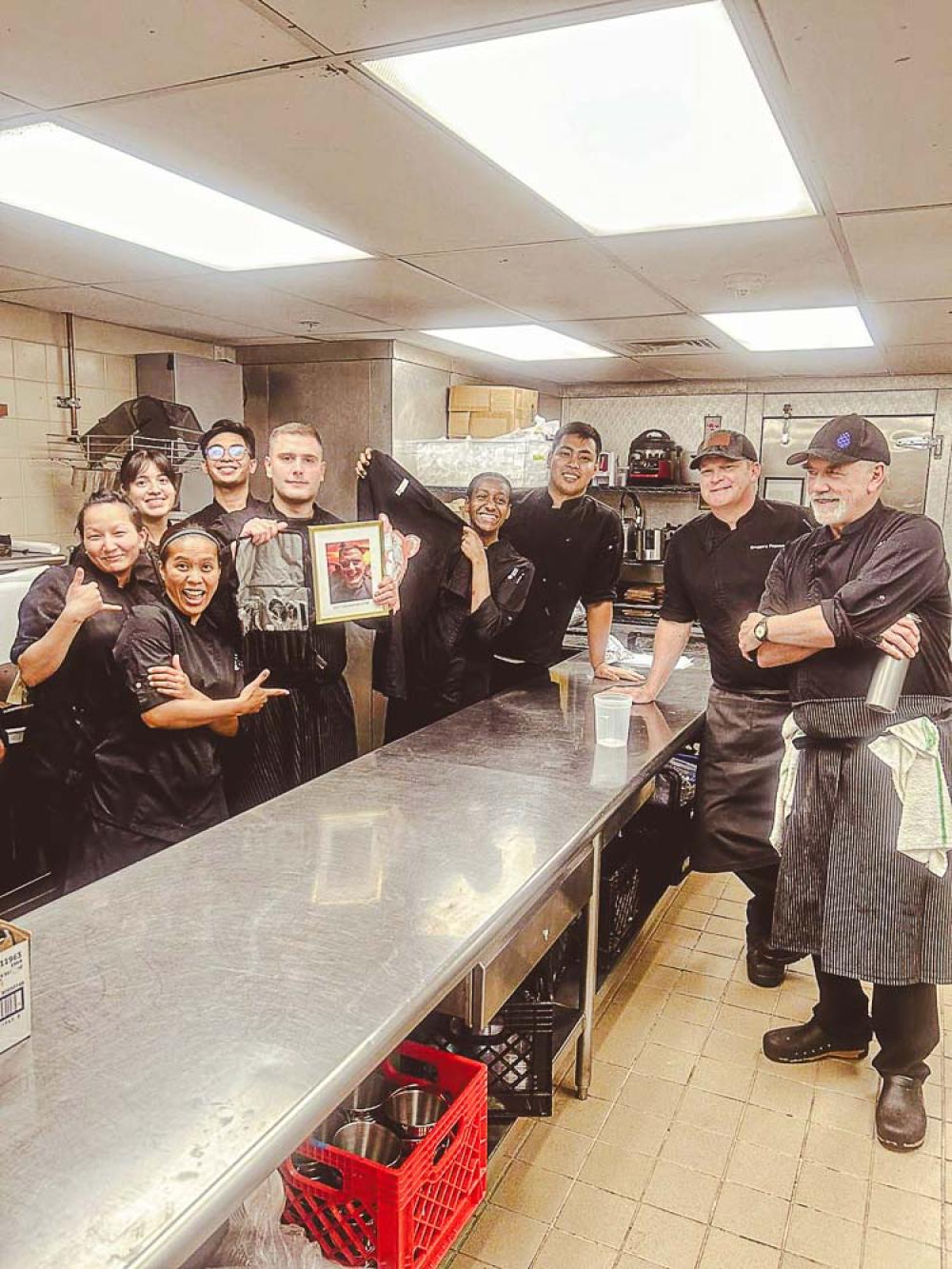

“On cruise ships, we worked according to extremely strict USPH standards, which were on a completely different level compared to most traditional land-based kitchens. Control of hygiene, food temperatures, storage procedures, product labeling, and prevention of cross-contamination were part of everyday life. Discipline was almost military—everyone had to know their exact position, responsibilities, and procedures. In America, I also had to adapt to practical differences. Temperatures are measured in Fahrenheit, weight in ounces and pounds, and quantities in gallons, quarts, and other American units. At first, extra attention was needed when converting recipes, cooking temperatures, and portion sizes,” Stefan explains.
However, the high level of organization and clearly defined procedures made adaptation easier. Thanks to his previous experience with Princess Cruises, he had already developed strong discipline, a solid work ethic, and an understanding of American standards, which allowed him to fit into professional land-based kitchens much more quickly.
When discussing the differences between working in Montenegrin restaurants and in luxury American hotel and resort kitchens, Babović believes that the greatest difference lies in the size of the systems and the level of standardization. In luxury American hotels and resorts, every detail is defined in advance—from receiving and storing ingredients to food preparation, service, guest communication, and problem-solving.
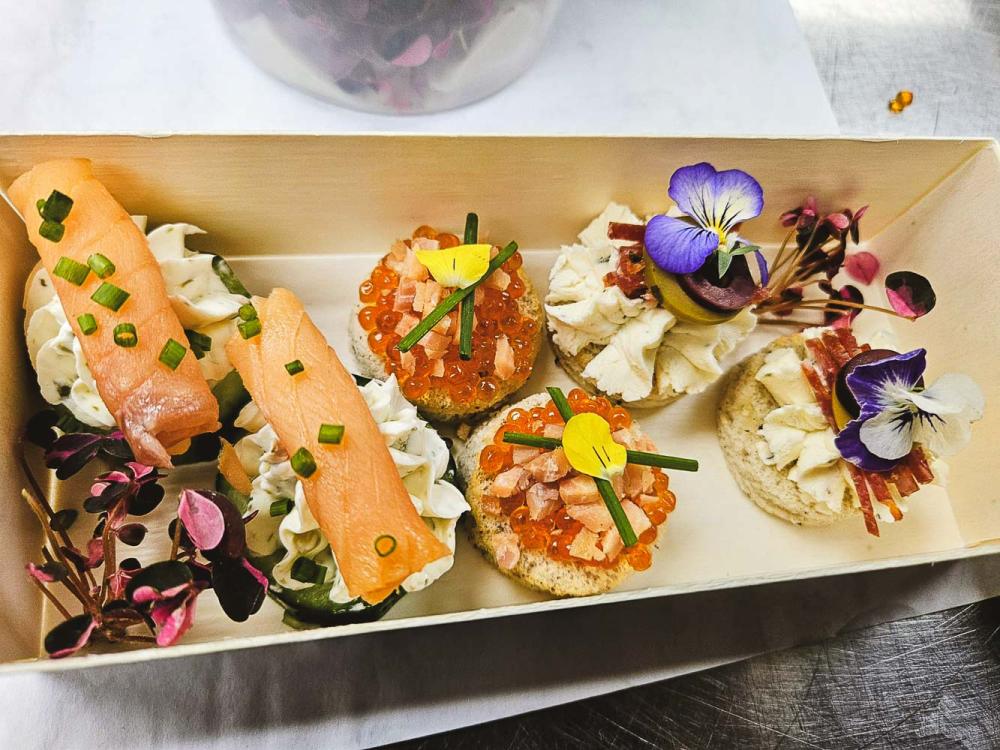
“In Montenegro, we often rely more on experience, improvisation, and the ability to adapt on the spot. That can be a great advantage because it develops creativity, independence, and quick decision-making. In large American systems, the goal is for guests to receive the same level of quality every day, regardless of who is working a particular shift or position. There is also much stronger collaboration between departments. The kitchen is not isolated—it works daily with service staff, banquets, management, purchasing, and other sectors. Everything has to function as one well-organized system,” says Stefan.
He has been part of prestigious brands such as Four Seasons and Jackson Hole Mountain Resort. Of all the systems in which he has built his career, he especially highlights Four Seasons, which remains his favorite company to work for.
“In such systems, reliability, consistency, and teamwork are valued most. Talent may help someone stand out, and speed may help complete a successful service, but without discipline and communication it is impossible to maintain high standards over the long term. The most valued people are those the team can rely on—those who come prepared, respect standards, take responsibility, and help colleagues when needed. It is not enough to create one excellent plate. You must repeat that quality dozens or hundreds of times, even under significant pressure,” Stefan emphasizes.



He adds that a constant desire for improvement is also highly valued. Regardless of previous experience, there is always a new technique, a better organizational method, or a different approach that can be learned.
Although he has worked in various international kitchens, Babović says that the flavors of Montenegro remain especially important to him. His favorite Montenegrin dish is lamb cooked under the sač, and he also loves kačamak. While working abroad, he particularly missed homemade food because the difference between local and imported ingredients is often very noticeable.
Now, while spending time in Montenegro, he makes an effort to choose products from local producers—not only because of their freshness but also because he wants to support people who preserve domestic production.
When it comes to spices, Babović says it is difficult to choose just one, as there are many he enjoys. He especially highlights thyme and cumin, and he likes experimenting by creating his own spice blends, sometimes with smoky notes.
His girlfriend is from Grenada, the Caribbean nation known as the “Island of Spice,” and through her he has developed an appreciation for Caribbean cuisine, fresh ingredients, and a healthier approach to food.
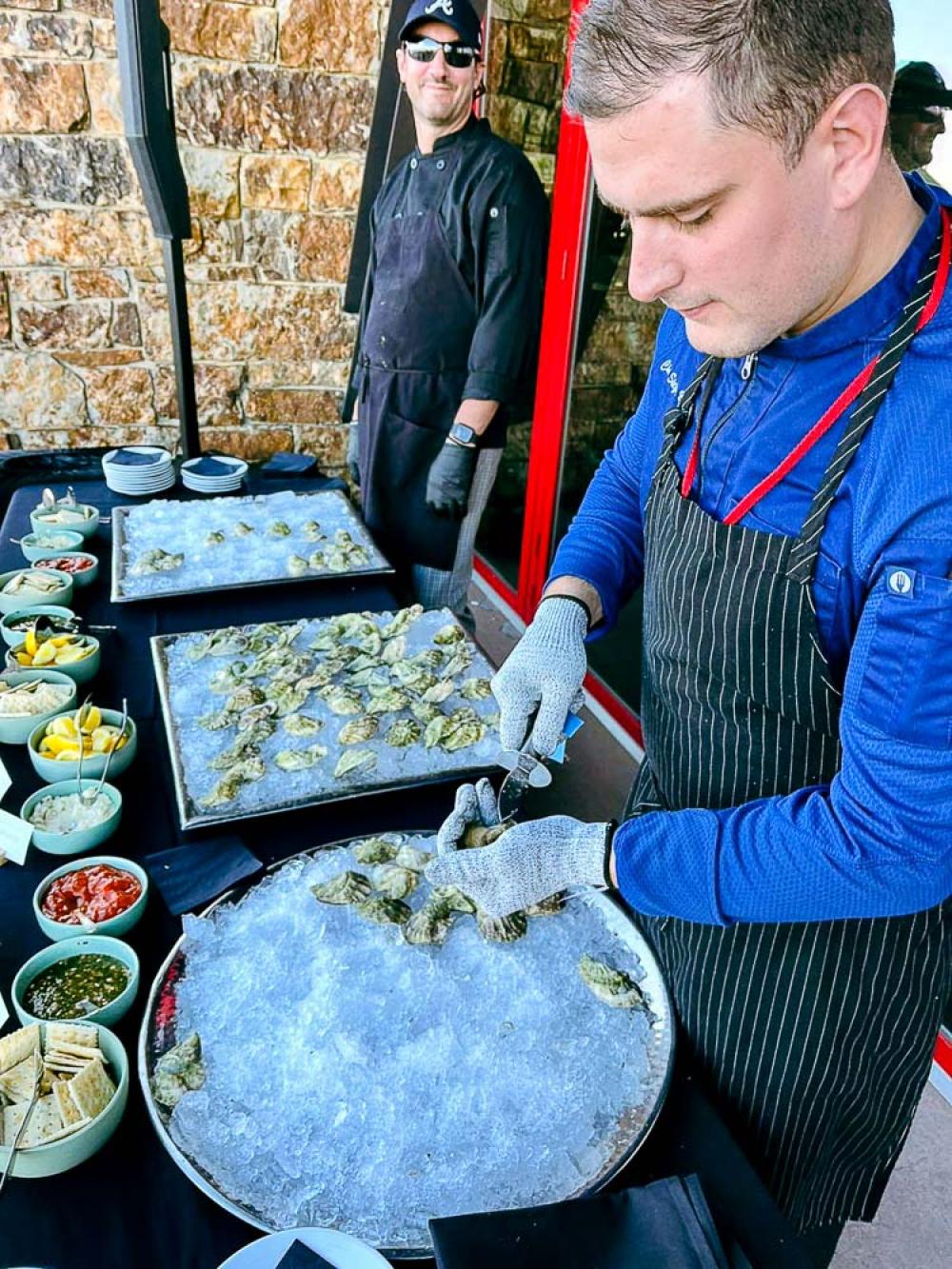
“Although I am a great foodie and truly love meat, my first love remains fish and seafood,” Stefan emphasizes. Whenever he wants to impress guests and create a memorable gastronomic experience, he almost always chooses something from the sea. He often finds himself deciding between traditional cuttlefish and octopus brodetto, black risotto, or fresh pasta with sea urchins. If he had to choose only one dish, however, it would be pasta with sea urchins because of its deep and pure umami flavor.
Throughout his career, he says, there have been many difficult days in the kitchen, making it hard to single out just one.
“The toughest moments are usually when something goes wrong right before a major rush—key equipment breaks down, a colleague is unexpectedly absent, or ingredient deliveries are delayed. In those situations, the most important thing is to stay calm, remain fully focused, and complete the job professionally despite the pressure,” Stefan recalls.
Stefan Babović’s professional journey demonstrates that success in gastronomy never happens by accident. From his first seasons in Montenegrin restaurants, through work on cruise ships and in prestigious American hotel systems, to his desire to continue exploring the world through cooking, his path confirms that discipline, work ethic, adaptability, and passion for the profession are the key ingredients of every great professional success.
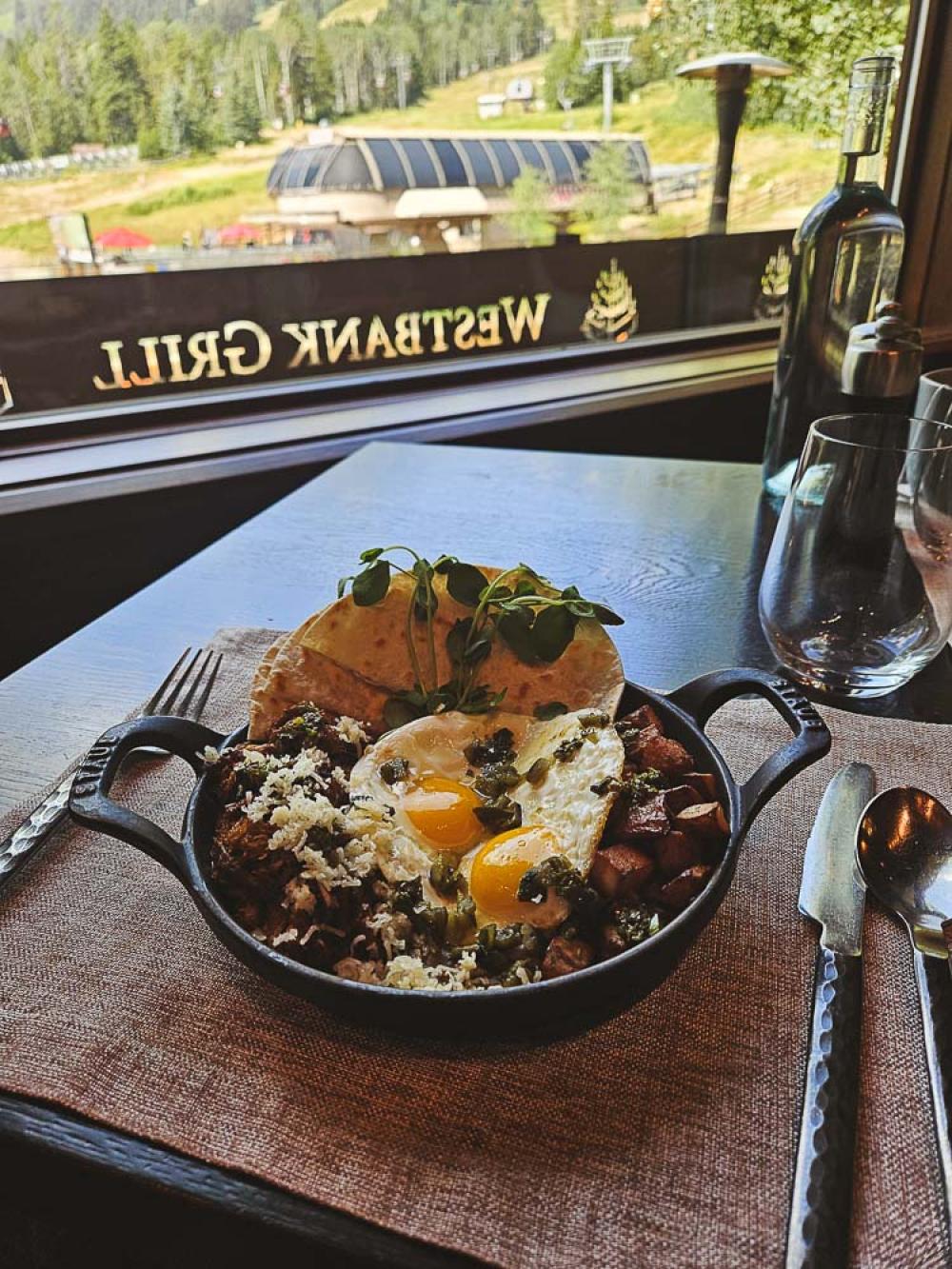
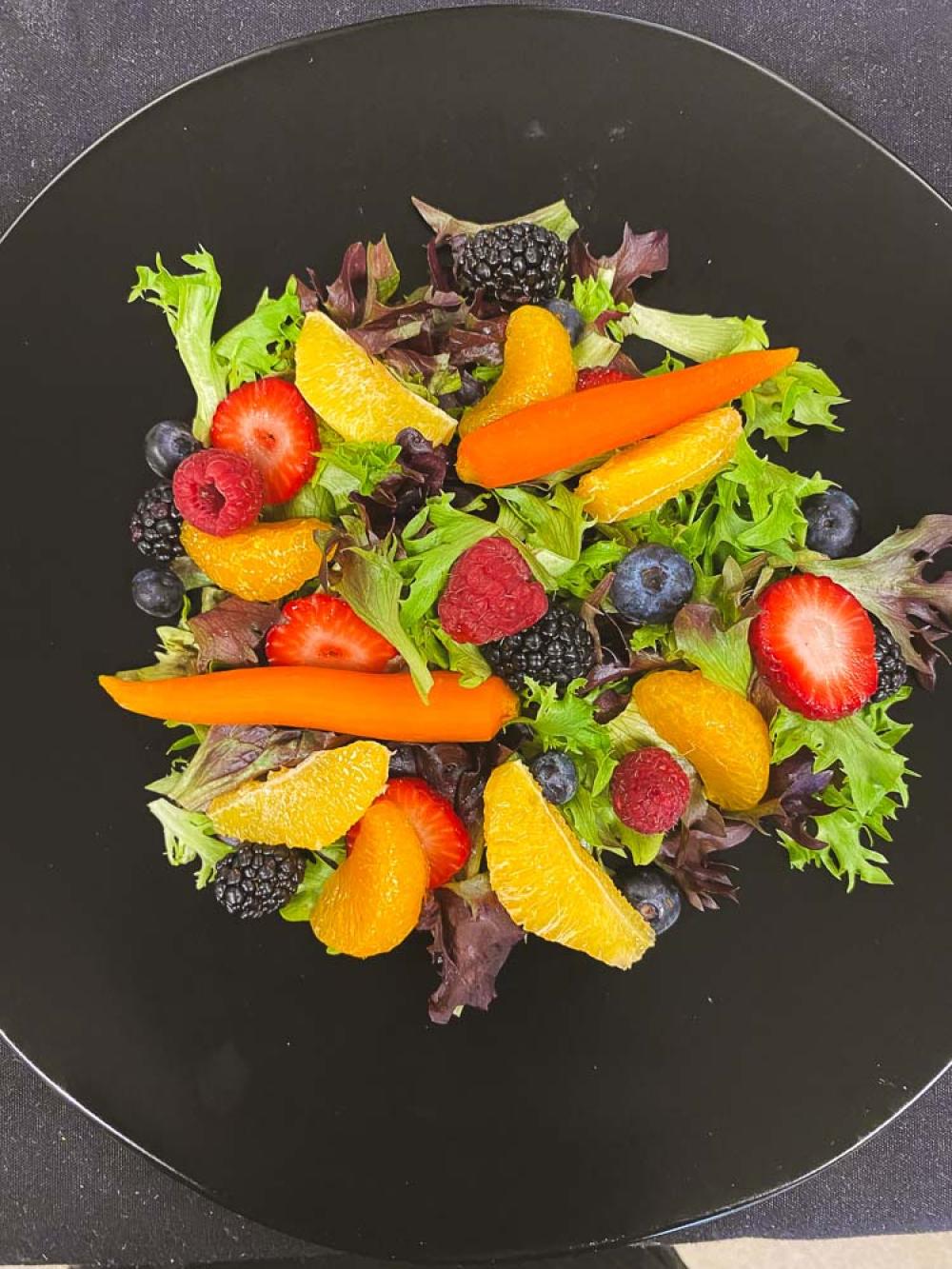
From Trump to Hollywood Stars: Unusual Situations He Remembers from American Kitchens
During his career in the United States, Stefan worked at venues hosting high-profile events. He particularly remembers a private gathering attended by Donald Trump. Although the event did not involve food preparation, Trump’s presence required extremely strict security protocols and extraordinary working conditions for the entire team.
Another major logistical challenge was preparing food for a large convention, where organization and teamwork were crucial. From that period, he also recalls a humorous anecdote: actor Ian Somerhalder walked right past him, but he failed to recognize him because he was completely focused on his work. Only later did he realize it was Damon from The Vampire Diaries, a character he knew very well.