While restaurant menus around the world compete to offer ever greater variety, some of the most interesting places are doing exactly the opposite – serving just one dish. And it seems that, rather than driving guests away, this keeps them coming back.
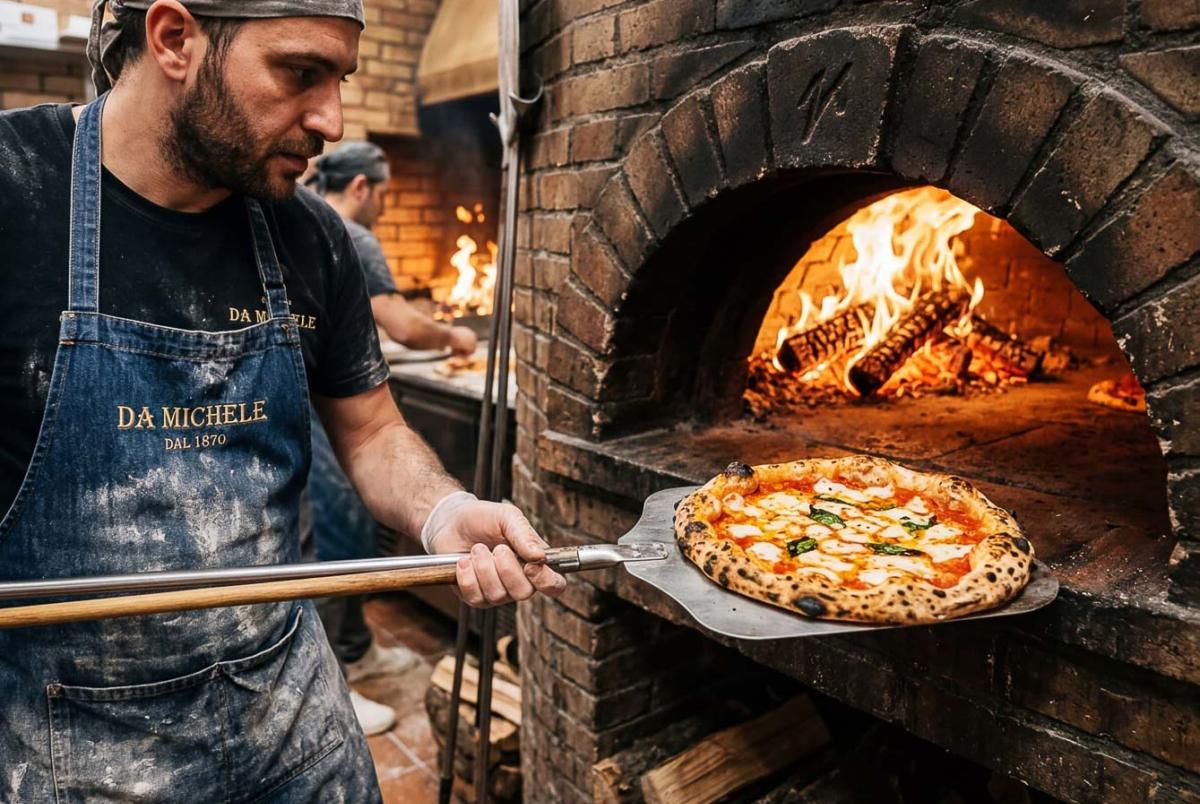
How many times have you opened a menu, gone through several pages, returned to the beginning, asked everyone at the table what they were ordering, and ultimately chosen the very thing you probably came for in the first place? At a time when we are surrounded by choices every day, from our morning coffee to the evening content on our phones, perhaps it is not surprising that one part of contemporary gastronomy is moving in exactly the opposite direction.
No ten appetisers, twenty main courses or a separate page for “something light”. Just one dish. One decision for the restaurant and very few decisions for the guest.

At first glance, a restaurant serving a single dish may sound limiting. In reality, it is often a remarkably confident concept: this is what we do best, and this is why you came.
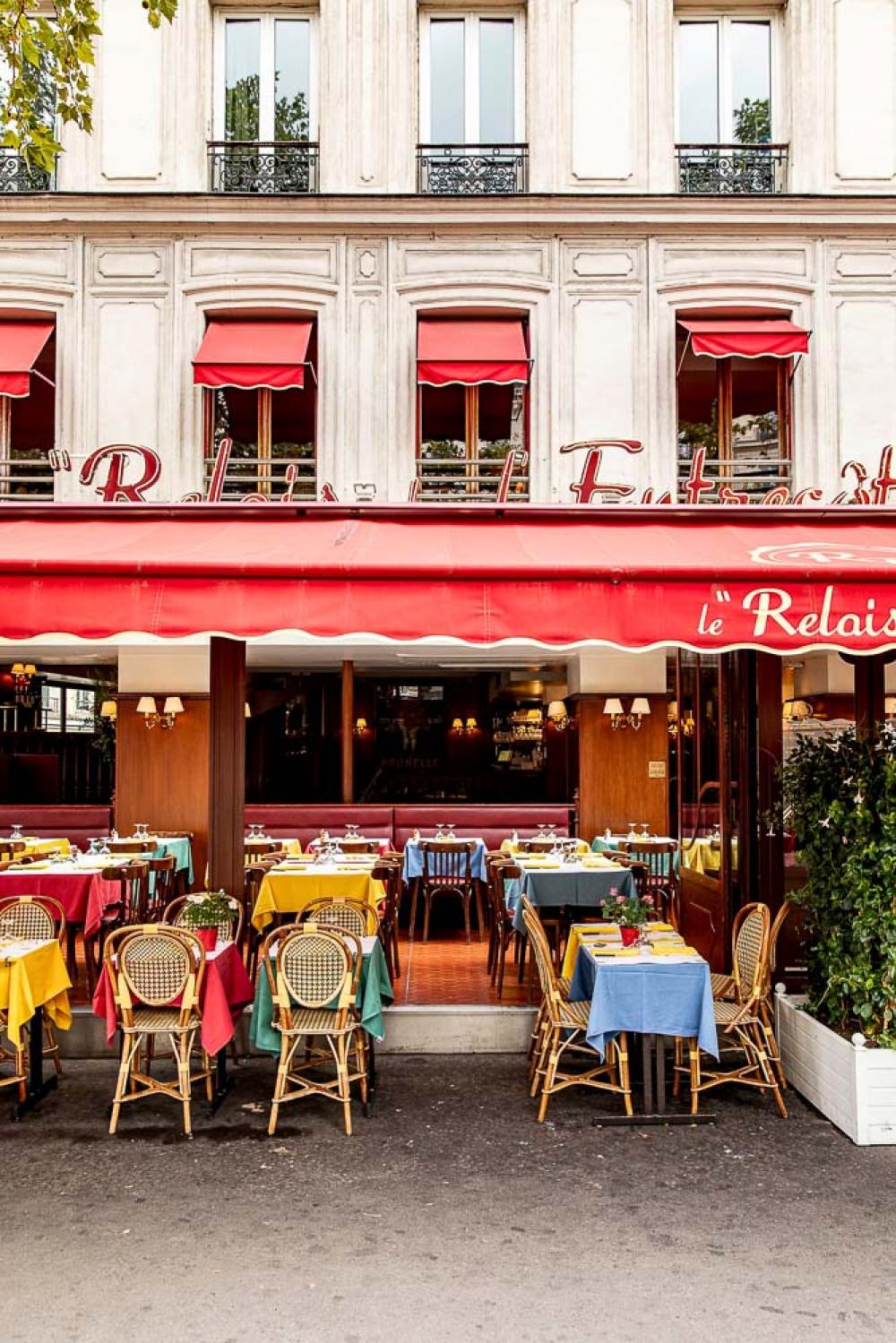
One of the best-known examples has existed in Paris since 1959. Le Relais de Venise – L’Entrecôte built its reputation on a simple formula: a green salad with walnuts, followed by steak frites with its signature secret sauce. Guests can choose how they want their steak cooked, but there is no dilemma when it comes to the main course. Decades later, the same principle lives on at locations beyond Paris, showing that a simple idea can have remarkable longevity when it is backed by quality and consistency.
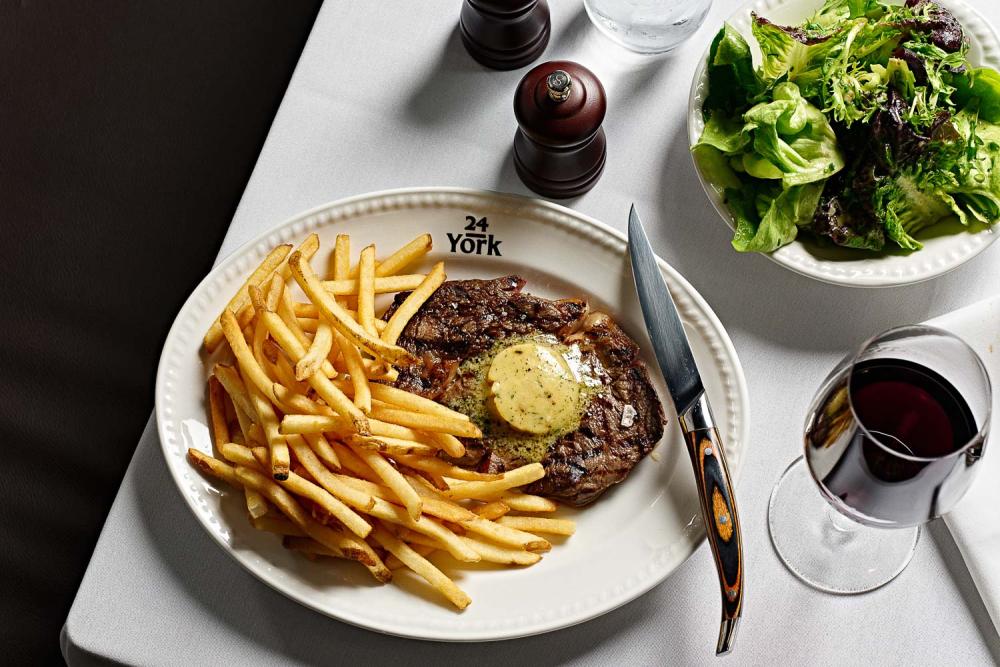
In Australia, the concept has taken on a more contemporary, urban form. Sydney’s 24 York opened with a single star on the menu – steak frites – while a similar model soon arrived in Melbourne with 7 Alfred. In these restaurants, a minimal menu does not mean a minimal experience. Quite the opposite: the interior, service, sauces, wine, atmosphere and presentation all have more room to shine precisely because the dish itself is already known.

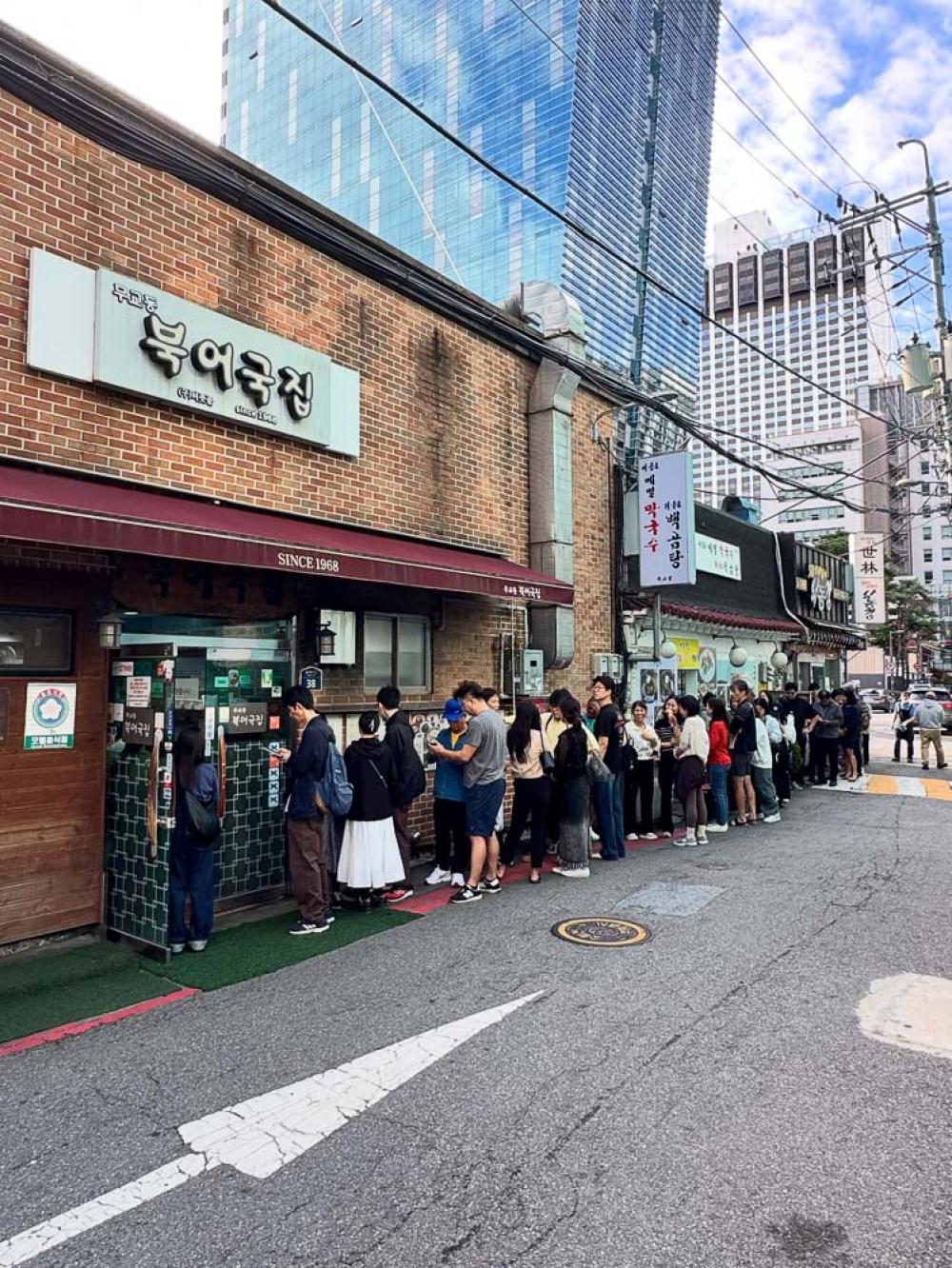
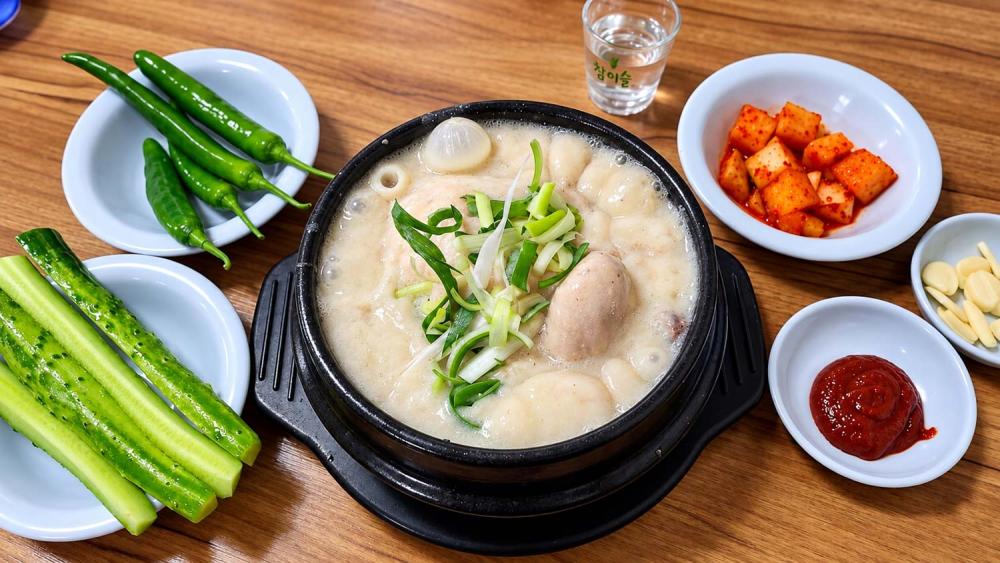
Things become even more interesting when we turn our attention to Seoul. There are restaurants there where serving one dish is not a marketing concept, but the continuation of a long-standing tradition. Wonjo Hosu Samgyetang has built its story around samgyetang, the Korean chicken and ginseng soup, since 1990, while Mugyo-dong Bugeo-guk has been known for its dried pollack soup since 1968.
In places like these, the question “What do you recommend?” barely needs to be asked. The recommendation is already there in the restaurant’s name, in the aroma that greets you at the door and in the queue of guests who know exactly what they are waiting for.
For restaurateurs, this kind of concept has a very practical logic. Simpler procurement, less inventory, easier kitchen organisation, more precise staff training and a greater ability to prepare every plate in exactly the same way. When a kitchen repeats one dish day after day, the potential for perfecting it is enormous.
Of course, a simple menu is not the same thing as a simple job. When there is only one main course, there are no other dishes behind which mediocrity can hide. If the meat is overcooked, the soup lacks depth or the potatoes are not crisp enough, the guest notices immediately. Focus magnifies both quality and mistakes.
That is precisely why a one-dish restaurant works only when that single item is supported by a very clear idea: a good product, a reliable supplier, precise preparation and a reason compelling enough to make guests crave that particular plate.
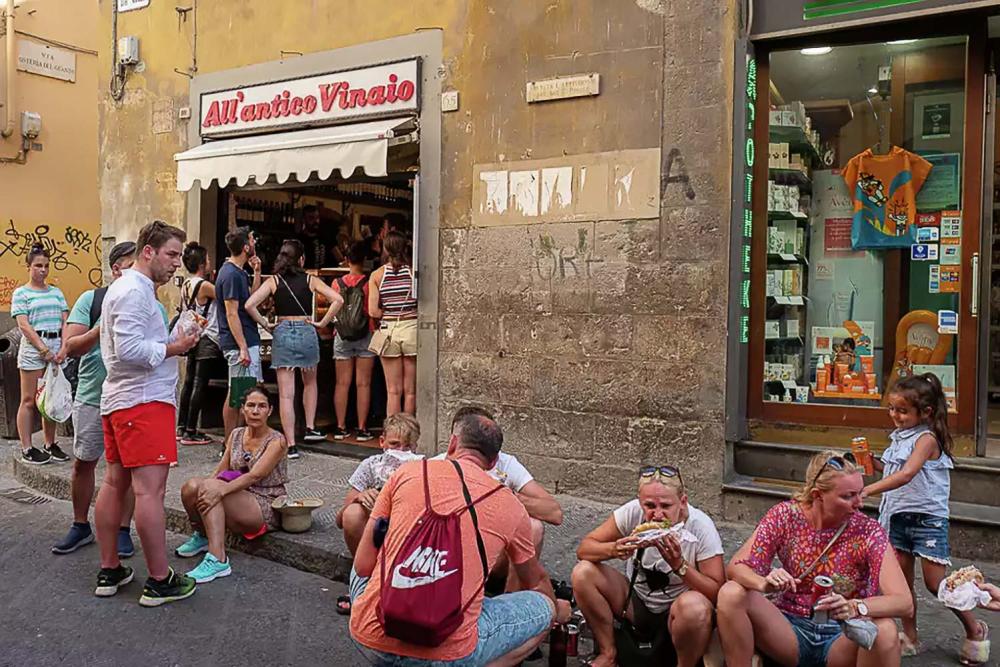
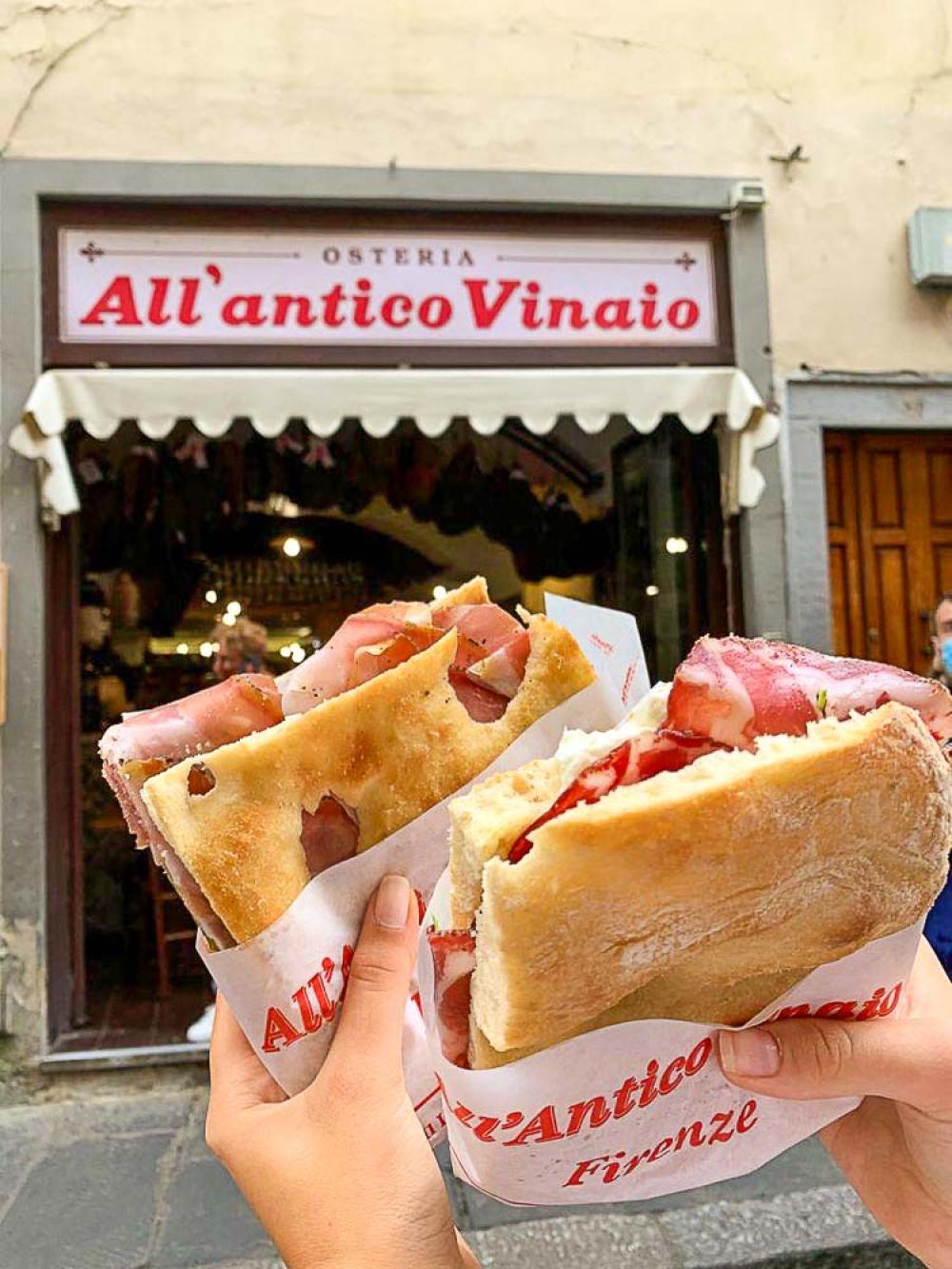
Montenegrin gastronomy already understands the power of a signature dish very well. We remember many places for one particular thing: grilled fish, kačamak, lamb, priganice, beans, burek or a dessert worth making a detour for. The only difference is that the favourite is usually one among dozens of other items on the menu.
That is why it is not difficult to imagine a small restaurant building its entire identity around a single traditional dish or ingredient. Not as a tourist gimmick, but as a seriously considered concept. The dish could change seasonally, follow the produce of a local supplier or be served in several variations on the same flavour, while wine, ambience and service would shape the rest of the experience.

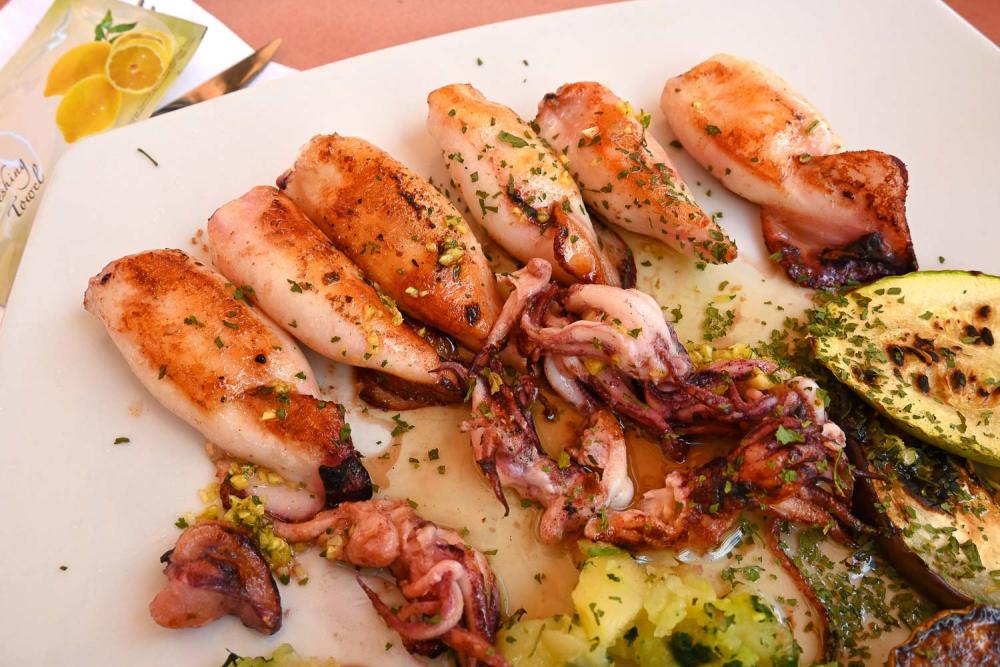
Such a restaurant probably would not be for everyone. But perhaps that is precisely the point.
For a long time, modern hospitality tried to offer guests as much as possible. Today, it is becoming increasingly clear that the character of a place does not come from the number of items on its menu, but from the clarity of its idea. Sometimes, it is enough for a restaurant to do one thing so well that people talk about it, come for it and return because of it.
Because a good menu does not always have to ask, “What would you like?” Sometimes it is enough for it to say confidently: “You have to try this.”