


A suitcase is not just a collection of carefully folded items, but a space where our habits, desires and fears of the unknown meet. The way we pack reveals whether we travel to escape, explore or rediscover ourselves—because every journey, before it begins on a map, starts inside our suitcase.
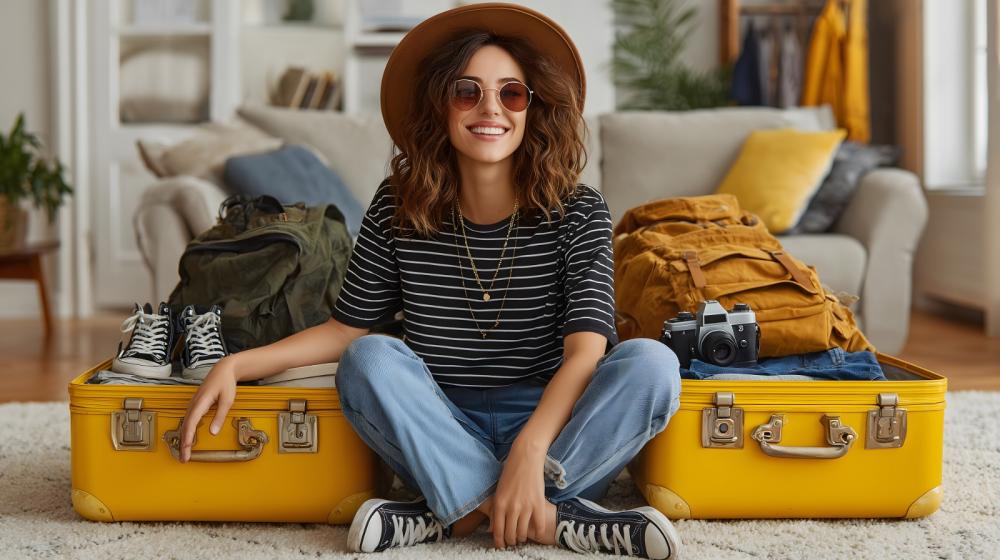
Some people approach packing like a carefully planned project. Their suitcases are perfectly organized: outfits arranged in combinations, cosmetics separated into small transparent pouches, and a checklist neatly crossed off as each task is completed. Such a suitcase reflects a person who values control and predictability. For them, travel is a space of comfort, not uncertainty. These travelers rarely forget essentials and almost never improvise—their journeys are structured and thoughtfully designed in advance.
On the other hand, there are those who pack at the last minute, guided more by instinct than by planning. Their suitcase is a mix of essentials and unexpected choices: a book they may never get around to reading, an extra pair of shoes “just in case,” or clothes that serve no clear purpose other than feeling right in the moment. This way of packing reflects spontaneity and openness to experience. These travelers do not want their journey to be predefined—they shape it along the way, through encounters, changes of plans and unexpected situations.
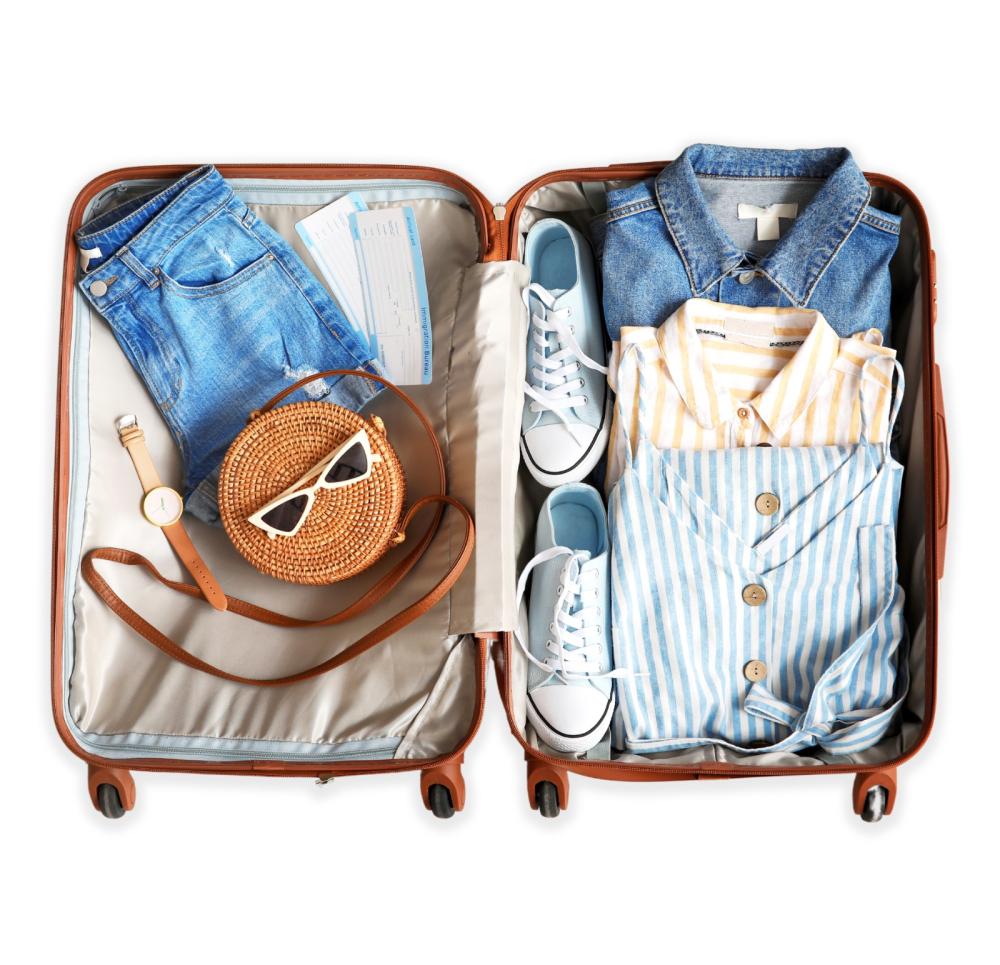
Minimalists approach packing as the art of letting go. Their suitcase is light, almost ascetic, with carefully selected pieces that serve multiple purposes. One jacket that goes with everything, a few essential outfits, and practical details that save space. This style reflects a person who sees travel as liberation—from excess, both material and mental. Minimalists often say that the less they carry, the more they experience. Their focus is not on things, but on places and moments.
In contrast are travelers who carry a small world of comfort with them. Multiple pairs of shoes, elegant clothing, extra cosmetics, and even small items that remind them of home. Their suitcase is full, but thoughtfully curated. They are not willing to give up comfort or aesthetics, even while traveling. For them, luxury is not necessarily about price, but about feeling—feeling prepared for any occasion, whether it’s a dinner out or a spontaneous night out.
It is interesting how our habits often leave traces inside our suitcase. The books we choose reveal our interests, while our selection of cosmetics can show how much attention we devote to ourselves. Electronic devices, cables and accessories point to how connected we remain to our daily lives—even when far from home. Even the way we pack—neatly or chaotically—can reflect our inner world.
A suitcase can also tell a story of experience. Seasoned travelers tend to pack more rationally, shaped by past mistakes. Their suitcases are the result of time and learning—they know what they truly need and what is just unnecessary weight. In contrast, those who travel less frequently often pack more than necessary, driven by the fear of lacking something. In that sense, a suitcase becomes a map of our evolution as travelers.
Perhaps the most intriguing aspect of packing is its emotional dimension. Sometimes we pack items that have no practical value, but carry personal meaning—a piece of jewelry, a photograph, a favorite scarf. These small objects are reminders of home, but also a way of carrying a part of ourselves along. They reveal that travel is not just physical movement, but an emotional experience.

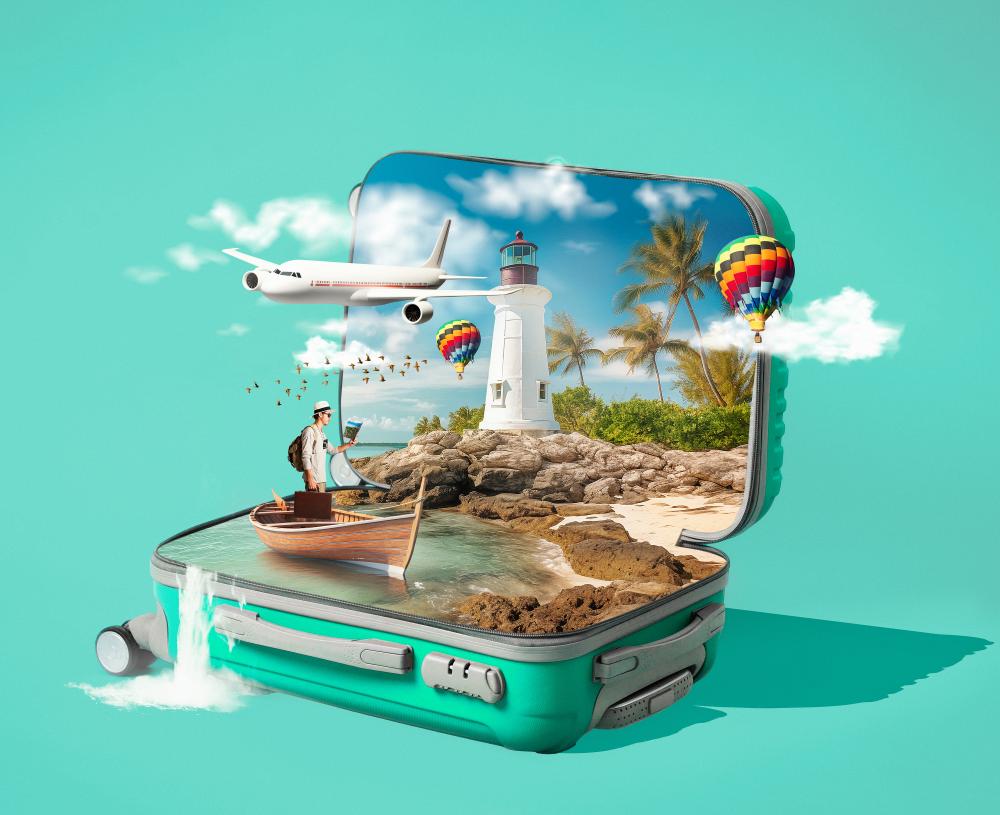
In contemporary tourism, where personalization of experience is increasingly emphasized, the suitcase can become a compelling narrative tool. Instead of viewing travelers through statistics and destinations, we can understand them through what they choose to carry. In that sense, packing becomes a story—a story of expectations, desires and the way people experience the world.
In the end, perhaps the most important question is not what we pack, but why we pack it. Every choice, every item has its own logic and meaning. A suitcase does not define us completely, but it offers insight into our lifestyle, our habits and our relationship with travel. Within it, practicality and emotion intertwine, as do planning and spontaneity, necessity and desire.
So next time you open your suitcase, pause for a moment. Look at what you have packed and try to read that story. You might discover something new about yourself—not only as a traveler, but as a person. Because, in the end, the way we travel often begins right there—inside the suitcase.