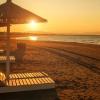


As Europe adapts to new tourism flows shaped by wars, inflation and rising travel costs, Montenegro—according to Prof. Dr Rade Ratković—is entering the season unprepared. Instead of turning the crisis into an opportunity, the country continues to struggle with poor accessibility, weak presence on the organized market, the absence of a serious marketing strategy, and rising prices that are not matched by service quality.
Prof. Dr Rade Ratković told our magazine that rising fuel prices and the global crisis will undoubtedly impact tourism flows in 2026, as tourism is a sector that does not respond well to crises, pandemics or instability. As he points out, tourism adapts relatively easily to regular economic changes, but struggles to adjust to crises such as the current ones—following the pandemic, the war in Ukraine and instability in the Middle East.
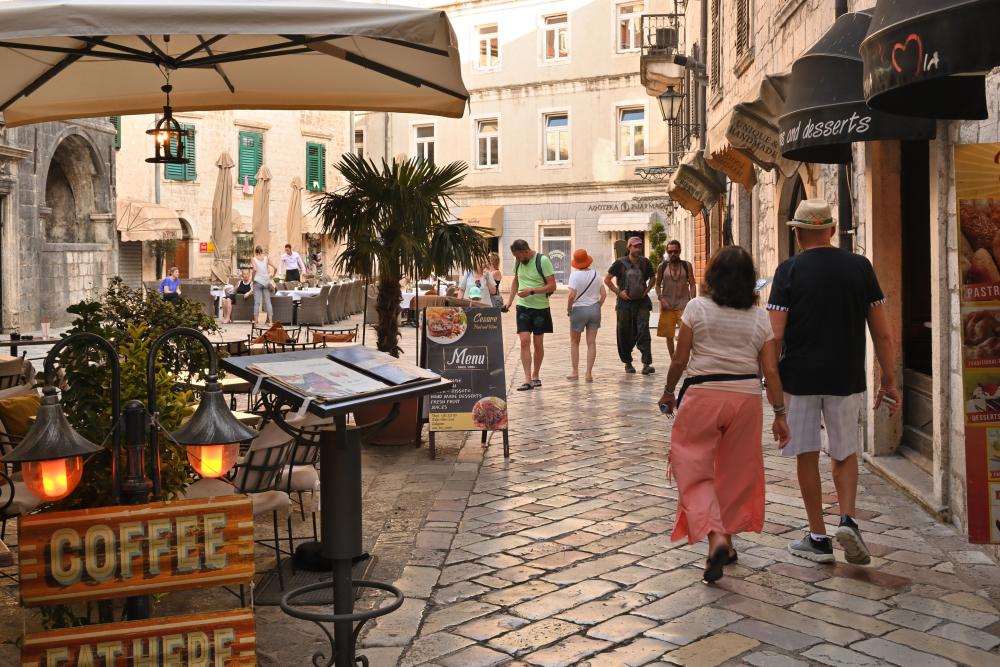
Montenegro is now facing a new reality and must assess how ready it is to turn the potential redistribution of tourism flows to its advantage. However, Ratković believes the country is far less prepared for this than competing destinations.
He emphasizes that priority will be given to destinations that are accessible, safe and well-organized internally.
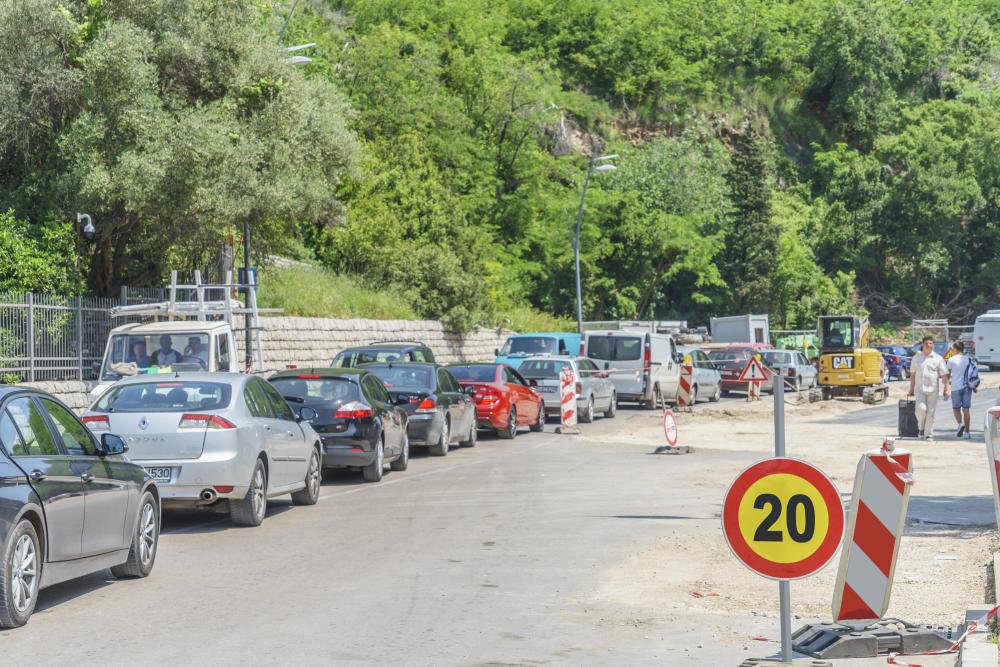
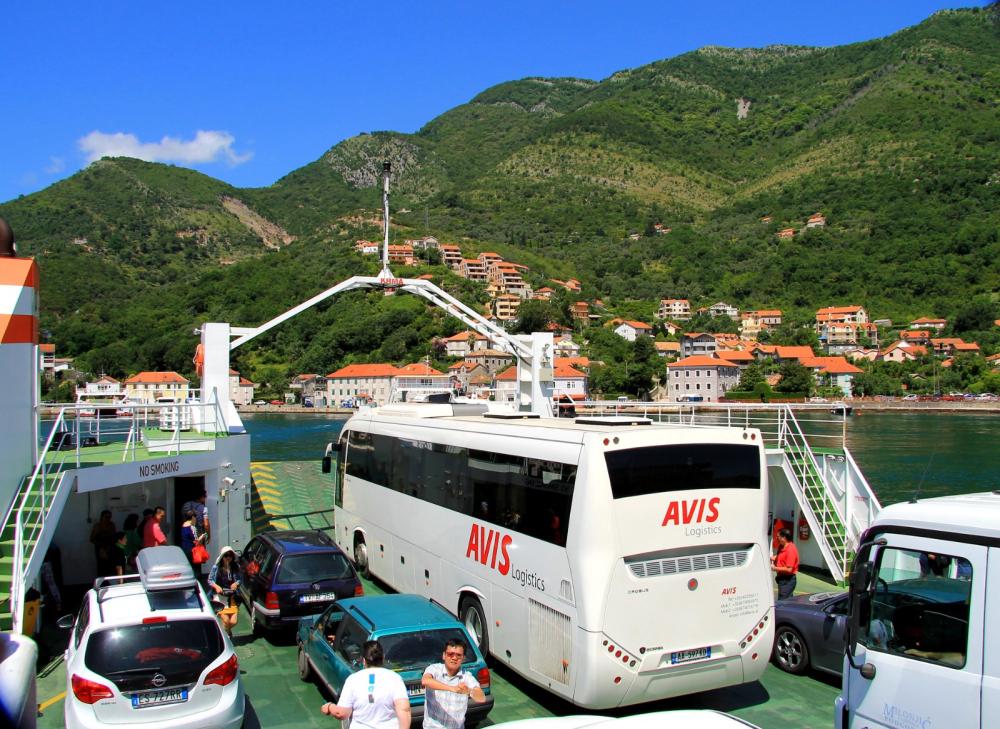
According to him, Montenegro is not sufficiently accessible even in normal circumstances, due to traffic congestion and slow movement within the destination—often dropping below 10 km/h during peak season. As he warns, this is not something that can be quickly fixed to improve competitiveness.

He also highlights Montenegro’s weak penetration into the organized tourism market. By his estimate, only about a quarter—or even less—of total capacity is tied to organized tourism, while the rest depends on direct bookings. Those operating within the organized market enjoy seasons lasting five to six months or longer, while others effectively have a season of just forty days.
Destination management in Montenegro, he adds, has completely failed. Companies are left to operate independently, there is no legal framework for integration, and hotel networking—a global trend—is practically impossible under the current legislation.
– As a result, inadequate models such as NGOs are being used, even though the economy cannot function on that basis – Ratković points out.
He also recalls the recommendations from the first tourism conference held in December at the Splendid Hotel, noting that there is no visible progress in implementing them.
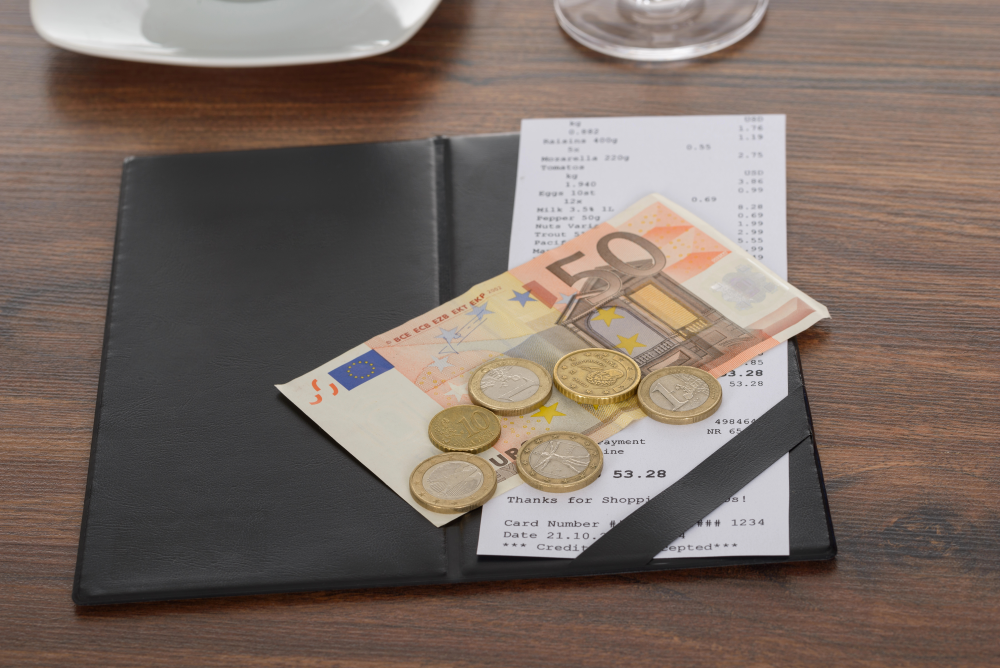
Destinations that are well-organized, not overcrowded, competitively priced and offering better value for money will have the advantage, he stresses. Montenegro has long struggled with a mismatch between price and quality, and current external pressures are pushing prices even higher without improving standards.
He also highlights a decline in overnight stays, emphasizing that one of the key issues lies in Montenegro’s reliance on low-budget, short-season markets.
– Montenegro does not have access to high-spending, long-season markets like other Mediterranean countries, but instead relies on less affluent European markets – says Ratković.
Destinations that are well-organized, not overcrowded, competitively priced and offering better value for money will have the advantage, he stresses. Montenegro has long struggled with a mismatch between price and quality, and current external pressures are pushing prices even higher without improving standards.
He also highlights a decline in overnight stays, emphasizing that one of the key issues lies in Montenegro’s reliance on low-budget, short-season markets.
– Montenegro does not have access to high-spending, long-season markets like other Mediterranean countries, but instead relies on less affluent European markets – says Ratković.
He reminds that Montenegrin tourism once had strong ties with Western European markets, particularly Germany and the United Kingdom, but that this focus has been abandoned.
Today, he notes, no serious effort is being made to regain those markets—despite the fact that they could generate longer seasons and better financial results. The state, he emphasizes, must lead this process, as individual entrepreneurs cannot do it alone.
Montenegro has lacked a serious marketing plan for the past five to six years, despite once having a strong strategy developed by Spanish experts. That strategy, however, was never implemented due to political changes.
Ratković argues that attending tourism fairs cannot be considered marketing without proper preparation, partnerships and a structured offer. He cites destinations such as Rimini, which only solved low occupancy issues after establishing a unified sales approach and bringing tour operators back.
One of the key problems, he adds, is that Montenegro has not defined the carrying capacity of its tourist destinations—something he considers fundamental for any serious planning.
He warns that all academic research on the topic indicates that coastal municipalities are already operating beyond sustainable limits.
– It is unacceptable that in the 21st century, a draft tourism law does not even mention carrying capacity, while in Croatia this is a legal obligation – Ratković states.
Without a long-term sustainability plan, it is impossible to protect the space, he stresses.
When it comes to accessibility, the issue is not only airports, but also access to them and mobility within the destination. He recalls that in the past, many visitors to Ulcinj arrived via Ćilipi Airport, thanks to better regional connectivity and reasonable transfer times—something that has significantly deteriorated today.
– Montenegro cannot rely on the Croatian model, where 80% of tourists can arrive by highway from key European markets. That is why Montenegro must position itself much more seriously as an air destination – Ratković emphasizes.
Speaking about the workforce, he notes that tourism in Montenegro can no longer rely on the same level of social legitimacy if it fails to employ predominantly local workers. One of the key advantages of tourism has always been its capacity to generate domestic employment—if that disappears, so does one of the main arguments for state support.
The state, he says, must create conditions for a longer season, better guest structure and more competitive wages in order to retain the domestic workforce. He points to Croatia as an example, where the government refunds taxes and contributions to ease the burden on employers.
He also criticizes politically driven management in certain companies, noting that management structures are often occupied by political figures instead of professionals.
– Montenegro faces serious structural problems in tourism, but authorities refuse to acknowledge them, treating them as political attacks. Without recognizing reality, there can be no serious recovery – Ratković warns.
In conclusion, however, he says he is not pessimistic about Montenegrin tourism entrepreneurs.
He expresses admiration for those who continue to open hotels and invest in tourism under such conditions, highlighting that Montenegro has quality hotels, strong restaurants, modern campsites, glamping facilities, agro-tourism, and many young people eager to work.
His final message is clear: such people must be encouraged and supported by the state, because tourism is not a “wild plant” that grows on its own—it is an industry that must be carefully nurtured, managed and systematically developed in order to bear results.