


The article is a part of the Project “Don’t carry a bag – Carry a change!”, implemented by the NGO Association for Responsible and Sustainable Development (UZOR), co-financed by the Eco-Fund.
More and more countries introduce bans or fees for the use of plastic bags in order to reduce their negative impact on environment. Whilst some countries have completely banned their use, others have opted for additional fees so as to discourage their citizens from using them. Similar measures are also applied in Montenegro where, after the introduction of restriction and the fee for using plastic bags in 2024, their use has dropped from 100 to 65 bags per citizen, as shown by the data of the Ministry of Ecology, Sustainable Development and Northern Region Development.
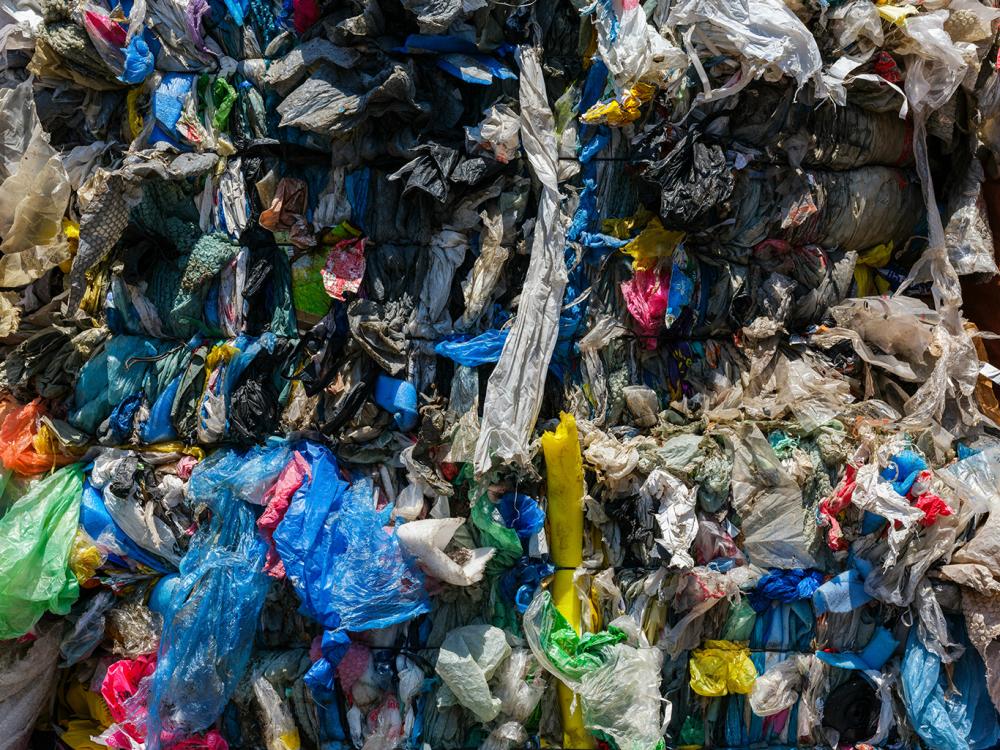
The first measures of restricting the use of plastic bags started at the beginning of the 21st century. The Government of Bangladesh was among the first to introduce total ban on using light plastic bags back in 2002, after they had caused serious problems with clogging drainage canals and floods. Since then, the number of countries to introduce similar measures has risen significantly.
According to the research of the portal “Danas”, by 2022 the ban on plastic bags has been introduced in more than 90 countries, while numerous others use the system of charges for using plastic bags. The goal of such measures is to reduce the use of single-use plastic and encourage citizens to use alternatives like tote bags and multiple-use bags.
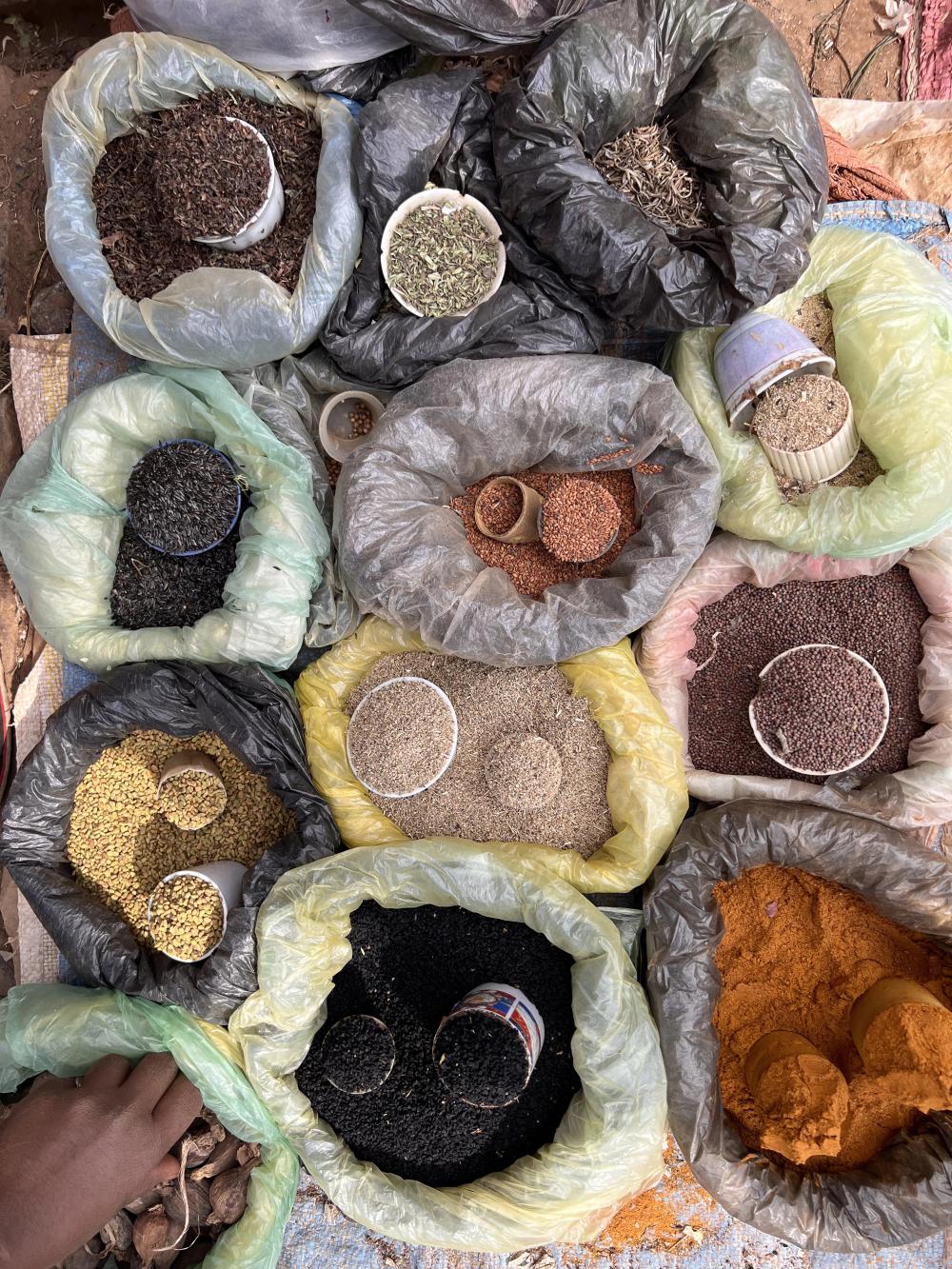
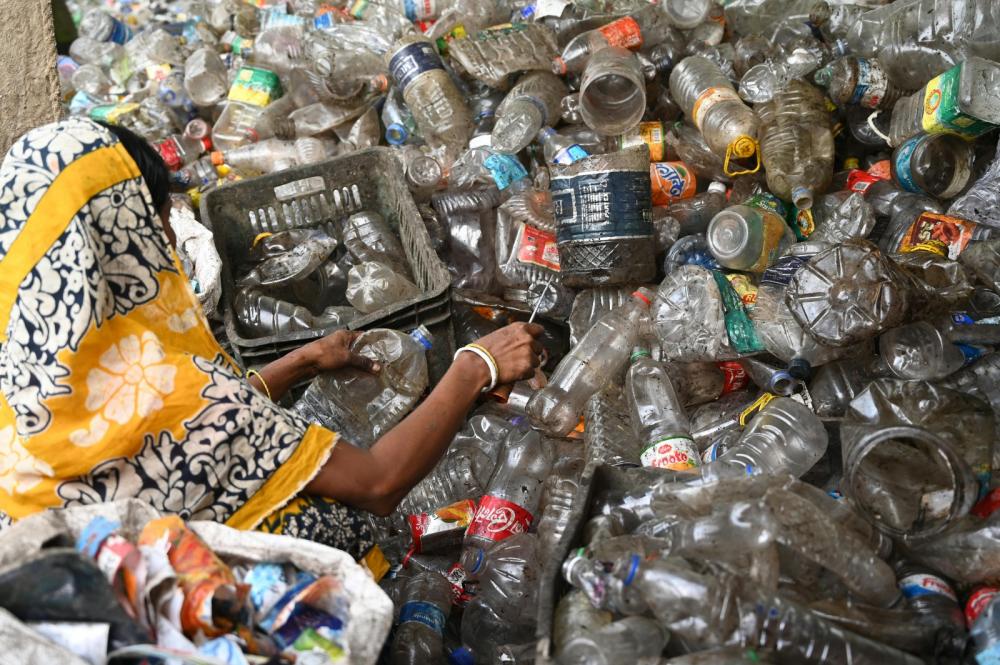
Numerous countries all over the world have introduced bans or strict restrictions of the use of plastic bags. One of the best-known examples is Ruanda, which as early as in 2008 banned the manufacturing, import and use of plastic bags. Due to consistent enforcement of the law and strict controls, the capital city of Kigali is often cited as one of the cleanest cities in Africa.
Similar approach was taken by Kenya, which introduced one of the strictest bans in the world in 2017, introducing heavy fines for the manufacturing, sale or use of plastic bags.
Some countries opted for different approach, charging the use of plastic bags. In 2002, Ireland introduced € 0,15 fee per bag, after which their use dropped by about 90 percent within a very short period of time. Similar model was also used in Portugal and other European countries, where the use of tote bags and multiple-use bags is encouraged through extra fees.
The experiences of these countries show that combination of regulatory restrictions, economic measures and awareness raising campaigns can contribute significantly to the reduction of plastic waste.
Plastic bags as global problem
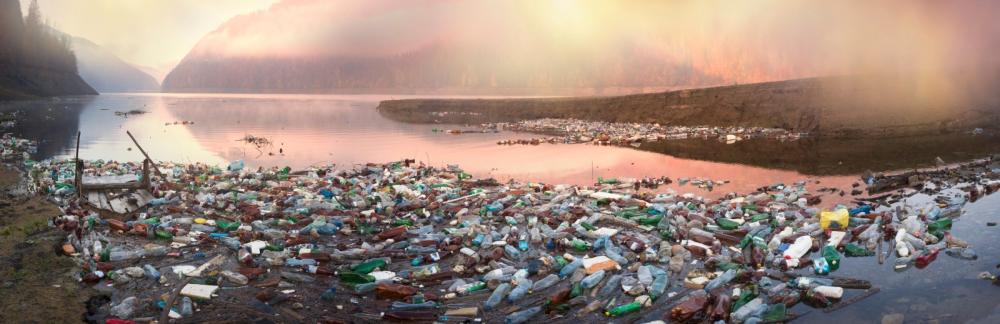
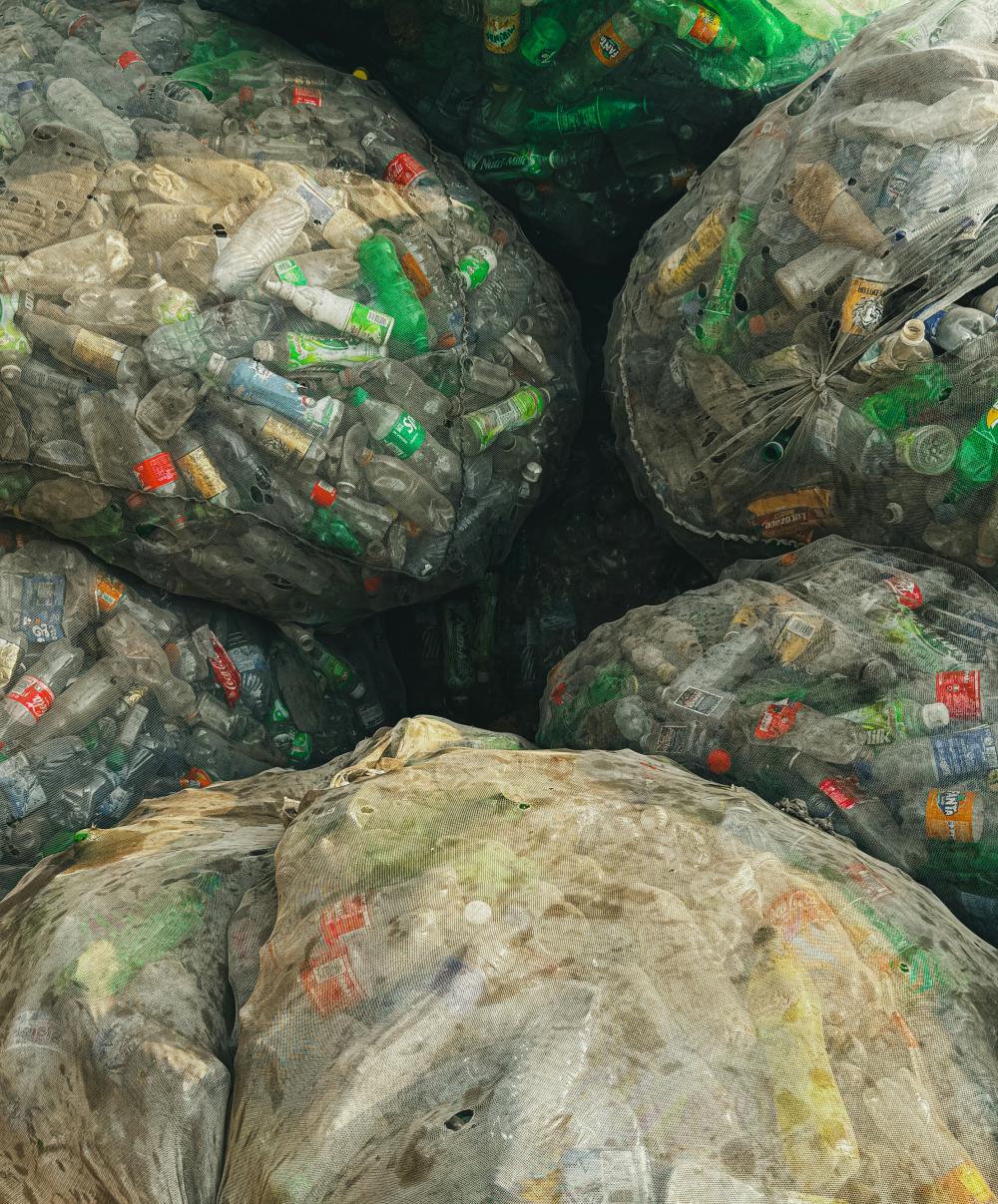
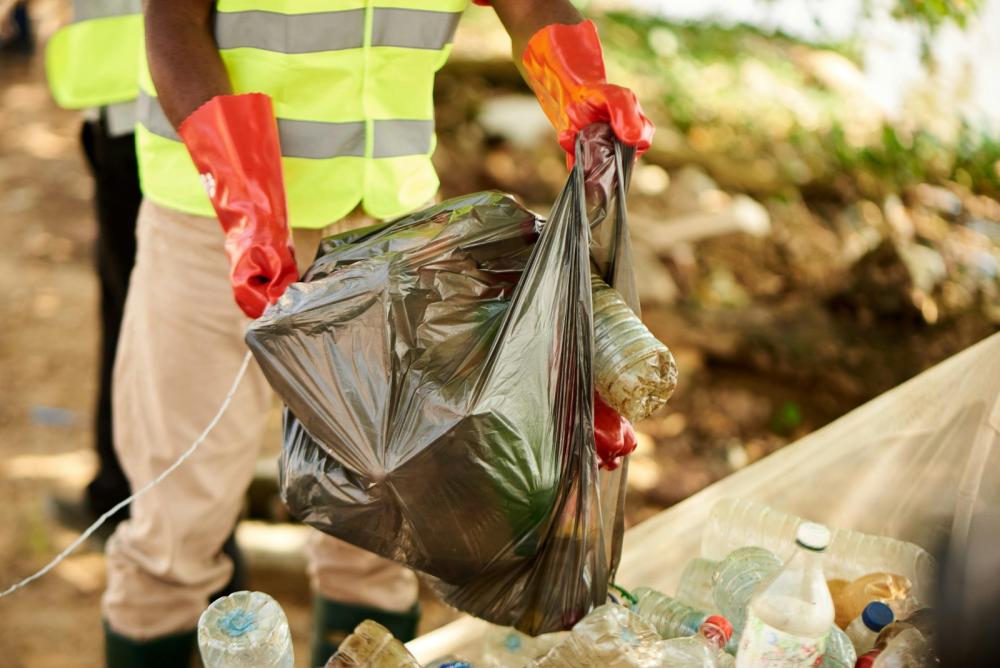
Plastic bags belong to the most widespread waste found in nature. Although they are used for only several minutes, they can survive in the environment for decades. A large portion of them ends up in the streets, in the rivers and the seas, where they pose a serious threat to animals and ecosystems.
According to the estimates of the World Wide Fund for Nature, every year more than 100 thousand of marine animals die because of swallowing or getting entangled in plastic waste. This problem is additionally aggravated by the fact that only a small part of plastic bags is actually recycled.
Similar measures for reducing the use of plastic bags have also been introduced in Montenegro. At the end of 2024, the Ministry of Ecology, Sustainable Development and Northern Region Development introduced the ban on the use of plastic bags with the thickness between 15 and 50 microns, while special fee was introduced for the thicker ones.
According to the Minister Damjan Ćulafić, the first results of these measures are already visible. Formerly, about 100 plastic bags per capita were used in Montenegro, while that number has come down to about 65.
Ćulafić also announced additional steps in this area, among which a possibility of total ban on the use of plastic bags up to 50 microns, as well as the increase of the fee for their use. In his opinion, the goal is to use regulations and awareness raising campaigns to additionally reduce the use of single-use plastic.