

Extended season – myth, challenge, or reality?
Season, season, season… A word so overused in Montenegrin tourism, yet still so short, fragile, and often left to chance. In Montenegro, it still officially lasts from July to the end of August. This year, not even that long… Just when the system gets into full swing – September arrives and everything suddenly goes silent. Why? And can it be different?
In the era of climate change, when people still swim in the sea in late October, and flights and trips are planned more flexibly than ever, the question of an extended season is no longer a luxury, but a strategic imperative. Let’s see how others are doing it, where Montenegro got stuck, and what could be the key to a season that lasts longer than 45 days.
The sun shines even in November – how does Algarve use it?
Algarve in Portugal, southern Turkey, Malta, and southern Italy (Puglia, Sicily) are just some of the European regions where the season realistically lasts six to eight months. Tourists go there for the sun, but they stay for the content – festivals, wine tours, hiking, golf, thermal spas, digital nomad packages, cooking workshops...
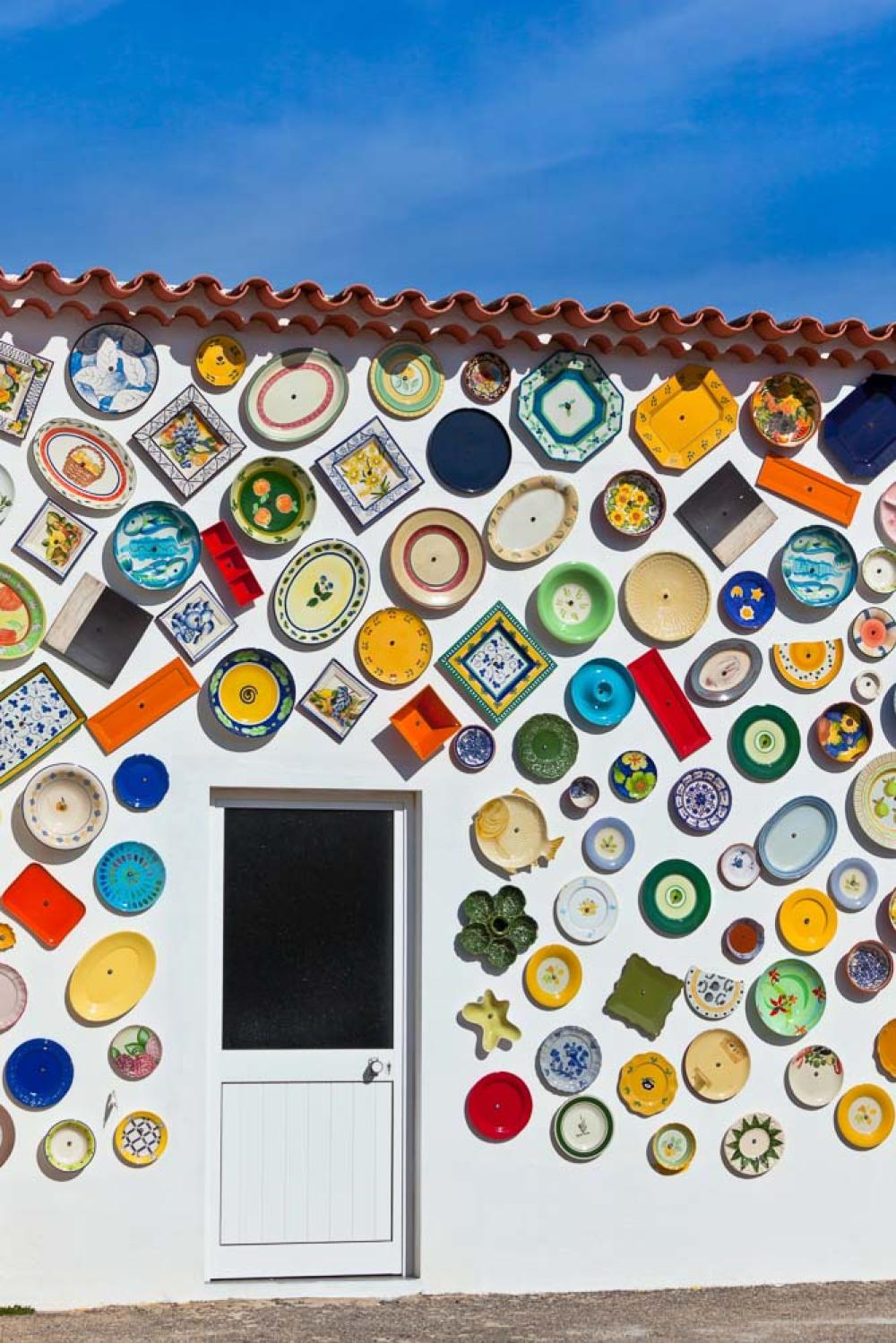
In Portugal, for example, work has been going on for years on networking small businesses and local communities to create a 365 Tourism model. The same applies to Turkey, which carefully balances between mass and experiential tourism, with strong promotion outside the summer months.
Croatia: from seasonality to selectivity
The closest example – Croatia. In Istria, Pelješac, and Hvar, there is now a clearly designed model for extending the season. The key difference? Planning and focus. Instead of waiting for summer, destinations start profiling themselves at the beginning of the year through thematic events, wellness weekends, wine festivals, and sports manifestations targeting Central and Western European markets.
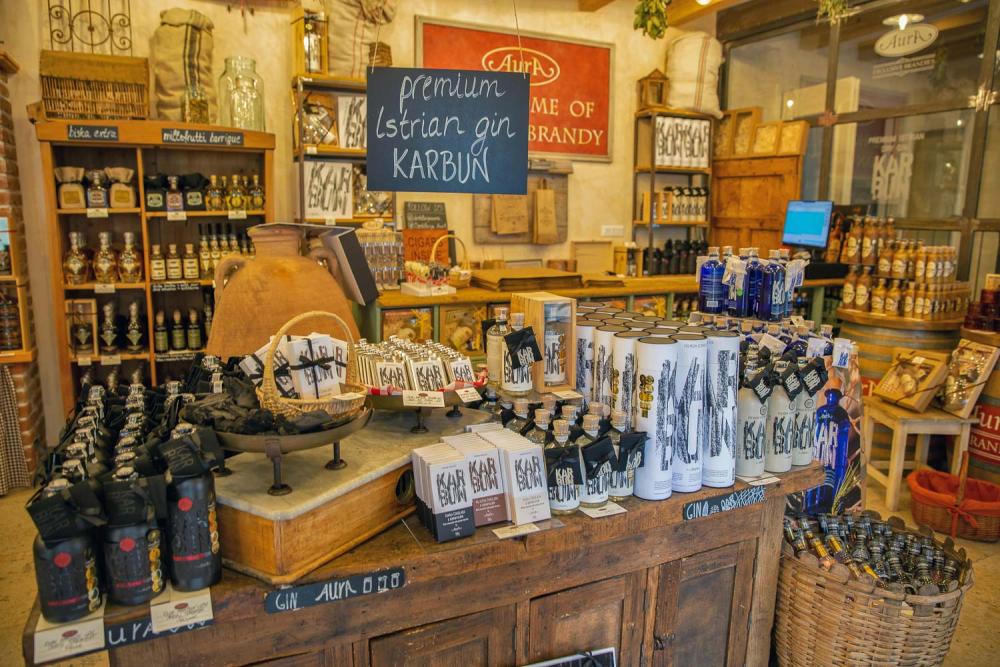
Example from Pelješac: autumn harvests and wine tourism attract thousands of guests during September and October. In Istria – cycling routes, truffles, rural accommodation, and events for digital nomads.
Montenegro: great potential – unclear strategy
While neighbors strategically extend the season, Montenegro is still “gasping for air” seasonally. The offer exists, but it is often unsynchronized, short-term, and fragmented.
Hotels close already in mid-September, flights are reduced, and many hospitality businesses operate exclusively during peak season. September in Montenegro, although often the most beautiful month at the coast, passes in the spirit of “closing down,” instead of “open opportunities.”
What is missing are targeted campaigns, off-season packages, coordination with low-cost carriers, and an understanding that guests coming in October want a different experience from those in July.
Pre- and post-season: untapped gems
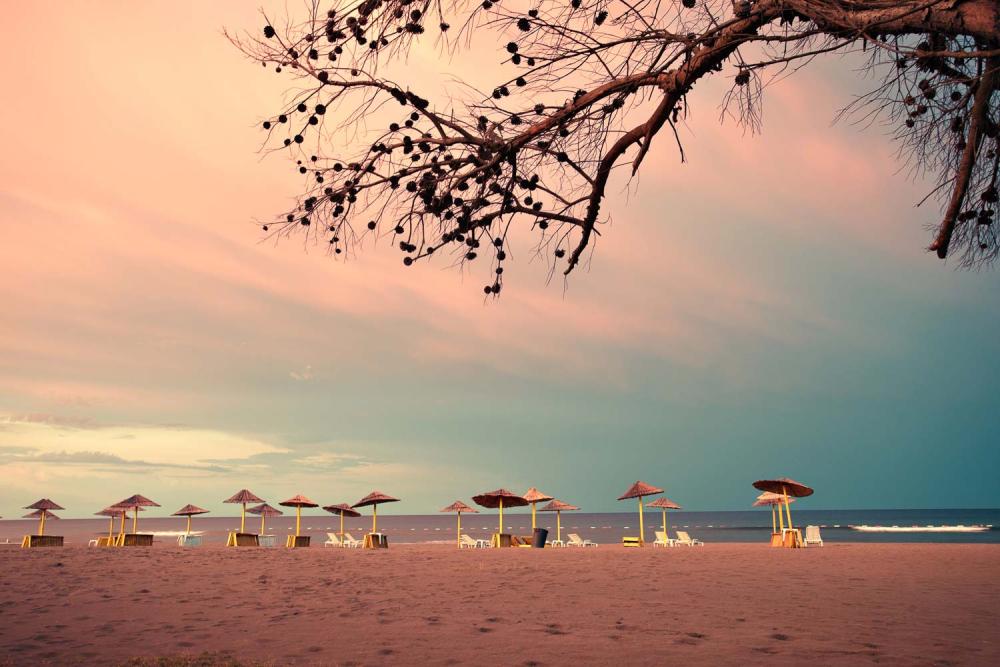
April, May, September, and October – four months when temperatures are pleasant, nature is lush, and crowds are minimal. In many countries, this is the golden time for active, slow travel and thematic tourism. With us, it’s a gray zone full of untapped potential.
Why not offer weekends in vineyards, olive harvests, glamping adventures, hiking tours, cultural festivals, conferences, and team-building packages? Why does our season still depend only on the weather forecast and the summer peak?
Festivals, conferences, slow travel: the trio that extends the season
While classic “sun and sea” tourism has its end, festivals don’t. Events are the best tool for attracting guests off-season – from music and gastronomy, to sports and art.
Conference tourism is another neglected advantage. Some Montenegrin destinations already have excellent venues (hotels in Boka, Podgorica, Cetinje), but lack structured promotion to corporate and professional clients.
And slow travel? Guests who want to experience local culture, food, nature, and people without rushing – they are increasing in number. They just need a reason to come – and stay.
Who is ready, and who is not?
There is much talk about whether guests are ready for the off-season. The truth is – they are ready. Digital nomads, mature couples, child-free travelers, weekend tourists… all are looking for destinations with content beyond peak months.
The real question is: are we ready?
Tour operators who try to organize activities for September and October often face a lack of understanding – even from sector partners. Accommodation closed, restaurants shut, transportation irregular. Instead of extending the season, we are cutting it off ourselves.
Time for a new calculation
An extended season is not just a matter of tourists. It is a matter of economy, employment, local development, and long-term sustainability.
In a season that failed to meet expectations, extending the tourist year may not be a luxury ambition – but the only realistic path to recovery and stability. It is time for tourism not to be measured only by overnight stays in July and August. It is time to plan differently – and act smarter.

111.jpg)