Lola Mugoša, Sales Director Hospitality at m3connect, responsible for overseeing hotel standards in the Balkans, says that guest expectations are changing rapidly, which means hotels must provide a digital experience that meets the standards international travellers have become accustomed to around the world.
Fast, stable and secure internet has become one of the decisive criteria when choosing a hotel, and for some guests the quality of the WLAN network is now even more important than traditional services such as breakfast. Digital infrastructure is therefore no longer an additional amenity, but an important factor in a hotel’s competitiveness and the overall guest experience. This is particularly significant for Montenegro, which is attracting a growing number of international hotel brands and seeking to position itself more strongly in the global tourism market. The arrival of well-known hotel chains raises standards and requires investment in reliable networks, cybersecurity, digital services and modern solutions for entertainment and business facilities.
Lola Mugoša, Sales Director Hospitality at m3connect, says that digital infrastructure is becoming one of the key prerequisites for the competitiveness of Montenegrin hotels, particularly at a time when Montenegro is increasingly positioning itself as a destination for international guests.
“Guest expectations have fundamentally changed in recent years. International studies show that fast, stable and secure internet connections are now among the most important criteria when choosing a hotel. For many guests, WLAN quality has meanwhile become more important than traditional hotel offerings such as breakfast. Business travellers often work remotely during their stay, take part in video conferences and use business applications. At the same time, leisure guests use streaming services, social media and digital communication platforms. Multiple devices are often used simultaneously, including smartphones, tablets, laptops and smartwatches,” Mugoša says.
Modern hotel networks must provide much more than simple internet access. They must reliably handle large volumes of data, guarantee maximum availability and, at the same time, meet the highest security standards.
Lola Mugoša has been with m3connect GmbH for more than ten years, working in the field of hotel IT, and has extensive experience in implementing international IT and brand standards for leading hotel groups around the world. m3connect is an international technology company headquartered in Aachen, Germany. Since its establishment in 2001, the company has been one of the pioneers in WLAN and network solutions for the hospitality industry. Today, m3connect serves clients in 47 countries and works with international hotel groups such as IHG, Accor, Marriott, Hyatt and other leading brands.
“High-quality WLAN, secure networks, digital guest services and modern entertainment solutions are no longer optional extras, but an integral part of the guest experience. Guests expect the same quality standards they know from international hotels in other parts of the world,” Mugoša explains, adding that for hoteliers this means modern IT infrastructure is now one of the key investments required to meet the expectations of international guests.
Montenegro, Mugoša points out, is currently undergoing a transformation in this area.

“International hotels generally meet all these essential standards. We also notice that an increasing number of international hotel groups see Montenegro as an attractive market for expanding their operations (for example, in Podgorica: Hilton, Voco, Crowne Plaza and Ramada; in Budva: Crowne Plaza Budva; in Tivat: IHG Regent; and in Kotor: Hyatt Kotor Bay). In addition, a whole range of international hotel projects are under development, including IHG Amma Resort in Čanj, Marriott in Kotor, Swissotel in Budva and others. With new properties, it is perfectly clear that all brand standards must be implemented from the outset,” Mugoša emphasises.
However, she says that some international hotel groups are also focusing on the conversion of existing hotels.
“During renovations, IT infrastructure can be adapted to the investment cycle over a defined period of time. Nevertheless, these installations should be implemented as soon as possible whenever feasible, because they represent a very important decision-making criterion for international guests. This, of course, applies not only to international hotel chains, but increasingly to local operators that want to successfully attract and retain international guests,” Mugoša says.
As an international technology partner, m3connect supports hotels in implementing these standards and enables guests in Montenegro to enjoy a digital experience that meets international standards.
“Working with international hotel brands involves much more than simply providing WLAN or IT hardware. Technology partners must meet the complex requirements of the specific hotel group and, in many cases, be officially certified or approved. International hotel brands have extensive technical guidelines and quality standards that apply to all hotels operating under the same brand worldwide,” Mugoša points out.
She explains how hotel IT brand standards are defined.
“Brand standards are defined by the international hotel groups themselves and are continuously updated and improved. Major hotel companies such as Marriott, IHG, Accor and Hyatt have specialised global IT and digital teams dealing with areas such as cybersecurity, data protection and the Digital Guest Journey. The purpose of these standards is to provide guests with a consistent experience around the world, regardless of whether they are staying in New York, Dubai, Paris or Montenegro. Today’s guest expects the same quality of digital services at every location operating under a particular hotel brand. This includes not only booking systems or guest loyalty programmes, but also high-quality WLAN infrastructure, secure networks and modern digital guest services,” Mugoša says.

She explains that a commonly used benchmark is a signal strength of at least -65 dBm. This value describes the quality of the WLAN signal on the guest’s device and ensures that applications such as video conferencing, streaming, Wi-Fi Calling and cloud services operate reliably.
“To achieve these quality standards, modern hotels today are often equipped with one Access Point per guest room. This ensures consistent network coverage, regardless of the building’s structural characteristics or the number of devices connected simultaneously,” Mugoša says.
Many international hotel groups also work with certified manufacturers of network equipment, such as Access Points, switches and similar devices. An important part of modern hotel standards is the “Bring Your Own Device” (BYOD) concept.
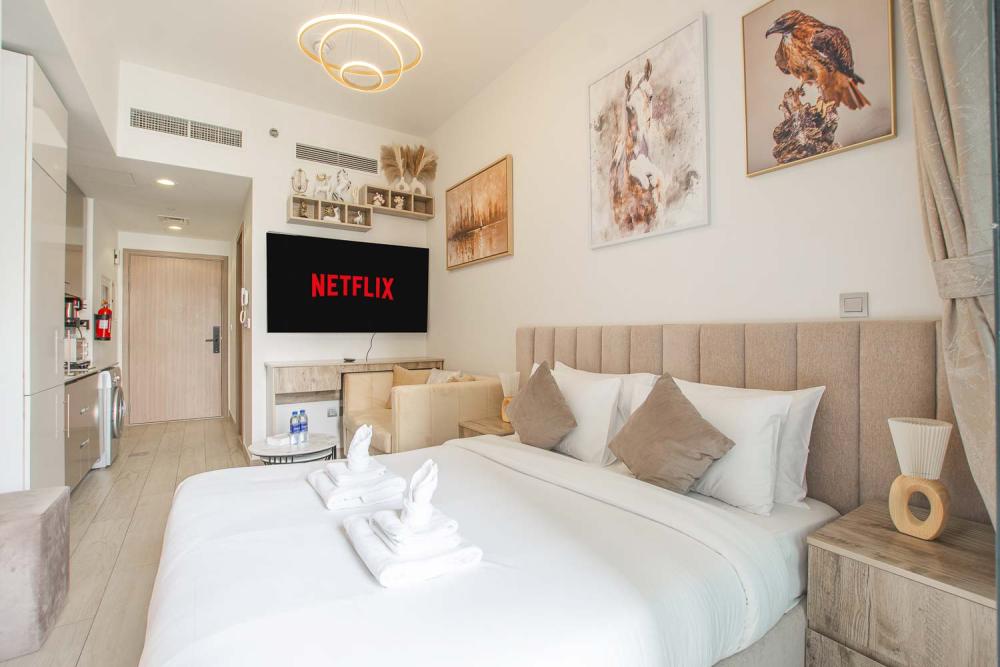
“Today, guests expect to be able to use their personal content as easily as they do at home. This includes being able to use their own streaming services such as Netflix, Amazon Prime Video, Disney+ or YouTube securely and easily on the hotel television. For this to work, several technologies must operate seamlessly together. In addition to modern Hospitality TVs with integrated support for Google Cast and Apple AirPlay, secure network architectures and specially developed software solutions are required. Data protection is particularly important,” Mugoša explains.
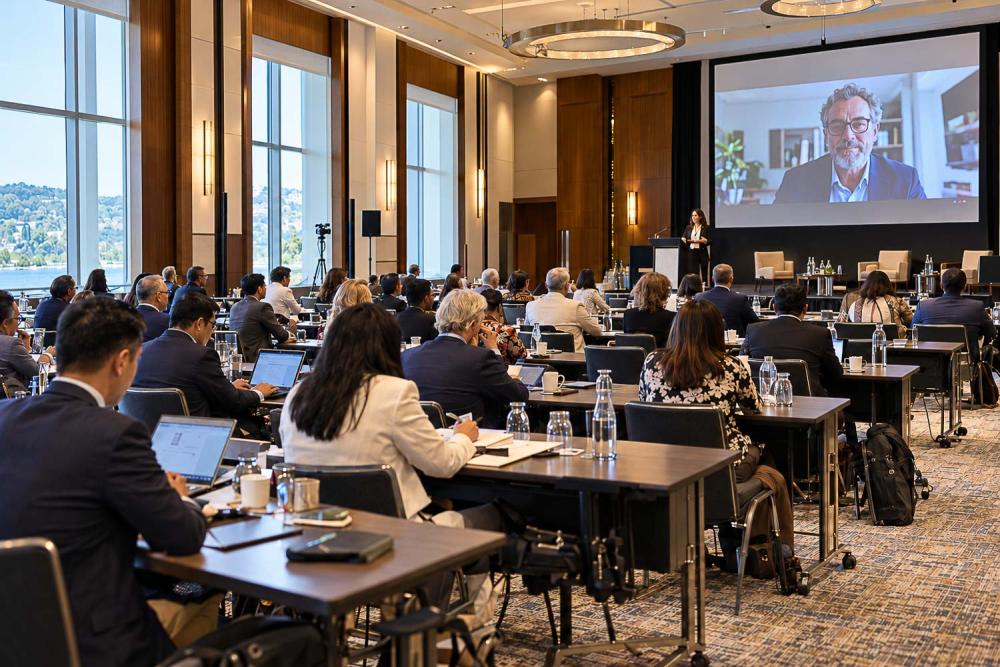
Conference rooms today must provide much more than traditional presentation technology. International companies expect stable and secure networks for hybrid meetings, live streaming and video conferences. Organisers often require dedicated WLAN networks (SSIDs) for their events, as well as guaranteed bandwidth to ensure high-quality transmission.
“If, for example, a company director is joining live from another country, the technology must work flawlessly. Providing this type of technology enables hotels in Montenegro to professionally accommodate international business travellers and conferences in addition to their seasonal leisure guests, thereby increasing hotel profitability over the long term,” Mugoša concludes.

Mugoša points out that international hotel groups often have strong loyalty programmes and high brand recognition, enabling them to actively develop destinations and attract new guests.
“The loyalty programmes of major international companies include hundreds of millions of members worldwide, with whom hotel groups communicate continuously. This can open up new and interesting source markets. Through marketing activities, for example in the United Kingdom, Germany, Scandinavia, Italy or the United States, potential guests can be introduced to Montenegro while simultaneously being presented with the country’s hotel offering,” Mugoša says.
According to her, this enables a country such as Montenegro to attract a more diverse mix of international guests, further develop tourism and business travel, and create a more stable foundation for long-term growth.
The standards and training programmes of international hotel groups are extensive and comprehensive. Hotel employees undergo training in accordance with these standards, contributing to the professionalisation of the entire tourism labour market at an international level. As an example, Mugoša cites Marriott, which offers 2,500 online courses available to all employees.
Mugoša highlights the “Digital Guest Journey”, which involves digitally accompanying the guest before, during and after their hotel stay. The process begins even before arrival, through online check-in, personalised information and offers for room upgrades or additional hotel services. After departure, digital communication continues through requests for feedback, loyalty programmes and personalised offers, helping maintain the relationship with the guest even after their stay has ended.