

While the world best athletes were competing on the snow and ice, countless shots – views were revealing the landscapes, cities and the Italian lifestyle, turning thus the Olympic Games into the most beautiful tourist invitation of the year.
During February, millions all over the world set their sights on Italy — on the snow-covered slopes, dramatic summits of the Dolomites and on the cities which were breathing in the rhythm of the sport. The Winter Olympic Games Milan–Cortina 2026, held from 6th to 22nd February, were a lot more than a sports event: they were a global stage where tourism, economy, infrastructure and the country’s identity met.
While the athletes were winning medals and shifting the boundaries of the possible, Italy — quietly and strategically — was getting the attention of the future travellers.
The Olympics showed once again that they are not just about competing, but a powerful international media and tourist magnet. For weeks, live TV broadcasts, social networks and global media outlets were bringing to our homes the images of Alpine landscapes, urban life of Milan, Alpine elegance of Cortina and charm of the Northern Italy. That visual and emotional experience has become the most powerful tourist campaign.
Games as investment and not as expenditure
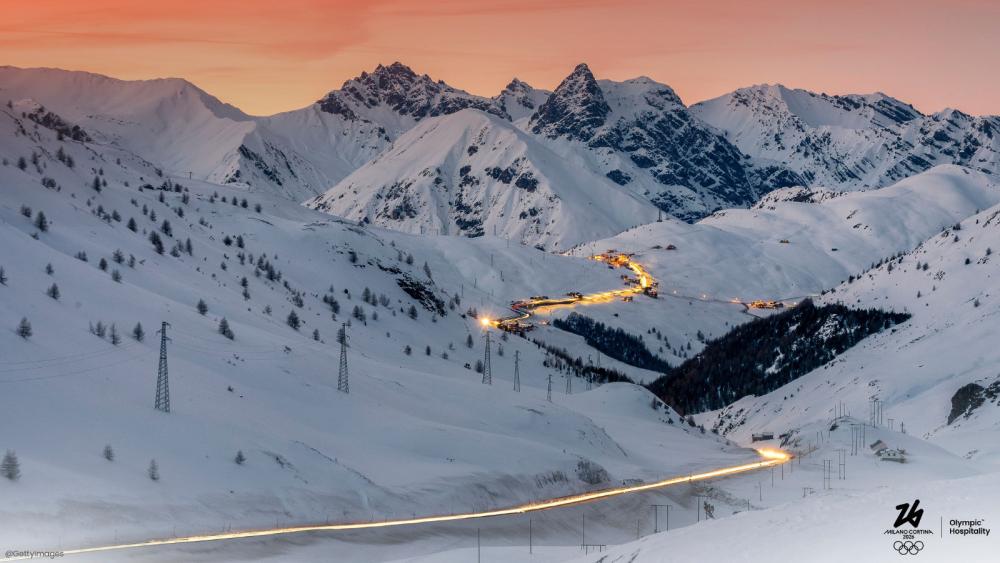
The estimates, already during the Games, were showing that the event was generating billions of euros for the Italian economy — through direct spending of the visitors, organization, infrastructure and long-term tourism effects.
However, real value was not just in the figures, but also in the way in which the wave of interest spilt into tourist flows.
The hotels were not only full during the period of competitions, bookings grew even for the weeks and months after the closure of the games. The visitors extended their stays, explored surrounding area and planned their return to Italy as early as in the coming spring.
Milan and Cortina like two sides of the same story
Italy used the Olympics to show to the world two powerful, yet different tourist pictures.
Milan confirmed its status of a modern European metropolis — the city of fashion, design, culture and urban energy. During the Games, it was the main entry point, but also a destination where the visitors stayed longer than they had originally planned.
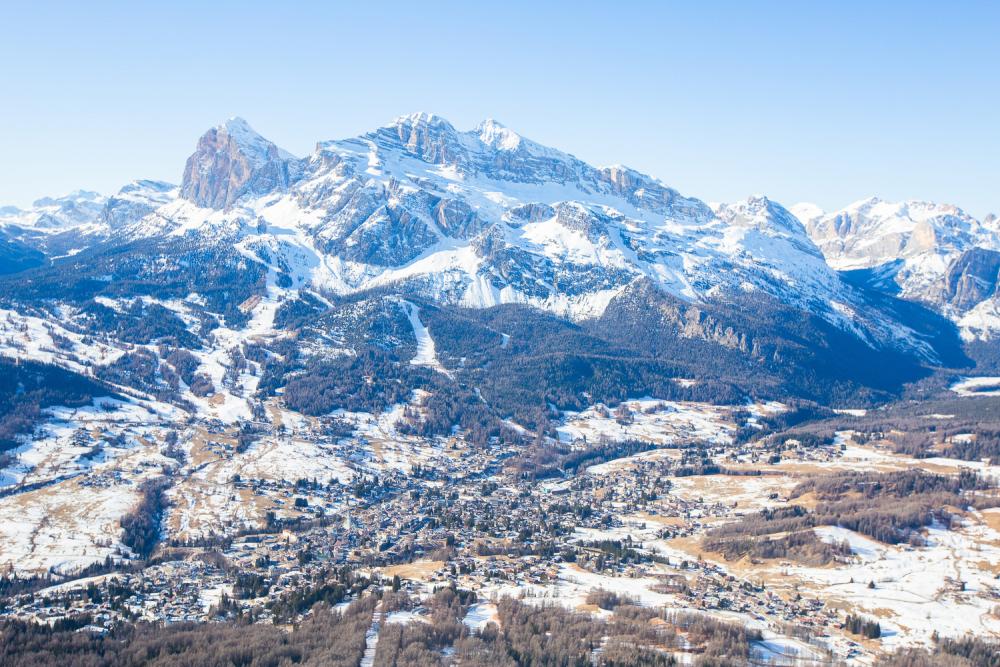
On the other side, Cortina d’Ampezzo and the Dolomites shone as a symbol of Alpine elegance and spectacle of nature. Televised images shot during the competitions have travelled the world and remined global audiences that the Dolomites are much more than a winter sports centre — they are a year-round destination for mountaineers, cyclists, nature lovers and hedonists who look for tranquillity, landscape and authenticity.
Tourism behind sport scenes
While medals were being awarded on the slopes and in the sports halls, an equally important process was going on in the background: Italian tourism has got a mew energy.
Restaurants introduced regional specialities to international audiences, winemakers acquired new export partners, while the hotels invested in renovations and improved services in order to respond to global expectations. The Olympic Games became a moment in which local gastronomy, culture and lifestyle were presented to the planet — not through an advertisement, but through experience.
Many visitors did not come only for sports. They came because of the atmosphere, landscapes, food, wine and the feeling of being part of a global event, and at the same time immersed in the local story.
Between Milan and the Dolomites, the Olympic Games have left the strongest sports trace, but in addition to that they have awaken the desire for travelling, slow enjoyment and discovering Italy in its shiniest edition.
Legacy that stays
One of the most important effects of the Games was the infrastructural momentum. Transportation links have been improved, railway line and airports have been modernized, while numerous hotels and tourist facilities have been refurbished. These investments have not been intended only for athletes and delegations — they have created a higher quality Italy more easily accessible for future tourists.
The Games have, thus, left a legacy which is going to last for years: faster trips, better connections between mountainous and urban destinations and higher level of tourist service.
Between growth and responsibility
Naturally, the Games have also raised important questions. Increased pressure on sensitive mountain ecosystems and the need for sustainable tourism management have become a part of a broader discussion about the future of Alpine destinations. Italy has, thus, found itself facing a challenge shared by many popular countries — how to maintain the balance between growth and preservation of nature and local identity. It is exactly that awareness of the balance that could become one of the most important long-term legacies of the Games.
Victory which lasts longer than the closing ceremony
When the Olympic flame was extinguished on 22nd February, the sports spectacle ended — but a new chapter for Italian tourism started.
The images of the Dolomites, Milan and Alpine villages remained seared in the consciousness of the millions of viewers all over the world. Many of them are already making plans for travels inspired by these very sights. In that sense, the greatest Italian victory was not on the rostrum, but in the fact that it reminded the world how diverse, elegant and hospitable it can be.
The Olympic Games ended — but the tourist story they have launched has just started.
The examples around show that the success does not lie only in the organization of the event, but also in how wisely a destination uses the attention it receives. Italy used the 2026 Olympics exactly in that way — as a beginning of the new stage of tourism, and not as the ending of a spectacle. Largescale international events like the Olympic Games have the power to completely change the tourist image of a destination which is otherwise not famous like Italy.