
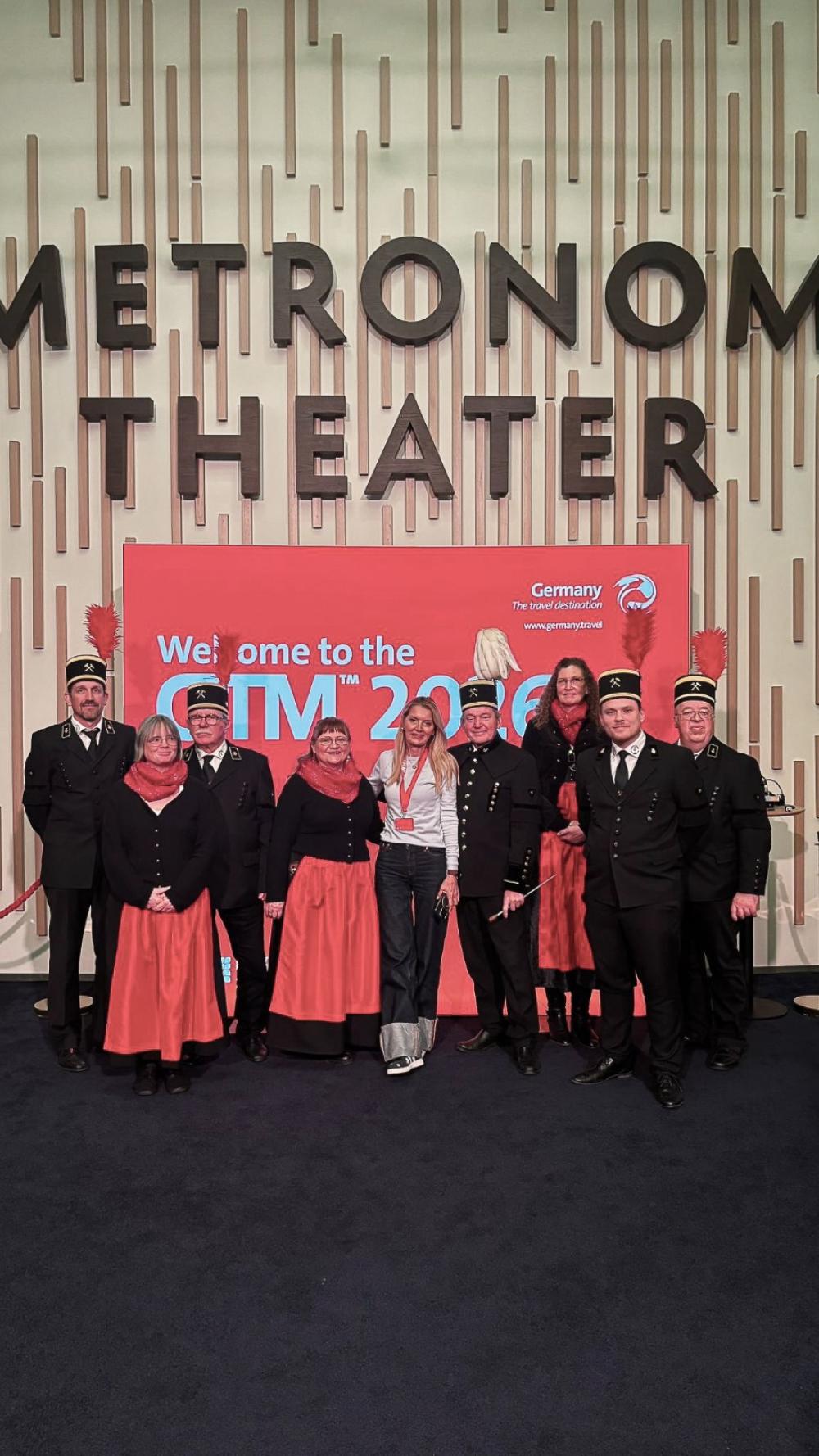
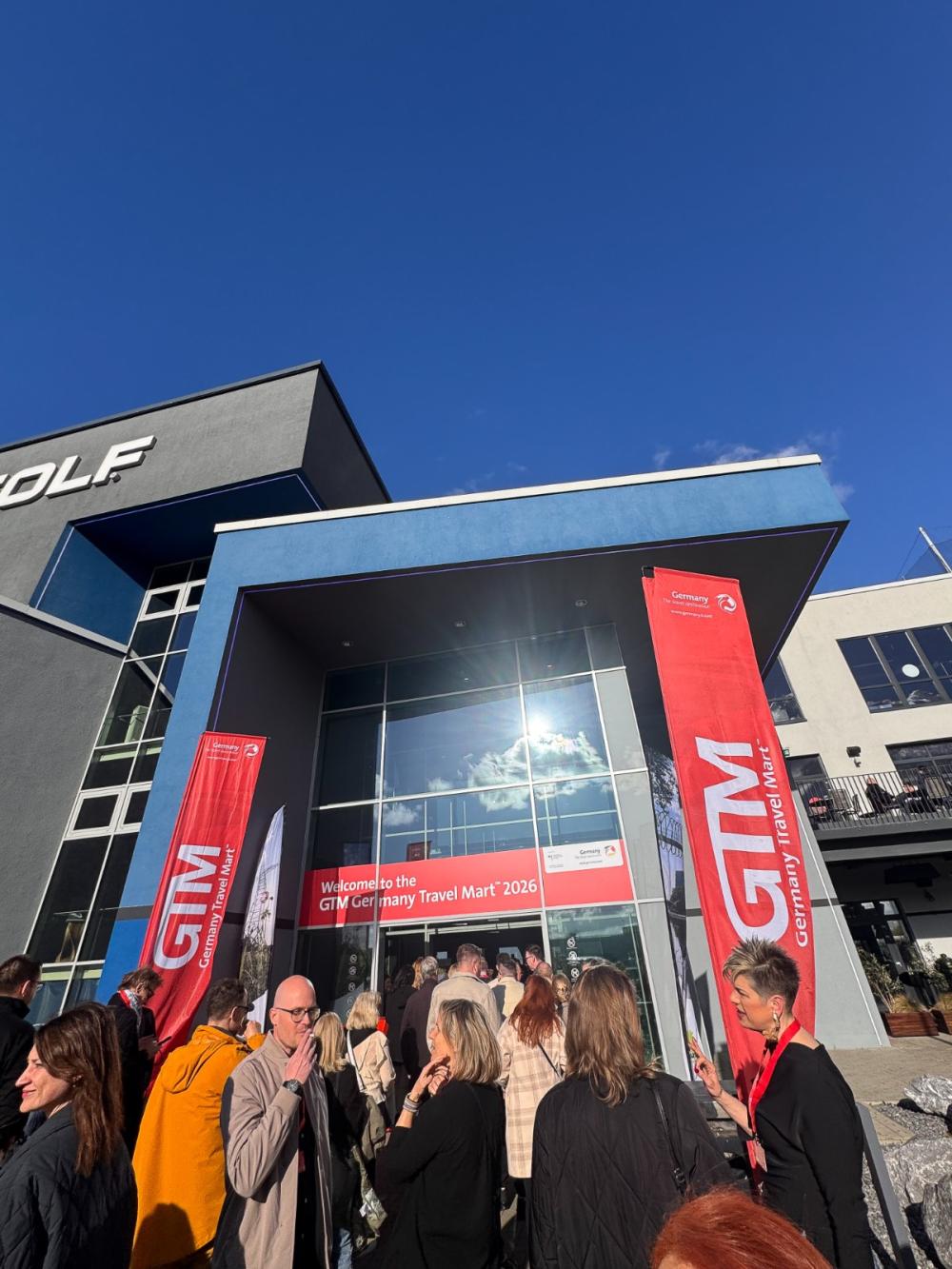
From April 19 to 21, Oberhausen hosted GTM 2026, one of the most important events in the global tourism industry, bringing together around 370 participants—from international buyers and tour operators to media representatives from nearly 40 countries. Montenegro was represented by our editor, Sanja Golubović.
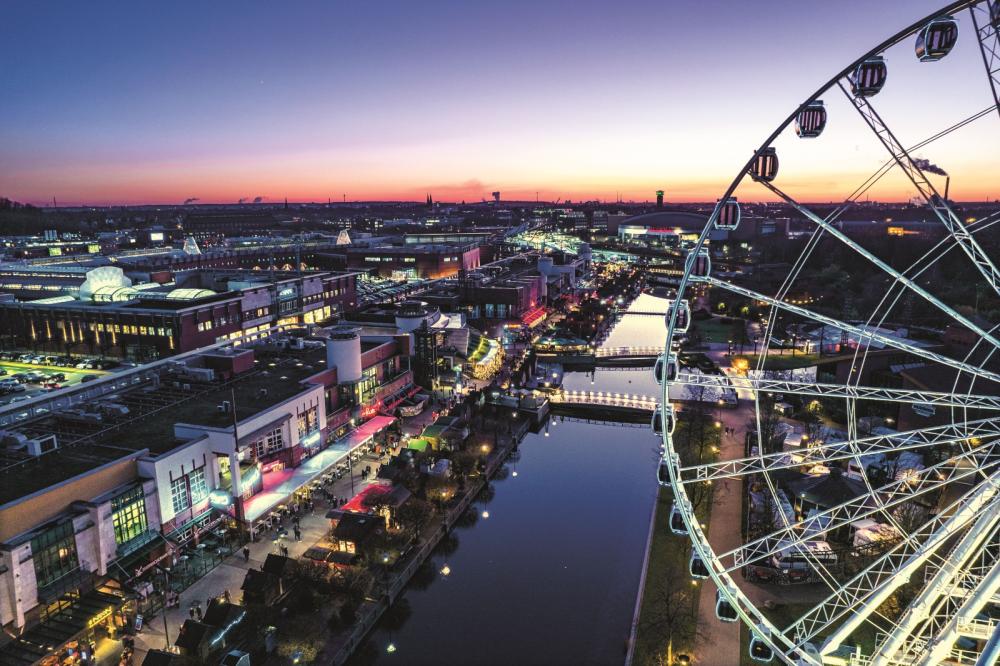
Oberhausen was not chosen by chance as the host of this year’s GTM. Once the industrial heart of Germany, it now stands as a symbol of a broader transformation—from steel and coal to culture, creative industries and contemporary urban tourism.
From April 19 to 21, the city brought together representatives of the tourism industry from nearly 40 countries—buyers, companies and journalists—confirming GTM’s position as one of the key platforms for Germany’s inbound tourism. Beyond the numbers and pre-scheduled meetings, a different kind of dynamic could be felt: less focused on traditional business, and more on connection, understanding and a shared sense of direction in a time of global uncertainty.
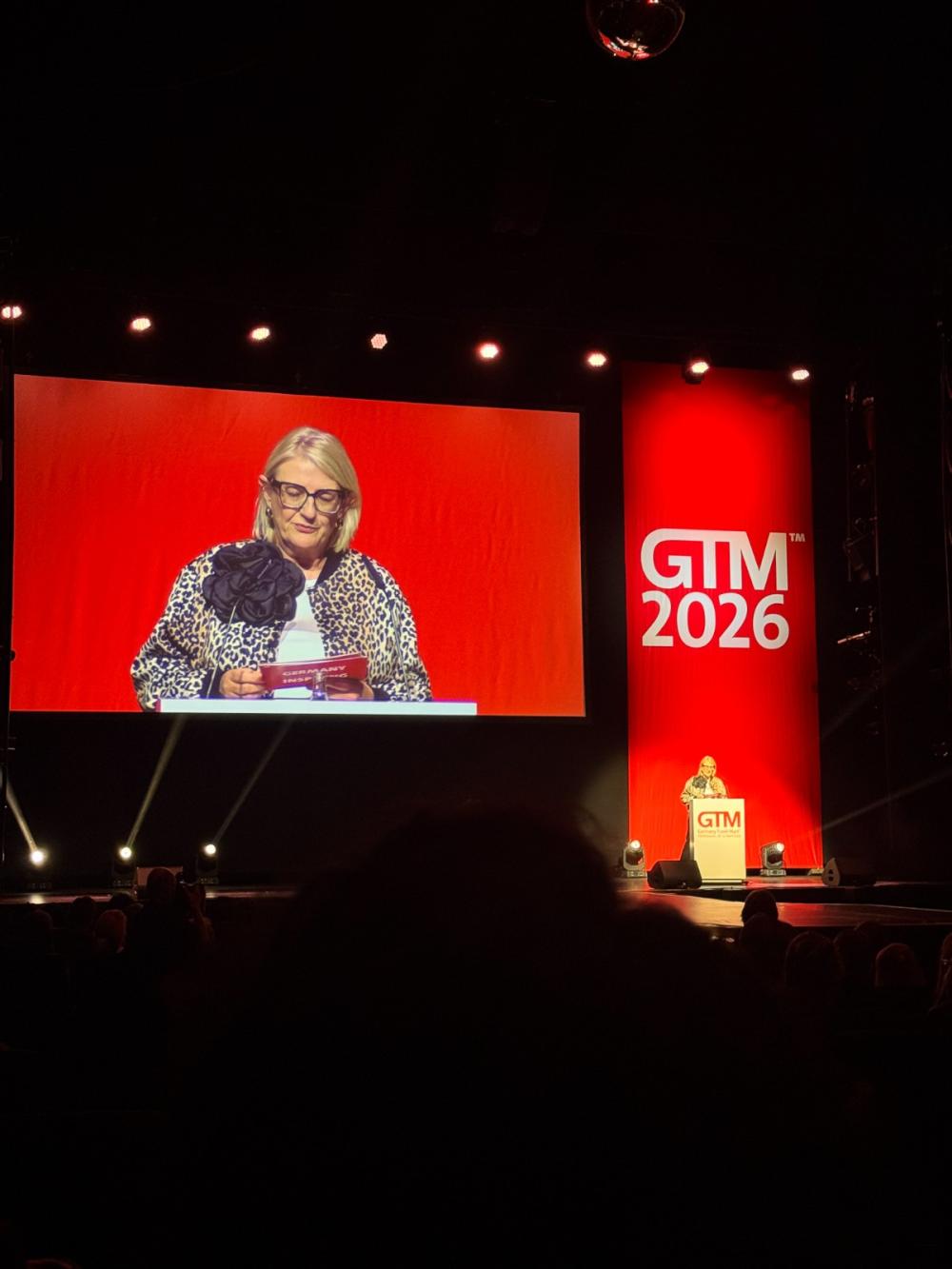
Petra Hedorfer, CEO of the German National Tourist Board, emphasized that tourism today is no longer just an industry, but a tool for understanding and connecting markets and people. In that sense, GTM is increasingly becoming a space for dialogue—not just an exchange of supply and demand.
Strong results in a complex environment
The 52nd edition of Germany Travel Mart™ (GTM), organized by the German National Tourist Board, concluded with positive results for the inbound tourism sector. The event brought together 200 international buyers and 165 tourism companies and organizations, with around 4,500 pre-scheduled meetings conducted through a digital system—highlighting the importance of structured B2B platforms in global tourism.
According to an on-site survey, 94% of participants were satisfied or very satisfied with the event, while 98% reported successful business outcomes. As many as 85% expressed their intention to return next year.
In the context of a challenging geopolitical environment, GTM once again confirmed its role as a key marketplace for international tourism.
Tourism as a response to uncertain times
“Especially in the current geopolitical situation, GTM has once again proven itself as a strong platform for successful business connections,” said Petra Hedorfer.
In this context, GTM was more than just a B2B platform—it was a reminder that tourism today operates at the intersection of economy, politics and society. The key messages from the panels were clear: flexibility, sustainability and international cooperation are no longer options—they are necessities. Tourism is increasingly being viewed not through numbers, but through its ability to connect people and sustain dialogue.
The official opening ceremony of GTM was held at the Metronom Theater Oberhausen, featuring a spectacular program and artistic performances.
Metronom Theater Oberhausen, a grand venue with around 1,700 seats, is one of the most important cultural spaces in the Ruhr region, known for large-scale musical productions and concerts. Located next to Centro and recently renovated, it now serves as a major cultural and event hub.
A Ruhr region in transformation
During GTM, participants had the opportunity to experience the region’s transformation firsthand through press tours and live experiences—not as a finished story, but as an evolving process.
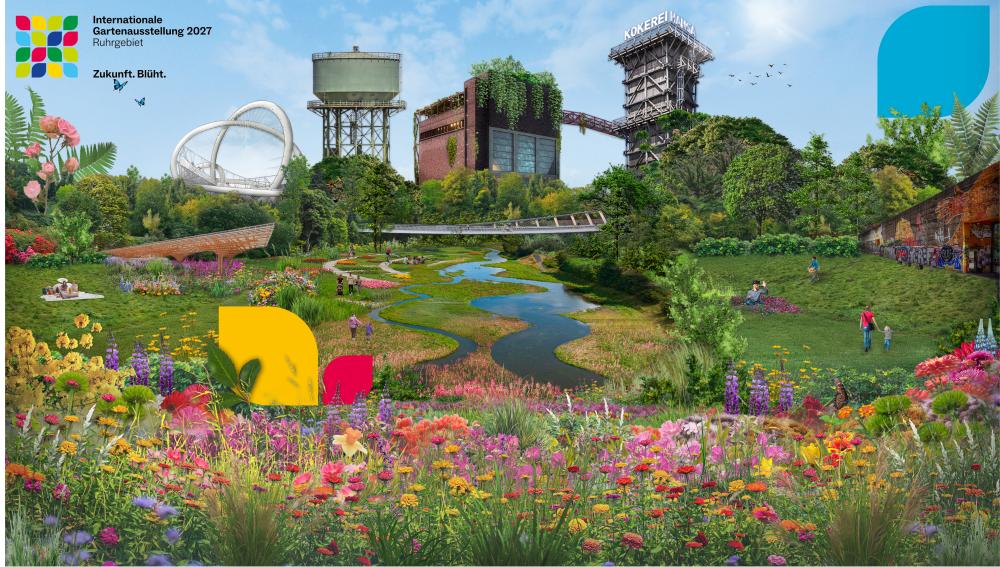
One of the most striking examples was the Internationale Gartenausstellung 2027 (IGA 2027), a major international project that will transform the Ruhr into a network of green, sustainable and urban spaces. As part of an organized tour, I visited locations where this ambitious project is already beginning to take shape.
There are no grand backdrops. No polished postcards. Instead—a landscape in the making.
Particularly impressive are the areas along the Emscher River, where former industrial infrastructure is being transformed into green corridors and recreational zones. In those moments, it becomes clear that IGA 2027 is not just a future event—it is a process already underway.
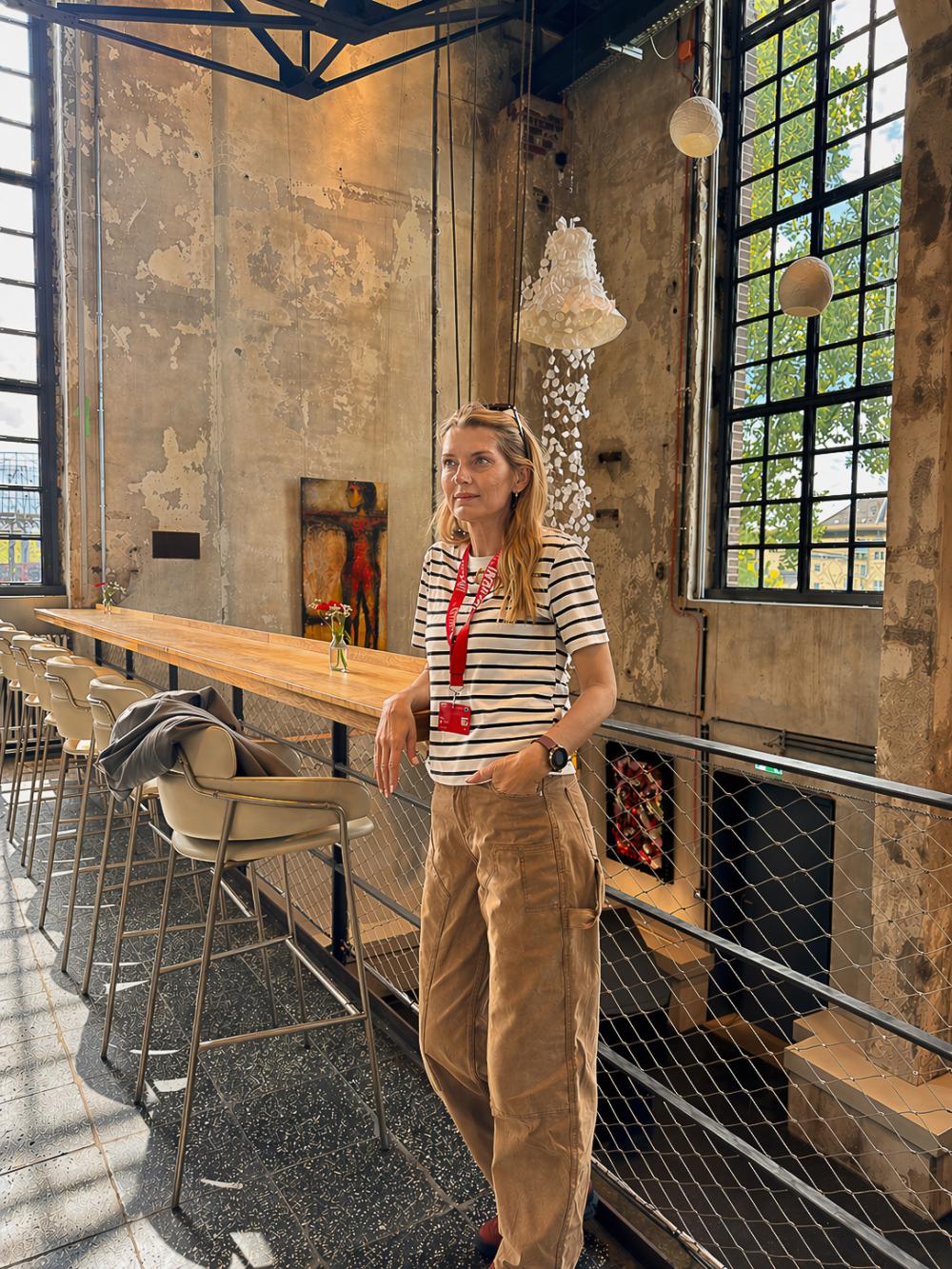
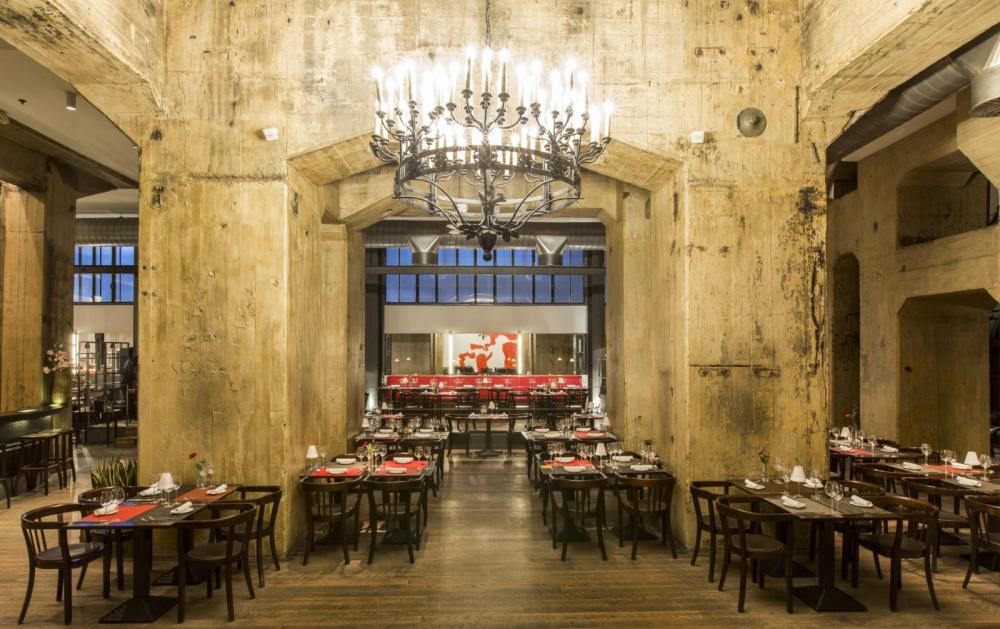
One of the highlights of my stay in the Ruhr was a visit to the restaurant Goldschwarz, located within the Zeche Zollverein complex in Essen—a former coal mine now protected by UNESCO and one of Europe’s most important industrial heritage sites.
In a space where miners once worked, a contemporary gastronomic scene is now thriving—creating a striking contrast between a heavy industrial past and a refined modern lifestyle. Industry as a new stage—from coal mines to fine dining.
It is precisely in this blend of raw industrial surroundings and modern aesthetics that the transformation of the Ruhr is most clearly felt—from a region defined by labor and production to one shaped by culture, design and new experiences.
Oberhausen in brief: a city that surprises
In the end, Oberhausen proved to be much more than just a host city. During our tour, guides pointed out that Westfield Centro Oberhausen, one of the largest shopping centers in Europe, attracts millions of visitors each year.
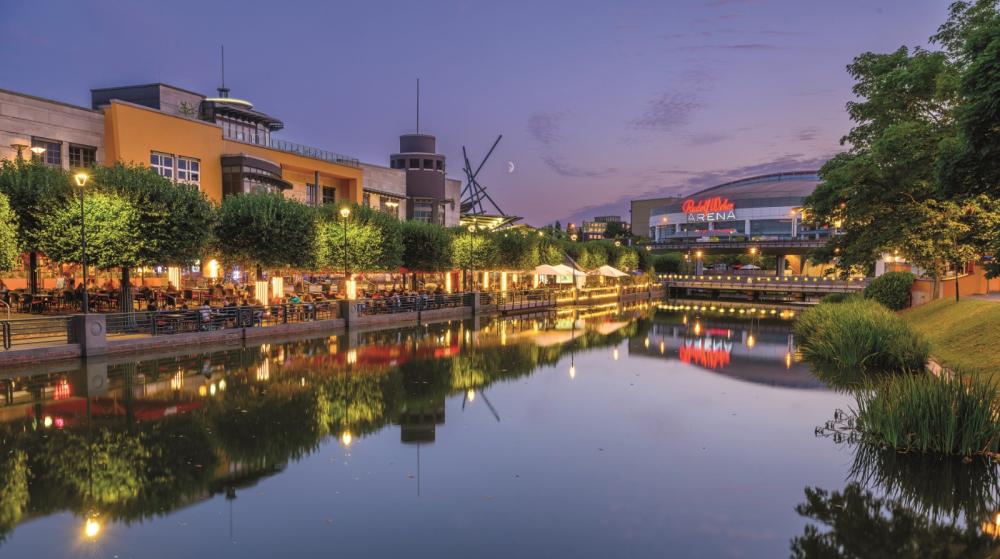
At the same time, just minutes away, the promenade functions as an urban stage—hosting concerts, festivals and performances by well-known artists.
The Gasometer, a former industrial gas storage tank, is now one of the most impressive exhibition spaces in Europe—a symbol of the Ruhr region’s transformation. Built in the 1920s and standing about 117 meters tall, it served industry for decades and is now a monumental exhibition hall with a panoramic viewing platform.
In the evening, when the lights along the promenade come on and the space fills with music and people, the contrast between industry and modern life becomes most visible—and most authentic.
Among the city’s attractions is also SEA LIFE Oberhausen, a popular aquarium that further enriches its tourism offer.
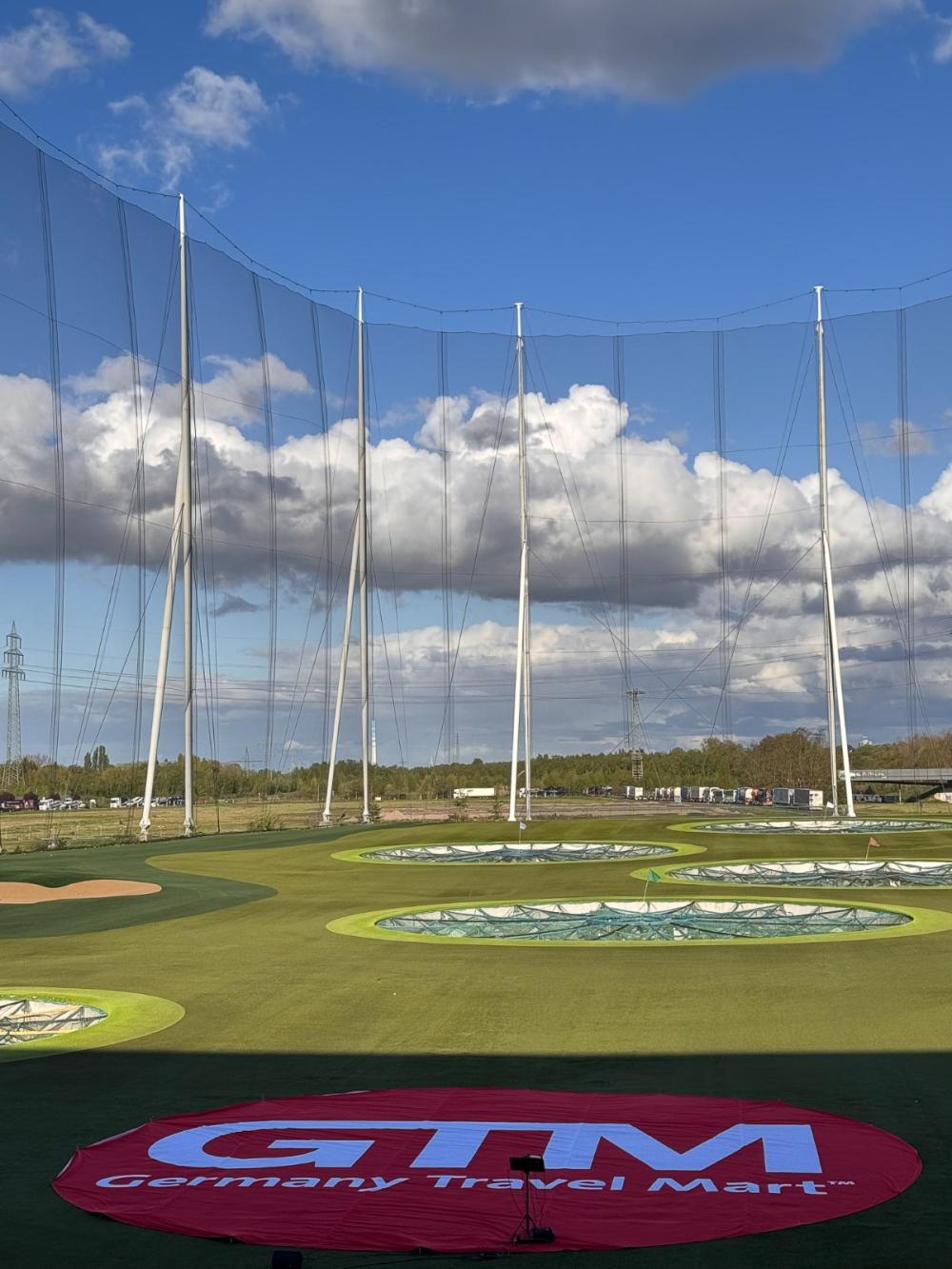
Beyond the city itself, memorable moments were also created through the event. One evening was spent at Topgolf Oberhausen, a modern complex that combines golf, entertainment and gastronomy.
With its large playing field, spacious terraces and lounge areas, it offers a relaxed experience with food, drinks and games—far from a traditional sports setting. Through team play in an informal atmosphere, we connected further with colleagues from different countries.
That’s why Oberhausen comes highly recommended—a city with many reasons to visit.
Perhaps GTM 2026 did not provide all the answers—because that is impossible at this moment—but it made one thing clear: tourism today is not an escape from reality, but a way to better understand it.

.jpg)