

There is a sentence that repeats in our lives more often than we would like to admit — “let’s do it another time.” We say it almost unconsciously, whenever a plan requires us to do something on our own. We postpone coffee by the sea because there is no one to go with us. A trip stays in the drawer because the group couldn’t coordinate, someone canceled… A journey gets moved to some other time “when everyone gets together.”
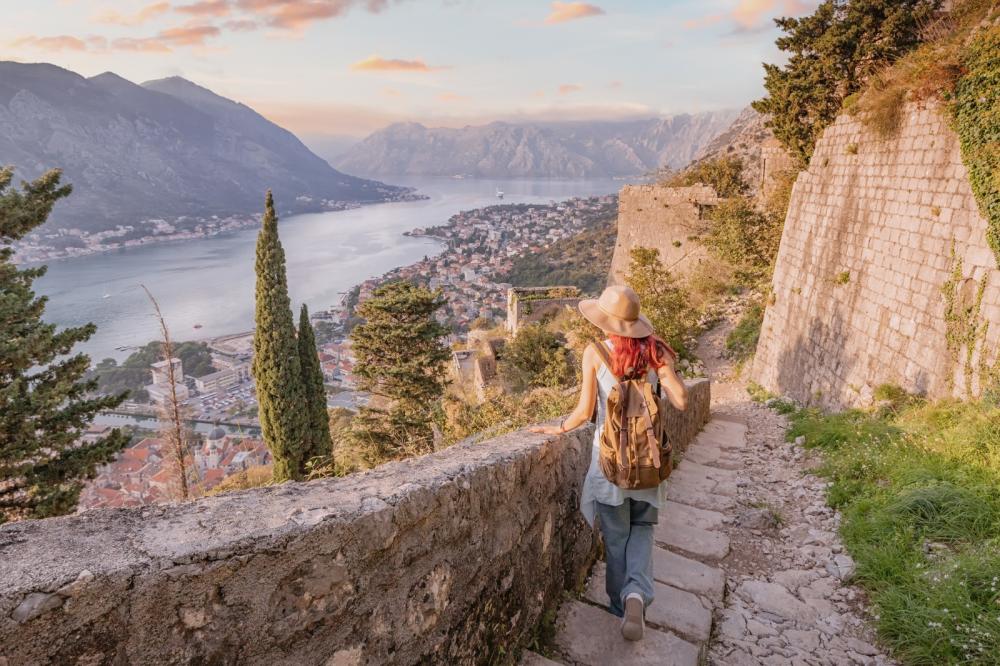
We have grown used to planning our lives depending on others, as if our satisfaction must be collectively confirmed in order to be justified. In this way, even the simplest wishes become complicated arrangements, and spontaneity slowly retreats from our schedules. What at first looks like a need for company gradually turns into a pattern of postponing our own lives.
And while we wait for that perfect moment, time passes quietly and persistently, and the small joys that make up everyday life remain unused. The sea does not stop smelling of salt, trains continue to run, days pass without pause — only we remain standing still.
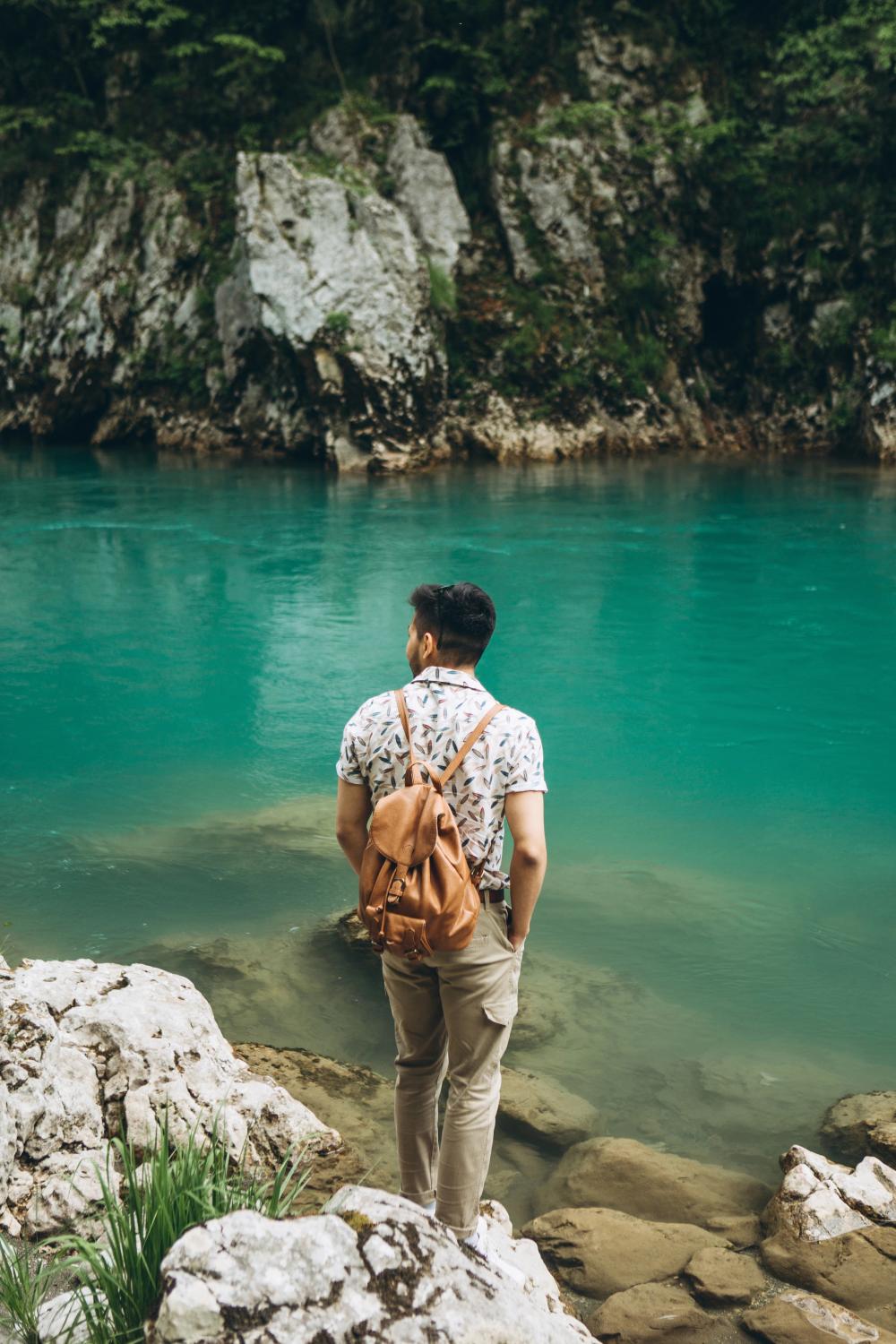
Behind constantly waiting for others there is often not pronounced sociability, but a subtle discomfort with our own silence. For many, being alone means remaining without external supports — without conversations that distract us, without messages that fill the gaps, without plans that give structure to the day. Silence then stops being a neutral space and becomes a mirror: in it appear the thoughts we usually suppress, the questions we postpone, and the feelings for which we rarely make time.
In that sense, waiting for others becomes a strategy of avoidance. It is easier to share time than to live it consciously. It is easier to be part of a dynamic than to confront our own inner rhythm. Company often serves as a buffer zone between us and ourselves — not because we always need it, but because it protects us from facing what we might hear if we stopped.
An additional layer is the fear of perception. Having coffee alone, traveling solo, or walking without company is still often interpreted in the collective mindset as a sign of loneliness rather than a conscious choice. Under the pressure of such assumptions, we begin shaping our behavior according to how it looks from the outside, not how it feels on the inside. Over time, such a relationship with ourselves weakens our sense of personal autonomy and turns free time into a space dependent on other people’s moods, availability, and approval.
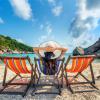
The moment we do something alone for the first time — go for coffee, walk through the city, or set off on a short trip without company — a quiet but important shift occurs. Not because the experience is special or dramatic, but because we realize that nothing bad is happening to us. There is no discomfort we expected, no sense of loneliness we had imagined in advance. The day simply continues, perhaps even more peacefully than usual.
Moments spent alone bring a simple but liberating sense of control over our own time. We choose when to leave, how long to stay, where to go. We do not adjust to someone else’s rhythm or compromise over small details. Such situations teach us — it is okay to enjoy something without an audience, without the need to share or explain the experience.
Psychologically, spending time alone strengthens our sense of self-confidence. Gradually, we learn to distinguish between a genuine desire for company and the habit of always having someone beside us. And it is precisely then that our relationships with others change — social gatherings become more conscious, relaxed, and sincere, because we do not enter them out of fear of being alone, but because we truly want to.
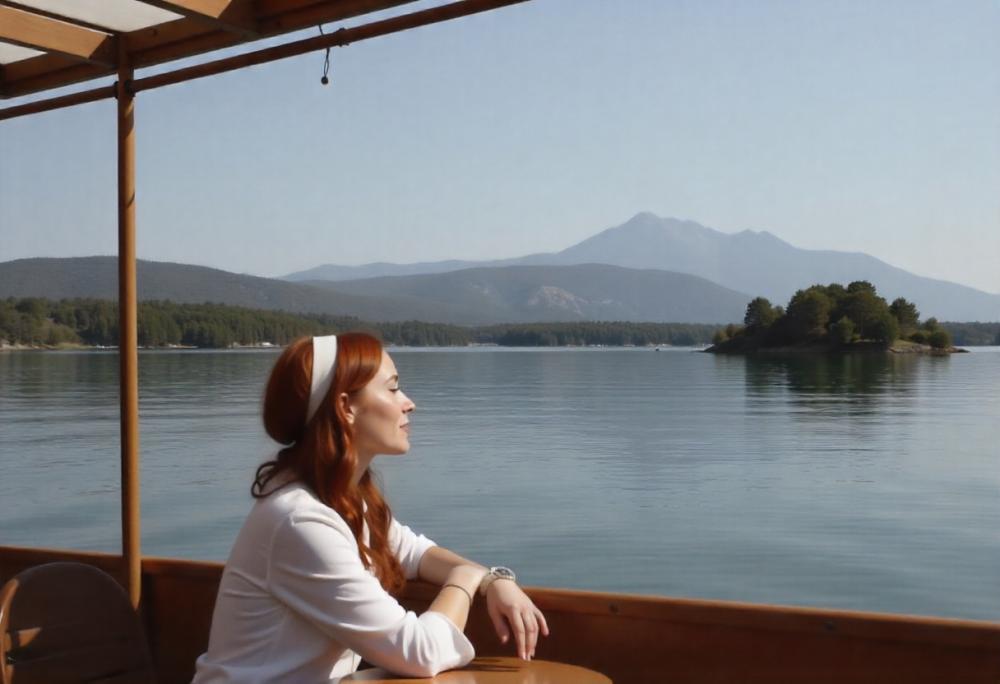
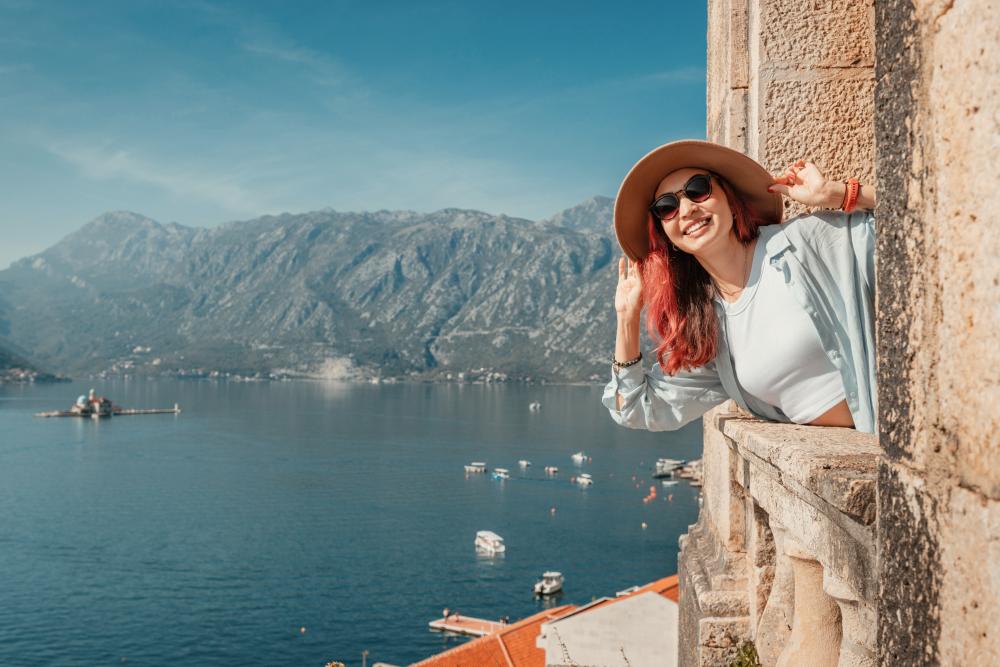
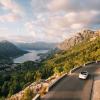
Montenegro almost naturally invites independent movement. In a small area, landscapes сменe one another, asking you to devote yourself to them without hurry and without a plan. The morning can begin by the sea, with coffee on the promenade as the town is just waking up and the waves set a slower rhythm for the day. By afternoon, you can already be in the mountains, on the serpentine roads leading north, where the air becomes cooler and the silence clearer.
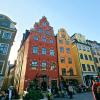
Here, extensive planning or precise organization is not necessary. It is enough to simply set off. Drive along the coast without a fixed destination, stop wherever your gaze lingers. Walk through the old town centers of Budva, Kotor, or Ulcinj, lose yourself in narrow streets, sit in a square without feeling that you are late for something. Solo outings give you the freedom for the day to last exactly as long as it suits you — without arrangements, compromises, or time pressure.
Short trips to the north, hiking trails, lakes, viewpoints, small villages where you stay longer than you planned — all of it carries a different weight when you travel alone. Then Montenegro’s tourist potential stops being a postcard and becomes a personal experience. The space is not visited to be “seen,” but to be felt, in a rhythm you choose yourself.
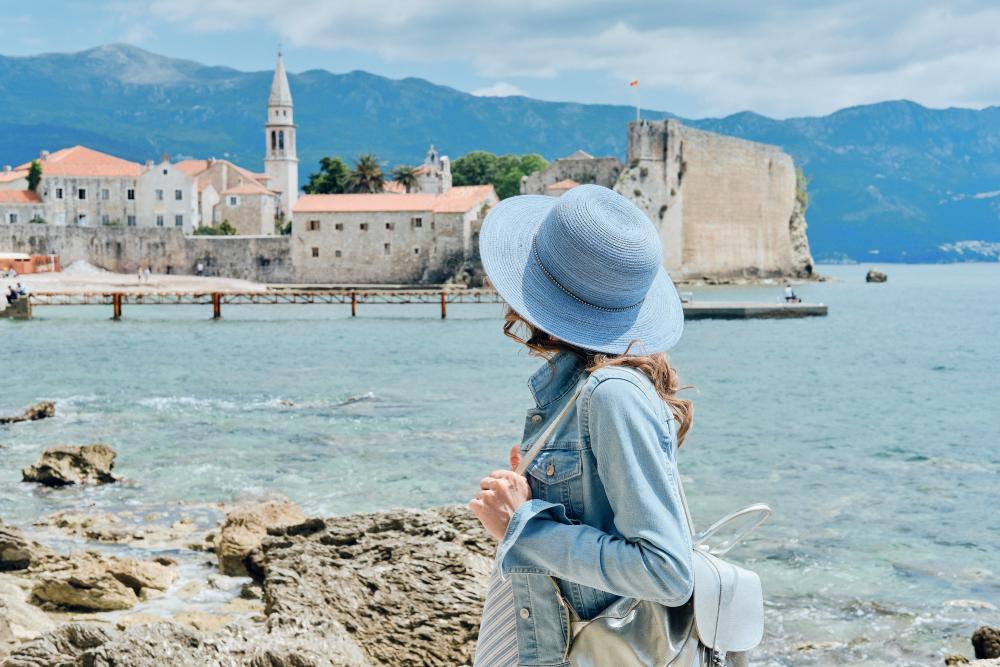
Independent moments do not have to be big or spectacular. Most often, they begin with small decisions: not to cancel a plan just because we have no company, not to wait for perfect circumstances, to give ourselves permission to enjoy something without feeling the need to justify it.
These decisions seem small and unremarkable, but they are precisely what gradually change the way we live our daily lives. In these choices, our relationship with time, obligations, and ourselves shifts. Time stops being something to “fill” and becomes a space we consciously use. Obligations lose their sense of pressure, and we begin to live more present, freer, and more sincerely — first toward ourselves, and then toward others.
In the end, the question is not whether we can do things alone, but why we have waited so long for permission to begin. Small joys are not a luxury, but a basic need for inner balance. Life does not happen when everyone aligns — it happens when we stop putting ourselves on hold. And sometimes, the decision to go alone — for coffee, on a trip, or for a walk — is the quietest, yet most consistent act of personal freedom.



.jpg)