

In contemporary gastronomy, restaurant more and more ceases to be just a place to eat. Dinner becomes a carefully designed experience which includes light, music, scenery, service dramaturgy and a story behind every dish. A chef is not anymore just a master of cuisine but the author of a concept for transmitting idea, emotion and identity all through food.
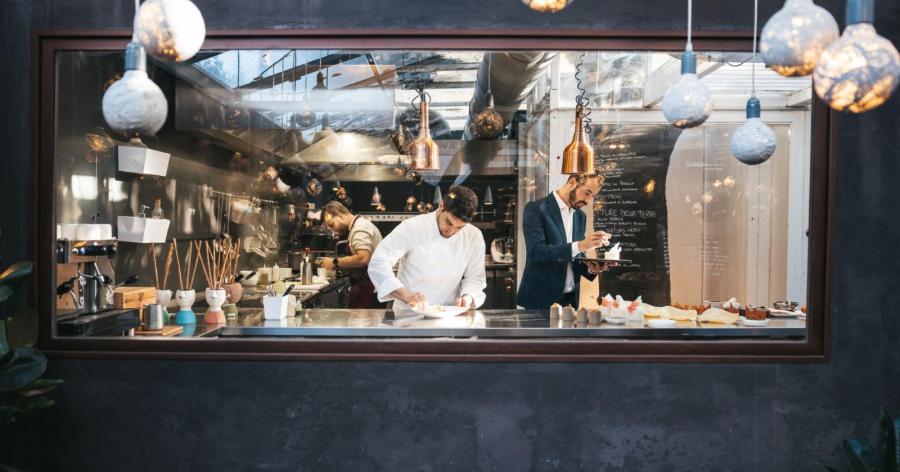
In Europe, gastronomy has increasingly been talked as an art form. In some countries, there is ongoing discussion on assigning the status of art to superior culinary skills, side by side with music, literature, theatre… Believe it or not! In new generation restaurants, dinner is a carefully designed event in which every detail – from light and music to the way of serving – becomes a part of a unique gastronomic performance.
Fine dining scene, thus, reminds more of an artistic stage where gastronomy, design, dramaturgy and emotion merge.
Nowadays, the boundary between gastronomy and art is more and more elusive. Restaurants become stages, tasting menus scripts and chefs the authors of gastronomic stories.
In that new world, dinner is not a mere meal anymore – it is an experience which includes emotion, aesthetics and atmosphere. It is exactly for this reason that contemporary gastronomy resembles increasingly an art which is experienced with all senses.
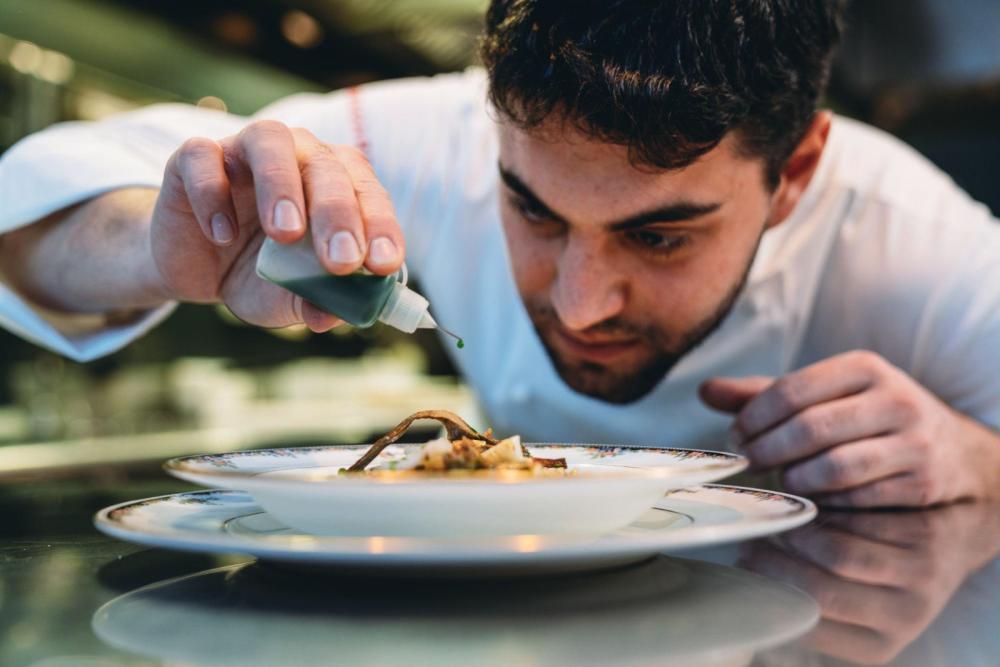
Chefs used to be hidden in the kitchen, while guests would just see the final result on their plates. Nowadays, they are creators of gastronomic concepts and the authors of ideas which shape the entire experience of the restaurant.
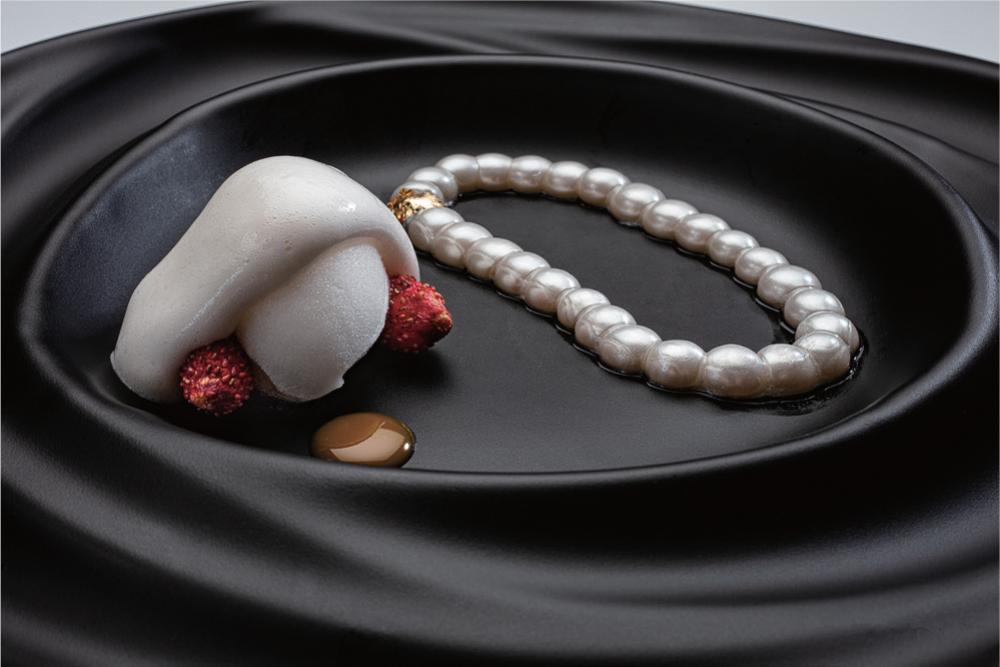
In contemporary fine dining, plate often resembles artistic composition. Shape, colour, texture and distribution of victuals are carefully designed so as to create a visual and gastronomic harmony. Seasonal victuals become and inspiration, and local produce a starting point for creative interpretation of traditional dishes.
In such approach, kitchen more and more approaches an artistic atelier – space for experiments, research and creative expression.
Modern chef is not hidden in the kitchen anymore. In the era of gastronomic art, he/she becomes a public figure, concept creator and the ambassador of his/her restaurant. Nowadays, a supreme chef has to be a lot more than a master of taste. He/she has to be:
- artist – since a dish has to be a visual experience, too
- concept author – every dish has its idea, story and message
- host – chef more and more often comes before the guests and communicates with them
- communicator – he/she is present in the media, on social networks and at gastronomic events
- team leader – leads kitchen brigades composed of as many as several dozen people
- explorer – experiments with techniques, fermentation, science and new ingredients
- aestheticist – comprehends spatial design, as well as the one of plates and the entire experience
In modern fine dining, a chef is concurrently a cook, director, host and storyteller.
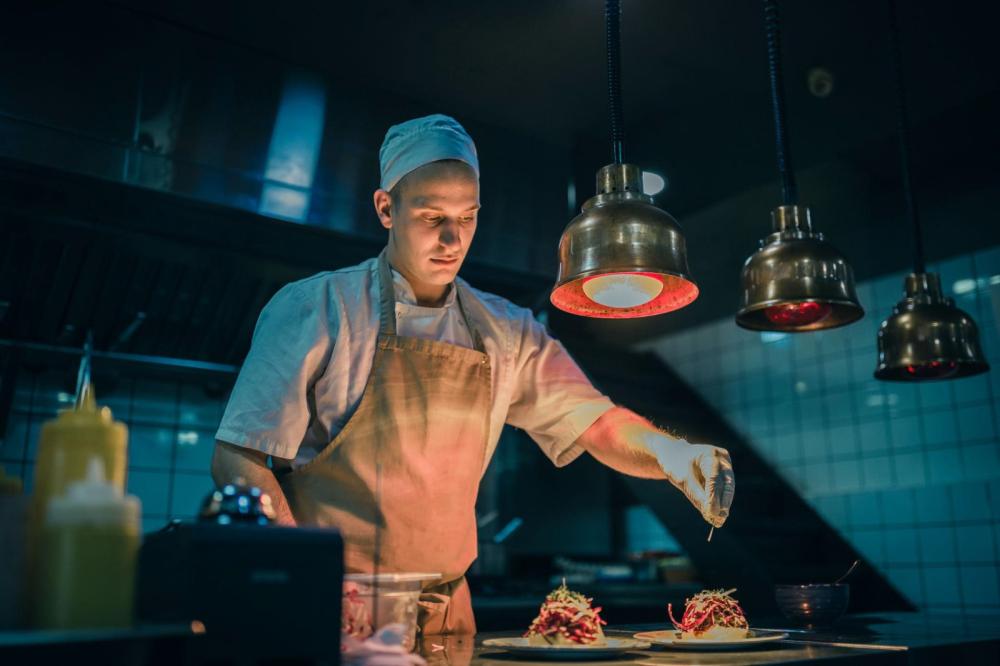
Modern restaurants increasingly use the elements of scenography to enhance dining experience. Light is carefully controlled, music is a part of the atmosphere, and the serving method is often packed with dramaturgy which reminds of theatre play.
Tasting menu in many restaurants has the structure similar to a theatre play: introduction which opens the story, central part which develops the idea and the final part which leaves a strong impression.
A guest becomes, thus, a part of the experience in which food, space and atmosphere function as a whole.
One of the most important trends of contemporary gastronomy is a story which stands behind a dish. Chefs, through tasting menus, often transmit their personal experiences, childhood memories or inspiration they found in local tradition.
A dish can speak about the sea, mountains, seasons or about the victuals which marked certain region. In such a way, gastronomy becomes a form of communication – story told through taste, smell and texture. For guests, this means that dinner is not anymore just a meal, but an experience which carries emotional dimension.
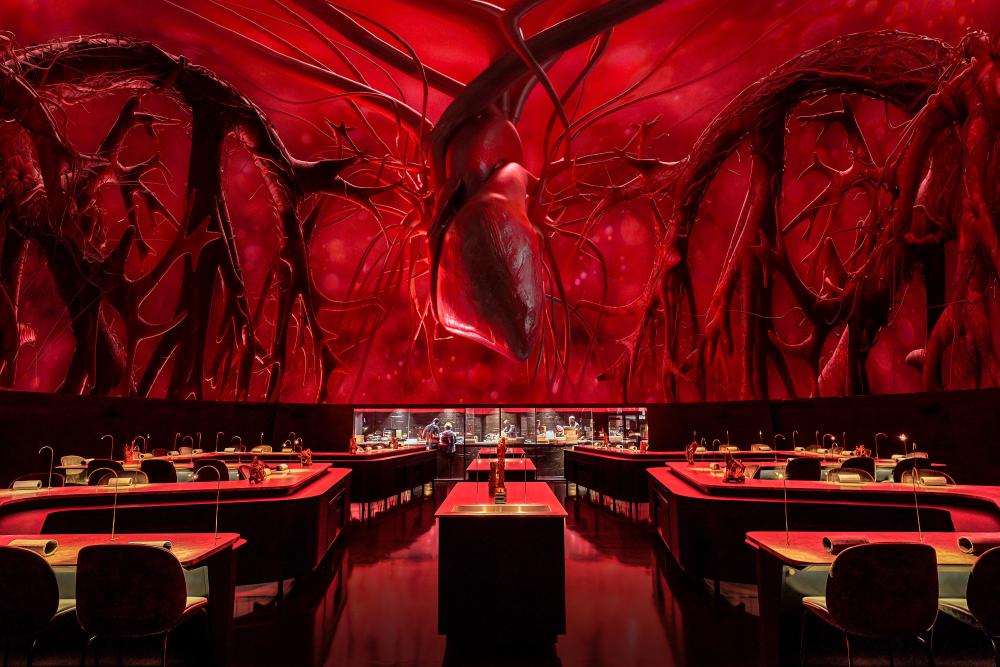
Modern fine dining increasingly includes all senses. Besides taste and smell, important role is played by sound, visual experience and food texture.
In some restaurants, music changes during dinner in order to accompany the course of tasting menu, while in others attention is paid to light or interaction with guests. The goal is to create an experience which is remembered long time after the last bite.
In that context, gastronomy more and more resembles artistic performance which combines gastronomy, design and emotion.
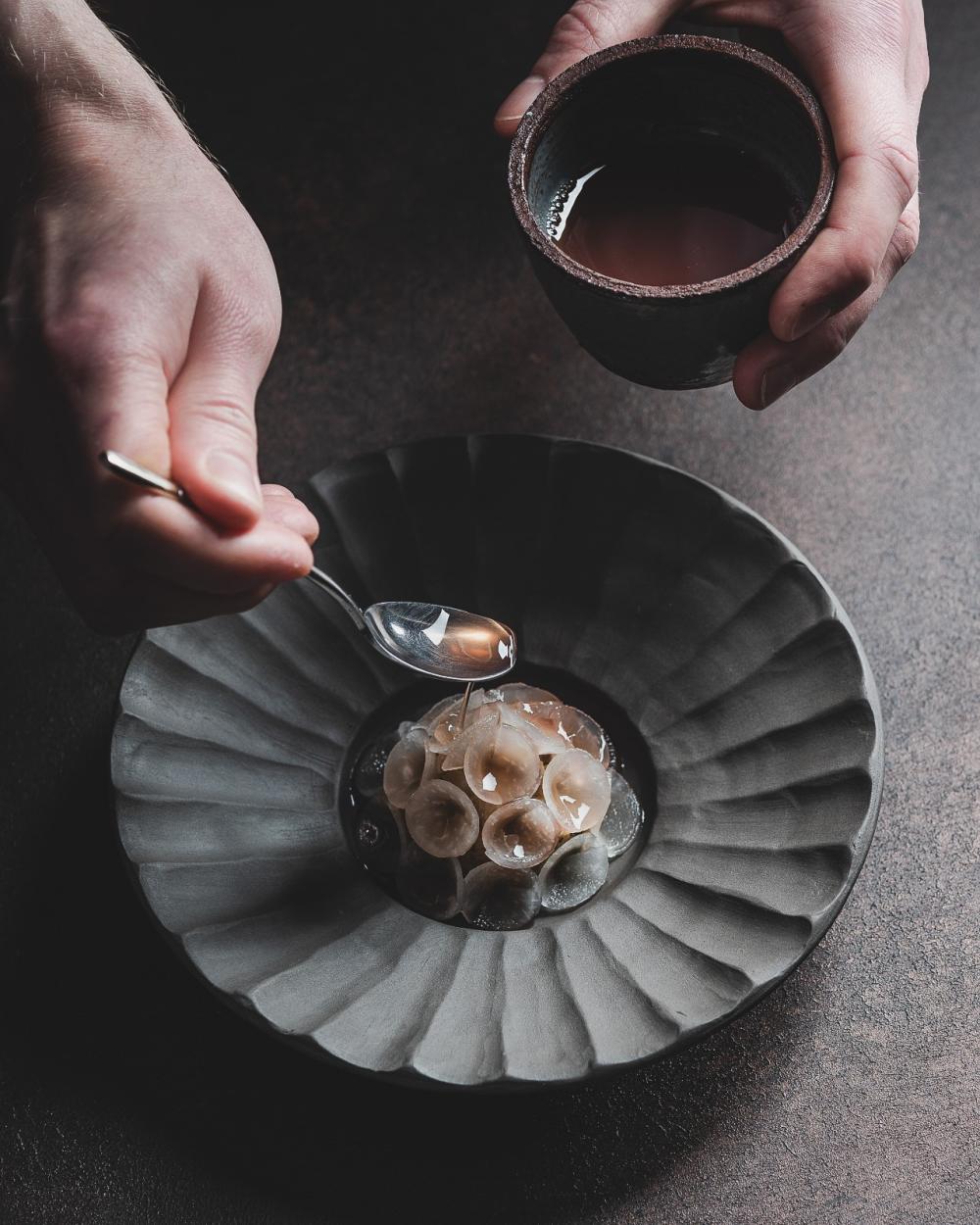
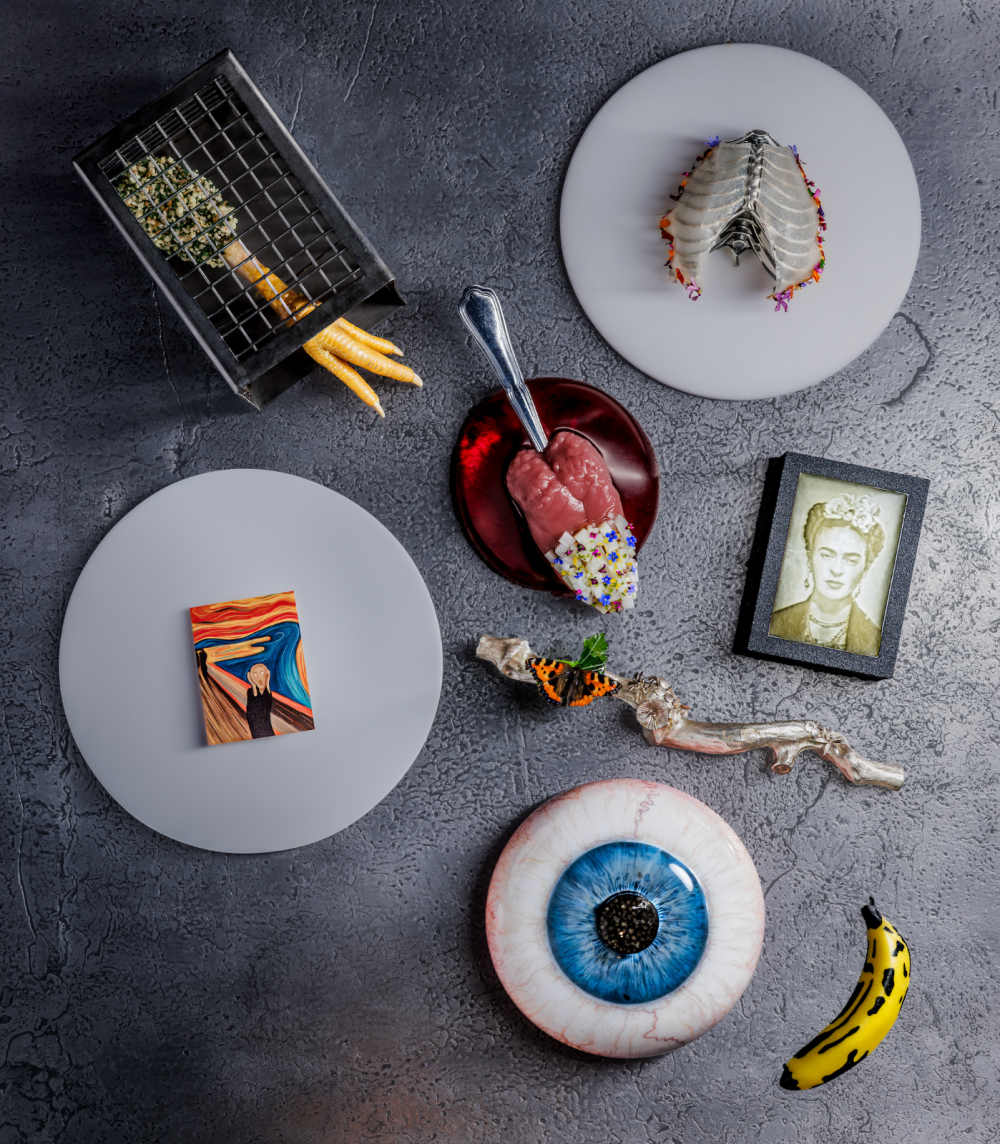
The Mediterranean is especially interesting for this kind of gastronomy because it combines a strong culinary tradition, authentic victuals and rich history.
Olive oil, fresh fish, aromatic herbs and seasonal vegetables offer a perfect basis for creative interpretation of traditional dishes. It is exactly on such foundations that many contemporary chefs build new gastronomy which combines tradition and modern aesthetics.
In the world which increasingly appreciates authenticity and local stories, Mediterranean cuisine has a potential of becoming one of the most inspirational gastronomic scenes of contemporary fine dining.
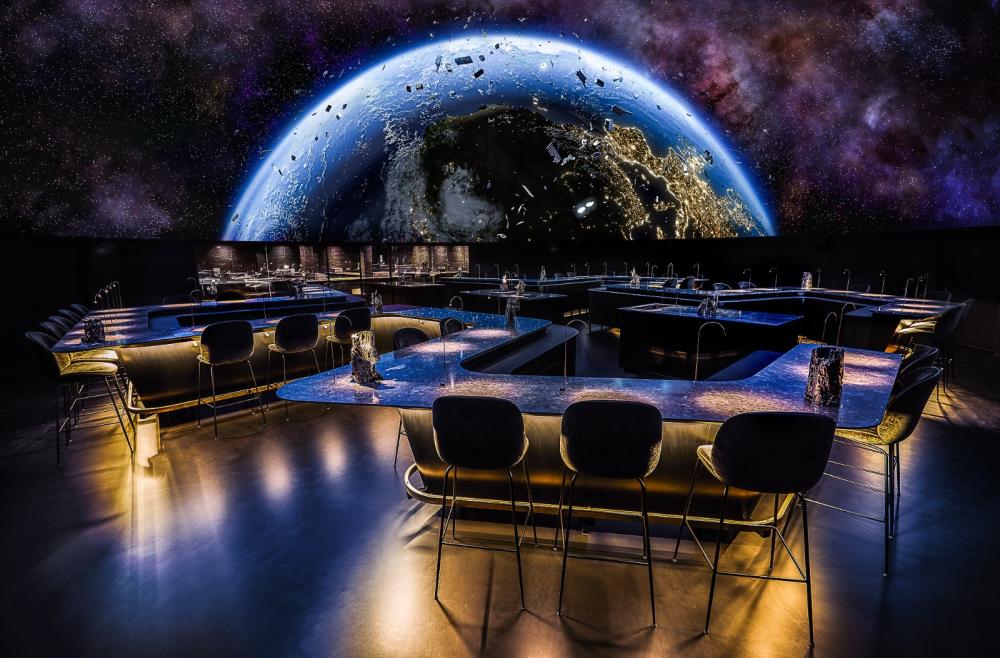
Alchemist
The restaurant is located in Copenhagen, in Denmark. One of the most radical restaurants of contemporary gastronomy. Dinner is served in a futuristic ambiance with a dome onto which visual installations are projected, while the tasting menu composed of several dozen courses explores the boundary of gastronomy, art and social message.
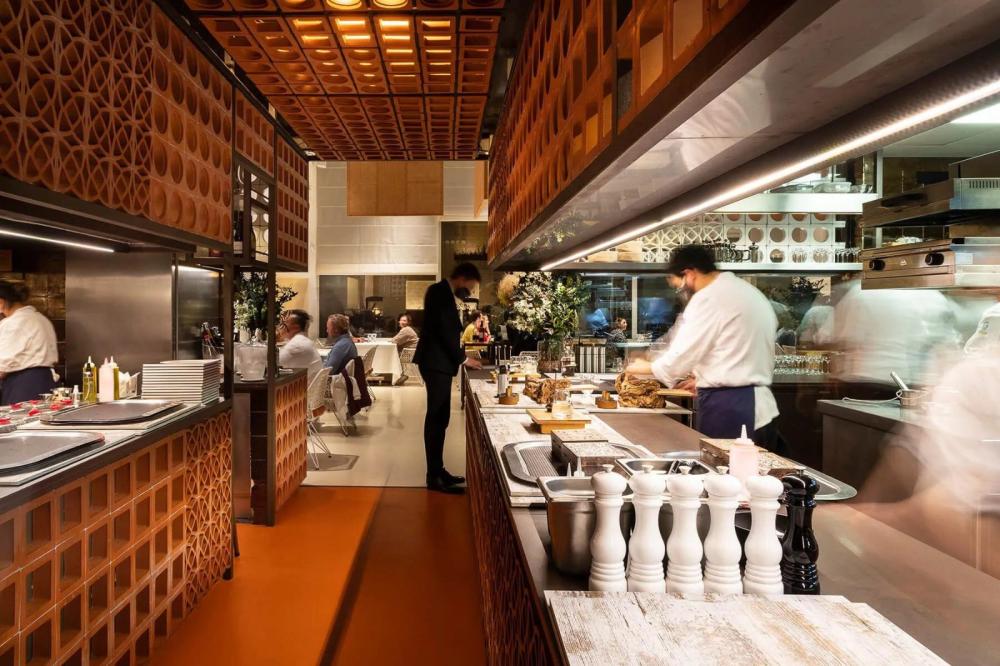
This restaurant in Barcelona is famous for exceptionally creative tasting menus which combine science, technique and art of presentation. Dishes often look like small sculptures on the plates, while through them, the chefs reinterpret Mediterranean gastronomy.
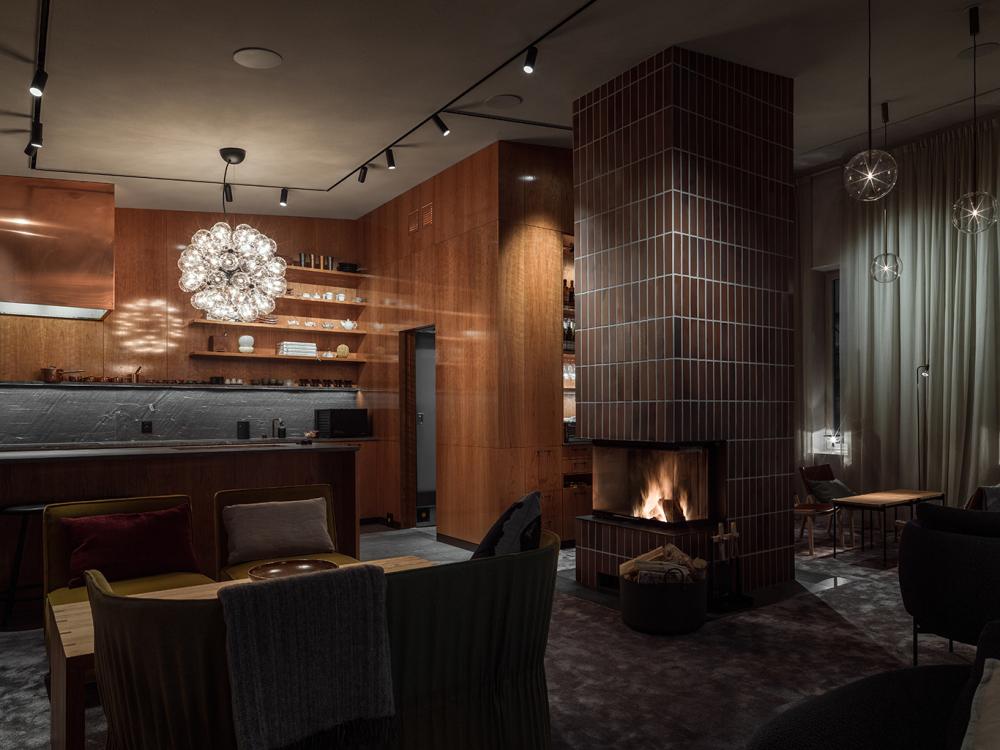
The Frantzén is located in Stockholm, in Sweden.
The Restaurant combines Nordic tradition and contemporary gastronomy. Dinner is a carefully designed series of courses served in various rooms, creating, thus, a feeling of gastronomic journey through tastes and atmosphere.